
The Best Fluffy Pancakes recipe you will fall in love with. Full of tips and tricks to help you make the best pancakes.

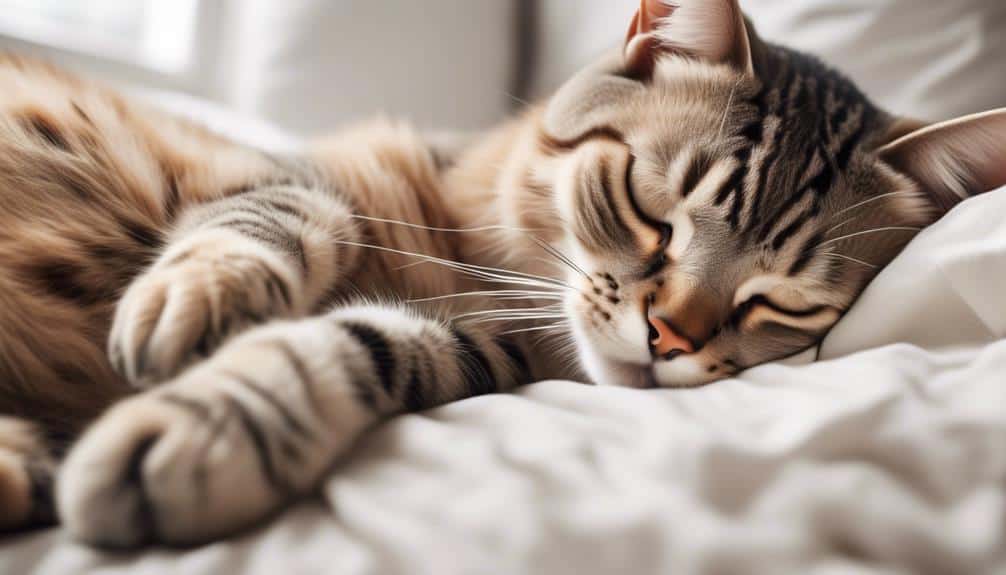
The act of kneading in cats is a captivating behavior that has captivated the interest of cat owners and experts for years. However, what happens to this instinctive behavior when a cat undergoes the painful procedure of declawing? Does the removal of their claws impact their inclination to knead?
These questions have sparked intense debate and speculation, as understanding the relationship between declawing and kneading behavior can provide valuable insights into the well-being of declawed cats.
In this article, we will explore the reasons behind cat kneading, delve into the details of declaw surgery, and examine the potential effects it has on a cat's kneading behavior. By shedding light on this complex topic, we hope to deepen our understanding of the experiences and needs of declawed cats in relation to their innate behavior of kneading.
Key Takeaways
- Declawing is a painful procedure that can cause long-term discomfort for cats.
- Some declawed cats may stop kneading due to the pain and discomfort in their paws.
- Kneading behavior in cats is not solely determined by the presence or absence of claws.
- Despite declawing, some cats may continue to knead, potentially due to the satisfaction it brings them.
Reasons for Cat Kneading
The reasons behind a cat's kneading behavior are multifaceted and rooted in their natural instincts and behaviors. Cats knead for various reasons, including marking their territory, seeking comfort and security, and preparing bedding for a nap.
Kneading also helps cats soften leaves, dirt, or other natural bedding materials. It is important to note that declawed cats have the same drives and associations with kneading as other cats. However, declaw surgery involves the removal of the last third of a cat's toes and can cause long-term discomfort.
Claws will not grow back after the procedure, which is comparable to removing part of a human's finger at the last knuckle. Despite the impact of declawing, effective alternatives to declaw surgery exist, making the procedure unnecessary.
Details of Declaw Surgery
Declaw surgery, a procedure involving the removal of the last third of a cat's toes, is a controversial and potentially painful surgical intervention. It is important to understand the details of this surgery to make informed decisions regarding a cat's well-being.
During the recovery process, cats may experience pain, swelling, and difficulty walking. The claws will not grow back after declaw surgery, as it is comparable to removing part of a human's finger at the last knuckle.
It is crucial to consider alternatives to declawing, such as providing scratching posts, trimming nails regularly, or using soft nail caps. These alternatives can help prevent destructive scratching while preserving the cat's natural behaviors and avoiding the potential physical and psychological complications associated with declaw surgery.
Pain and Discomfort of Declawed Cats
After discussing the details of declaw surgery, it is important to address the potential pain and discomfort experienced by declawed cats. The pain and discomfort of declawed cats can have a significant impact on their overall well-being. Here are three key points to consider:
- Alternatives to declawing: There are alternative methods available to prevent cats from scratching furniture or people, such as providing appropriate scratching posts, regular nail trims, or using soft nail caps.
- Pain management for declawed cats: Declawed cats may require pain management to alleviate their discomfort. This can include pain medications prescribed by a veterinarian, as well as providing a comfortable environment with soft bedding and minimal physical activity.
- Long-term effects: Declawed cats may experience long-term pain and discomfort due to the removal of their claws. This can affect their ability to walk, jump, and play, leading to a decreased quality of life.
It is crucial to prioritize the well-being of cats and explore alternatives to declawing that can prevent unnecessary pain and discomfort.
Factors Affecting Kneading Behavior in Declawed Cats
Factors influencing the kneading behavior of declawed cats can vary and should be examined to better understand their unique circumstances.
The absence of claws due to declaw surgery may affect how declawed cats engage in kneading behavior. Declawed paws can be painful, leading to discomfort while kneading. Additionally, kneading without claws may be less satisfying for declawed cats, as the scratching motion that accompanies kneading is absent.
However, it is important to note that some declawed cats may still exhibit normal kneading behavior. Cats are experts at hiding their pain, and the satisfaction of kneading may outweigh the discomfort for some declawed cats.
Furthermore, alternative options to declaw surgery exist, making the procedure unnecessary and allowing cats to retain their natural behaviors.
Understanding these factors can help promote the well-being and comfort of declawed cats.
Variations in Kneading Behavior Among Declawed Cats
The effects of declaw surgery on kneading behavior in cats can manifest in various ways, highlighting the unique variations among declawed cats. While some declawed cats may completely stop kneading due to the discomfort caused by the procedure, others may continue to exhibit normal kneading behavior.
The following variations in kneading behavior can be observed among declawed cats:
- Some declawed cats may knead less frequently or with less intensity compared to cats with claws. This could be due to the discomfort or pain experienced in their paws.
- On the other hand, some declawed cats may continue to knead just as they did before the surgery. This could be because they still find satisfaction in the act, despite the absence of claws.
- There may also be declawed cats who exhibit a combination of both reduced and normal kneading behavior, depending on their individual pain tolerance and preferences.
It is important to note that alternative options for declawing exist, making the procedure unnecessary. Understanding these variations in kneading behavior can help cat owners make informed decisions regarding their pets' well-being and provide appropriate care.
Impact of Declawing on Cat's Overall Well-being
Declawing cats has a significant impact on their overall well-being, affecting their physical and psychological health. The procedure, which involves the removal of the last third of a cat's toes, is painful and can cause long-term discomfort. This can have a detrimental effect on a cat's mental well-being.
Declawed paws may be painful, making activities like kneading uncomfortable for cats. Kneading without claws may also be less satisfying for declawed cats. However, it is important to note that some declawed cats may still knead despite the declaw. Cats are experts at hiding their pain, and the satisfaction derived from kneading may outweigh the discomfort for some declawed cats.
It is crucial to consider alternatives to the declawing procedure, as there are effective and humane options available that can preserve a cat's mental well-being while addressing any scratching concerns.
Effects of Declawing on Kneading Satisfaction
Having discussed the impact of declawing on a cat's overall well-being, it is important to explore the effects of this procedure on the satisfaction derived from kneading behavior.
- Declawed cat behavior: Declawed cats may still exhibit kneading behavior despite the absence of their claws. This suggests that kneading is not solely determined by the presence or absence of claws.
- Alternatives to declawing: Effective alternatives to declawing exist, making the procedure unnecessary. These alternatives include providing appropriate scratching posts, regular nail trims, and using soft nail caps.
- Kneading satisfaction: Declawed paws can be painful, making kneading uncomfortable for some cats. However, some declawed cats may still knead despite the discomfort, indicating that the satisfaction derived from kneading outweighs the pain for them.
Understanding the effects of declawing on kneading satisfaction is crucial for cat owners and veterinarians, as it can help guide decisions regarding the welfare and behavioral needs of declawed cats. By exploring alternatives to declawing, we can promote the well-being of cats while still addressing their natural behaviors.
Controversy Surrounding Declawing Procedure
Controversy surrounds the declawing procedure, with ongoing debates regarding its ethical implications and the availability of alternative options.
Declawing, or onychectomy, involves the removal of the last third of a cat's toes, and it is considered a painful procedure that can cause long-term discomfort. Ethical concerns arise due to the invasive nature of the surgery and the potential for negative physical and psychological effects on cats.
Critics argue that declawing is unnecessary and cruel, as there are alternatives available to address scratching behavior, such as providing appropriate scratching posts, regular nail trimming, and behavior modification techniques. These alternatives allow cats to engage in their natural behavior without resorting to declawing.
It is important for cat owners to explore these alternatives and consider the ethical implications before deciding on declawing as a solution.
Conclusion: Kneading Behavior in Declawed Cats
Despite the controversial nature of the declawing procedure, the kneading behavior in declawed cats can still be observed and understood. While declawing can cause long-term discomfort and affect a cat's health and behavior, it does not eliminate their natural drive to knead. Factors such as the healing time in declawed cats and strategies to reduce pain can influence their kneading behavior.
Factors affecting healing time in declawed cats:
- The individual cat's healing abilities and overall health
- The skill and technique of the veterinarian performing the procedure
- Proper post-operative care and management to prevent complications
Strategies to reduce pain in declawed cats:
- The use of pain medications and analgesics to manage post-operative pain
- Providing soft bedding and comfortable resting areas to minimize discomfort
- Engaging in positive reinforcement techniques to redirect the cat's behavior and provide mental stimulation
Understanding and addressing the factors affecting healing time and implementing strategies to reduce pain can help promote a more comfortable and positive environment for declawed cats, allowing them to continue exhibiting their natural kneading behavior.
Frequently Asked Questions
Can Declawed Cats Still Scratch Furniture or Other Surfaces?
Declawed cats can still scratch furniture or other surfaces, although the procedure removes their claws. However, they may not be as effective at catching prey due to the loss of their primary hunting tool. Additionally, declawing can impact a cat's balance and coordination, affecting their overall mobility.
Are There Any Behavioral Changes in Declawed Cats Compared to Cats With Claws?
Declawed cats may still knead, but the procedure can cause long-term discomfort. Despite the absence of claws, cats may exhibit normal kneading behavior. Declawing is a painful procedure with alternatives available that can impact a cat's health and behavior.
Do Declawed Cats Have a Higher Risk of Developing Other Health Issues?
Declawed cats can still exhibit normal kneading behavior, as kneading is not solely determined by the presence or absence of claws. However, declawing can have long-term effects on behavior and mobility, and potential complications of the surgery should be considered.
Can Declawed Cats Still Climb or Jump?
Declawed cats can still climb and jump, but their ability may be compromised. Without claws, they may struggle to grip surfaces and defend themselves. Declawing impacts a cat's natural instincts and ability to navigate their environment.
Are There Any Alternatives to Declawing That Can Prevent Damage to Furniture?
Alternatives to declawing that can prevent furniture damage include providing appropriate scratching posts, regular nail trims, using deterrents like double-sided tape or sprays, and utilizing positive reinforcement training techniques to redirect scratching behavior to acceptable surfaces.
Conclusion
In conclusion, the act of declawing can have significant repercussions on a cat's instinctive behavior of kneading.
The pain and discomfort caused by the surgical procedure may deter cats from engaging in this rhythmic motion.
Additionally, the altered anatomy of declawed paws may affect the cat's ability to knead effectively.
It is crucial for cat owners and experts to understand the potential impact of declawing on a cat's overall well-being and instinctive behaviors to provide appropriate care and support for declawed felines.