The Best Fluffy Pancakes recipe you will fall in love with. Full of tips and tricks to help you make the best pancakes.

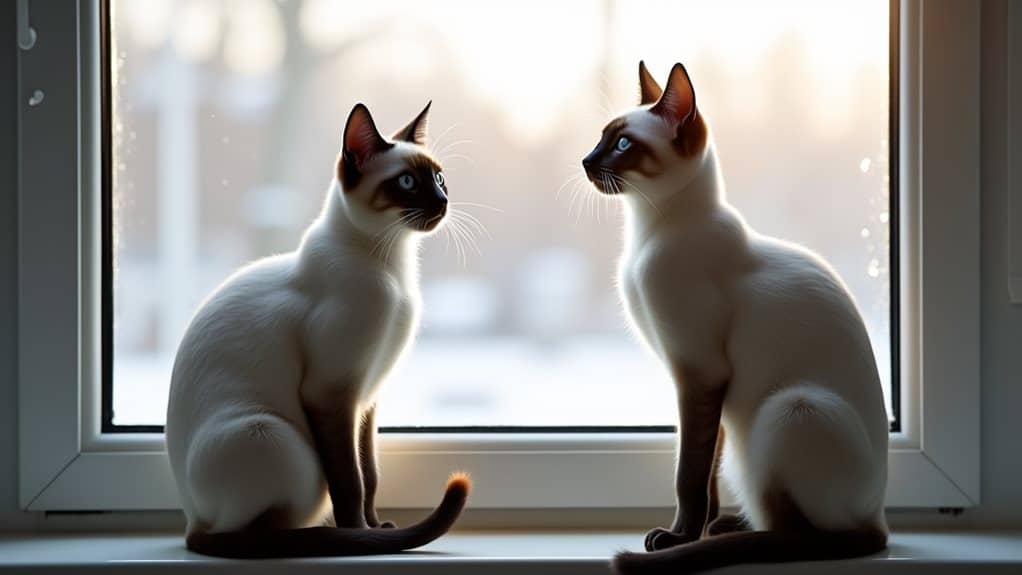
Studies show that cats can make over 100 distinct vocal and non-verbal communications, yet most pet owners only recognize about 20% of these signals. As you begin the New Year, you'll find that understanding your cat's subtle body language can transform your relationship from basic companionship to a deep, intuitive bond. Your feline friend is constantly sharing information about their emotional state, needs, and intentions through tail positions, ear movements, and facial expressions. Mastering the art of interpreting these silent messages won't just improve your connection—it'll help you create a more harmonious home environment and prevent potential behavioral issues before they arise.
Why Cats Use Body Language

While cats may seem mysterious, their body language serves as a sophisticated communication system shaped by evolution. Your feline friend's non-verbal cues stem from their dual roles as both predator and prey, leading to a rich array of emotional signals that help them navigate their world safely. For example, a perked ear position indicates your cat is alert and interested in their surroundings. Understanding a cat's tail movements can be crucial for interpreting their emotional state and intentions.
Understanding your cat's communication evolution can help you become a better caregiver. When your cat rubs against your legs or displays a playful pounce, they're tapping into ancestral instincts that have been refined over thousands of years. A cat's slow blink is one of their most profound displays of trust and affection.
These behaviors aren't just random – they're carefully crafted messages that help your cat express everything from affection to anxiety. By learning to read these signals, you'll create stronger bonds and provide better care for your furry family member.
Decoding Your Cat's Tail Positions
Just as a dog's wagging tail tells a story, your cat's tail positions reveal a complex language of emotions and intentions. Understanding tail position meanings can help you better serve your feline friend's needs and strengthen your bond.
When your cat's tail stands straight up with a slight curve, they're feeling friendly and confident. A low-hanging tail that points straight down can indicate your cat is in a serious or aggressive state. A tail held at a question mark shape means your cat is in a playful mood. You'll notice various tail movement significance throughout the day – from slow swishes that show focused attention to playful question mark curves inviting interaction. This playful behavior, akin to cat grooming behavior(#), often reflects their desire for connection and interaction with you.
If you see their tail bristling or puffed up, they're feeling threatened and need space. Watch for gentle tail wraps around your legs or furniture, as this sweet gesture means they're showing you affection.
Reading Facial Expressions and Eyes
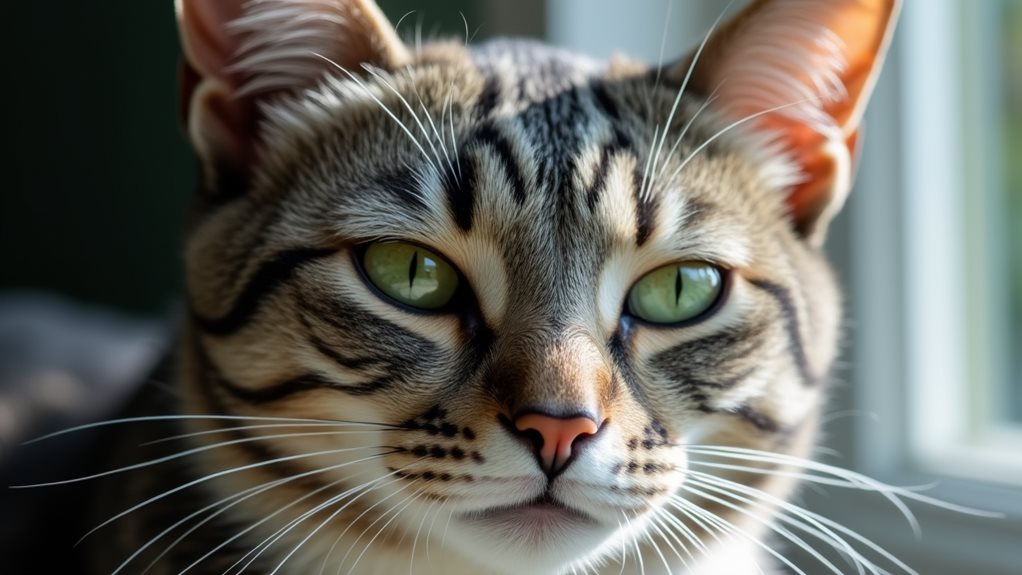
Beyond tail positions, your cat's face tells an equally rich story of their emotional state. By learning to read their facial cues, you'll better understand when your feline friend is content, stressed, or ready to play.
Watch their eye behavior closely – relaxed, partially closed eyes often mean they're happy and comfortable with you, while wide, dilated pupils might signal fear or excitement. Understanding these changes can enhance your human-feline relationship by aligning your responses with their emotional needs.
You can become fluent in your cat's facial expressions by paying attention to their whiskers, too. When they're curved and relaxed, your cat's feeling secure, but if those whiskers move forward or flatten, they might be anxious or agitated. Cats often use subtle cues like whisker movements to communicate their emotions, much like they do with huffing.
Notice their mouth position as well – a slightly open, relaxed jaw suggests contentment, while a tense mouth could mean they're uncomfortable or stressed. Cats use their extensive repertoire of 276 unique expressions to communicate their needs and feelings with remarkable sophistication.
Understanding Ear Movements and Positions
Similar to a satellite dish tracking signals, your cat's ears are remarkably expressive communication tools that reveal their emotional state and intentions.
With 32 individual muscles in each ear, cats have incredible control over their ear movements. Understanding these ear position indicators is vital for improving your relationship with your feline friend, as it can help prevent incidents of cat aggression.
When your cat's ears point forward and slightly upward, they're feeling confident and engaged – perfect for playtime!
Swiveling ear movements help your cat track and assess every sound in their environment.
However, if you notice those ears flattening against the head or moving into "airplane" position (low and sideways), it's time to give your kitty some space.
Watch for mixed ear positions or twitching, as these can signal uncertainty or nervousness.
Your emotional response should match your cat's signals: approach confidently when ears are neutral or forward-facing, but step back when they're showing signs of distress or aggression.
What Your Cat's Posture Means
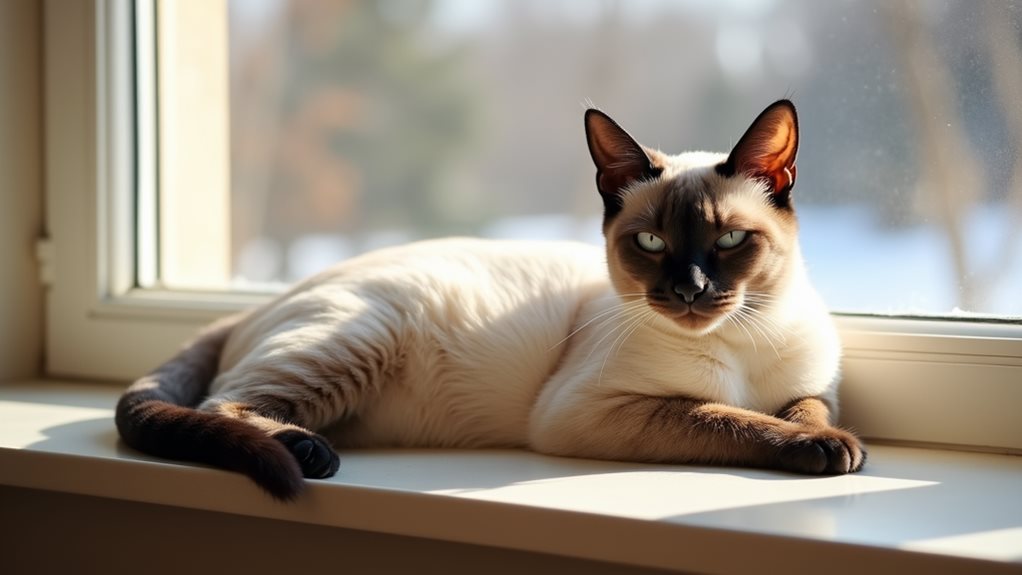
Your cat's posture tells you everything you need to know about their emotional state, from a relaxed, stretched-out position that says "I'm completely comfortable here" to a tense, crouched stance that signals "I'm not so sure about this situation."
When your feline friend stands tall with their tail up, they're showing confidence and friendliness, while an arched back with puffed-up fur means they're feeling threatened and ready to defend themselves. A cat that rests with their ears perked forward typically shows they're content and at ease in their environment. Tail puffing acts as a non-verbal communication cue, indicating heightened emotions like fear and agitation. A curious cat will often move with slow movements while approaching new things, helping them assess potential dangers.
Relaxed vs. Tense Postures
Cats communicate their emotional state primarily through body language, and learning to distinguish between relaxed and tense postures will help you better understand your feline companion.
When observing relaxed behaviors, you'll notice forward-facing ears, slow blinking, and a loosely held tail with a gentle curl. In contrast, tense behaviors include flattened ears, dilated pupils, and a rigid body posture that signals stress or fear.
Here are key indicators to watch for in your cat's body language:
- A relaxed cat will often expose their belly and stretch out comfortably
- Tense cats flatten their bodies and may arch their backs sideways
- Normal-shaped eyes and a closed mouth indicate contentment, while an open mouth with visible teeth suggests anxiety
Understanding cat body language can greatly enhance your ability to support your cat's emotional well-being.
Confident Cat Stance
A confident cat displays distinctive body language that communicates strength and comfort in their environment. When you're interpreting body language, look for an upright tail with a slight curve, forward-facing ears, and a purposeful walk.
You'll notice your cat's relaxed facial muscles and whiskers held comfortably to the side.
During confident cat interactions, you'll see them standing tall with their body oriented forward, showing they're ready to engage. Their ears will perk up attentively, and they might even expose their belly – though remember, that's not always an invitation for pets!
Watch for their tail position too; when it's held high with a gentle curve, your cat's telling you they're feeling secure and social. These signals help you better understand when your feline friend is in their comfort zone. Additionally, fostering a stress-free environment ensures your cat's confidence remains high and their demeanor stays positive.
Reading Alert Body Signals
When observing your feline companion, understanding their alert body signals can help you anticipate their mood and intentions.
By reading tail signals and interpreting ear positions, you'll develop a deeper connection with your cat and better serve their needs.
Your cat's body language reveals important clues about their emotional state:
- A high tail with forward-facing ears typically means they're happy and ready to interact with you.
- Lowered ears and a tucked tail suggest anxiety, signaling that your cat needs space and reassurance.
- Swiveling ears paired with a slightly curved tail indicate curiosity and interest in their surroundings.
Watch for these signals in combination – if your cat's showing relaxed breathing with loose movements, they're likely feeling secure and open to engagement. Moreover, if your cat is displaying signs of whisker fatigue, it may also influence their willingness to engage during interactions and mealtimes.
When you notice fearful postures, give them time to decompress in their safe space.
Vocal Signals and Their Messages
Understanding your cat's vocal signals begins with recognizing that each sound carries specific meaning and emotional weight. When you listen closely to your cat's vocal tone and sound frequency, you'll discover a rich language that reveals their needs and feelings.
Your cat's purring often signals contentment, but don't assume it always means they're happy – sometimes it's a sign of stress or illness.
If you hear chirping or chattering, your furry friend might be excited about spotting a bird outside or trying to get your attention.
Pay special attention to yowling or howling, as these sounds usually indicate your cat needs immediate help, whether they're feeling anxious, unwell, or territorially threatened.
Remember to take into account their body language alongside these vocalizations to get the full picture of what they're trying to tell you. Furthermore, cats often exhibit attachment behaviors that reflect their emotional connections, enhancing your understanding of their vocalizations.
Social Interactions With Other Pets
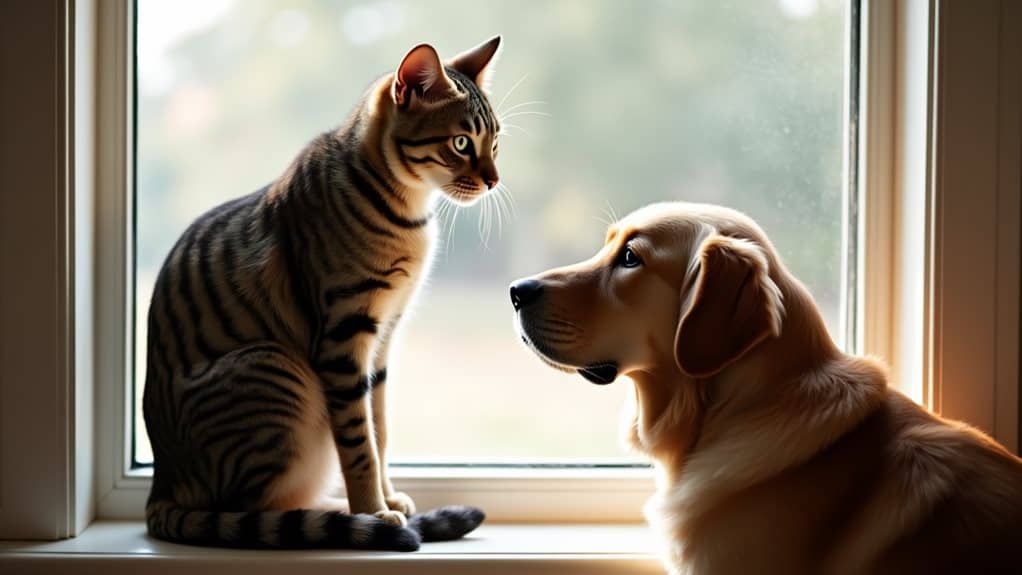
Living with multiple pets can feel like managing a tiny circus, but you'll know you're on the right track when you spot your cat and other pets displaying signs of budding friendship.
Look for telltale clues like mutual grooming, sharing sleeping spaces, or your cat rubbing against your other pets – these are clear indicators that they're forming positive bonds.
You can help foster these friendships by giving each pet their own safe space, offering plenty of resources like food bowls and litter boxes, and rewarding them when they interact peacefully with each other. Additionally, understanding and respecting unique needs among your pets can further enhance their social interactions.
Multi-Pet Harmony Tips
Creating harmony in a multi-pet household requires thoughtful planning and consistent management of your pets' daily routines. Understanding multi-pet dynamics helps prevent pet jealousy and guarantees everyone gets along peacefully.
You'll want to establish separate feeding areas and individual spaces where each pet can retreat when they need alone time.
Here are three essential tips for maintaining harmony:
- Schedule separate play sessions to reduce competition and prevent overstimulation
- Create a consistent daily routine that includes individual attention for each pet
- Feed your pets in different locations to minimize food-related stress
Remember to monitor your pets' body language during interactions and reward calm behavior.
Signs of Friendship Forming
When cats build friendships with other pets, they display distinct behavioral signals that reveal their growing bond. You'll notice signs of cat companionship through their physical interactions – watch for gentle nose touches, head bumps, and tail intertwining. These gestures aren't just cute; they're meaningful displays of trust and comfort.
As feline bonding develops, you'll see your cats spending more time together, whether they're grooming each other, playing, or simply lounging side by side.
Look for relaxed body language, like forward-pointing ears and elevated, curved tails. When your cats slow blink at each other or show their bellies, they're expressing deep trust.
Even simple activities like exploring together or sharing peaceful naptimes indicate they've formed a special connection that enriches both their lives.
Common Stress Signals to Watch
To keep your cat healthy and happy, recognizing signs of stress is essential. Watch for stress triggers in your cat's body language, as they'll often communicate anxiety behaviors through subtle changes.
You'll notice your furry friend might display tense postures, excessive grooming, or unusual vocalizations when they're feeling overwhelmed.
- Look for dilated pupils and increased blinking, which often signal your cat's experiencing anxiety.
- Pay attention to tail positions – a puffy or tucked tail usually means your cat's feeling threatened.
- Notice if your cat's hiding more than usual or showing changes in their normal vocal patterns.
When you spot these signals early, you can help your cat feel more secure by addressing what's bothering them.
Building Trust Through Body Language
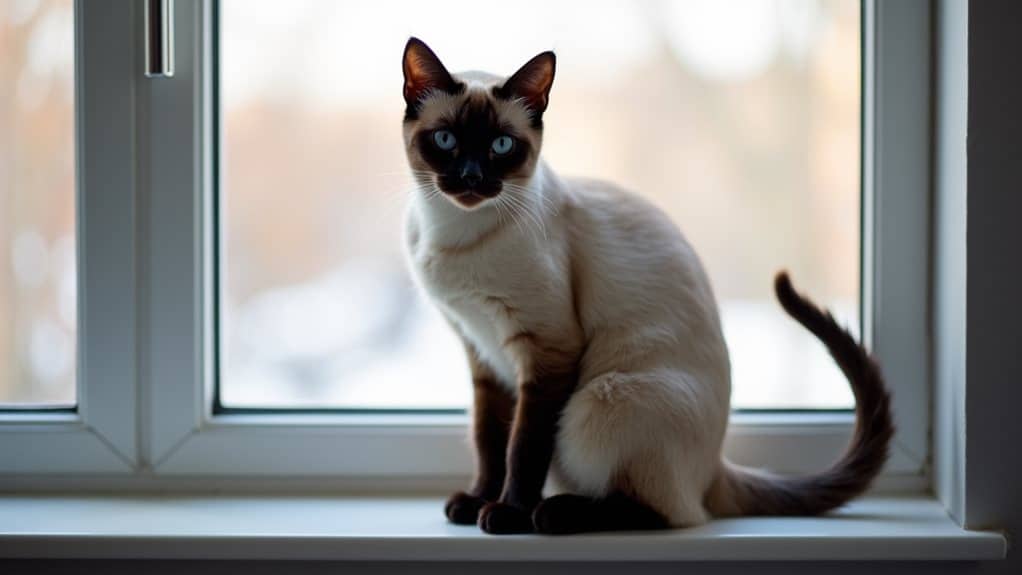
Your cat's trust is earned through understanding and respecting their unique body language. By learning essential trust building techniques, you'll create a stronger bond with your feline friend.
Watch for positive body language cues like soft eyes, forward-pointing ears, and a relaxed tail position, which signal that you're on the right track.
Remember to let your cat set the pace of your interactions. When they approach you with gentle head bumps or roll over to show their belly, they're showing remarkable trust in you.
Respond with gentle touches, soothing words, and consistent, respectful behavior. Keep treats handy for positive reinforcement, and always respect their personal space.
Through patience and observation, you'll discover that your cat's body language tells you exactly how to build that precious trust.
Final Thoughts
As you pay closer attention to your cat's body language, you'll notice how perfectly they communicate their needs and feelings through every twitch, purr, and pose. Just when you think you've mastered their signals, they'll surprise you with a new expression that deepens your connection. By staying tuned to their non-verbal cues, you're not just understanding your cat better – you're building a stronger, more rewarding relationship that'll last throughout the new year.