
The Best Fluffy Pancakes recipe you will fall in love with. Full of tips and tricks to help you make the best pancakes.

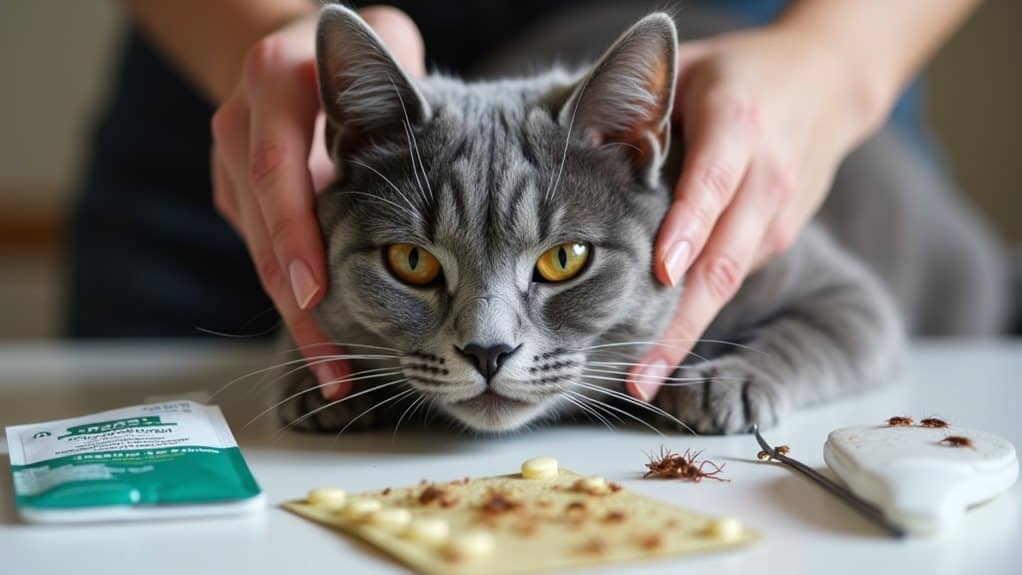
Protect your cat from parasites with a year-round prevention strategy. Apply monthly flea treatments, regularly deworm for internal parasites, and check for ticks if your cat goes outdoors. Watch for warning signs like excessive scratching, weight loss, or dull coat. Keep your home clean by vacuuming frequently and washing pet bedding in hot water. Natural supplements can complement vet-recommended treatments, but shouldn’t replace them. A thorough approach will keep your furry friend comfortable and healthy.
Common External Parasites That Affect Cats
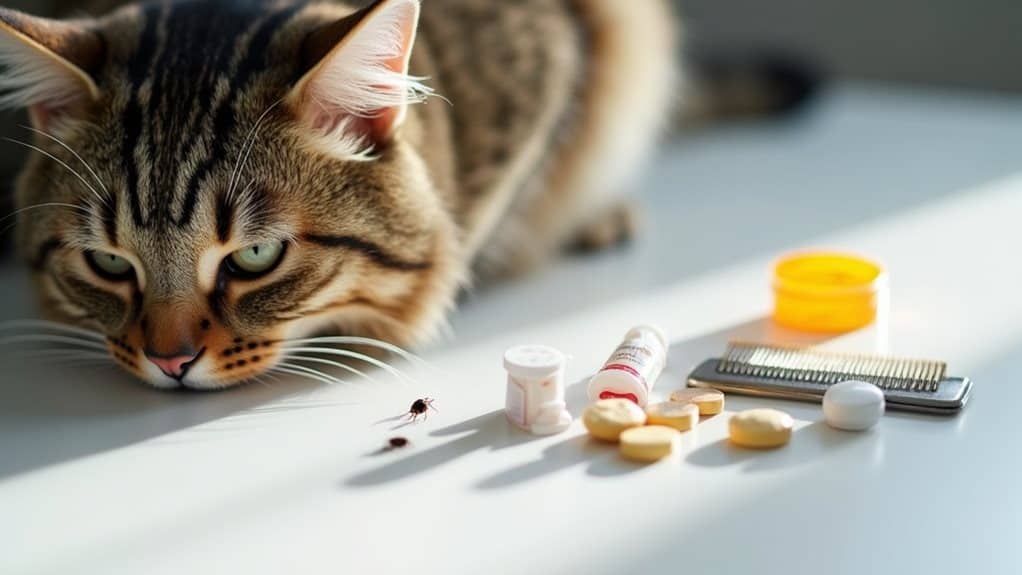
Cats, our beloved feline companions, often face unwelcome hitchhikers in the form of external parasites. These tiny invaders can make your furry friend miserable if left unchecked.
The most persistent troublemakers are fleas, with common flea types including the cat flea (Ctenocephalides felis) being the most prevalent. You’ll notice your cat scratching excessively or developing small red bumps if these pests move in. Flea saliva can result in red bumps and skin irritation, making it essential to address infestations promptly.
Fleas make cats miserable, causing intense scratching and telltale red bumps across your pet’s irritated skin.
Ticks are another concern, especially if your cat ventures outdoors. These blood-suckers can transmit serious diseases, so implementing tick prevention tips is essential.
Check your cat regularly, especially around the ears, neck, and paws. Consider using vet-recommended preventative treatments that work against both parasites.
Understanding the Threat of Internal Parasites
What’s hiding inside your cat could be more troublesome than what you see on the outside. Internal parasites like roundworms, hookworms, tapeworms, and heartworms silently damage your cat’s health while remaining invisible to the naked eye.
These unwelcome guests move through various parasite lifecycle stages, from eggs to larvae to adults, often going undetected until your feline friend shows symptoms.
You’ll want to watch for warning signs like weight loss, vomiting, diarrhea, or a dull coat. Some internal parasite types can even spread to humans—especially children—making regular prevention vital for your entire household’s health. In fact, hookworms can cause intense itching and potential infections in humans, highlighting the importance of maintaining household hygiene.
The good news? Your vet can recommend deworming schedules and preventive medications customized to your cat’s lifestyle and risk factors.
Don’t wait until you see worms in your cat’s stool—by then, the infestation is already important.
Signs Your Cat May Have a Parasite Problem
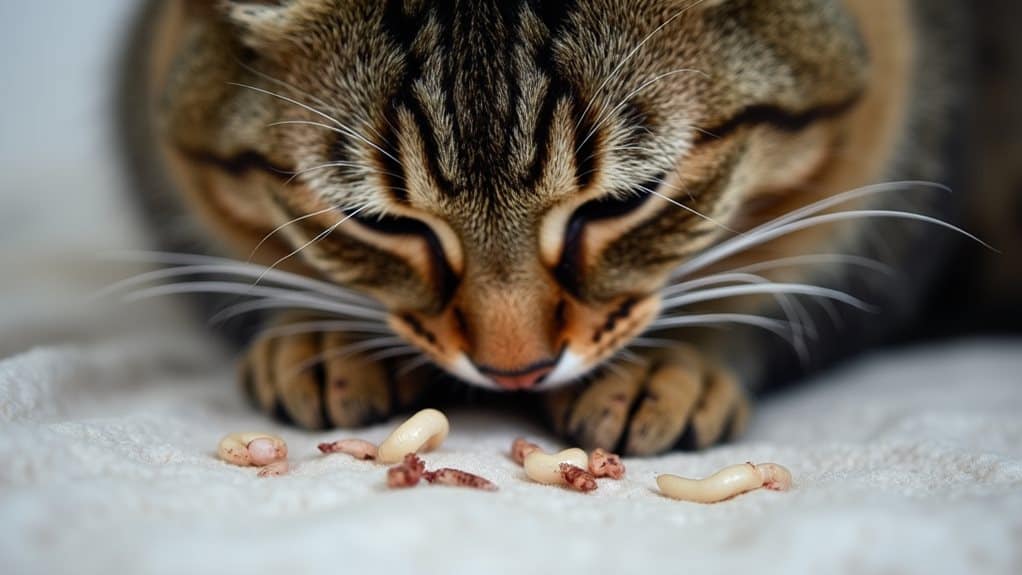
Recognizing parasite problems in your cat early can save both of you from discomfort and health complications.
You’ll want to watch for physical symptoms like weight loss, a dull coat, or vomiting, while also noting behavioral changes such as increased irritability or excessive scratching.
Your cat’s litter box often tells a revealing story, so don’t ignore unusual stool consistency, blood in feces, or the presence of small, rice-like segments that might indicate unwelcome hitchhikers. Furthermore, regular fecal testing is essential for early detection of any potential worm infestations.
Physical Symptoms and Changes
How quickly can you spot when something’s not quite right with your feline friend?
Parasites often reveal themselves through physical symptoms before you might notice behavioral changes. Your cat’s body will often send clear signals that unwelcome guests have taken up residence.
Watch for these common warning signs:
- Visible changes – Dull coat, unexplained weight loss despite normal eating, or swollen belly that seems disproportionate to your cat’s frame
- Skin irritations – Excessive scratching, hair loss, redness, or small moving specs in the fur (especially around the tail base)
- Digestive issues – Vomiting, diarrhea, or visible worm segments in stool or around your cat’s rear end
Fleas can lead to severe anemia, highlighting the importance of early detection and treatment. Don’t wait until symptoms worsen—these physical changes aren’t just uncomfortable for your cat; they indicate potentially serious health issues requiring prompt attention.
Behavioral Warning Signs
Beyond physical symptoms, your cat’s behavior often serves as the first clue that parasites have invaded their system.
Watch for sudden behavioral changes that seem out of character for your feline friend. If your typically playful cat becomes lethargic or your lap cat suddenly avoids cuddles, parasites might be the culprit.
Pay attention to unusual habits like excessive grooming, particularly around the tail area, which might indicate flea irritation.
Has your cat started scooting their bottom across the floor? That’s not merely a funny YouTube moment—it could signal intestinal parasites.
Restlessness, especially at night, might mean your cat is uncomfortable due to itching or internal discomfort.
Even changes in litter box behavior, like straining or going outside the box, can be warning signs that your furry companion needs help. Additionally, monitoring for medical issues related to inappropriate urination can provide insights into potential underlying health problems.
Litter Box Evidence
Your cat’s litter box serves as a goldmine of health information, offering clues that parasites might be present in your furry friend’s system.
Regular litter box inspections should be part of your parasite detection routine. When scooping, pay attention to any unusual appearances in your cat’s waste.
Here are three significant warning signs to watch for:
- Visible worm segments or whole worms in feces (they might look like small rice grains or spaghetti)
- Blood-tinged stool or unusual mucus coating
- Consistently soft or diarrhea-like stools that persist for more than a day
Maintaining proper litter box cleanliness isn’t just about keeping your home fresh—it’s essential for monitoring your cat’s health. If you notice these warning signs, collect a sample and contact your vet promptly. Additionally, consult a veterinarian for a tailored dewormer specific to your cat’s needs.
Year-Round Prevention: Why It Matters
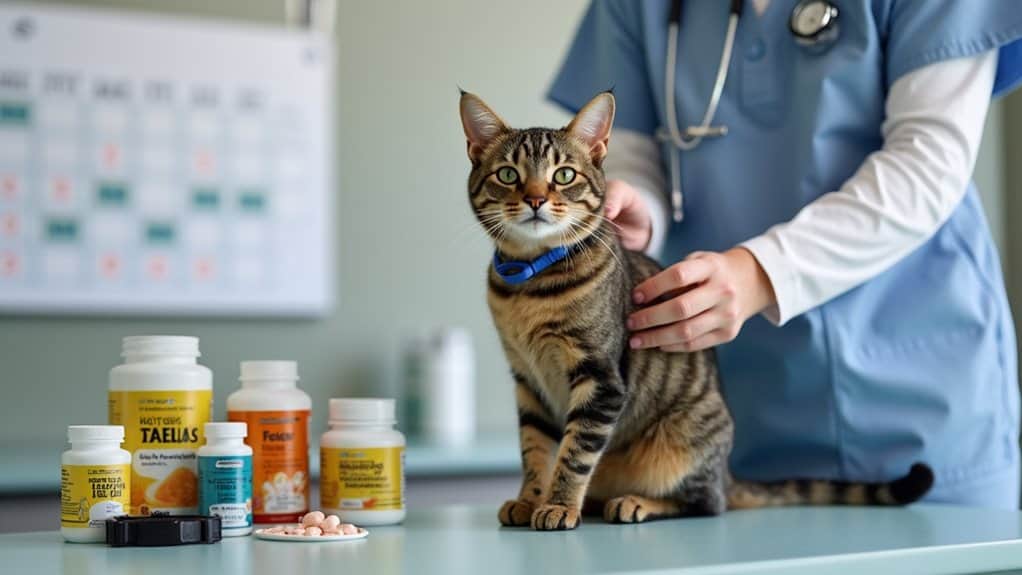
You might think parasite prevention merely matters during warmer months, but seasonal risks actually persist year-round for your feline friend.
Even during winter, indoor cats can encounter fleas, ticks, and intestinal parasites that hitch rides on your shoes or clothing.
Continuous protection guarantees your cat stays healthy throughout all seasons, preventing not just discomfort but also potentially serious health complications that could have been easily avoided. Moreover, proactive flea prevention is crucial to minimize the risk of severe health effects on your cat.
Season-Specific Risks Persist
While many pet owners believe parasite risks disappear with the winter frost, season-specific threats to your cat’s health persist throughout the year.
Maintaining seasonal awareness helps you anticipate these changing risks. Even indoor cats aren’t completely protected, as you might unknowingly bring parasites inside on your shoes or clothing.
Your risk assessment should account for:
- Spring/Summer – Flea and tick populations explode, with mosquitoes introducing heartworm risks.
- Fall – Rodents seeking warmth can bring parasites into your home.
- Winter – Indoor heating creates microenvironments where fleas can survive and multiply.
Regular flea treatment is essential for cat health, ensuring your furry friend stays protected through every season, saving you both from uncomfortable—and potentially dangerous—parasite problems.
Continuous Protection Benefits
Year-round parasite prevention delivers benefits that extend far beyond the seasonal challenges we’ve just explored.
When you maintain continuous care for your feline friend, you’re creating a protective shield that never drops its guard. This proactive approach eliminates the guesswork about when parasites might strike.
You’ll save money in the long run, too. Treating an established parasite infestation often costs more than prevention, not to mention the veterinary bills if your cat develops a parasite-related illness.
Plus, your peace of mind is priceless! Knowing your cat is protected day in and day out means one less worry on your plate.
The most successful parasite control plans don’t take holidays. By committing to proactive measures throughout all seasons, you’re investing in your cat’s lifelong health and happiness. Additionally, regular flea medication use is essential for preventing negative health effects associated with parasites like fleas and ticks.
Topical vs. Oral Preventative Medications
Choosing between topical and oral preventative medications for your cat involves weighing several important factors that affect both effectiveness and convenience.
Topical advantages include direct application to your cat’s skin, which works well for cats who resist swallowing pills. These spot-on treatments typically last 30 days and can repel parasites before they bite.
Oral convenience can’t be overstated—no messy application or waiting for liquids to dry. Plus, you won’t worry about children touching treated areas or medications washing off during bathing.
Consider these key differences:
- Application method: Spot-on liquids versus flavored tablets
- Water resistance: Topicals may degrade after bathing while orals remain effective
- Spectrum of protection: Some formulations cover different parasite combinations
In addition, regular deworming is vital for preventing parasite infestations, so talk to your vet about which option suits your cat’s lifestyle and temperament.
Natural Parasite Prevention Methods for Cats

Although conventional medications offer robust protection, many cat owners are turning to natural parasite prevention methods as complementary approaches to their pet’s health regimen. You’ll find various options to evaluate alongside traditional treatments.
Some popular herbal remedies include food-grade diatomaceous earth for external parasites and apple cider vinegar diluted in water as a topical spray. Remember, these methods shouldn’t replace veterinarian-recommended treatments but can provide additional support.
Dietary supplements like brewer’s yeast, garlic (in very small, safe amounts), and coconut oil may help boost your cat’s natural resistance to parasites.
You might also contemplate adding fresh herbs like rosemary or thyme to your cat’s environment—they smell delightful to you but repel many pests your kitty would rather avoid!
Special Considerations for Multi-Pet Households
In multi-pet households, you’ll need to be vigilant about cross-species parasite transmission, as fleas, ticks, and some intestinal worms can jump between your cats, dogs, and other furry family members.
You’ll likely need separate treatment protocols for each pet type, since products safe for cats may be toxic to dogs and vice versa.
Managing your shared environment is equally important—regular cleaning of bedding, vacuuming carpets, and treating your yard can prevent parasites from finding new hosts among your animal companions.
Cross-Species Parasite Transmission
When dogs and cats share the same living space, they’re also sharing potential parasites, creating unique challenges for multi-pet households.
Cross-species transmission occurs more frequently than you might think, putting all your furry family members at risk. Understanding these connections can help you protect everyone—including yourself, as some parasites present zoonotic risks to humans too.
Key cross-species concerns include:
- Fleas jump easily between cats, dogs, and other pets, quickly infesting your entire home.
- Intestinal worms like roundworms can pass between species through contaminated environments.
- Ticks aren’t picky eaters and will attach to any warm-blooded host they encounter.
You’ll need integrated protection strategies that work for all your pets, considering their different species, sizes, and lifestyles.
Your veterinarian can recommend compatible prevention protocols.
Separate Treatment Protocols
Multi-pet households require separate treatment protocols because what works for your cat might harm your dog, or vice versa.
Never use dog flea medication on your cat, as ingredients like permethrin can be fatal to felines. Instead, maintain species-specific preventative schedules for all your pets.
When planning treatment options, keep your pets’ individual needs in mind. Your senior cat may need different parasite protection than your kitten, and your dog’s medications should never be shared with your feline friends.
Mark your calendar with separate reminder dates for each pet’s preventatives to avoid confusion.
Shared Environment Management
The shared living space creates unique parasite control challenges beyond individual treatments.
When multiple pets inhabit your home, you’ll need an extensive approach to shared space management that protects all your furry family members simultaneously.
Effective environmental hygiene in multi-pet households requires:
- Regular vacuum cleaning of all carpets, furniture, and pet bedding at least twice weekly to remove eggs and larvae that hide in fabric fibers.
- Washing all pet bedding in hot water every 7-10 days to kill parasites at various life stages.
- Treating your yard and outdoor spaces where pets congregate, focusing on shady, moist areas where parasites thrive.
Environmental Control: Keeping Your Home Parasite-Free
Maintaining a parasite-free home environment is just as essential as treating your cat directly for parasites. Your home cleanliness routine should include weekly vacuuming of carpets, furniture, and pet bedding to remove eggs and larvae that may be hiding in fabric fibers.
Don’t forget those hard-to-reach areas under furniture where flea eggs often accumulate!
For outdoor management, keep your yard trimmed and tidy. Tall grass and leaf piles create perfect breeding grounds for ticks and fleas that can hitch a ride into your home.
Consider creating a gravel barrier between wooded areas and your lawn—parasites hate crossing these rough terrains!
When to Consult Your Veterinarian About Parasites

While regular preventive care is essential, recognizing when to seek professional help for parasite issues can save your cat from unnecessary suffering.
Don’t wait until problems escalate—schedule a vet consultation if you notice persistent scratching, hair loss, or unusual behavior in your feline friend.
When to seek veterinary attention:
- Visible parasites – If you spot worms in your cat’s stool, flea dirt on their coat, or ticks attached to their skin, it’s time for professional intervention.
- Weight loss or lethargy – Parasites can drain your cat’s energy and nutrients, causing noticeable changes in their health.
- Skin issues – Excessive grooming, redness, or scabs might indicate parasite-related allergies or irritation.
Creating a Comprehensive Parasite Prevention Plan
Because your cat’s health depends on consistent protection, developing a customized parasite prevention strategy is essential for their wellbeing.
Work with your veterinarian to create a year-round plan that addresses your cat’s specific needs based on their lifestyle, age, and health status.
Consider holistic approaches that complement conventional treatments. Many pet parents find success combining prescribed preventatives with natural deterrents like diatomaceous earth for the home environment.
Diet considerations also play an important role—cats on high-quality, balanced nutrition often show stronger immune responses to parasite threats.
Remember to schedule regular check-ups every six months, and keep detailed records of treatments.
By taking a proactive stance rather than reacting to infestations, you’ll save money and spare your furry friend unnecessary discomfort.
Your dedication will keep those pesky parasites at bay!
Frequently Asked Questions
Can Parasite Medications Affect My Cat’s Appetite or Behavior?
Yes, parasite medications can cause appetite changes and behavioral shifts in your cat. You might notice your cat eating less or acting differently after treatment. Contact your vet if these symptoms persist.
Are Certain Cat Breeds More Susceptible to Specific Parasites?
Your cat’s breed can indeed influence parasite susceptibility. Long-haired breeds often struggle more with fleas, while certain bloodlines may show better parasite resistance. You’ll need to tailor prevention based on your feline’s specific needs.
How Do Parasites Impact Senior Cats Differently Than Kittens?
Senior cats face greater risks from parasites due to age-related vulnerabilities. Their weakened immune system differences make infections more severe than in kittens. You’ll need to monitor your older cat more vigilantly for parasite symptoms.
Can I Use Dog Parasite Prevention Products on My Cat?
You’d sooner swim with sharks than risk your cat’s life. Dog parasite products contain different concentrations and ingredients that pose serious safety concerns for cats. Always use feline-specific treatments for your kitty.
Will Indoor-Only Cats Need the Same Parasite Prevention as Outdoor Cats?
Indoor cats need less prevention but still face parasite exposure. You should use flea and heartworm protection, though you might skip tick treatments. Consult your vet for a customized prevention plan for your indoor kitty.
Final Thoughts
You’re now equipped to keep your furry friend parasite-free! Remember Sarah’s cat Whiskers, who went from constant scratching to comfortable contentment after implementing a thorough prevention plan. By combining regular medication, environmental control, and veterinary check-ups, you’ll create a protective shield around your cat. Don’t wait until you spot fleas or worms—prevention is always easier than treatment. Your cat’s health and happiness are worth this simple investment!