The Best Fluffy Pancakes recipe you will fall in love with. Full of tips and tricks to help you make the best pancakes.


Common cat eye problems include conjunctivitis (redness and discharge), corneal ulcers (squinting and cloudiness), glaucoma (dilated pupils), cataracts (white spots), and excessive tearing. You’ll notice symptoms like pawing at the face, redness, swelling, or unusual discharge. Healthy eyes should be clear, bright, and free of discharge with equal-sized pupils. Don’t wait if you spot sudden blindness, severe squinting, or visible injuries—these require immediate vet attention. Discover how preventative care can protect your feline’s precious vision.
Signs of Healthy Cat Eyes: What Normal Should Look Like
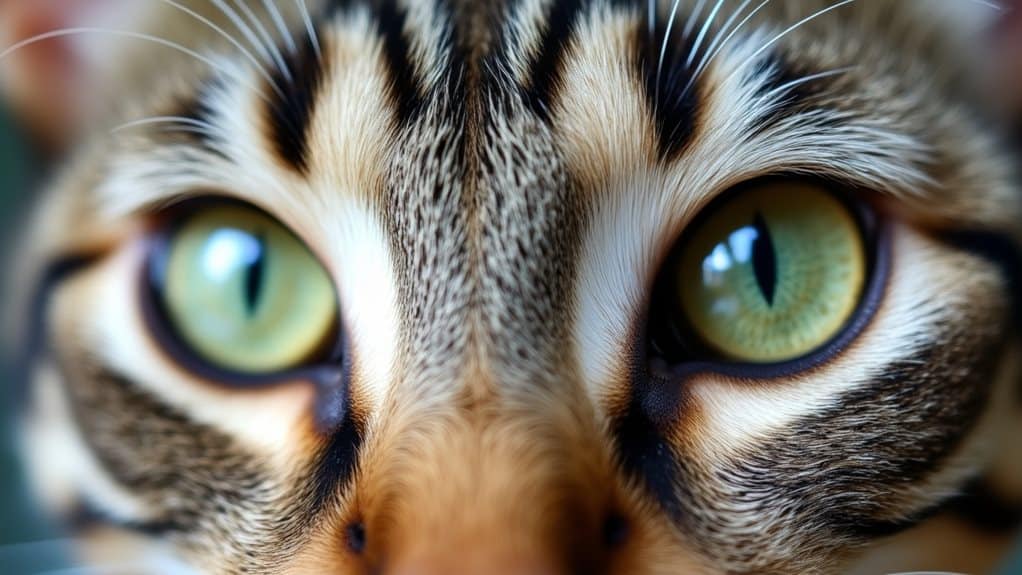
When you look into your cat’s eyes, you’re not merely admiring their beauty—you’re also checking an important indicator of their overall health.
Healthy vision in cats starts with clear, bright eyes that are free from discharge or excessive tearing. Your feline friend’s normal eye appearance should include pupils that are equal in size and respond quickly to changes in light.
Bright, clear eyes with equally-sized pupils that react to light are hallmarks of a healthy feline.
The whites of your cat’s eyes should be clear, not yellowish or reddened. You’ll notice that cats with healthy eyes don’t squint or paw at their face frequently. Their third eyelid (that semi-transparent membrane) shouldn’t be visible when they’re awake and alert. Whiskers play a significant role in facilitating their navigation and awareness of their environment, which can indirectly relate to their overall health.
Regular observation helps you catch problems early. If you’re familiar with how your cat’s eyes normally look, you’ll spot changes that might signal trouble.
Conjunctivitis (Pink Eye): Causes, Symptoms and Treatment Options
Conjunctivitis, commonly known as “pink eye,” ranks among the most frequent eye problems your feline friend might experience. This inflammation of the eye’s conjunctiva (the thin membrane covering the white part) causes redness, swelling, and discharge that can vary from watery to thick and yellowish.
Your cat might develop conjunctivitis from viral infections, bacterial issues, allergic reactions, or exposure to environmental irritants. You’ll notice your pet pawing at their eye, squinting, or experiencing excessive tearing. The affected eye often appears reddened with swollen eyelids.
Don’t try treating this condition yourself! Your vet needs to determine the underlying cause before prescribing appropriate treatment, which might include antibiotic drops, anti-inflammatory medications, or addressing allergies. Immediate medical attention is critical following any eye issue to prevent potential complications such as untreated infections, which can worsen the condition.
Most cats recover fully with prompt treatment, so don’t delay seeking help if you spot these symptoms.
Corneal Ulcers and Scratches: When to Seek Immediate Care
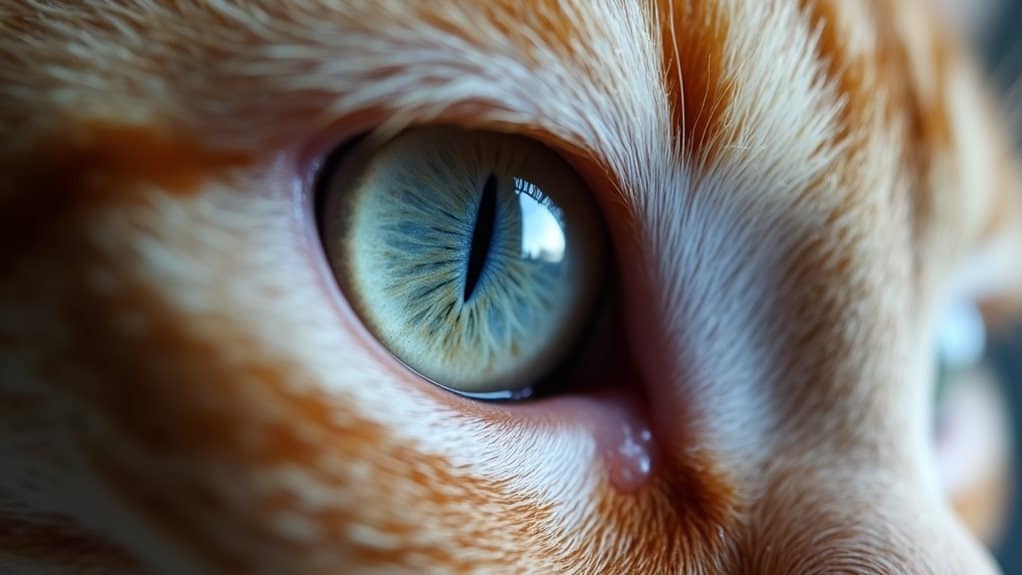
Corneal ulcers and scratches in your cat’s eye require immediate attention, as they can quickly worsen and potentially lead to vision loss. You’ll notice symptoms like squinting, excessive tearing, cloudiness in the eye, or your cat pawing at their face when these serious conditions develop. While veterinarians offer treatments ranging from antibiotic drops to surgical procedures, getting professional care within 24 hours dramatically improves your cat’s chances for a full recovery. Additionally, timely veterinary care is crucial to prevent permanent eye damage.
Symptoms Worth Watching
If your cat is squinting, pawing at their eye, or showing signs of pain, you’re likely dealing with an emergency that needs immediate veterinary attention. Beyond these urgent signs, there are other symptoms you should monitor closely.
| Symptom | What It Might Mean |
|---|---|
| Pupil abnormalities | Injury, glaucoma, or neurological issues |
| Eye discoloration | Infection, inflammation, or iris melanoma |
| Excessive tearing | Blockage, irritation, or allergies |
Don’t ignore subtle changes in your cat’s eyes. That cloudy appearance or unusual blinking pattern could signal developing problems. Your feline friend can’t tell you when something’s wrong, so it’s up to you to notice these visual clues. Regular check-ins with your cat’s eyes can help catch issues before they become serious. Additionally, being aware of common eye conditions can aid in early detection and treatment.
Treatment Options Available
When your cat develops corneal ulcers or scratches, swift action becomes critical for preventing permanent damage.
Contact your veterinarian immediately if you notice your cat squinting, tearing excessively, or pawing at their eye. Don’t wait for symptoms to worsen!
Your vet may prescribe antibiotic eye drops to fight infection and prevent complications.
Apply these exactly as directed, even if your kitty protests—those few seconds of struggle can save their sight.
Some cases might also benefit from vision supplements containing omega-3 fatty acids and antioxidants to support healing. Additionally, long-term untreated hepatitis can exacerbate other health issues, making it crucial to address any signs of illness promptly.
Feline Glaucoma: Recognizing the Silent Vision Stealer
Feline glaucoma often strikes without warning, stealing your cat’s vision before you’ll notice any obvious symptoms. This condition occurs when pressure builds within your cat’s eye, damaging the optic nerve and causing irreversible blindness if left untreated.
Understanding your cat’s feline anatomy helps identify early signs. Watch for subtle changes like dilated pupils, cloudy eyes, or your cat bumping into furniture. Your vet can perform specialized glaucoma tests to measure intraocular pressure and detect the condition before noteworthy damage occurs.
Don’t wait until symptoms become obvious! Regular check-ups are vital since cats hide pain remarkably well. Recognizing early signs of health decline can also aid in detecting other potential issues your cat may face.
If you notice your kitty squinting or rubbing their eyes excessively, schedule an appointment immediately. Early intervention can preserve your furry friend’s vision and quality of life.
Cataracts in Cats: Age-Related Changes vs. Medical Concerns
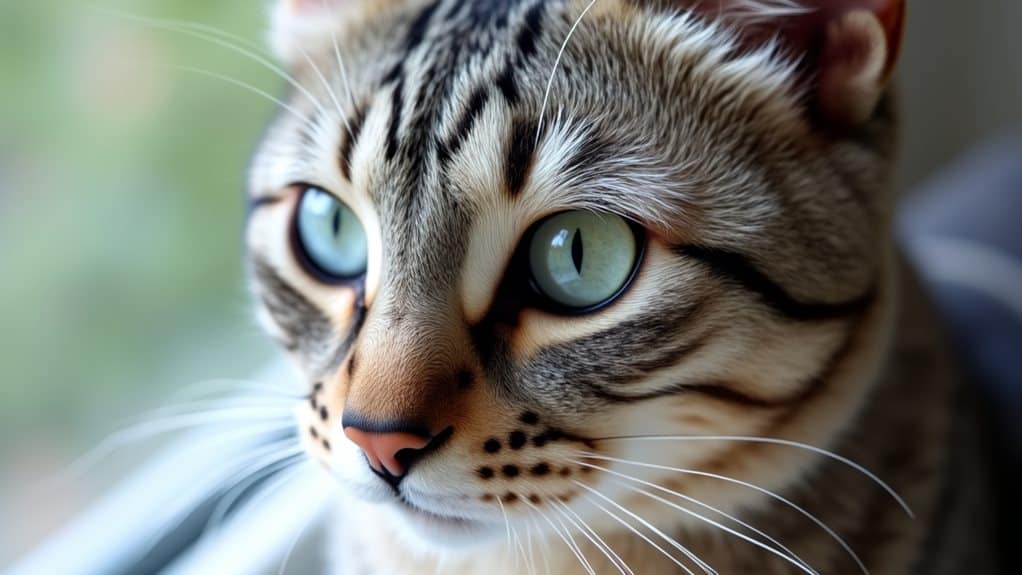
As your cat ages, you’ll likely notice changes in their eyes, including a slight cloudiness that’s often mistaken for cataracts. This haziness, called nuclear sclerosis, is normal and doesn’t greatly affect vision, unlike true cataracts.
True age-related cataracts appear as distinct white spots within the lens and can gradually impair your cat’s sight. While aging is a common factor, medical cataract concerns include diabetes, inflammation, and genetic predisposition—all requiring veterinary attention.
If you notice your feline friend bumping into furniture or hesitating before jumping, don’t wait. Schedule an eye exam right away!
While mild cataracts mightn’t need immediate treatment, severe cases may require surgery. Regular checkups help catch these changes early, making sure your cat’s golden years are as clear and comfortable as possible. Just like with eye issues, preventative parasite treatments are essential for maintaining your cat’s overall health.
Uveitis: Inflammation That Demands Attention
Uveitis in cats presents an urgent medical condition that requires immediate veterinary care. This painful inflammation affects the middle layer of your cat’s eye, causing squinting, redness, and light sensitivity. If you notice these symptoms, don’t wait – your furry friend needs help fast!
Common uveitis causes include infections, autoimmune disorders, trauma, or even underlying diseases like FIV. Sometimes, it’s connected to high blood pressure or diabetes.
Your vet will recommend uveitis treatments based on the root cause, which might include anti-inflammatory eye drops, oral medications, or addressing the underlying condition.
Tear Duct Issues and Excessive Tearing in Felines
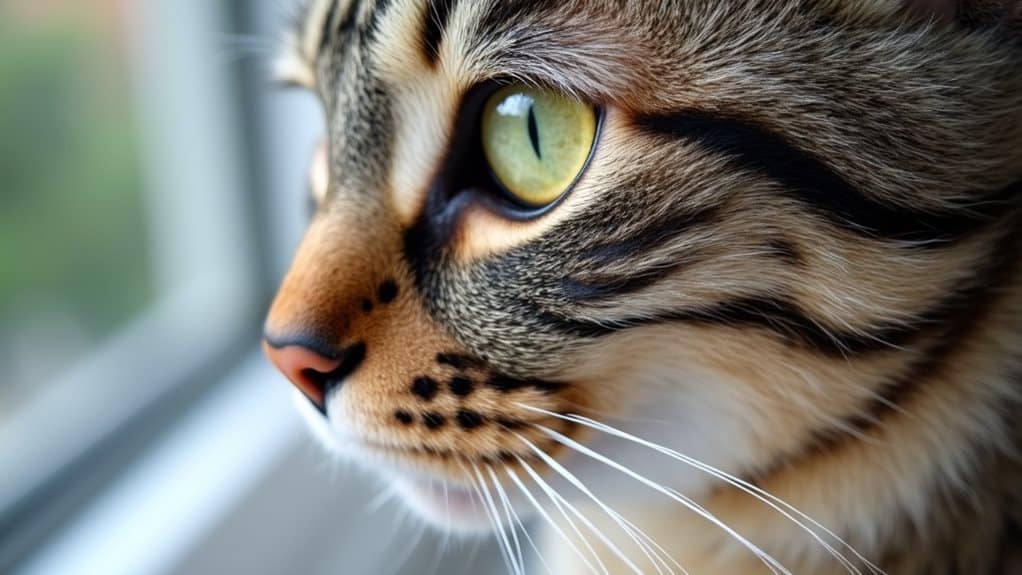
Excessive tearing, known as epiphora, can leave your cat with those telltale wet streaks under their eyes. This common issue often stems from tear duct obstruction or excessive tear production. When those tiny drainage pathways get blocked, tears have nowhere to go but down your kitty’s face.
| Symptom | Possible Cause | Home Care |
|---|---|---|
| Rusty stains | Tear duct obstruction | Gentle eye wipes |
| Constant wetness | Infection | Veterinary check-up |
| Eye irritation | Allergies | Remove allergens |
| Swelling | Congenital blockage | Professional treatment |
You’ll want to watch for signs of infection like redness or discharge. While you can gently clean the area with a warm, damp cloth, persistent tearing needs veterinary attention. Your vet might perform a flush procedure to clear blocked ducts and restore normal tear flow. Keeping an eye on overall health can help identify anal gland problems that may contribute to your cat’s discomfort.
Preventative Care: Protecting Your Cat’s Eye Health
Maintaining your cat’s eye health requires consistent attention and preventative measures, much like your own vision care.
Schedule regular preventative check-ups with your vet to catch potential issues before they become serious problems. These visits allow professionals to examine your cat’s eyes for early signs of infection, injury, or disease.
Don’t underestimate the power of eye nutrition in keeping your feline friend’s vision sharp! Foods rich in omega-3 fatty acids, taurine, and vitamins A and E support healthy eyes.
You’ll also want to keep your cat’s face clean by gently wiping away any discharge with a warm, damp cloth. Additionally, regular veterinary care ensures skin and coat health, enhancing natural fragrance, which can indirectly contribute to overall eye health.
When to Call the Vet: Emergency Eye Symptoms That Shouldn’t Wait

While preventative care forms the foundation of good eye health, recognizing emergency situations can save your cat’s vision—or even their life.
Don’t delay calling your vet if you notice any sudden blindness, which might manifest as your cat bumping into furniture or seeming disoriented. This could indicate a serious underlying condition requiring immediate attention.
If your cat suddenly seems disoriented or bumps into objects, call your vet immediately—their vision and life may depend on it.
Other red flags include severe squinting, excessive tearing, cloudy appearance, or visible eye injury.
If your cat’s eye looks scratched, punctured, or has something stuck in it, it’s an emergency—not a wait-and-see situation.
You’ll also want to act quickly if there’s notable swelling, redness, or discharge, especially if it’s yellow or green. Additionally, even common signs such as cat huffing can indicate underlying health issues that may require prompt veterinary care.
Frequently Asked Questions
Can Cats See Colors the Same Way Humans Do?
No, your cat’s color perception differs from yours. Feline vision detects fewer colors, as they’re dichromatic (seeing mainly blues and yellows) while you’re trichromatic, seeing the full color spectrum.
Are Certain Cat Breeds More Prone to Eye Problems?
Yes, certain cat breeds face more eye problems. You’ll notice breed-specific issues in Persians, Himalayans, and Siamese cats. They’re often predisposed to hereditary conditions like entropion, progressive retinal atrophy, and glaucoma.
Do Indoor Cats Need Less Eye Care Than Outdoor Cats?
Like a fortress wall versus an open battlefield, your indoor cat needs less eye care than outdoor explorers. You’ll still need regular indoor cat care checks, but won’t face as many outdoor cat risks like injuries and infections.
Can I Use Human Eye Drops for My Cat?
No, you shouldn’t use human eye drops for your cat. They contain ingredients that can harm feline eyes. Always consult your vet for proper feline eye care products specifically formulated for cats.
How Often Should I Clean the Area Around My Cat’s Eyes?
Like a watchful guardian of their sparkling windows to the soul, you should maintain your cat’s eye hygiene by cleaning the area around their eyes weekly. If discharge appears, increase cleaning frequency to prevent problems.
Final Thoughts
While you’ve learned to spot eye issues in your feline friend, isn’t it ironic that the creature who watches your every move might need you to watch their eyes just as carefully? Your cat’s vision health depends on your vigilance. Don’t wait until problems worsen—those piercing eyes that judge your life choices deserve prompt care when things go wrong. After all, they’re counting on you to keep their world in focus.