The Best Fluffy Pancakes recipe you will fall in love with. Full of tips and tricks to help you make the best pancakes.


Detecting kidney disease early in your cat is vital since symptoms often appear after 75% of function is lost. Watch for increased thirst, changes in urination, decreased appetite, and behavioral shifts like reduced play or grooming. Regular vet check-ups with blood tests are fundamental for early diagnosis. Management includes specialized low-phosphorus diets, hydration strategies (like fountains), and possibly medication. Creating a calm home environment with multiple water sources and consistent feeding times can greatly improve your cat’s quality of life. The process to understanding all management options awaits.
Understanding Feline Kidney Function and Disease Progression
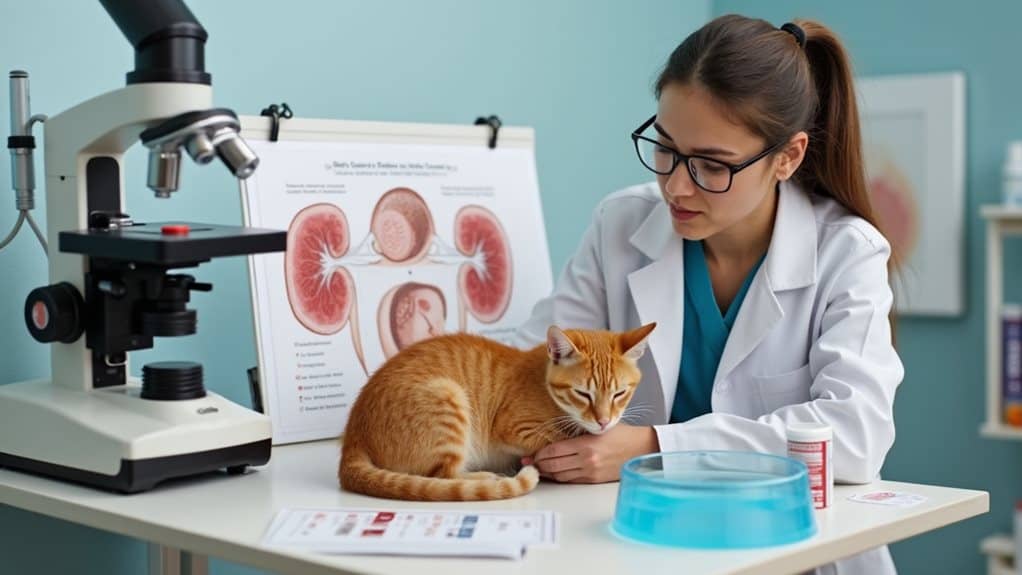
When your cat’s kidneys begin to falter, understanding the underlying mechanics can make all the difference in managing their condition effectively. Feline anatomy places these bean-shaped organs just below the ribcage, where they normally filter waste and regulate hydration tirelessly.
Feline kidneys—silent workers below the ribcage—hold the key to managing your cat’s health when function declines.
Your cat’s kidney physiology is remarkable but fragile. Unlike humans, cats don’t show symptoms until nearly 75% of function is lost. That’s why you’ll need to watch for subtle changes—increased thirst, changes in urination, or decreased appetite.
Think of your cat’s kidneys as sophisticated filtration systems that, once damaged, can’t regenerate. However, you can slow the progression with early intervention. Regular vet check-ups are essential for monitoring urinary health and can aid in the early detection of kidney disease.
The disease typically advances through four stages, and knowing which stage your furry friend is in helps determine the best approach to maintain their quality of life.
Recognizing the Subtle Warning Signs of CKD
Your cat’s developing kidney issues often announce themselves through subtle physical changes you might overlook, like weight loss, increased water consumption, or a dull coat. You’ll also notice behavioral shifts that seem minor at first – perhaps your once-energetic companion now sleeps more or shows less interest in favorite activities. Catching these warning signs early can make a notable difference in managing CKD effectively, so trust your instincts when something about your feline friend just doesn’t seem right. It’s also important to monitor for symptoms like vomiting and lethargy, as these can indicate underlying health concerns.
Physical Changes to Monitor
Recognizing the early signs of chronic kidney disease in cats often means spotting changes that might seem insignificant at first glance. Your cat’s physical appearance can tell you a lot about their kidney health.
Watch for unexplained weight changes, as sudden weight loss may indicate your furry friend isn’t processing nutrients properly. You’ll also want to monitor their urine color – darker urine or changes in color could signal developing kidney issues.
Pay special attention to these physical indicators:
- Changes in coat quality (dryness, dullness, or excessive shedding)
- Swelling around the face, paws, or abdomen
- Bad breath with an ammonia-like odor
Don’t ignore these subtle changes – they’re your cat’s way of letting you know something’s wrong. Regular weigh-ins and observation can help catch CKD early when treatment is most effective. Additionally, monitoring your cat’s behavior and physical condition can be crucial for early detection of not just CKD, but other potential health issues.
Behavioral Red Flags
How often have you noticed your cat acting differently but couldn’t quite put your finger on what’s wrong? With kidney disease, behavioral changes often appear before physical symptoms become obvious.
Watch for decreased interest in play or social interaction, as cats with CKD may withdraw due to discomfort. You might notice your kitty spending more time alone or showing irritability when handled. Nighttime vocalization can increase as they experience discomfort.
Pay attention if your previously fastidious feline stops grooming—this self-care decline often signals they’re not feeling well. Stress factors can amplify these behaviors, so create calm environments for your cat.
Has your once-adventurous companion become hesitant to jump or climb? These mobility changes might indicate joint pain from related mineral imbalances. Trust your instincts—you know your cat’s personality best, and noticing these subtle shifts could save their life. Additionally, it’s important to monitor inappropriate urination as it can signal underlying health issues such as CKD.
Diagnostic Tools and Tests for Early Detection
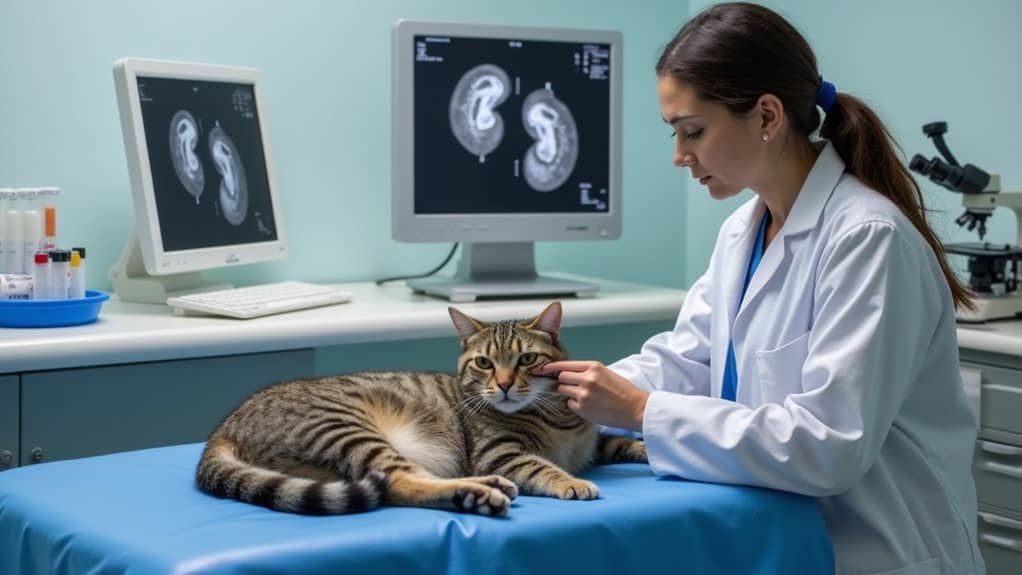
While cats excel at hiding illness, veterinarians have developed sophisticated tools to detect kidney disease before symptoms become obvious.
Regular screening is your best defense against this silent threat. Your vet will likely recommend both blood tests to check kidney function and urine analysis to assess how well your cat’s kidneys are filtering waste.
The most common diagnostic tests include:
- Blood work (BUN, creatinine, SDMA) – These markers reveal how efficiently kidneys are removing waste
- Complete urinalysis – Checks for protein, concentration ability, and signs of infection
- Blood pressure measurement – Hypertension often accompanies kidney disease
Additionally, having cat insurance can help manage the costs associated with these important diagnostic tests.
Don’t wait until your cat shows symptoms!
Early detection through these simple tests can add years to your cat’s life and greatly improve treatment outcomes. Ask your vet about kidney screening at your next wellness visit.
Nutritional Therapy and Specialized Diets
Once your cat has been diagnosed with kidney disease, proper nutrition becomes your most powerful daily treatment tool.
Veterinary-formulated kidney diets contain reduced phosphorus, controlled protein, and added omega-3 fatty acids that help slow disease progression while supporting your cat’s overall health.
Specialized kidney diets balance nutrients precisely to protect remaining kidney function while nourishing your cat’s entire body.
You’ll find therapeutic feeding makes a notable difference in your cat’s quality of life.
These specialized diets are tastier than you’d expect—many cats actually prefer them!
Don’t forget about nutritional supplements like B vitamins and potassium, which replace what’s lost through increased urination. Additionally, maintaining a high-moisture diet is essential for promoting hydration and supporting kidney health.
Hydration Strategies to Support Kidney Health

Keeping your cat properly hydrated is essential when managing kidney disease, and you’ll need to explore various ways to boost their daily water intake.
You can encourage drinking by offering fresh water in multiple locations, using water fountains that entice cats with moving water, or adding water to their food.
Beyond natural drinking, your veterinarian might recommend subcutaneous fluid therapy at home, where you’ll learn to administer fluids under your cat’s skin to supplement hydration when their kidneys can’t maintain proper fluid balance. Additionally, offering fresh water more frequently can significantly influence their hydration habits, supporting overall kidney function.
Water Intake Optimization
Because proper hydration stands as the cornerstone of effective kidney disease management in cats, you’ll need to employ creative strategies to increase your feline’s water consumption.
Consider investing in water fountains that encourage drinking with their flowing, oxygenated water—many cats prefer moving water to still bowls. Incorporate moisture-rich foods like wet or raw diets that can provide up to 70% of your cat’s daily water needs.
To optimize your cat’s water intake:
- Place multiple water stations throughout your home, especially in your cat’s favorite spots
- Add flavor to water with a splash of tuna juice or low-sodium chicken broth
- Try different bowl materials like ceramic or glass, as some cats dislike plastic. Additionally, monitoring your cat’s litter box habits can provide valuable insights into their hydration status.
Fluid Administration Methods
When your cat’s kidneys struggle to maintain proper hydration, additional fluid administration methods often become necessary beyond just encouraging drinking.
Your veterinarian might recommend subcutaneous fluids, a common at-home treatment that involves injecting fluids under your cat’s skin. Don’t worry—it’s easier than it sounds! Many pet parents master this technique quickly, providing their feline friends with much-needed hydration.
For more severe cases, your vet may suggest intravenous therapy, which delivers fluids directly into the bloodstream. This approach works faster but typically requires a clinical setting.
While it might seem intimidating at first, remember that these procedures greatly enhance your cat’s comfort and quality of life. Additionally, ensuring proper hydration is crucial for maintaining a healthy bladder, which can help mitigate the risks associated with kidney disease. Your furry companion will appreciate these efforts, even if they give you the cold shoulder during treatment sessions!
Medication Options and Treatment Protocols
Managing your cat’s kidney disease requires a well-planned medication regimen that you’ll need to follow precisely. Your vet will likely recommend specific medication types customized to your cat’s condition severity and symptoms.
Following your cat’s kidney disease medication plan precisely is essential for effective management and improved quality of life.
These treatment options typically aim to manage blood pressure, reduce phosphorus levels, and address nausea or appetite loss.
Common medications for kidney disease include:
- Phosphate binders – Mix these with food to prevent phosphorus absorption
- Blood pressure medications – Help protect remaining kidney function
- Anti-nausea drugs – Make your cat feel better and more likely to eat
Additionally, cats with kidney disease may have an increased risk of developing other complications, such as Feline Leukemia Virus (FeLV), which underscores the importance of regular veterinary check-ups. Don’t worry if adjusting to this new routine feels overwhelming at first. Most cat parents find they quickly adapt to giving medications, especially when they see improvements in their furry friend’s energy and comfort levels.
Home Care Techniques for Cats With Kidney Disease
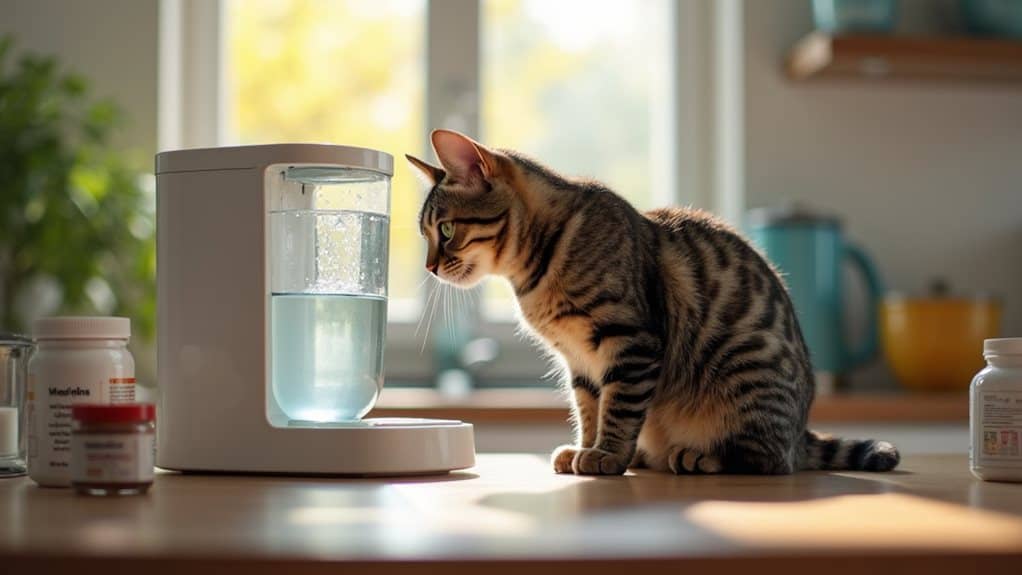
The daily care you provide at home forms the backbone of your cat’s kidney disease treatment plan.
Creating a calm home environment is vital, as stress can worsen your cat’s condition. Place water bowls throughout your house to encourage drinking, and consider a pet fountain—many cats prefer running water!
Monitor your cat’s weight weekly and keep track of food intake.
You’ll need to clean litter boxes more frequently, as cats with kidney disease urinate more often. Don’t worry, you’ll get used to the routine.
Creating a stress reduction strategy means providing quiet spaces where your cat can retreat.
Maintain consistent feeding times and minimize household changes.
Remember, your attentiveness makes a tremendous difference in your cat’s quality of life.
With patience and dedication, you’ll help your feline friend steer through this condition more comfortably.
Monitoring Quality of Life and Disease Progression
How effectively you track your cat’s condition can make all the difference in managing kidney disease. Regular quality assessment helps you spot changes that might indicate your furry friend needs adjusted care.
Keep a symptom tracking journal where you note changes in appetite, energy, and bathroom habits.
Watch for these key indicators:
- Weight changes – sudden loss can signal worsening condition
- Water consumption and urination frequency
- Behavior shifts like hiding or decreased grooming
You’ll become an expert at reading your cat’s subtle cues, which veterinarians deeply appreciate during check-ups.
Think of yourself as your cat’s personal health detective! While the process might feel overwhelming at times, this monitoring creates a roadmap for treatment adjustments that can greatly enhance your companion’s comfort and extend their happy days with you.
Emerging Treatments and Research in Feline Kidney Medicine
While traditional treatments remain valuable, exciting breakthroughs in feline kidney medicine are giving cat parents new hope.
Novel therapies targeting inflammation and fibrosis are showing promise in slowing kidney damage progression. You’ll be glad to know that genetic research is helping identify cats predisposed to kidney disease, potentially allowing for earlier intervention.
Revolutionary treatments targeting inflammation offer new hope for cats with kidney disease, while genetic advances enable proactive care.
Biomarker discovery has revolutionized how veterinarians detect kidney problems, sometimes months before symptoms appear. These tiny cellular messengers can signal trouble long before traditional tests show anything concerning.
Several clinical trials are underway testing stem cell treatments that might actually repair damaged kidney tissue—imagine that possibility!
When your vet mentions these cutting-edge options, don’t hesitate to ask questions. The future of feline kidney medicine looks brighter than ever, and your kitty might benefit from these advancements.
Frequently Asked Questions
Can Kidney Disease in Cats Be Prevented Completely?
No, you can’t prevent it completely, but you’ll reduce risks through lifestyle changes like regular checkups and dietary modifications. Feed your cat specialized food, guarantee fresh water, and maintain a healthy weight.
Is Kidney Disease Hereditary in Certain Cat Breeds?
While humans obsess over pedigrees, your cat’s kidneys couldn’t care less! Yes, kidney disease is hereditary in certain breeds. You’ll find Persian, Abyssinian, and Maine Coon cats have higher breed susceptibility to hereditary factors.
How Does Outdoor Versus Indoor Living Affect Kidney Disease Risk?
Outdoor cats face higher kidney disease risks due to outdoor hazards like toxins, dehydration, and infections. You’ll reduce your cat’s risk by keeping them indoors where you can monitor water intake and provide indoor safety.
Can Stress Trigger Kidney Problems in Cats?
Yes, stress can trigger kidney problems in cats. Nearly 30% of stress-related feline health issues affect internal organs. Your cat’s kidneys are vulnerable when chronic stress activates inflammatory responses, disrupting normal kidney function.
Does Neutering/Spaying Impact Kidney Disease Development?
There’s no direct link between neutering/spaying and kidney disease in cats. However, neutering benefits include reduced roaming and fighting, while spaying effects may help prevent reproductive infections that could indirectly stress kidneys.
Final Thoughts
Your cat’s kidney health requires vigilance and compassion. While CKD presents serious challenges, early detection offers hope; delayed action leads to heartbreak. You’ll need to balance medical interventions with quality of life considerations as you steer this path together. Remember, your furry friend depends on you to make informed choices—monitoring their condition, adjusting their diet, and providing hydration can transform what seems like an ending into precious extended time together.