The Best Fluffy Pancakes recipe you will fall in love with. Full of tips and tricks to help you make the best pancakes.

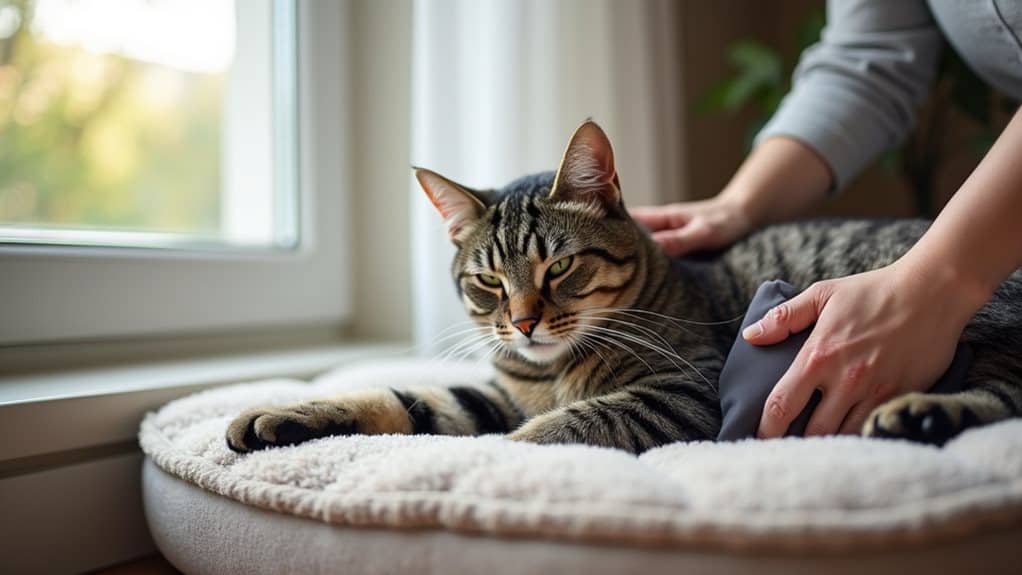
Feline arthritis affects nearly 90% of cats over 12 years old, yet many pet parents miss the signs because cats hide their pain. Watch for decreased jumping, reduced grooming, and irritability when touched. Help your aging kitty with joint supplements, soft bedding, ramps, and specialized diets rich in omega-3 fatty acids. Regular vet check-ups are essential for early detection and treatment options. With proper care, your arthritic cat can still enjoy a comfortable, happy life.
The Silent Epidemic: Understanding the Prevalence of Feline Arthritis
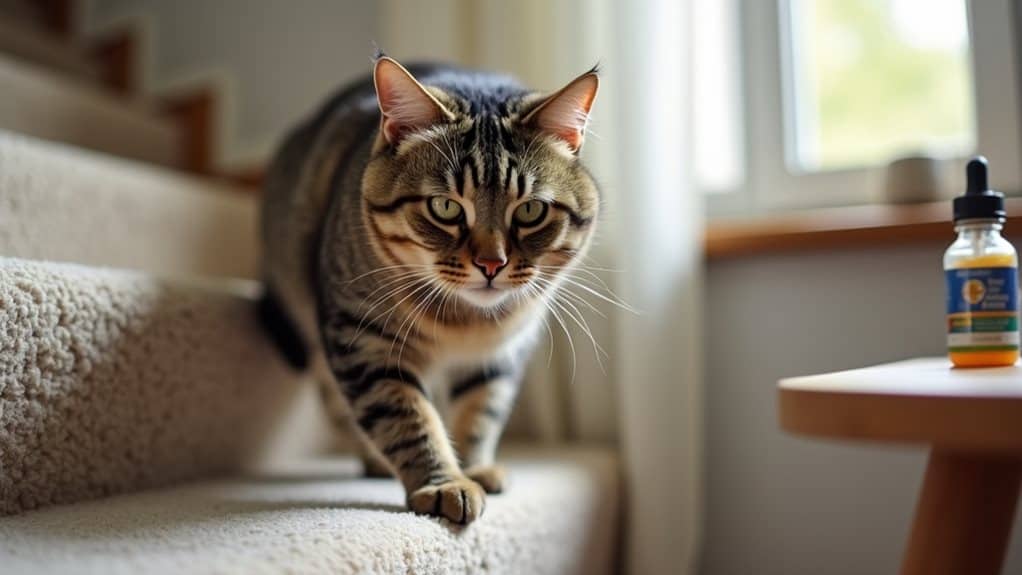
Silence often masks suffering when it comes to our feline companions. Arthritis affects nearly 90% of cats over 12 years old, yet many owners don’t recognize the signs. Your cat’s natural stoicism makes this joint disease particularly difficult to spot, as feline behavior typically conceals discomfort rather than displays it.
When your kitty stops jumping on furniture or seems reluctant to play, it’s not merely “getting old” – it’s often pain talking. Cats’ unique pain perception means they hide their discomfort instinctively, a survival mechanism from their wild ancestors. Instead of vocalizing pain, they’ll simply adapt their lifestyle, making subtle changes you might miss.
Watch for decreased grooming, reluctance to use the litter box, or irritability when touched in certain areas. These quiet signals are your cat’s way of saying something’s wrong. Additionally, regular vet check-ups can help identify underlying health issues, including arthritis.
Recognizing the Subtle Signs of Joint Pain in Cats
How does your cat communicate when something hurts? Unlike humans, cats rarely vocalize their discomfort, making arthritis detection challenging. Your feline friend communicates pain through subtle behaviors that you might miss if you’re not watching closely.
Notice changes in your cat’s mobility patterns. Is she hesitating before jumping onto favorite perches? Does she struggle with stairs she once bounded up effortlessly?
Look for decreased grooming, especially in hard-to-reach areas, which often indicates joint stiffness. Some cats become irritable when touched in sensitive spots or withdraw from family interaction.
Other warning signs include sleeping more than usual, using the litter box irregularly, or limping after rest. Inappropriate urination can also be a sign of discomfort related to arthritis, as it may hinder their ability to use the litter box comfortably.
These quiet signals are your cat’s way of saying “I’m hurting.” Recognizing these early can make all the difference in managing their comfort.
Common Types of Arthritis Affecting Senior Cats
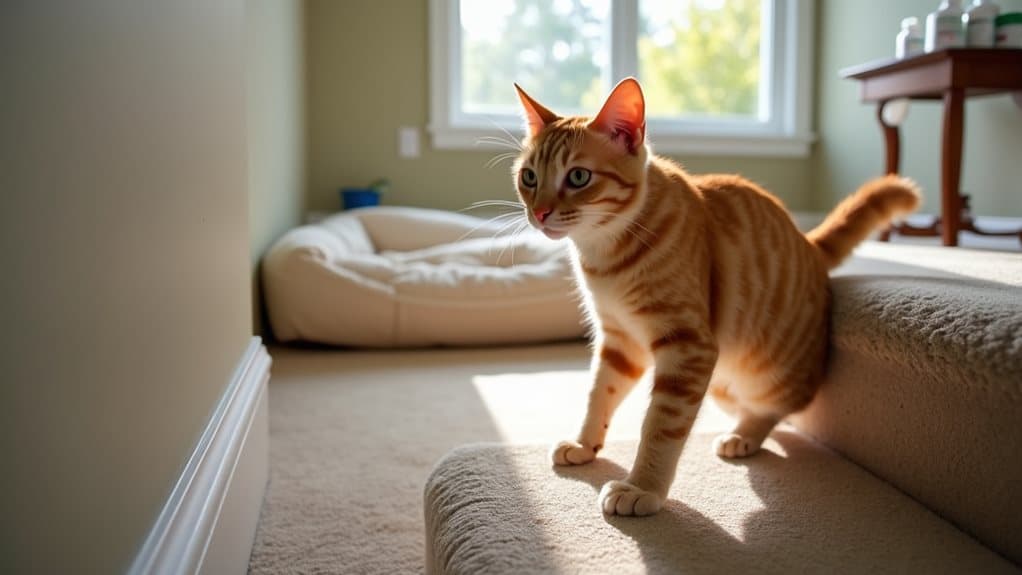
As cats age, their joints frequently develop different forms of arthritis, each affecting their comfort and mobility in unique ways. You’ll notice your feline friend becoming less playful or struggling to jump onto favorite perches. The most common type is osteoarthritis, which gradually wears down joint cartilage, but other varieties can affect your cat too. It’s also essential to monitor behavioral changes, as indicators similar to those seen in Hypertrophic Cardiomyopathy may hint at underlying discomfort related to arthritis.
| Type of Arthritis | Symptoms | Management |
|---|---|---|
| Osteoarthritis | Stiffness, reduced jumping | Joint supplements, gentle play |
| Inflammatory | Swollen, warm joints | Prescription medication, weight management |
| Secondary | Limping, favoring a limb | Environmental modifications, comfortable bedding |
Maintaining your cat’s feline mobility often requires a multi-faceted approach. Quality joint supplements containing glucosamine and chondroitin can help support cartilage health, while creating accessible spaces around your home guarantees your senior kitty can maneuver comfortably despite arthritis challenges.
Diagnostic Approaches: How Veterinarians Identify Feline Joint Disease
Your vet’s detective work starts with careful physical examination, feeling your cat’s joints for swelling, heat, or pain during movement. X-rays and sometimes more advanced imaging like CT scans or MRIs can reveal the extent of joint damage, helping your vet see what’s happening beneath the surface. Blood tests round out the diagnostic picture, ruling out other conditions and measuring inflammation markers that might point to arthritis or related joint diseases. Additionally, regular vet visits are crucial for early detection of health issues, ensuring that any signs of arthritis are addressed promptly.
Physical Exam Techniques
Four distinct physical examination techniques help veterinarians detect arthritis in cats, even when our feline friends try their best to hide their discomfort.
Your vet will use careful palpation techniques to feel each joint for swelling, heat, or pain. They’ll also assess joint mobility by gently flexing and extending limbs to identify restricted movement.
During these exams, your cat’s behavior provides essential clues.
Watch for:
- Subtle flinching when specific joints are touched
- Resistance to certain movements they previously tolerated
- Changes in posture or weight distribution while standing
Veterinarians may also check for inappropriate urination as an indicator of underlying issues during the examination, which can sometimes signal additional health problems in aging cats.
You’ll be amazed at how much information a skilled veterinarian can gather during these hands-on evaluations.
Imaging Methods Explained
Physical examination tells only part of the story when it comes to feline arthritis. To get the complete picture, your veterinarian will likely recommend various imaging techniques that reveal what’s happening beneath your cat’s fur and skin.
X-rays are the most common diagnostic tools, showing bone changes, joint narrowing, and potential spurs that develop with arthritis.
For more complex cases, your vet might suggest advanced options like ultrasound, which helps evaluate soft tissues around the joint, or CT scans that provide detailed 3D images of your cat’s skeletal structure.
Don’t be surprised if your furry friend needs to be sedated during these procedures—cats aren’t exactly known for staying perfectly still on command! Regular flea treatment is also important to prevent discomfort from flea bites that can exacerbate joint pain.
While these tests might seem extensive, they’re crucial for creating the most effective treatment plan for your aging companion.
Diagnostic Blood Tests
Blood work serves as a vital piece of the diagnostic puzzle when veterinarians investigate feline arthritis.
When your cat shows signs of discomfort, specific blood tests can reveal important clues about what’s happening in their joints. These tests measure inflammation markers that often spike when arthritis is present, helping your vet determine the right treatment plan.
Your veterinarian may recommend:
- Complete Blood Count (CBC) – identifies infection or inflammation through white blood cell counts
- Biochemistry Profile – examines organ function and rules out conditions that mimic arthritis
- Specialized Inflammatory Marker Tests – checks for C-reactive protein and other indicators specific to joint inflammation. Additionally, maintaining a balanced diet is crucial for supporting overall joint health in aging felines.
Nutritional Support: Specialized Diets and Supplements
Proper nutrition serves as a cornerstone in managing your cat’s arthritis, often making a significant difference in their comfort and mobility.
The nutritional benefits of specialized diets can’t be overstated—they’re specifically formulated with anti-inflammatory ingredients that help reduce joint pain and swelling. You’ll want to look for foods rich in omega-3 fatty acids, which naturally fight inflammation.
Making dietary adjustments doesn’t have to be complicated. Start by shifting your furry friend to a prescription joint-health formula gradually over 7-10 days.
Many cat parents also find success with supplements like glucosamine and chondroitin, which support cartilage repair. Remember, though, that not all supplements are created equal—always chat with your vet before adding anything new to your cat’s regimen. Additionally, ensuring a balanced diet with adequate hydration is essential for maintaining overall skin health, which can also affect joint condition.
Medication Options for Managing Feline Arthritis Pain
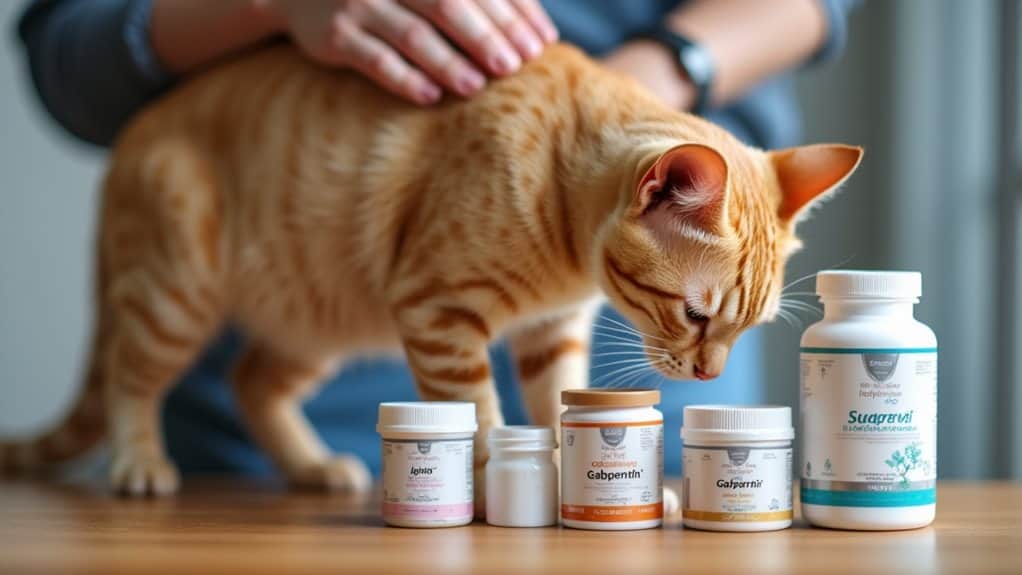
When your cat struggles with arthritis pain, medication often becomes a necessary part of their treatment plan.
Medication provides crucial relief when arthritis pain begins affecting your cat’s quality of life.
Working with your veterinarian, you’ll discover several options that balance effectiveness with safety for your feline friend. Many cat parents combine prescription medications with natural remedies for thorough pain management.
Your vet might recommend:
- NSAIDs specifically formulated for cats (never use human pain relievers!)
- Gabapentin or amitriptyline for nerve-related pain
- Injectable options like Adequan that help rebuild cartilage
Environmental Modifications to Improve Your Cat’s Mobility
Creating accessible resting spots throughout your home will help your arthritic cat maneuver their environment with less pain and strain. You’ll want to place soft bedding in your cat’s favorite spots and consider adding pet steps or ramps to help them reach higher perches without jumping. Adding slip-proof floor surfaces, like rubber mats or carpet runners on slick floors, can prevent painful falls and give your cat more confidence as they move around your home. Additionally, incorporating vertical spaces such as shelves or cat trees can encourage gentle climbing and exploration, which may help maintain mobility.
Accessible Resting Spots
Comfortable, easily accessible resting spots make a world of difference for arthritic cats who struggle with jumping and climbing.
Your feline friend deserves cozy areas throughout your home where they can rest their achy joints without pain. Consider creating a network of raised platforms at varying heights so your cat can still enjoy different vantage points without making difficult leaps.
- Place soft, cozy bedding in sunny spots near windows where your cat can warm their joints while watching the outside world.
- Create “stepping stone” furniture arrangements that allow your cat to reach favorite perches without big jumps.
- Position pet stairs or ramps near beds and couches so your cat can still cuddle with you without painful climbing. Additionally, incorporating comfortable resting spots helps reduce stress on their joints and contributes to their overall well-being.
Slip-Proof Floor Surfaces
Slippery floors pose a considerable challenge for cats with arthritis, as their already painful joints suffer even more when they can’t gain proper traction. You’ll notice your arthritic feline avoiding hardwood, tile, or linoleum surfaces that once weren’t obstacles. Installing non-slip mats in high-traffic areas provides immediate relief and confidence for your furry friend.
Consider these flooring options to help your cat maneuver your home more comfortably:
| Area | Best Options | Benefits | Installation Difficulty | Cost |
|---|---|---|---|---|
| Hallways | Carpet runners | Excellent traction | Easy | $ |
| Stairs | Carpet treads | Prevents falls | Moderate | $$ |
| Living room | Area rugs | Warm, soft surface | Easy | $$ |
| Kitchen | Non-slip mats | Washable | Easy | $ |
| Bathroom | Textured tiles | Water-resistant grip | Difficult | $$$ |
Physical Therapy and Alternative Treatments for Arthritic Cats
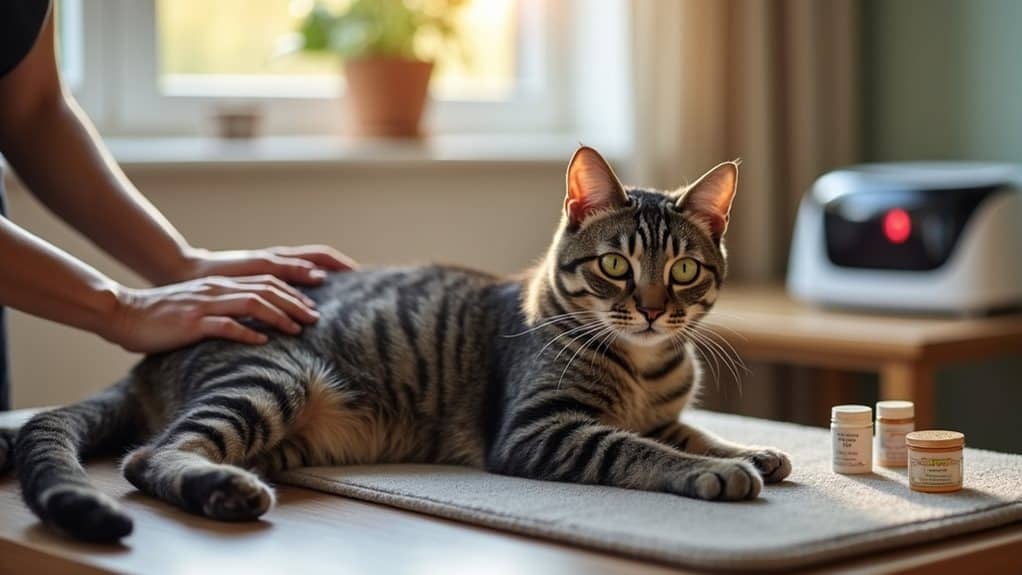
While medication plays a crucial role in managing feline arthritis, physical therapy and alternative treatments can greatly enhance your cat’s comfort and mobility.
You’ll find that gentle massage using acupressure techniques can help release tension in your pet’s stiff joints, while some specialized veterinary centers offer hydrotherapy benefits in shallow, warm water that allows your cat to move without putting weight on painful joints.
Consider exploring these additional options for your arthritic feline friend:
- Laser therapy sessions that reduce inflammation and promote healing
- Customized stretching routines that your vet can demonstrate for at-home care
- Heat therapy with warm (not hot) compresses to soothe aching joints
Always consult with your veterinarian before starting any new treatment to verify it’s appropriate for your cat’s specific condition.
Weight Management: A Critical Factor in Joint Health
Maintaining ideal weight stands as one of the most powerful ways you can help your arthritic cat find relief.
Every extra pound puts considerable stress on your cat’s already painful joints, making weight loss essential for improving mobility and comfort.
Each extra ounce burdens arthritic joints, making weight management crucial for your cat’s pain relief and movement.
You’ll need to work closely with your vet to create a customized diet plan.
Cutting calories too quickly can be dangerous, so patience is key in this process.
Gentle exercise routines complement dietary changes—think short play sessions with feather toys or food puzzles that encourage movement without strain.
Creating a Comprehensive Care Plan for Your Arthritic Cat
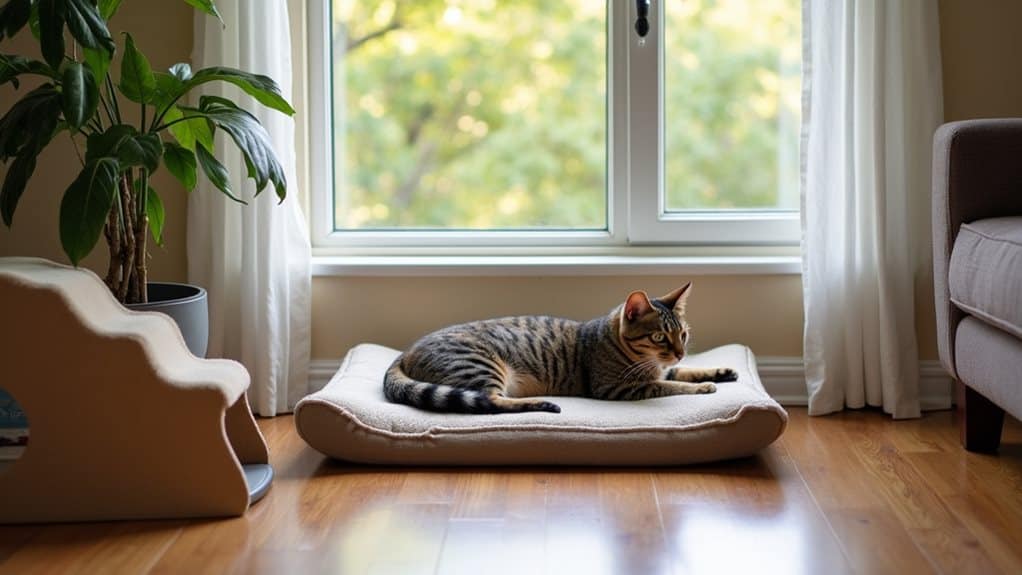
Your cat’s arthritis care plan should include a mix of pain management strategies, from prescription medications to natural supplements, working together to provide relief.
You’ll need to make daily adjustments to your home, such as adding ramps to favorite perches, placing litter boxes on each floor, and using soft bedding in quiet, warm spots.
These thoughtful changes, combined with consistent pain management, will help your furry friend maneuver through life more comfortably despite their joint challenges.
Multi-Modal Pain Relief
Because arthritis pain can affect cats in complex ways, a thorough approach to pain management often works best.
You’ll find that combining treatments creates more relief for your feline friend than relying on just one method. Talk with your vet about creating a customized pain management strategy that addresses all aspects of your cat’s discomfort.
Consider these powerful combinations:
- Medication plus acupuncture therapy to target both systemic inflammation and specific pain points
- Physical therapy alongside nutritional supplements to improve mobility and joint health
- Environmental modifications paired with hydrotherapy benefits for strengthened muscles without joint stress
Environment Adaptations Daily
Simple changes to your home environment can dramatically improve life for an arthritic cat. Start by making sure your feline friend can access their favorite spots without painful jumping. Place ramps or steps near beds, sofas, and windowsills where they love to perch.
Consider replacing tall cat furniture with lower, more accessible options that don’t require strenuous climbing.
Strategic placement of raised platforms throughout your home creates a network of comfortable resting spots where your cat can observe household activities without feeling isolated.
Warm, padded beds in draft-free areas will ease joint stiffness, especially during colder months.
Don’t forget to position food, water, and litter boxes in easily accessible locations—no struggling up or down stairs!
These thoughtful adaptations show your furry companion that while their body is changing, your love and care remain constant.
Frequently Asked Questions
Can Cats Develop Arthritis From Injuries Sustained When Younger?
Yes, your cat can develop arthritis from past injuries. Early trauma greatly impacts joint health, creating instability and inflammation that may accelerate degenerative changes as they age. You’ll notice stiffness in previously injured areas.
Is Arthritis Hereditary in Certain Cat Breeds?
Like father, like son! Yes, arthritis can be hereditary in certain cat breeds. You’ll find breed predisposition plays a noteworthy role, with Maine Coons, Persians, and Scottish Folds having stronger hereditary factors for joint issues.
How Often Should Arthritic Cats Visit the Veterinarian?
You should schedule veterinary assessments every 3-6 months for your arthritic cat. More frequent visits may be needed based on pain severity and medication adjustments. Follow your vet’s specific frequency recommendations for best care.
Can Indoor-Only Cats Still Develop Severe Arthritis?
Yes, your cozy house cat can still develop severe arthritis. Despite their indoor lifestyle, genetics, obesity, and natural aging impact joint health. Indoor cats often live longer, giving arthritis more time to progress.
Will My Arthritic Cat Benefit From Specialized Bedding?
Yes, your arthritic cat will benefit from specialized bedding. Orthopedic beds with memory foam provide essential joint support, reducing pressure on painful areas. You’ll notice your cat sleeping more comfortably and moving easier afterward.
Final Thoughts
You’ll find that managing your cat’s arthritis isn’t just about medication—it’s about creating a thorough approach to care. While some believe older cats simply “slow down,” you’re now equipped to recognize the difference between aging and pain. With the right diet, environment modifications, and veterinary partnership, you can dramatically improve your feline friend’s comfort and quality of life. Your attentiveness makes all the difference in your cat’s golden years!