The Best Fluffy Pancakes recipe you will fall in love with. Full of tips and tricks to help you make the best pancakes.

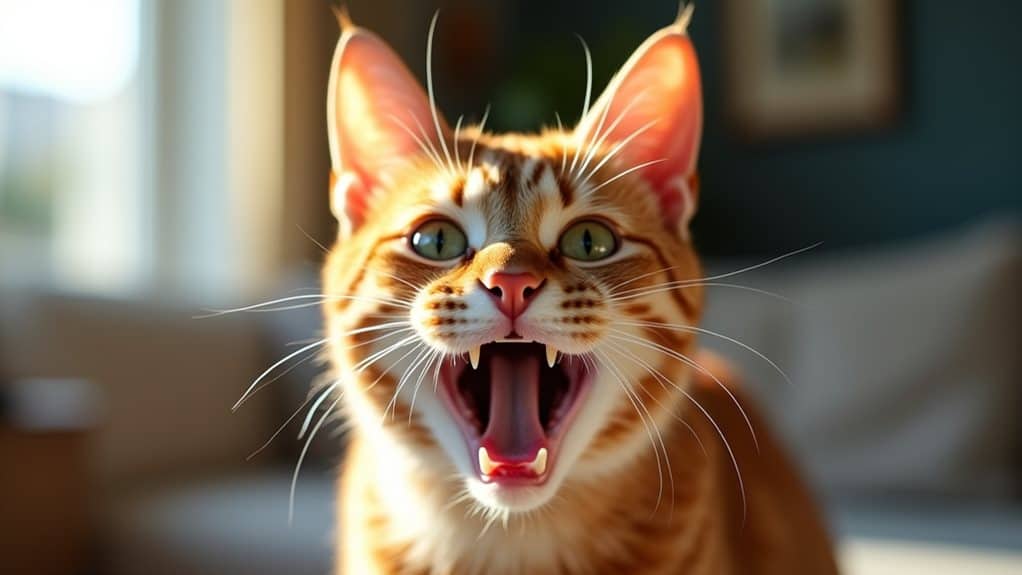
Your cat’s constant meowing might stem from basic needs like hunger or thirst, underlying medical issues, or emotional distress. Age plays a role too—kittens meow for attention while seniors may vocalize due to cognitive changes. Some breeds, like Siamese cats, are naturally more talkative than others. Try establishing consistent feeding schedules, providing enrichment activities, and using positive reinforcement to manage excessive vocalizations. Understanding your feline friend’s unique communication style will help you respond more effectively to their needs.
Physical Needs: Hunger, Thirst, and Discomfort
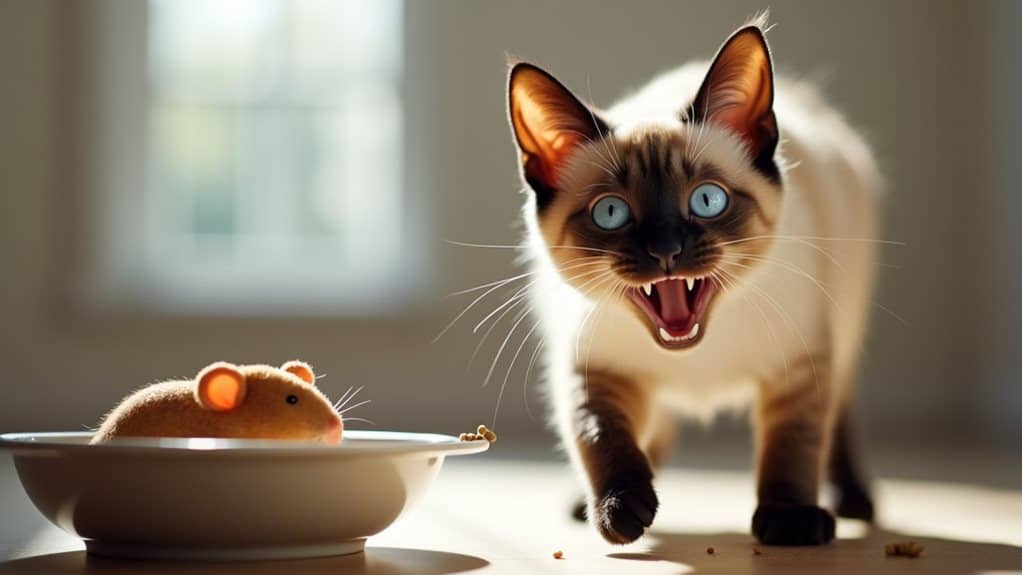
When your cat won’t stop meowing, physical needs are often the first culprit to investigate. Cats are creatures of routine who aren’t shy about expressing hunger signals through persistent vocalizations. Your feline friend might be telling you their bowl is empty, dinner is late, or they simply crave more food than you’re providing.
Beyond hunger, thirst cues can trigger excessive meowing. Check if their water bowl needs refilling or cleaning – some cats are particular about water freshness.
Discomfort is another common cause. Is your cat showing signs of pain when they move or meow? Are they using their litter box normally? Perhaps they’re feeling too hot, too cold, or their favorite napping spot is suddenly inaccessible. Additionally, if your cat’s discomfort stems from a health issue such as urinary tract infections, it’s crucial to seek veterinary assistance promptly.
Medical Conditions That Trigger Excessive Vocalization
Your cat’s constant meowing might actually be signaling an underlying medical issue that needs attention.
Cats experiencing pain or discomfort, whether from arthritis, dental problems, or internal conditions, often vocalize more frequently as their way of communicating distress.
In older cats, Cognitive Dysfunction Syndrome (similar to dementia in humans) can cause confusion and increased meowing, especially during nighttime hours when they might feel disoriented. Additionally, zoonotic respiratory infections can also affect a cat’s overall health and well-being, potentially leading to changes in vocalization patterns.
Pain and Discomfort
Pain and underlying medical conditions frequently cause persistent meowing in cats who can’t tell you directly when something hurts.
Your feline friend relies on vocalization as one of their primary pain indicators when they’re suffering. Watch for changes in your cat’s normal meowing patterns, as these discomfort signals often represent their way of asking for help.
Common pain-related causes of excessive meowing include:
- Arthritis, which affects over 90% of cats over 12 years old
- Dental disease causing sharp pain when eating
- Urinary tract infections or blockages, especially common in male cats
Additionally, fleas transmit serious diseases that can lead to discomfort and pain, further contributing to excessive vocalization. If your usually quiet cat suddenly becomes vocal, or if their meowing sounds different than usual, it’s time for a vet visit.
Trust your instincts—you know your cat’s normal behavior better than anyone else.
Cognitive Dysfunction Syndrome
As cats age, many develop a condition similar to dementia in humans called Cognitive Dysfunction Syndrome (CDS), which often manifests through increased, sometimes bizarre vocalizations.
You might notice your senior kitty meowing loudly at night or appearing disoriented in familiar surroundings—classic signs of cognitive decline. This isn’t just your cat being difficult; it’s their brain changing.
Your once-predictable feline companion may suddenly display unusual behavior like staring at walls or meowing into empty corners.
These symptoms typically worsen at night when their confusion peaks. If your cat is over 10 years old and has started this excessive vocalization alongside other behavioral changes, it’s time for a veterinary visit.
While CDS can’t be cured, medications and environmental adjustments can help manage symptoms and improve your aging cat’s quality of life. Additionally, observing vocalizations in context can reveal underlying emotional states or needs in aging cats that may require attention.
Stress and Anxiety-Related Meowing
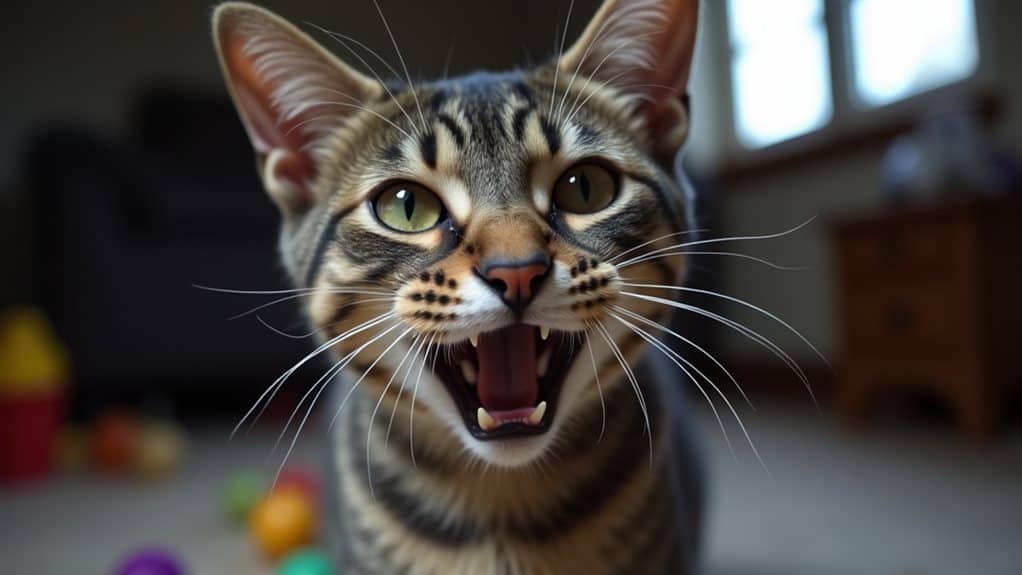
Your cat’s constant meowing might be their way of expressing stress from sudden changes in their environment, like new furniture, a different schedule, or the arrival of another pet.
You’ll notice this anxiety-related vocalization often increases when you’re preparing to leave, as cats can develop separation distress just like dogs.
If your feline friend follows you around the house crying, especially before departures or after moving homes, they’re likely experiencing emotional turmoil that needs your gentle attention. Establishing a calming nighttime routine can help alleviate some of this stress and promote a more relaxed environment for your cat.
Environmental Changes Trigger
When cats experience sudden changes in their environment, they often respond with excessive meowing as a way to express their discomfort or anxiety. Your feline friend relies on routine and familiar environmental stimuli to feel secure in their territory.
When you rearrange furniture, move to a new home, or make notable habitat adjustments, your cat might become vocally distressed.
Watch for these common triggers:
- New people or pets entering your home
- Moving furniture or changing room layouts
- Construction noise or home renovations
You’ll need patience during these changes.
Try creating safe spaces where your cat can retreat when feeling overwhelmed. Providing familiar items like their favorite bed or toys can help ease the adjustment period. Additionally, understanding your cat’s natural territorial behavior can aid in reducing their stress during these transitions.
Separation Distress Signs
Beyond environmental shifts, many cats struggle with being apart from their humans. If your feline friend howls or meows excessively when you’re preparing to leave or shortly after your departure, separation anxiety might be the culprit. This distress can manifest as persistent vocalizations that sound more urgent or mournful than their typical meows.
You can help ease your cat’s separation anxiety by leaving comfort items with your scent, such as unwashed clothing or bedding. Creating predictable routines around departures and gradually accustoming your cat to alone time can also reduce their stress. Some cats benefit from interactive toys or puzzle feeders that provide distraction during your absence, as these can offer essential emotional support to alleviate anxiety.
Age-Related Changes in Cat Communication
As cats expedition through different life stages, their vocal patterns often transform in notable ways. Your kitten’s constant meowing differs dramatically from your senior cat’s communication style. Understanding these age-related changes can help you respond appropriately to your feline friend’s evolving needs.
- Young kittens meow frequently to signal hunger, discomfort, or desire for attention—this kitten behavior typically decreases as they mature.
- Adult cats generally meow less but develop more sophisticated vocalizations targeted specifically to communicate with their humans.
- Senior cats often increase their meowing due to cognitive changes, sensory decline, or health issues—this shift in senior communication might include louder, more persistent calls, especially at night. Additionally, an increase in vocalization may signal a need for comfort and security, as these cats may seek reassurance from their human companions.
If your older cat has suddenly become more vocal, a veterinary check-up might be needed to rule out medical causes for this change.
Breed-Specific Vocalization Patterns
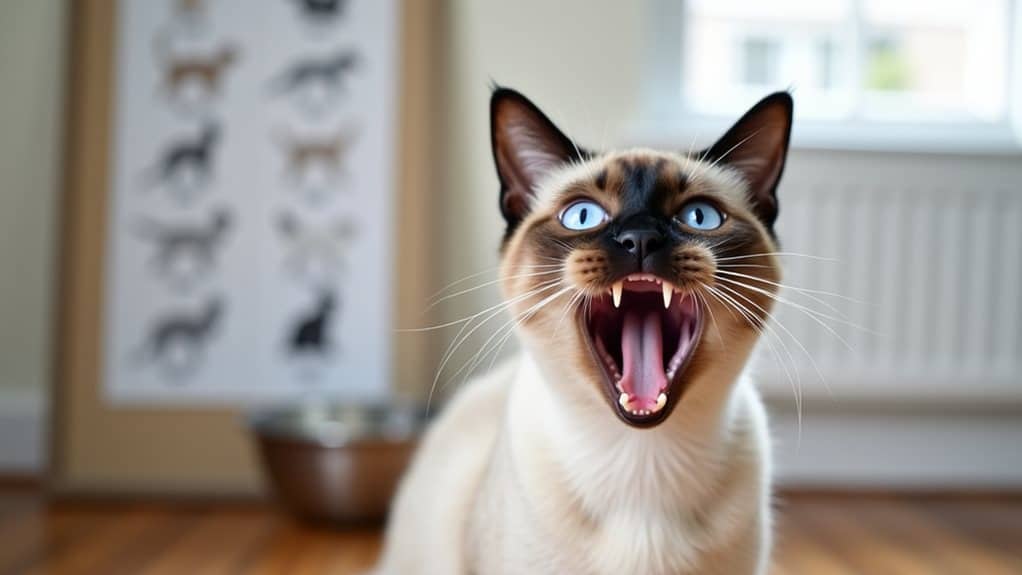
Different cat breeds have unique “vocal personalities” that might explain why your feline friend won’t stop chatting.
If you’ve adopted a Siamese, you’re probably familiar with their legendary vocalization patterns—these chatty kitties are known for their loud, persistent “conversations” that can sound almost human-like at times.
On the other end of the spectrum, Maine Coon sounds tend to be softer and more melodic, often described as chirps or trills rather than traditional meows.
These gentle giants mightn’t be as loud as their Siamese counterparts, but they’re still quite communicative in their own way.
Understanding your cat’s breed-specific tendencies can help you determine whether your pet’s constant meowing is simply part of their genetic makeup or potentially a sign of something else. Additionally, various factors beyond breed, such as individual personality traits, can significantly influence a cat’s vocal behavior.
Effective Strategies to Address Persistent Meowing
When your cat’s vocal tendencies become overwhelming, it’s time to explore some practical solutions. Understanding communication cues between you and your feline friend is crucial for restoring peace in your home.
Through consistent behavioral training, you can redirect excessive meowing into more positive interactions.
- Establish a routine feeding schedule to eliminate hunger-related meowing, and stick to it even on weekends to avoid confusion.
- Ignore attention-seeking vocalizations completely—even negative attention rewards the behavior!
- Create enrichment opportunities with puzzle toys, window perches, and interactive play sessions to reduce boredom-related meowing. Additionally, consider using positive reinforcement to reward your cat for quiet behavior during training.
Frequently Asked Questions
Can Cats Lose Their Voice From Excessive Meowing?
Yes, your cat can lose their voice from excessive meowing. Overuse can strain their vocal cords, leading to temporary hoarseness. If it persists, it may indicate underlying health issues requiring veterinary attention.
Do Indoor Cats Meow More Than Outdoor Cats?
Like prisoners at roll call, indoor cats often meow more than their outdoor counterparts. You’ll notice this increased vocalization stems from their indoor behavior replacing outdoor instincts—they’re communicating needs they’d otherwise satisfy independently outside.
Is Constant Meowing a Sign of Intelligence?
Constant meowing isn’t necessarily a sign of intelligence. Your cat’s vocal behavior is simply their preferred feline communication method. They’re expressing needs, not demonstrating superior intellect. Some smart cats are actually quite quiet.
Can I Train My Cat to Meow Less?
Yes, you can train your cat to meow less. Identify common meowing triggers and modify your responses. Don’t reward excessive vocalization habits with attention. Instead, reward quiet behavior and address any underlying health issues.
Should I Respond Every Time My Cat Meows?
No, don’t respond to every meow. You’ll reinforce demanding vocal communication patterns. Instead, reward quiet feline behavior and respond selectively to legitimate needs. This helps your cat learn appropriate ways to communicate with you.
Final Thoughts
You’ve now got the tools to decode your chatty feline friend. While some experts claim all meowing is attention-seeking, the truth is more complex—your cat’s vocalizations often signal genuine needs. Whether it’s hunger, illness, or simply their chatty personality, don’t ignore persistent meowing. With patience and the right approach, you’ll soon understand your cat’s unique language and strengthen your bond along the way.