The Best Fluffy Pancakes recipe you will fall in love with. Full of tips and tricks to help you make the best pancakes.

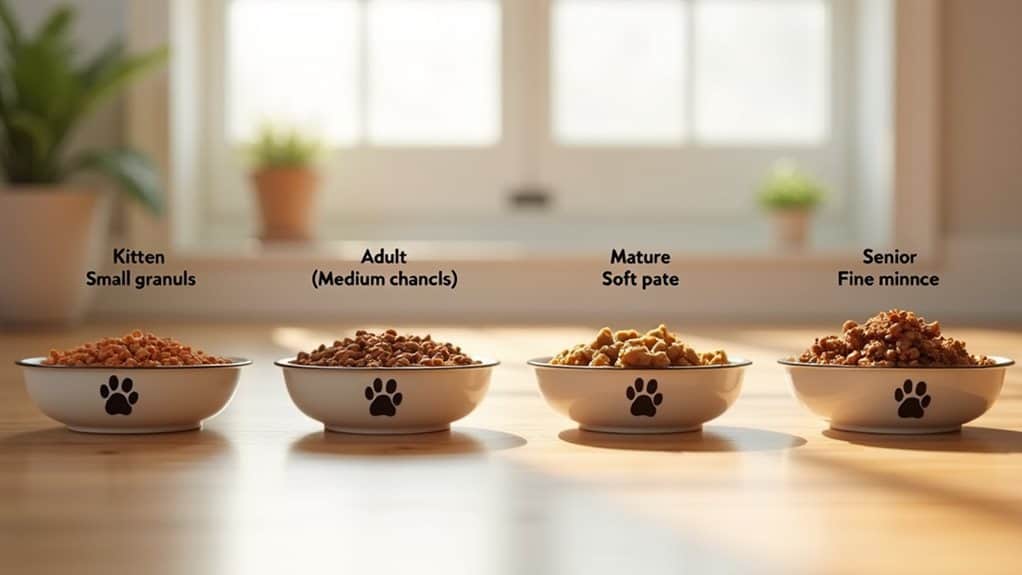
Your cat’s nutritional needs change dramatically as they age. Kittens need protein-rich food with higher calories for rapid growth, while adult cats require balanced maintenance diets to prevent weight gain. As your cat becomes a senior, they’ll need fewer calories but more specialized nutrition for joint health and digestion, often with softer textures for dental comfort. Adjusting their diet at each life stage—with proper hydration throughout—will help them thrive from playful kitten days to dignified senior years.
Developmental Stages in Feline Nutrition
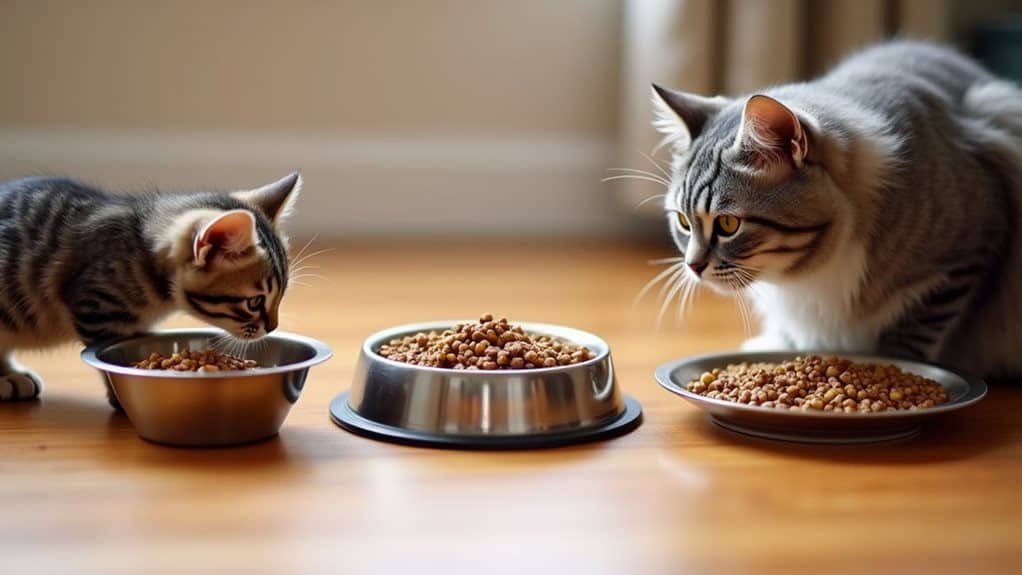
As your kitten grows into a mature cat, you’ll notice their nutritional needs changing dramatically at each stage of life. Throughout the feline life cycle, their bodies adapt to different energy requirements and nutrient absorption capabilities.
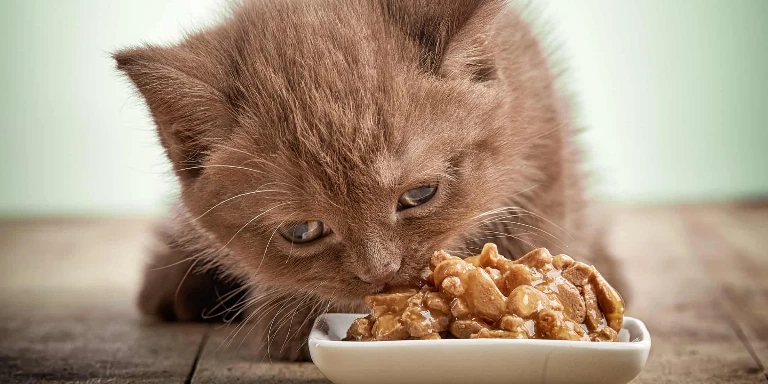
When your cat is a playful kitten, they’ll need more calories and protein to fuel their boundless energy and development. The weaning process is crucial in this early stage to ensure proper growth and development.
During adolescence, around 6-12 months, you’ll want to gradually shift them to adult food as their growth rate slows.
Adult cats typically need a balanced maintenance diet, while pregnant or nursing queens require extra nutrition again.
As your furry friend enters their golden years (typically after age 7), they’ll benefit from senior-specific formulations with adjusted nutrients that support aging joints and organs.
You’re their nutritional guardian at every stage!
Kitten Nutrition: Building Blocks for Growth
When your kitten first comes home, their nutritional needs will differ considerably from adult cats. Your fuzzy new family member is in a critical development phase, requiring specific nutrients to support their rapid growth milestones.
You’ll want to provide high-quality kitten food that’s rich in protein, healthy fats, and vital amino acids like taurine. These nutrients fuel their developing muscles, organs, and brain. It’s amazing how quickly kittens transform—they’ll typically triple their weight in just the first few months! Additionally, ensuring adequate hydration is crucial for their overall health and development, as it supports their active lifestyle and helps maintain proper bodily functions.
Feed your kitten 3-4 small meals daily until they’re about six months old. This frequent feeding schedule supports their tiny stomachs while maintaining consistent energy levels for all that playful pouncing.
Adult Cat Dietary Requirements
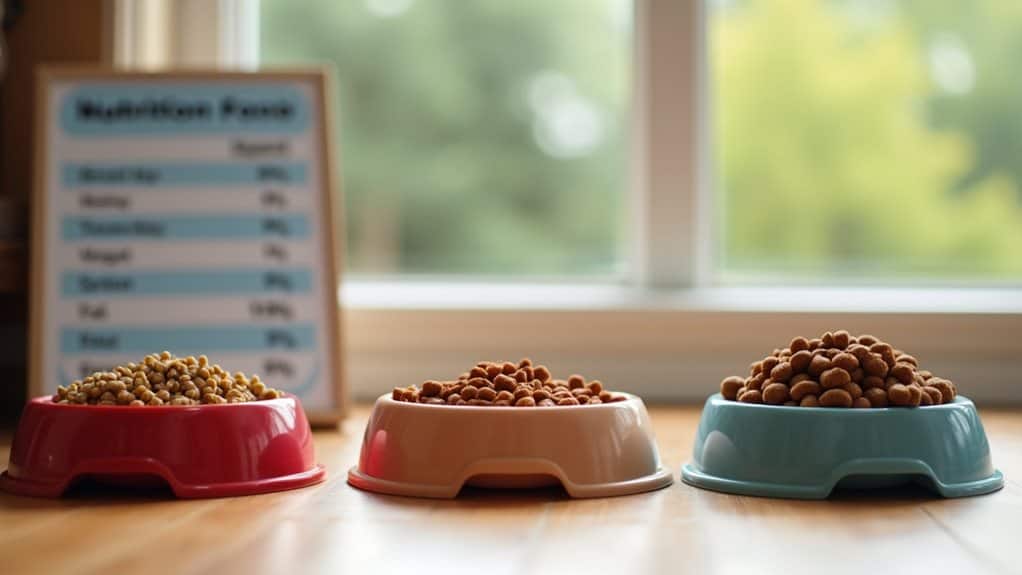
Once your kitten matures into adulthood (typically around 12 months), their nutritional needs shift dramatically.
As your playful kitten becomes a grown cat, their dietary requirements undergo a significant transformation.
You’ll need to adjust their diet to maintain—not grow—their body systems. Adult cats require balanced nutrition with specific attention to quality protein sources and appropriate calorie levels to prevent weight gain.
Your adult cat’s diet should include:
- High-quality protein sources like chicken, turkey, or fish to support muscle maintenance
- Moderate fat content for energy without excess calories
- Appropriate fiber benefits for digestive health and hairball control
- Crucial vitamins and minerals to support immune function
In addition, monitoring urinary health is essential to ensure their overall well-being as they age.
Senior Cat Feeding Strategies
Senior cats enter a new phase of nutritional needs that you’ll want to carefully consider. As your feline friend ages, they’ll typically require fewer calories but more specialized nutrition to support aging joints and systems. You should look for senior-formulated foods with higher protein quality and appropriate fat levels.
Senior hydration becomes increasingly critical as cats age. Many older cats develop kidney issues, so you’ll want to encourage water intake by providing fresh water in multiple locations or considering a cat fountain that entices them to drink more. Regular access to water is vital for preventing dehydration and supporting healthy skin.
Don’t forget about dental health! Soft foods might be necessary if your senior cat has lost teeth or experiences mouth pain. You can alternate between wet food and specially designed dry kibble that helps clean teeth while being gentle on sensitive gums.
Transitioning Between Life Stage Diets

Shifting your cat between life stage diets requires patience and careful planning to avoid digestive upset. When making dietary changes, gradual alterations over 7-10 days will help your furry friend adapt without tummy troubles. Mix increasing amounts of new food with decreasing amounts of the old formula until the switch is complete.
For successful nutrient adjustments between life stages, remember these key points:
- Monitor your cat’s weight and energy levels during changes
- Consult your vet before switching from adult to senior formulas
- Add a little warm water to new kibble to improve aroma and appeal
- Keep feeding schedules consistent, even when changing foods
- Ensure that hydration levels are maintained by incorporating wet food into your cat’s diet.
You’ll know the change is successful when your cat maintains healthy bathroom habits and shows enthusiasm at mealtime.
Special Nutritional Considerations for Aging Cats
As your feline companion reaches their golden years, their nutritional needs undergo substantial changes that require thoughtful adjustments to their diet.
Senior cats often struggle with decreased kidney function and joint mobility, making proper hydration needs a top priority. You’ll want to make sure fresh water is always available, and consider adding wet food to their daily meals.
Hydration is key for senior cats—offer plenty of fresh water and incorporate moisture-rich wet food into their diet.
Many aging cats benefit from nutritional supplements targeting specific health concerns. Omega-3 fatty acids can help with inflammation, while glucosamine supports joint health. Ensuring that your senior cat receives a low-sodium diet can also support overall heart health and reduce strain on vital organs.
You might notice your older kitty eating less, so nutrient-dense foods become crucial. Don’t hesitate to consult your vet about tailoring their diet—they might recommend specialized senior formulas with modified protein levels and added taurine.
Recognizing Age-Related Dietary Problems
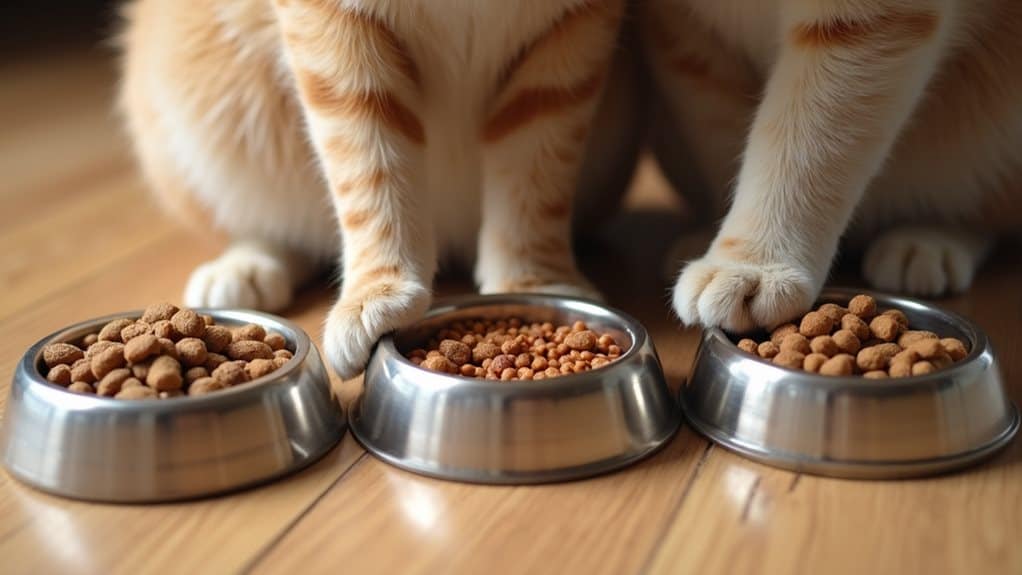
You’ll notice your senior cat’s appetite changing as they age, sometimes becoming pickier or eating less than before.
Your older feline friend might struggle with digestive issues like constipation or increased hairballs, which can affect their nutrition and comfort.
Managing your cat’s weight becomes trickier in their golden years, as metabolism slows down and activity levels decrease, making it crucial to adjust portions and monitor their body condition. Additionally, providing a balanced diet rich in essential fatty acids can help improve coat health and reduce excessive shedding.
Aging Appetite Changes
When your cat reaches its senior years, around 10-12 years old, you’ll likely notice changes in its eating habits and appetite.
These aging appetite shifts can be concerning, but they’re often a normal part of your cat’s life expedition.
Your senior cat’s dietary preferences may evolve in several ways:
- Decreased interest in food due to diminished sense of smell and taste
- Preference for softer foods as dental issues become more common
- Smaller, more frequent meals rather than large portions
- Attraction to warmer food that releases more aroma
Don’t panic if your fluffy friend seems pickier than before!
Most cats become more selective eaters as they age. It’s also important to ensure they stay well-hydrated, as insufficient water intake can lead to serious health issues such as urinary tract problems.
Try warming their food slightly or adding a bit of low-sodium broth to entice them.
Common Digestive Issues
While your cat ages gracefully, digestive issues often become unwelcome companions on their path into senior years.
You’ll notice changes like slower digestion, more frequent hairballs, or even a newfound pickiness with food. These aren’t just quirks—they’re signs your cat’s system needs extra support.
Common allergies may develop later in life, surprising both you and your furry friend. Foods they once devoured might suddenly cause upset stomachs or itchy skin.
Consider adding digestive enzymes to their meals, which can be a game-changer for many senior cats struggling with nutrient absorption. Additionally, ensuring proper hydration is vital for their overall health and can aid digestion as well; incorporating wet food into their diet helps maintain optimal hydration, reducing the risk of several health issues.
Don’t ignore these changes! That occasional vomiting or diarrhea isn’t “just being a cat”—it could signal underlying issues requiring dietary adjustments.
With the right approach, you’ll help your aging companion enjoy mealtime comfortably again.
Weight Management Challenges
As digestive issues become more prevalent, managing your cat’s weight often becomes the next challenge on your aging feline’s health checklist.
Weight control becomes increasingly important as metabolism naturally slows with age, making obesity prevention a priority for your cat’s long-term health.
Consider these age-related weight management strategies:
- Adjust portion sizes gradually as your cat ages, reducing calories while maintaining crucial nutrients.
- Implement interactive playtime daily, even if your senior cat seems less interested.
- Switch to weight-control formulas that offer satiety without excess calories.
- Schedule regular weigh-ins at home or your vet’s office to catch weight changes early.
You’ll notice your cat’s weight fluctuates more easily now than in their younger years. Regular inspections and grooming will help you detect any early signs of weight-related issues.
Staying vigilant about their body condition will help prevent obesity-related complications like diabetes and joint issues.
Tailoring Commercial Foods to Your Cat’s Life Stage

The ever-expanding shelves of commercial cat food can feel like maneuvering through a maze for even the most dedicated pet parent. Understanding your cat’s life stage is your compass through these choices. As your feline shifts from kitten to adult to senior, their nutritional needs evolve dramatically.
Most commercial food options clearly label which life stage they’re designed for. Don’t dismiss these designations—they’re backed by nutritional science customized to your cat’s changing metabolism and health concerns.
| Life Stage | Commercial Food Focus | Key Nutrients |
|---|---|---|
| Kitten | Higher calories, growth support | DHA, protein, calcium |
| Adult | Maintenance, weight control | Balanced protein, moderate fat |
| Senior | Joint support, digestive health | Antioxidants, fiber, omega-3s |
Watch for life stage shifts and adjust your cat’s diet accordingly—your veterinarian can help pinpoint exactly when to make these important changes.
Frequently Asked Questions
Can I Feed My Pregnant Cat the Same Food as Kittens?
Yes, you can feed your pregnant cat kitten food. Kitten food suitability is high for expecting mothers as it provides the extra calories and nutrients needed for proper pregnant cat nutrition during this demanding time.
How Do Indoor-Only Cats’ Nutritional Needs Differ From Outdoor Cats?
Indoor cats burn 20% fewer calories than outdoor cats. Your indoor cat needs fewer calories but the same nutrients. Focus on indoor health with portion control while guaranteeing they get exercise to compensate for reduced outdoor activity.
Should I Feed My Multi-Cat Household Different Foods Based on Age?
Yes, you should provide age-appropriate formulas to meet each cat’s specific nutritional needs. Managing multi-cat dynamics can be challenging, but feeding stations in separate areas will help guarantee each cat receives their proper diet.
How Does Spaying/Neutering Affect My Cat’s Dietary Requirements?
Spaying/neutering triggers hormonal changes that slow your cat’s metabolism. You’ll need to reduce calories by 20-30% after surgery to prevent weight gain. Choose foods designed for sterilized cats to support proper weight management.
Are Raw Food Diets Appropriate for Cats of Specific Age Groups?
Raw diet benefits vary by age. You’ll need careful age considerations for kittens and seniors who require specific nutrients. Consult your vet before starting any raw food regimen to guarantee it’s appropriate for your cat.
Final Thoughts
You’ll find that proper nutrition is your cat’s strongest ally throughout life. As your feline friend shifts from playful kitten to dignified senior, their dietary needs evolve dramatically. By matching their food to their life stage, you’re not merely filling their bowl—you’re adding healthy years to their life. Remember, it’s never too late to improve your cat’s diet, and the purrs of appreciation will be worth every careful choice you make.