The Best Fluffy Pancakes recipe you will fall in love with. Full of tips and tricks to help you make the best pancakes.

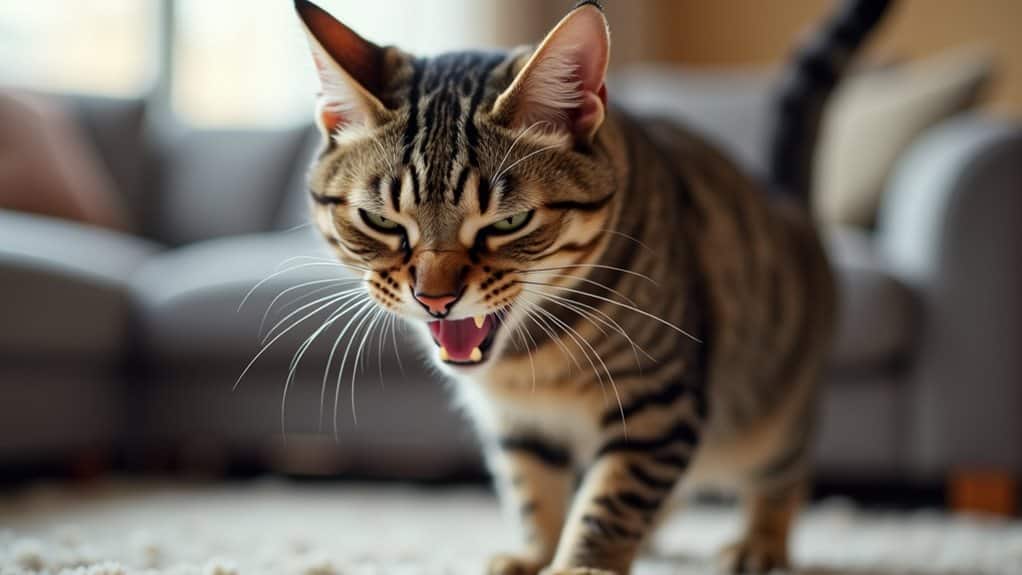
Feline aggression stems from various triggers—playfulness, fear, redirected frustration, or medical issues. You’ll notice warning signs like flattened ears, puffed fur, and tail swishing before your cat strikes. Don’t punish aggressive behavior; instead, identify the underlying cause and use positive reinforcement to modify it. Create a predictable environment with vertical spaces and multiple resource stations to reduce anxiety. Regular vet check-ups are essential, as aggression might signal health problems. The right approach transforms your hissing tornado back into a purring companion.
Types of Feline Aggression: Identifying What You’re Seeing
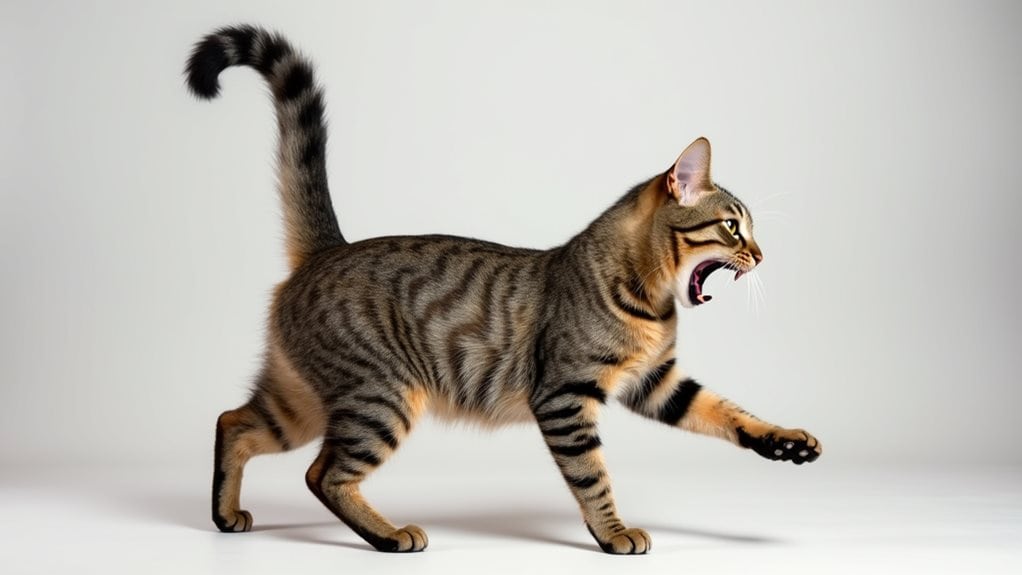
Why does your normally sweet kitty suddenly swat at you when you’re petting her? Cats express aggression for many different reasons, and understanding what’s happening is your first step toward solving the problem.
Playful aggression is common in younger cats and includes pouncing, batting, and light nipping during interactions. It’s usually accompanied by an alert, playful posture with ears forward.
Young cats naturally express playful aggression through gentle batting and nipping, showing their hunting instincts with forward ears and alert postures.
You’ll notice your cat isn’t truly upset but simply engaging in natural hunting behaviors.
Fear-based aggression, however, looks quite different. Your cat might flatten her ears, puff up her fur, or hiss before striking.
This defensive reaction happens when she feels threatened or cornered. Many cats will give warning signs before lashing out, like tail swishing or skin twitching. Recognizing fear aggression can help you implement effective strategies to manage and reduce conflict between your cats.
The Science Behind Cat Aggression: Instinct vs. Learned Behavior
Your cat’s aggressive behavior stems from both genetic predisposition and what they’ve learned through experience.
You’ll notice certain triggers, like unfamiliar visitors or loud noises, can activate your cat’s natural fight-or-flight response, even in the most laid-back felines.
Understanding these biological and environmental factors will help you address aggression more effectively, whether it’s rooted in your cat’s DNA or picked up from past interactions. Implementing positive training techniques can significantly aid in managing and reducing this behavior.
Genetic Predisposition Factors
Three primary genetic factors influence your cat’s tendency toward aggression, and they’re hardwired long before your feline friend ever steps foot in your home.
While research on feline genetic markers is still evolving, scientists have identified inherited traits that may predispose certain cats to more reactive behaviors.
First, breed-specific tendencies play a notable role—some breeds naturally display more territorial or defensive behaviors than others.
Second, your cat’s parental temperament matters; kittens often inherit behavioral patterns from their parents, especially from mom.
Third, gender can impact aggression, with intact males typically showing more territorial and competitive behaviors than females or neutered males.
Understanding these genetic foundations doesn’t mean aggressive behavior is inevitable, but it helps you recognize that some of your cat’s reactions stem from deeply rooted instincts rather than training failures. Additionally, recognizing the nuances of cat huffing behaviors can provide valuable insights into understanding their emotional state and needs.
Environmental Triggers Explained
While genetic factors establish the baseline for your cat’s temperament, environmental triggers frequently determine when and why aggressive behaviors actually manifest. Understanding these triggers is crucial for managing your cat’s aggression effectively. Your home environment greatly impacts feline behavior, often in ways you might not realize.
| Trigger Type | Common Examples | Management Approach |
|---|---|---|
| Territorial | New pets, visitors | Gradual introductions |
| Fear-based | Loud noises, unfamiliar objects | Create safe spaces |
| Redirected | Inaccessible targets | Remove frustration sources |
You’ll notice that many aggression triggers stem from changes in your cat’s surroundings. When your normally sweet kitty suddenly hisses or swats, they’re likely responding to something in their environment that feels threatening. By identifying these specific triggers, you can modify your home to reduce stress and minimize aggressive episodes. Additionally, fostering a cat-centric environment can help in alleviating potential stressors that lead to aggression.
Environmental Triggers That Spark Aggressive Episodes
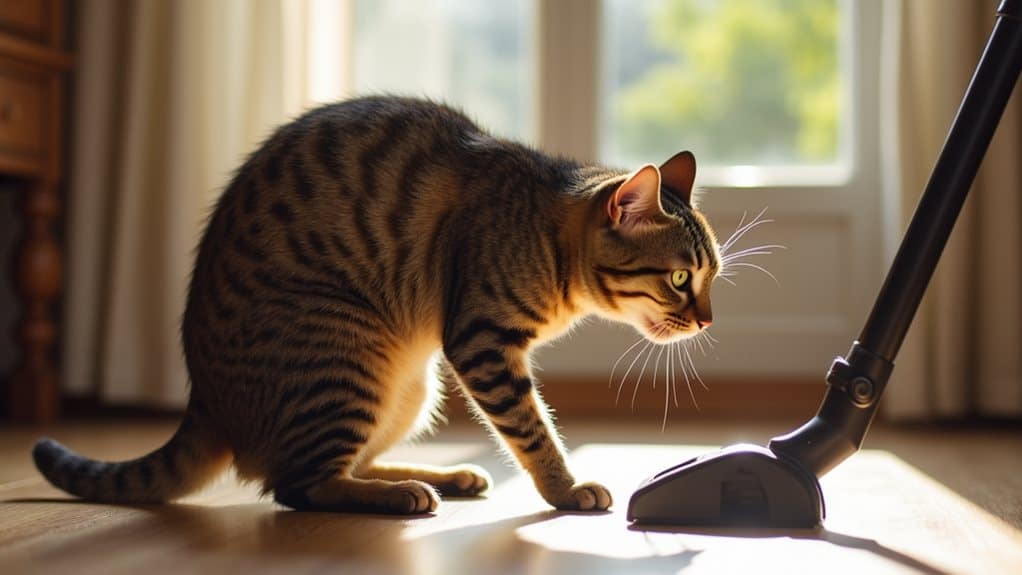
Your cat might turn aggressive when crammed into tight living spaces without enough territory to call their own.
You’ll notice how unexpected loud noises, like thunderstorms or vacuum cleaners, can trigger your usually calm kitty into a defensive state.
When you disrupt your cat’s daily rhythm with inconsistent feeding times or play schedules, you’re unknowingly setting the stage for potential aggressive outbursts. Providing environmental enrichment can help alleviate anxiety and reduce aggression in your feline friend.
Insufficient Territory Space
When cats lack adequate space to call their own, frustration and aggression often follow. Your feline friend naturally needs territory to patrol, mark, and claim as exclusively theirs.
In multi-cat households, territorial disputes become inevitable when square footage feels cramped to your cats, even if it seems spacious to you.
You’ll notice the warning signs: excessive spraying, ambushing other cats at resources, or defensive posturing in hallways.
Space enrichment is your best solution—create vertical territory with cat shelves and tall scratching posts. Remember, cats think three-dimensionally!
Even in smaller homes, you can expand their territory by adding perches near windows, designated hiding spots, and multiple resource stations (litter boxes, food bowls, water) throughout your home.
Additionally, providing vertical spaces can significantly enhance their environment and reduce territorial conflict.
Your cat’s aggression may simply be their way of saying, “I need more space!”
Loud Noises Impact
Cats possess extraordinarily sensitive hearing that makes them particularly vulnerable to loud noise stress. When your feline friend encounters loud sounds like thunderstorms, construction work, or even vacuum cleaners, they may display aggressive behaviors as a protective response. You’ll notice their stress through dilated pupils, flattened ears, and sometimes hissing or swatting.
| Noise Type | Common Feline Reactions |
|---|---|
| Thunderstorms | Hiding, aggression toward owners |
| Vacuum cleaners | Swatting, hissing, running away |
| Loud music | Ear flattening, nervous pacing |
| Fireworks | Extreme hiding, possible aggression |
Understanding these triggers helps you create a safer environment. Try creating quiet zones in your home where your cat can retreat during noisy events. Remember, what seems moderately loud to you might be painfully intense for your cat’s sensitive ears. Providing a consistent routine can also help alleviate their stress during loud events.
Inconsistent Routines
Although many pet owners don’t realize it, abrupt changes in daily routines can trigger considerable stress and aggressive responses in domestic cats. Your feline friend thrives on routine stability, finding comfort in knowing when meals, playtime, and cuddle sessions occur.
When you suddenly alter these patterns, your cat may express frustration through hissing, swatting, or even biting.
The importance of predictability can’t be overstated in your cat’s emotional wellbeing. If you need to make changes, introduce them gradually. For example, if you’re switching feeding times, adjust by 15-minute increments over several days.
You’ll notice your cat responding positively to this thoughtful approach! Remember, maintaining consistent routines isn’t just about convenience—it’s a fundamental way you communicate safety and security to your furry companion. Additionally, recognizing your cat’s need for emotional support during stressful changes can help mitigate aggressive behavior.
Medical Conditions That May Manifest as Aggression
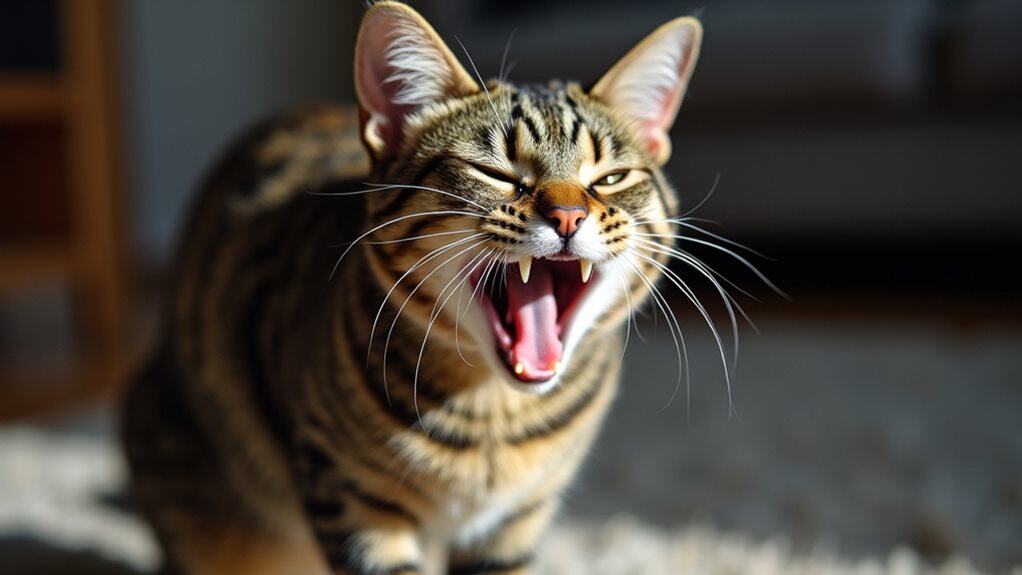
Before assuming your cat has behavioral issues, it’s vital to rule out underlying medical conditions that might be causing aggression. Pain, discomfort, or illness can make even the sweetest cat lash out when touched or approached.
Regular medical evaluations are important for detecting underlying illnesses that may not be immediately obvious to pet owners.
- Pain-induced aggression – Your cat can’t tell you when something hurts, so they might bite or scratch instead, especially if you touch a tender spot.
- Hyperthyroidism – This common condition in older cats can cause irritability and aggressive behavior that seems to come out of nowhere.
- Neurological issues – Problems affecting your cat’s brain can dramatically alter their personality and trigger unpredictable aggressive episodes.
Understanding Feline Immunodeficiency Virus (FIV) is essential, as it can lead to increased irritability and aggression if the cat’s immune system is compromised by this disease.
If your cat suddenly becomes aggressive, call your vet right away.
Body Language Signals: Reading Your Cat Before the Strike
Understanding your cat’s body language can help you avoid painful scratches and bites, since most felines give clear warnings before they attack. Learning to recognize these signals can transform your relationship with your furry friend.
Watch your cat’s body posture carefully—a crouched stance with flattened ears and dilated pupils signals they’re feeling threatened. The tail position is equally revealing: a low, twitching tail often precedes aggression, while a puffed-up tail indicates fear.
Your cat’s body never lies—crouched stance, flattened ears, and dilated pupils scream “danger ahead!”
If you notice your cat staring intensely while swishing their tail rapidly, give them space immediately!
Don’t forget to listen, too. Those low growls and hisses aren’t just for show—they’re your cat’s way of saying, “I’m uncomfortable, back off!” Practicing cat body language analysis can enhance your ability to interpret these signals effectively.
Effective Deterrent Strategies Without Punishment
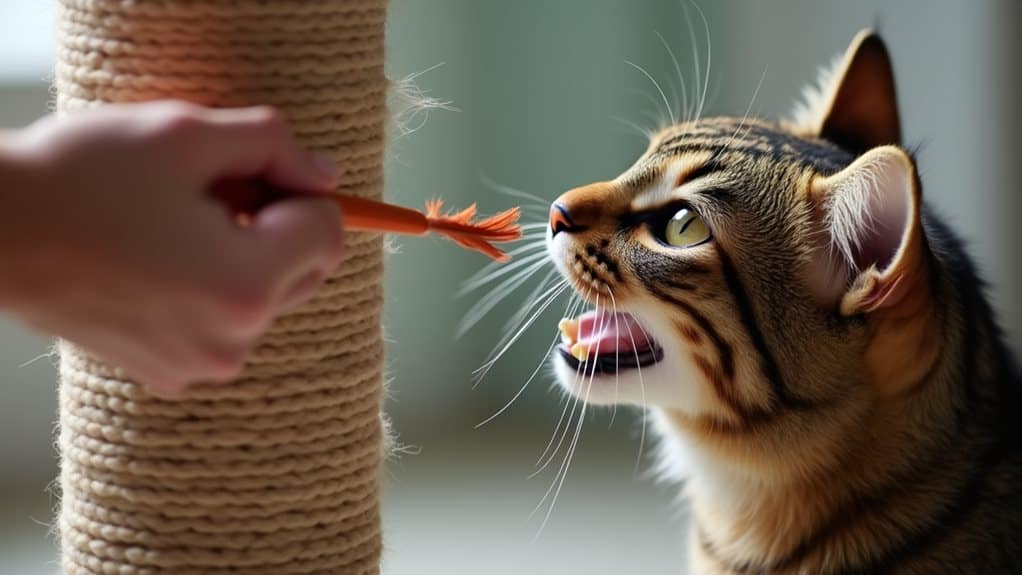
When your cat exhibits unwanted behaviors like scratching furniture or counter-surfing, you don’t need to resort to punishment. Effective deterrent techniques focus on redirecting your cat’s natural instincts rather than creating fear.
Your feline friend responds best to positive reinforcement—rewarding good behavior consistently builds trust and strengthens your bond.
Try these humane strategies that actually work:
- Double-sided tape or aluminum foil – Place these on forbidden surfaces temporarily; cats hate the sticky feeling or crinkly sound!
- Motion-activated air sprayers – These harmless devices startle without trauma, teaching boundaries without your direct involvement.
- Clicker training with treats – When your cat uses appropriate scratching posts or stays off counters, click and reward immediately to reinforce the behavior.
Creating Safe Spaces: Environmental Modifications That Help
Since cats thrive on security and predictability, creating safe spaces in your home can dramatically reduce stress-related behaviors.
Install raised perches, window seats, or cat trees where your feline can retreat when feeling anxious or overwhelmed. These safe zones shouldn’t be accessible to children or other pets, giving your cat complete control over their sanctuary.
Balance quiet retreats with enrichment activities throughout your home.
Interactive toys, puzzle feeders, and scratching posts provide mental stimulation while allowing natural behaviors to flourish.
Consider setting up cardboard boxes or cat tunnels as temporary hideaways in busy areas.
When to Seek Professional Help: Veterinarians and Behaviorists
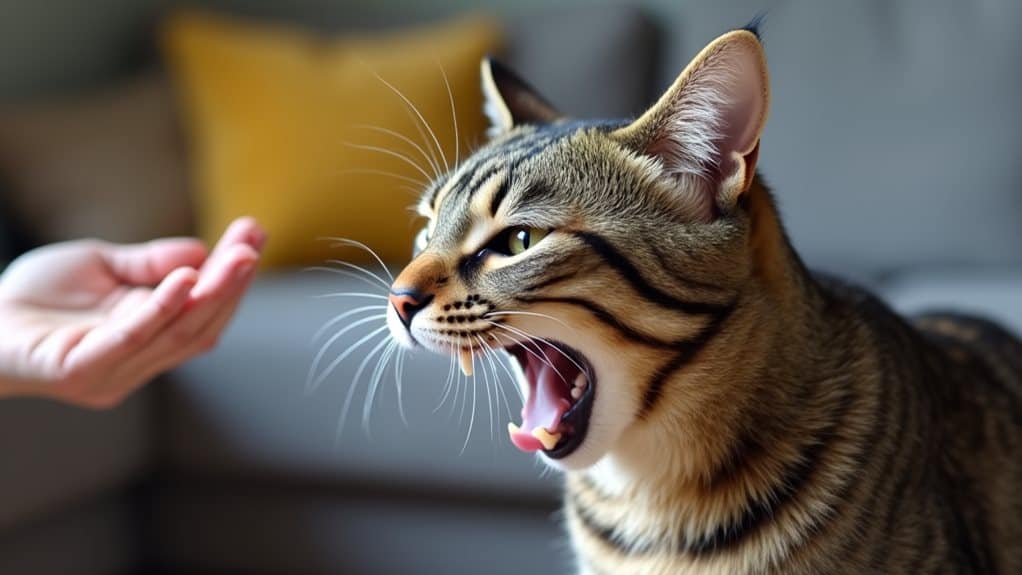
Although many cat behavior issues can be resolved at home, persistent problems might signal underlying medical conditions or complex psychological needs that require expert intervention.
While DIY solutions can help, some cat behaviors are red flags for hidden health or psychological issues requiring professional help.
When your cat’s aggression becomes unmanageable, it’s time to consult professionals who can provide a thorough behavioral assessment and develop customized intervention strategies.
- Veterinary check-up – Your cat’s aggression could stem from pain or illness that they can’t communicate, breaking your heart as they suffer in silence.
- Certified animal behaviorist – These specialists can identify triggers you’ve missed, giving you hope when you’ve felt at your wit’s end.
- Medication options – In some cases, appropriate medications can dramatically improve your cat’s quality of life, turning fear into confidence.
Don’t wait until you’re exhausted or your cat is truly distressed—early professional help makes all the difference.
Long-Term Management: Building Trust and Confidence in Your Cat
Building a trusting relationship with your cat requires consistent effort and patience over time. Through trust building exercises and confidence training, you’ll help your formerly aggressive cat feel secure in your home.
| Trust Building Techniques | Expected Results |
|---|---|
| Daily 5-minute play sessions | Reduces anxiety, builds positive associations |
| Respect personal space | Shows you’re not a threat |
| Consistent feeding schedule | Creates security and routine |
| Reward calm behavior | Reinforces positive interactions |
| Use their name softly | Develops familiarity and comfort |
Frequently Asked Questions
Can Neutering or Spaying Reduce Aggression in Cats?
Yes, neutering benefits include reduced territorial aggression and fighting in male cats. Spaying effects can decrease hormonal aggression in females. You’ll typically notice calmer behavior within weeks after the procedure.
Are Certain Cat Breeds More Prone to Aggressive Behavior?
Yes, some breeds show different aggression patterns. You’ll notice Siamese tendencies toward vocalization and territorial behavior, while Maine Coon aggression is typically lower – they’re known for their gentle temperament despite their large size.
Should I Rehome My Aggressive Cat?
Before rehoming, seek a professional behavioral assessment for your cat. You should explore training, environmental changes, and medical evaluations first. Rehoming should be your last resort when all other options fail.
Can Multiple Cats Share Territory Without Aggression?
While you might fear constant territorial disputes, cats can absolutely share space peacefully. You’ll need to respect their social hierarchies, provide multiple resources, introduce them gradually, and create vertical territory for each cat’s domain.
How Does a Cat’s Age Affect Aggressive Tendencies?
Age greatly impacts your cat’s aggressive behavior. You’ll notice kitten playfulness often mimics aggression during development, while senior temperament typically becomes calmer and less confrontational as cats mature and energy levels naturally decrease.
Final Thoughts
Remember, your cat isn’t being “mean” when they act aggressively—they’re communicating something important. Isn’t it amazing how understanding their behavior can transform your relationship? With patience, consistent management, and the right environmental setup, you’ll help your furry friend feel secure enough to put away those claws. Your commitment to addressing the root causes rather than just the symptoms will create a peaceful home where both you and your cat can thrive together.