The Best Fluffy Pancakes recipe you will fall in love with. Full of tips and tricks to help you make the best pancakes.

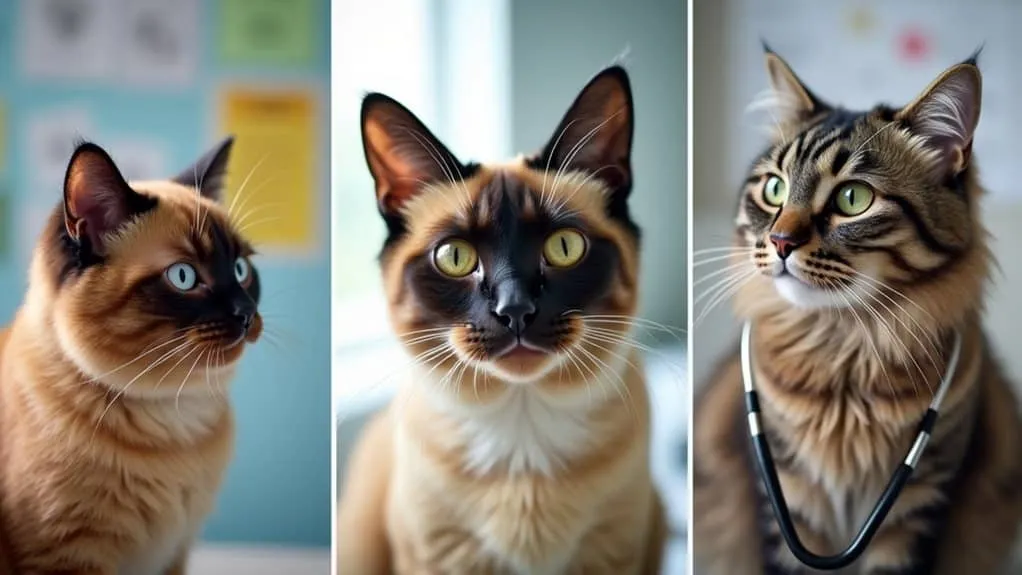
Each purebred cat faces unique health challenges: Persians need daily eye cleaning and grooming to prevent breathing issues and matting; Siamese cats require vigilant monitoring for vision problems and respiratory conditions; while Maine Coons should be screened for heart disease and hip dysplasia. You’ll want to establish breed-specific preventative care routines including appropriate diet, exercise, and regular vet checkups. Understanding these distinct vulnerabilities helps you provide the specialized attention your feline friend deserves.
Common Health Concerns in Persian Cats
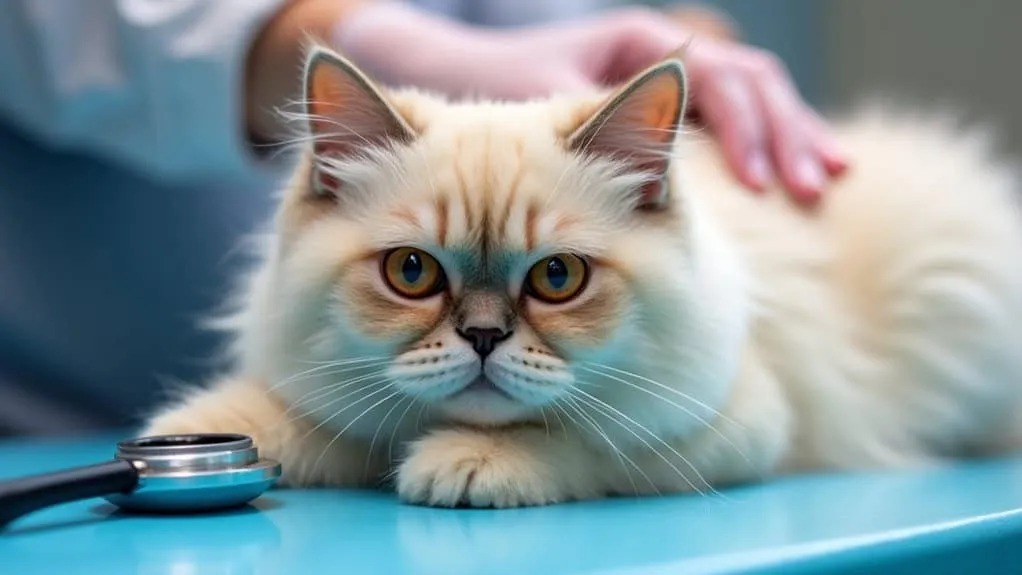
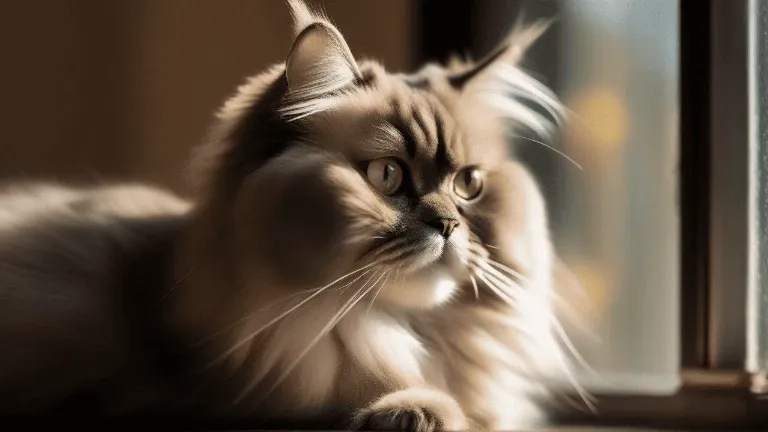
While Persian cats are beloved for their gorgeous long coats and sweet personalities, they unfortunately face several breed-specific health challenges that potential owners should know about.
Their distinctive flat faces can lead to breathing difficulties and excessive tearing, requiring regular eye care to prevent infections. You’ll need to gently clean their eyes daily with a soft, damp cloth to keep them healthy.
The Persian’s adorable flat face requires daily eye cleaning to prevent infections—an essential part of keeping these beautiful cats healthy.
Their luxurious coats demand dedicated grooming techniques to prevent painful mats and hairballs. Daily brushing isn’t just about keeping them beautiful—it’s crucial for their health! Regular grooming maintains overall cat health and comfort, ensuring that your Persian remains in top condition.
Without proper grooming, Persians can develop skin issues and digestive problems from ingested fur. Many owners schedule professional grooming every 4-6 weeks to maintain their cat’s coat and check for hidden skin problems.
Your Persian’s health depends on your commitment to these specialized care routines.
Understanding Siamese Cat Health Vulnerabilities
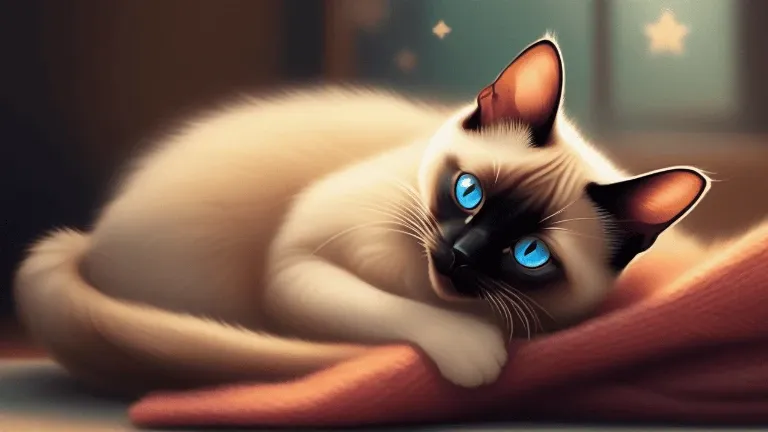
Siamese cats present a different set of health challenges compared to their Persian counterparts. While they enjoy impressive Siamese longevity, often living 15-20 years, they’re prone to certain genetic conditions you should watch for.
Their striking blue eyes come with a price—they’re more susceptible to vision problems like progressive retinal atrophy and crossed eyes.
The famous Siamese temperament—vocal, social, and intelligent—can sometimes mask pain or discomfort. Your chatty companion might develop respiratory issues, dental problems, or amyloidosis (a liver condition).
They’re also at higher risk for certain cancers and heart conditions. Additionally, it’s important to be aware of the risk of hypertrophic cardiomyopathy (HCM), a common heart condition that can affect Siamese cats.
Don’t let this worry you too much! With regular vet checkups and attentive care, your Siamese friend can live a wonderfully long, healthy life. Just keep an eye out for these breed-specific quirks.
Maine Coon Genetic Predispositions
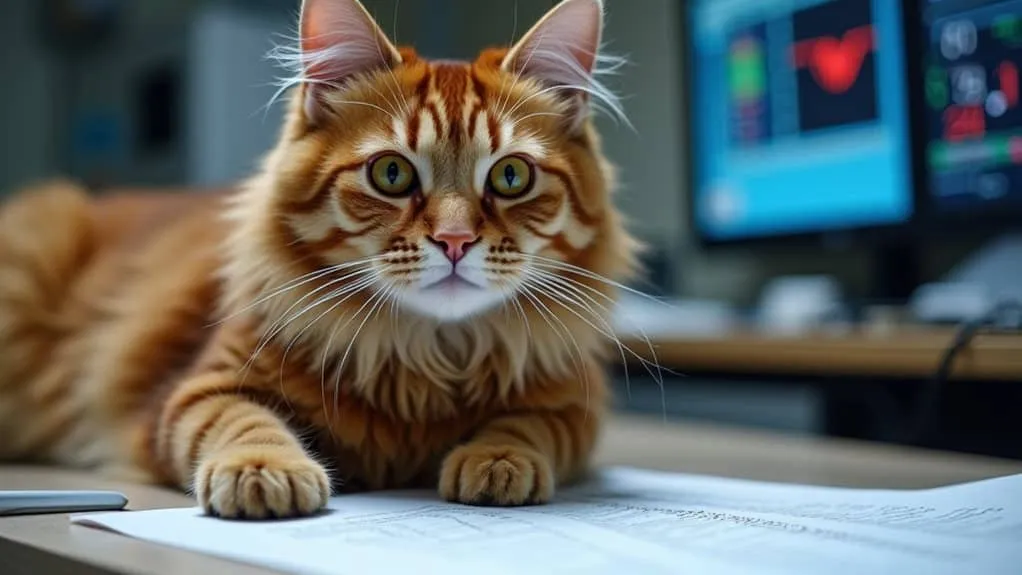
If you’re considering a Maine Coon as your feline companion, you’ll need to watch for several genetic health issues common to this majestic breed.
Your gentle giant may face hypertrophic cardiomyopathy, a serious heart condition that requires regular cardiac screenings throughout their life.
Additionally, these large cats can suffer from hip dysplasia and spinal muscular atrophy, making early genetic testing an important step in protecting your Maine Coon’s long-term mobility and quality of life. Furthermore, providing specialized care can greatly enhance the quality of life for your Maine Coon by addressing these potential health issues effectively.
Hypertrophic Cardiomyopathy Risk
Despite their gentle giant reputation, Maine Coon cats face a serious genetic health challenge. Hypertrophic cardiomyopathy (HCM), a condition where the heart muscle thickens abnormally, is particularly common in this breed. This can restrict blood flow and potentially lead to heart failure if left undetected.
You’ll want to discuss genetic testing with your vet early in your Maine Coon’s life. The MyBPC3 mutation, which increases HCM risk, can be identified through a simple cheek swab.
Regular heart screening, including ultrasounds and echocardiograms, should become part of your cat’s routine healthcare, especially after age two. Additionally, keeping an eye on potential liver health issues can be crucial, as conditions like hepatitis may also affect your Maine Coon’s overall well-being.
Don’t panic, though! Many Maine Coons lead long, healthy lives despite carrying the gene. With proper monitoring and care, you can help your fluffy friend thrive for years to come.
Hip Dysplasia Concerns
While your Maine Coon’s large frame contributes to their majestic appearance, it also makes them susceptible to hip dysplasia, a condition where the hip joint doesn’t develop properly. This hereditary condition affects many large-breed cats, but Maine Coons face a higher risk.
Watch for hip dysplasia symptoms like reluctance to jump, difficulty climbing stairs, or an unusual “bunny hop” gait. You might notice your gentle giant becoming less active or irritable when their hips are touched.
Hip dysplasia prevention starts with responsible breeding practices. If you’re considering a Maine Coon, ask breeders about hip evaluations in their breeding cats. Additionally, neutering your cat can promote overall well-being by decreasing the likelihood of hormone-related health issues.
For cats already in your home, maintaining a healthy weight is essential—extra pounds put additional stress on those big joints. Regular, gentle exercise helps too, keeping muscles strong without overstressing developing joints.
Spinal Muscular Atrophy
Another genetic concern for Maine Coon owners to understand is Spinal Muscular Atrophy (SMA). This inherited condition affects your cat’s spinal health by causing lower motor neurons to deteriorate, leading to muscle degeneration in the back legs.
You’ll notice symptoms typically between 3-4 months of age when your kitten may develop an unusual gait or wobble.
While SMA doesn’t cause pain, it progressively weakens your Maine Coon’s muscles. The good news? Cats with SMA can still live happy lives! They adapt remarkably well, finding creative ways to move around despite their limitations. Ragdoll cats, known for their affectionate nature, may offer companionship that helps boost morale for Maine Coons with SMA.
Responsible breeders now test for the SMA gene, which has greatly reduced its prevalence. If you’re bringing a Maine Coon into your family, ask about SMA testing—it’s a simple way to guarantee your gentle giant’s long-term health and mobility.
Preventative Care Strategies for Purebred Cats
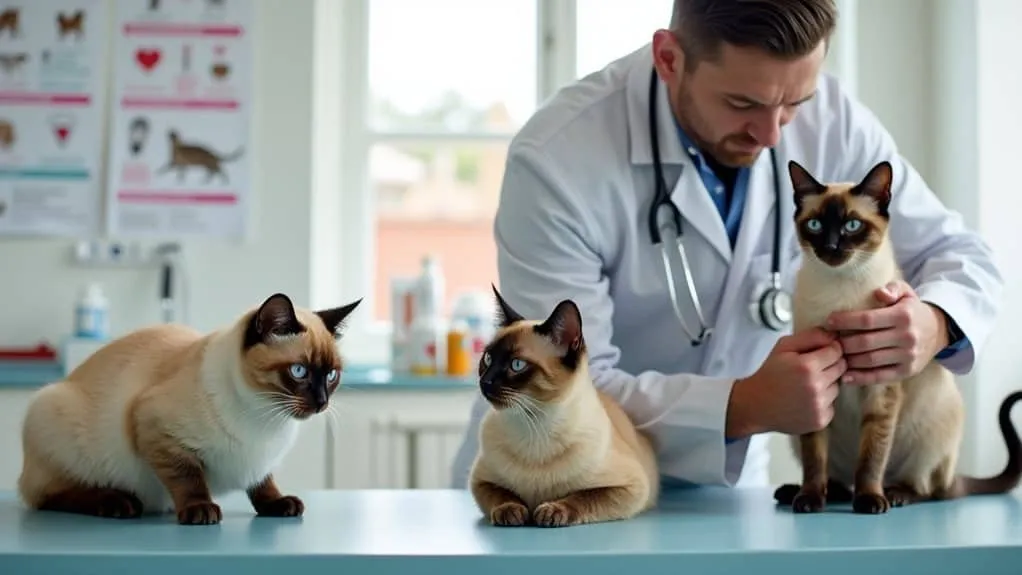
If you’re raising a purebred cat, you’ll need to establish early screening protocols based on your cat’s breed risks, ideally starting these health checks during kittenhood.
Managing your feline’s diet and weight is essential, as many genetic conditions worsen with obesity—aim for proper portion control and breed-appropriate nutrition.
Regular exercise customized to your cat’s specific genetic predispositions can help mitigate certain health risks, so incorporate daily play sessions that address potential mobility or cardiac concerns common to your cat’s breed. Additionally, implementing appropriate grooming techniques can further support your cat’s overall health and reduce shedding issues.
Early Screening Protocols
Many purebred cats face breed-specific health challenges that can be identified and managed through early intervention.
With proper early diagnosis and genetic testing protocols, you’ll give your feline friend the best chance at a healthy life. Early screening can detect issues before symptoms appear, saving both heartache and vet bills down the road.
Here’s what you should discuss with your vet:
- Genetic testing options – Specific DNA tests can identify inherited conditions common in your cat’s breed.
- Recommended screening schedule – Each breed needs different tests at different ages.
- Baseline health assessments – Early ultrasounds, blood work, and heart scans establish your cat’s normal values. Additionally, regular vet check-ups are essential for monitoring overall health and detecting any potential issues early on.
Diet and Weight Management
Proper nutrition stands at the forefront of preventative healthcare for purebred cats, whose unique genetic makeup often demands specialized dietary attention.
Your Persian may need food that prevents hairballs, while Maine Coons benefit from formulas supporting their larger frames and joint health.
Siamese cats, with their high energy levels, typically require diets richer in protein to match their active lifestyles.
Pay close attention to your cat’s dietary preferences—they’ll tell you what works! Some breeds are notoriously picky, while others will devour anything in sight.
Regular weight monitoring is vital, as purebreds like Persians tend toward obesity, while Siamese may run lean.
You’ll want to weigh your cat monthly and adjust portions accordingly. Remember, maintaining ideal weight isn’t just about appearance—it’s your first defense against breed-specific health complications. Additionally, implementing regular flea treatment is crucial in preventing discomfort and health issues related to flea infestations.
Exercise for Genetic Predispositions
Customized exercise routines can dramatically reduce the risk of breed-specific health issues in your purebred cat.
For example, Persian cats need gentle activity that won’t stress their breathing, while Maine Coons benefit from exercises that support joint health. Tailoring your feline fitness plan to address genetic predispositions helps prevent problems before they start. Regular grooming can also enhance your cat’s overall health, allowing for easier movement and improved comfort during exercise.
Try these breed-specific genetic exercise approaches:
- Persian cats – Short, low-intensity play sessions that avoid respiratory strain while keeping weight in check.
- Maine Coons – Climbing activities that strengthen joints and prevent early-onset arthritis.
- Siamese cats – Interactive toys that challenge their intelligence while burning energy.
You’ll notice improved mobility, better weight management, and a happier cat when you match exercise to your cat’s unique genetic makeup.
When to Seek Veterinary Intervention
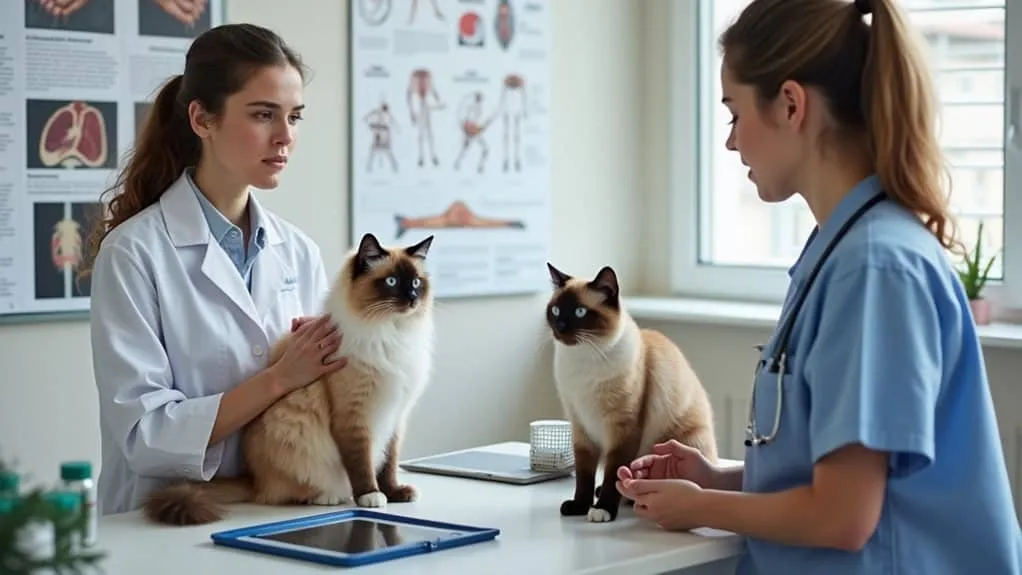
Although cat owners often try to handle minor health issues at home, recognizing when to seek professional help can literally save your pet’s life. Changes in your cat’s behavior might signal serious problems that need immediate attention. Don’t wait if you notice emergency signs like labored breathing or sudden weakness.
| Breed | Warning Signs | When to Act |
|---|---|---|
| Persian | Breathing difficulty, excessive tearing | Immediately |
| Siamese | Limping, unusual vocalization | Within 24 hours |
| Maine Coon | Lethargy, reduced appetite | Within 48 hours |
| All Breeds | Vomiting multiple times | Same day |
| All Breeds | Unable to urinate | Emergency visit |
You’ll know it’s time to call the vet when your cat’s symptoms persist beyond a day or if they’re showing extreme discomfort. Trust your instincts—you know your cat best!
Breeding Practices and Genetic Health Improvements
Responsible breeding practices have dramatically transformed the terrain of feline health over the past decade.
You’ll find that reputable breeders now prioritize breeding ethics alongside appearance, reducing hereditary conditions in beloved breeds like Persians and Maine Coons.
When selecting a breeder, look for those who:
- Conduct thorough genetic testing for breed-specific issues
- Share complete health records of parent cats
- Participate in breed health improvement programs
Genetic testing has become the cornerstone of ethical breeding, allowing you to bring home a healthier kitten with reduced risk of inherited problems.
Many breed-specific issues can be minimized through careful selection, and you’re part of this positive change when you choose breeders who prioritize health over profit.
Your choice today shapes feline health for generations to come.
Frequently Asked Questions
How Do Insurance Companies View Coverage for Breed-Specific Conditions?
Insurance companies often impose coverage limitations for breed-specific conditions, meaning you’ll face higher premium adjustments or exclusions. You should carefully review policies to understand what’s covered before choosing a plan for your cat.
Can Mixed-Breed Cats Inherit Purebred Health Problems?
Yes, your mixed-breed cat can inherit health problems from purebred parents. While they may benefit from hybrid vigor, genetic predisposition doesn’t disappear completely. The risk typically decreases when breeds are mixed, though specific conditions can persist.
Are There Ethical Concerns With Breeding Cats Prone to Health Issues?
Yes, breeding ethics demand careful consideration. You’re facing considerable moral questions when you deliberately breed cats with known health predispositions, as it directly impacts feline welfare and potentially causes suffering throughout an animal’s life.
How Do International Breeding Standards Differ Regarding Health Requirements?
Curious about global cat breeding practices? You’ll find international standards vary widely—some countries enforce strict health regulations requiring genetic testing, while others have minimal oversight. Europe typically maintains more rigorous requirements than North America.
What Specialized Diets Can Help Manage Breed-Specific Conditions?
You’ll need protein-restricted diets for Persian PKD, omega-3 rich foods for Maine Coon heart health, and low-carb options for Siamese diabetes. Schedule veterinary consultations to determine appropriate nutritional supplements for your specific breed’s needs.
Final Thoughts
You’re not merely a cat owner; you’re a health advocate for your purebred companion. Like a gardener who knows each plant’s unique needs, you’ll nurture your Persian, Siamese, or Maine Coon with breed-specific care. By staying informed, working with your vet, and choosing responsible breeders, you’ll help your furry friend avoid genetic pitfalls. Remember, an ounce of prevention is worth a pound of cure—especially when that cure comes with a worried cat and a hefty vet bill!