The Best Fluffy Pancakes recipe you will fall in love with. Full of tips and tricks to help you make the best pancakes.


Contact your vet immediately if your cat shows breathing difficulties (panting, wheezing), severe lethargy, collapse, repeated vomiting or diarrhea (especially with blood), straining to urinate, seizures, or signs of trauma. Other emergency signs include abnormal temperature, unexplained bleeding, and complete refusal to eat or drink for over 24 hours. Don’t wait if you notice blue gums, abdominal distension, or neurological changes – these symptoms could indicate life-threatening conditions requiring urgent care.
Breathing Difficulties and Respiratory Distress

When your cat shows breathing difficulties, it’s essential to act quickly as respiratory distress can indicate serious health problems. Watch for abnormal breathing patterns like panting, wheezing, or labored breaths where your cat’s sides heave noticeably. These signs shouldn’t be ignored!
Respiratory distress in cats requires immediate action—never ignore panting, wheezing, or labored breathing.
If your furry friend is breathing with an open mouth, has blue-tinged gums, or can’t settle comfortably, they need immediate veterinary attention.
Respiratory infections often start with subtle changes before worsening rapidly. Even slight noises during breathing, like crackling or whistling sounds, warrant concern.
Don’t wait to see if things improve—cats are masters at hiding illness until they’re seriously sick. Trust your instincts! You know your cat best, and spotting these symptoms early could literally save their life.
Severe Lethargy or Collapse
If your cat suddenly loses energy or seems unable to stand, you’re likely witnessing serious warning signs that require immediate attention.
Watch for cats who struggle to rise from a lying position or whose legs appear to give out when attempting to walk.
These symptoms of sudden weakness or collapse often indicate severe underlying conditions, from critical infections to potential organ failure, and shouldn’t wait until your next scheduled vet appointment.
Sudden Energy Loss
A normally playful cat that suddenly can’t muster the energy to move requires your immediate attention.
While severe lethargy might seem similar, sudden energy loss often happens more dramatically and can indicate serious underlying conditions. If your cat experiences unexpected sudden behavior changes like refusing to get up or unexplained weight loss alongside energy depletion, don’t wait to contact your veterinarian.
- Look for other symptoms like pale gums, rapid breathing, or abnormal heart rate.
- Note when your cat last ate, drank, or used the litter box.
- Check if your cat responds to favorite treats or toys.
- Monitor if the energy loss happened gradually or all at once.
Additionally, if your cat shows signs of a dry, hot nose, it could further indicate that they are unwell and in need of assessment.
Limb Weakness Signs
Limb weakness in cats often appears as a more targeted problem than general energy loss, affecting how your cat moves and stands. You might notice your furry friend struggling to jump onto furniture, dragging a leg, or showing an unusual gait when walking. These signs can indicate muscle weakness or joint pain that requires immediate attention.
Watch for subtle changes too—does your cat hesitate before climbing stairs? Are they refusing to put weight on a particular limb? Sometimes, what looks like simple reluctance to play might actually be your cat’s way of saying something hurts. It’s essential to note that medical issues can also manifest through changes in mobility, which could be caused by underlying health concerns.
Don’t wait if you notice these symptoms, especially if they appear suddenly or worsen quickly. Limb weakness can signal serious conditions ranging from injuries to neurological problems. Your quick action could make all the difference in your cat’s recovery.
Acute Vomiting or Diarrhea Episodes
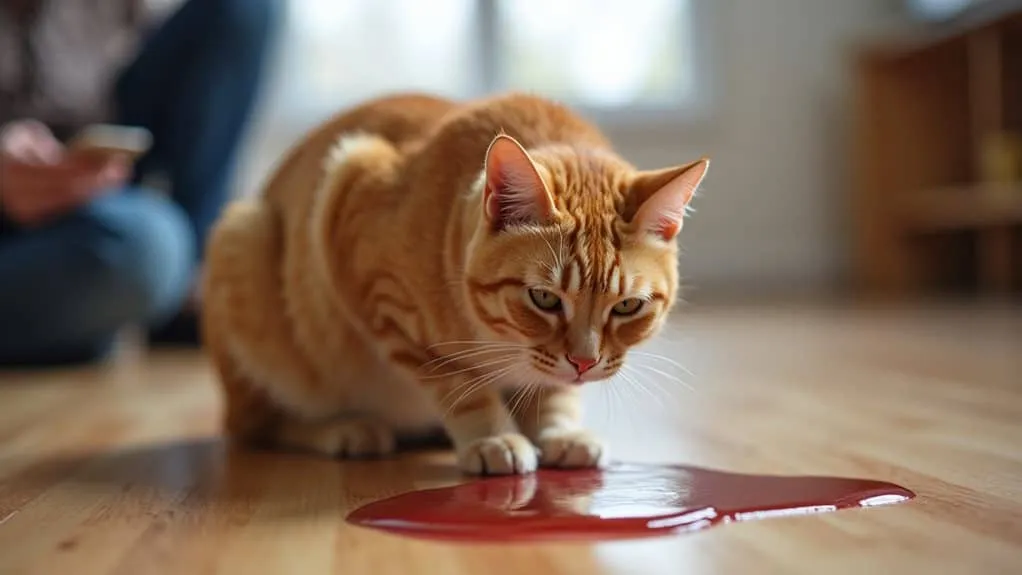
When your cat experiences sudden vomiting or diarrhea, you’ll need to quickly determine if it’s a minor upset or a true emergency requiring immediate veterinary care.
You can monitor mild cases at home by withholding food for 12 hours, offering small amounts of water, and watching for improvement within 24 hours.
If you notice blood in the vomit or stool, multiple episodes within a short period, or signs of pain, don’t wait—these red flags indicate your cat needs professional medical attention right away. Additionally, be aware that medical conditions such as infections or disorders can also lead to vomiting and diarrhea, so keep a close eye on your cat’s overall health.
Warning Signs Requiring Action
Though cats occasionally experience digestive upset, certain symptoms demand immediate veterinary attention. Your feline’s health should never be taken lightly, especially when showing severe distress.
Preventive measures include monitoring your cat’s behavior, but when urgent symptoms appear, don’t wait.
Call your vet immediately if you notice:
- Bloody diarrhea or vomit (red or black/coffee-ground appearance)
- Repeated vomiting more than 2-3 times in 24 hours
- Lethargy combined with refusal to eat for over 24 hours
- Straining to urinate with little or no output (especially in male cats)
In addition, monitor for symptoms like abdominal contractions as these may indicate serious health issues affecting your cat’s wellbeing.
Trust your instincts—you know your cat best. Most digestive issues resolve quickly, but these warning signs could indicate serious conditions requiring professional care.
When in doubt, a quick call to your vet can give you peace of mind.
Home Care vs. Emergency
Knowing whether to treat your cat’s digestive upset at home or rush to an emergency vet can be one of the most stressful decisions you’ll face as a pet parent.
While occasional hairballs or minor stomach upsets can often be managed with home care, certain symptoms demand immediate emergency response.
For mild cases, you can monitor your cat for 12-24 hours, offering small amounts of water and withholding food briefly.
But don’t wait if you notice blood in vomit or stool, persistent vomiting (more than twice in 24 hours), lethargy, or signs of pain.
These red flags require professional attention right away. Additionally, be aware that some symptoms, such as ringworm in cats, may mimic digestive issues but need distinct treatment approaches.
Trust your instincts—you know your cat best!
When in doubt, call your vet. They’d rather hear from you unnecessarily than miss a critical care opportunity.
Sudden Changes in Urination Habits
Your cat’s bathroom habits can reveal important clues about their health, especially if these patterns change unexpectedly.
If you notice your cat straining in the litter box but producing little or no urine, this could indicate a urinary blockage—a life-threatening emergency requiring immediate veterinary attention. Don’t wait to see if it resolves on its own.
Watch for these warning signs:
- Frequent trips to the litter box with minimal output
- Crying or howling while attempting to urinate
- Blood in the urine (pink or red-tinged)
- Urinating outside the litter box after previously good habits
These behavioral changes often signal serious problems like infections, crystals, or blockages. Additionally, early detection of urinary issues is crucial for successful treatment and can greatly affect your cat’s overall well-being.
Male cats are particularly susceptible to urethral obstructions that can quickly become fatal if not treated within 24-48 hours.
Neurological Symptoms and Seizures

While urinary issues affect one part of your cat’s body, neurological problems impact an entirely different system with equally concerning symptoms. If you notice your cat having seizures, balance issues, or unusual head tilting, don’t wait to call your vet.
Neurological disorders in cats can manifest in various ways – from subtle changes like disorientation and head pressing against walls to more obvious seizure types including grand mal (full body convulsions) or focal seizures (affecting just one body part).
You might also notice your cat walking in circles, appearing confused, or having sudden personality changes.
These symptoms often come on quickly and can be terrifying to witness. Remember, a cat experiencing seizures may overheat or injure themselves, so keep them away from stairs or furniture until you can get veterinary help.
Abdominal Pain and Bloating
Abdominal pain and bloating in your cat could signal several conditions, from minor digestive upset to life-threatening blockages.
You’ll need to watch for emergency warning signs like repeated vomiting, inability to defecate, or a visibly distended abdomen that’s painful when touched.
Treatment options range from dietary changes and medications to emergency surgery, depending on the underlying cause your veterinarian identifies.
Causes and Indicators
When a cat’s belly appears swollen or they show signs of discomfort when touched, it’s crucial to understand the potential causes behind these symptoms. Abdominal distension isn’t always visible, but your cat’s behavior might tell you something’s wrong.
Early detection of common cat diseases like intestinal blockages or fluid accumulation can make treatment more effective.
Watch for these warning signs:
- Repeated attempts to vomit with nothing coming up
- Hiding more than usual or protecting their belly when approached
- Sitting in a hunched, uncomfortable position
- Crying or growling when their abdomen is touched
You know your cat best—if they’re not acting like themselves and showing these symptoms, don’t wait. Trust your instincts and call your vet right away. Notably, acute vomiting necessitates immediate medical attention to address underlying health issues effectively.
Emergency Warning Signs
If your cat shows sudden or severe bloating, you’re facing a potential emergency that requires immediate veterinary attention. This condition can indicate serious issues like gastric dilation-volvulus, internal bleeding, or organ failure—all of which can become life-threatening within hours.
Watch for additional warning signs: restlessness, pacing, inability to get comfortable, crying when touched around the belly, or a tense, hard abdomen. It’s crucial to monitor for other signs of infection that may accompany these symptoms as they could indicate a more serious underlying issue.
While you’re preparing for the vet visit, basic cat first aid includes keeping your pet calm and still to prevent further complications.
The best preventive measures include regular wellness exams, maintaining a healthy diet, and watching portion sizes.
Trust your instincts—you know your furry friend best! When in doubt about bloating or abdominal pain, it’s always better to err on the side of caution.
Treatment Options Available
Depending on the cause of your cat’s bloating, treatment options will vary considerably. Your vet might recommend medication, dietary changes, or even surgery in severe cases.
Don’t worry—most conditions can be managed effectively when caught early.
- Prescription medications often help reduce inflammation and discomfort, especially for cats with inflammatory bowel disease or food sensitivities.
- Dietary modifications may include special food formulations that are gentler on your cat’s digestive system.
- Preventive measures like regular parasite control can prevent many causes of abdominal discomfort.
- Alternative therapies such as probiotics might complement traditional treatments by supporting gut health.
Signs of Trauma or Physical Injury
Physical injuries in cats often reveal themselves through obvious signs that you can’t miss. Your cat may suddenly limp, hold a paw up, or resist being touched in certain areas. Signs of distress like excessive vocalization, hiding, or unusual aggression should prompt immediate concern.
During your physical observation, look for bleeding, swelling, or protruding bones. Check for matted fur that might conceal wounds, especially after your kitty returns from outdoor adventures.
Even subtle changes matter—your normally jumpy cat becoming floor-bound could indicate pain when leaping. Monitoring heart rate can also provide valuable insight into your cat’s condition during such incidents.
Don’t wait to see if things improve on their own. Cats are masters at hiding pain, so by the time they’re showing symptoms, they’re truly suffering. Quick action can prevent complications and give your furry friend the best chance at recovery.
Dangerous Changes in Body Temperature
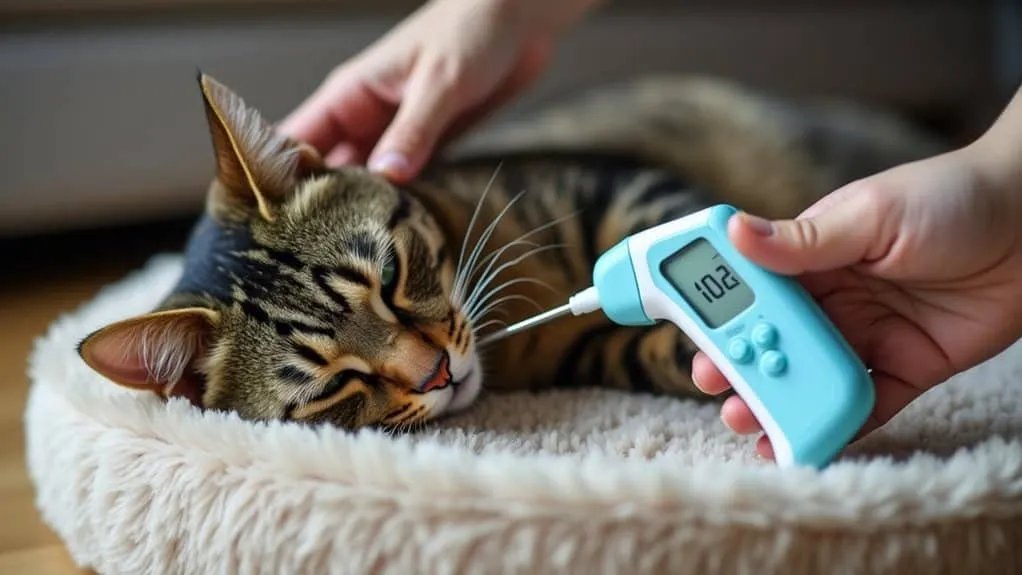
Just as injuries can cause visible pain, dangerous shifts in your cat’s body temperature often signal serious health concerns. Cats normally maintain tight temperature regulation between 100.5-102.5°F. When this balance falters, it’s time to act quickly. A cat with fever symptoms might feel hot to touch, show lethargy, or lose appetite.
Conversely, hypothermia can occur when your cat’s temperature drops dangerously low.
- If your cat’s nose and ears feel unusually hot, check for fever immediately
- Panting in cats (unlike dogs) is never normal and indicates overheating
- Shivering, cold extremities, or seeking unusual warmth may signal hypothermia
- Fever above 104°F or temperature below 99°F warrants an emergency vet visit
Don’t wait if you notice these temperature-related warning signs—they often indicate serious underlying conditions requiring prompt attention.
Unexplained Bleeding or Discharge
Unexplained bleeding or discharge in your cat should never be ignored, as these symptoms often signal serious underlying health issues. When you notice unusual discharges or any form of bleeding, it’s time to call your vet right away. These symptoms might indicate infections, injuries, or even more serious conditions that require immediate attention.
| Location | Possible Causes | Urgency Level |
|---|---|---|
| Nose | Trauma, infection, tumors | High |
| Eyes | Infection, injury, allergy | Moderate-High |
| Ears | Mites, infection, trauma | Moderate |
| Mouth | Dental disease, injury | Moderate-High |
| Urinary/Rectal | UTI, parasites, tumors | Very High |
Complete Loss of Appetite or Thirst
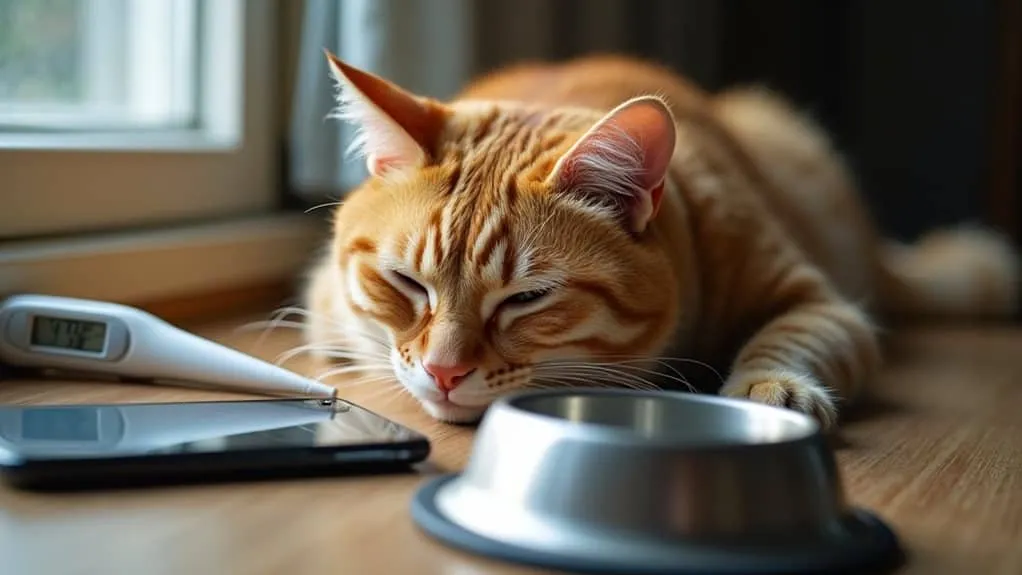
While bleeding and discharge signal obvious physical problems, a cat’s refusal to eat or drink is equally alarming. If your cat shows complete loss of appetite or thirst issues for more than 24 hours, it’s time to call your vet immediately.
Cats can develop serious complications quickly when they stop consuming food or water, potentially indicating underlying disease.
- Dehydration can occur rapidly, leading to organ damage within just 48-72 hours
- Loss of appetite often signals pain, infection, or systemic illness that requires prompt attention
- Cats with diabetes, kidney disease, or liver problems frequently show decreased interest in food and water
- Dental pain or throat obstructions might make eating or drinking too uncomfortable for your cat
Watch your feline friend closely—they can’t tell you they’re suffering, but their eating habits certainly can!
Frequently Asked Questions
How Can I Check My Cat’s Vital Signs at Home?
You can check your cat’s essential signs through home assessment by counting heart rate (150-200 beats/minute), respiratory rate (20-30 breaths/minute), feeling for hydration (elastic skin), and checking gum color (pink, not pale or blue).
When Should I Start a First Aid Kit for My Cat?
You should start a cat first aid kit now, before emergencies happen. Include first aid necessities like gauze, antiseptic wipes, and tweezers. Keep your kit organization simple with clearly labeled sections for quick access.
Can Cats Develop Chronic Diseases That Show Subtle Symptoms Initially?
Yes, cats can develop chronic conditions that initially show subtle symptoms. You’ll need to watch for small changes in behavior, appetite, or energy levels. Early detection through regular vet checkups improves treatment outcomes considerably.
How Much Does an Emergency Vet Visit Typically Cost?
Feeling the pinch of pet parenthood? Emergency vet costs typically range from $150-$1,500 depending on your location, needed treatments, and time of day. You’ll find vet visit pricing higher during nights and weekends.
Can Certain Cat Breeds Be More Susceptible to Specific Diseases?
Yes, certain cat breeds have specific disease predispositions due to genetic factors. You’ll find Persians prone to respiratory issues, Maine Coons to heart disease, and Siamese to respiratory and dental problems.
Final Thoughts
Your pet’s peculiar patterns and behaviors can be powerful predictors of potential problems. When you witness warning signs, don’t wait and worry—contact your vet without delay. Your swift action could save your cat’s life during serious situations. Remember, you’re their primary protector and voice when something’s wrong. Trust your instincts and pick up the phone promptly if you’re concerned about your furry family member’s health.