The Best Fluffy Pancakes recipe you will fall in love with. Full of tips and tricks to help you make the best pancakes.


You've probably noticed those adorable puppies and kittens in pet store windows, but there's a sobering reality behind those sweet faces. Every year, millions of unwanted pets end up in shelters, and sadly, many don't make it out alive. That's where World Spay Day comes in – it's not just another awareness day on the calendar, but rather a powerful movement that's changing lives, both human and animal. Let's explore how this simple solution is making waves in communities worldwide.
The Birth of World Spay Day: A Legacy of Compassion

When animal welfare champion Doris Day founded Spay Day USA in 1995, she couldn't have imagined how her compassionate vision would transform into a global movement. At the time, shelters across America were facing a heartbreaking crisis, with up to 17 million cats and dogs being euthanized annually due to overcrowding. The Doris Day Foundation continues to provide annual grants to promote spay/neuter initiatives nationwide. After merging with HSUS in 2006, the Doris Day Animal League helped expand the initiative's reach and impact.
You'll be inspired to know that Day's initiative, which began as one of the most significant pet overpopulation solutions of its time, has evolved into World Spay Day under the Humane Society's leadership. Neutering has been shown to prevent reproductive-related diseases and promote overall well-being, enhancing the lives of countless pets.
This powerful animal welfare advocacy program now reaches 74 countries, bringing together veterinarians, volunteers, and animal lovers like you. Through education, accessible services, and community engagement, World Spay Day has helped reduce U.S. shelter euthanasia rates to about one million annually – a remarkable demonstration of Day's enduring legacy.
Understanding Spay and Neuter Procedures
Understanding spay and neuter procedures doesn't have to feel overwhelming, even though they're major surgical interventions.
Your veterinarian will guide you through either procedure with expertise and care, ensuring your pet's well-being throughout the process.
Here's what you'll want to know about these life-changing procedures:
- A spay procedure removes a female dog's reproductive organs through a careful abdominal surgery.
- The neuter procedure for male dogs is less complex, focusing on removing the testicles.
- Both surgeries typically require about two weeks of recovery time.
- You'll need to monitor the incision site and follow your vet's instructions carefully.
These procedures are essential as they help dogs achieve longer life expectancy compared to unaltered pets.
The surgery typically costs between $250 to $600 depending on your dog's size and age.
Global Impact: Success Stories and Statistics
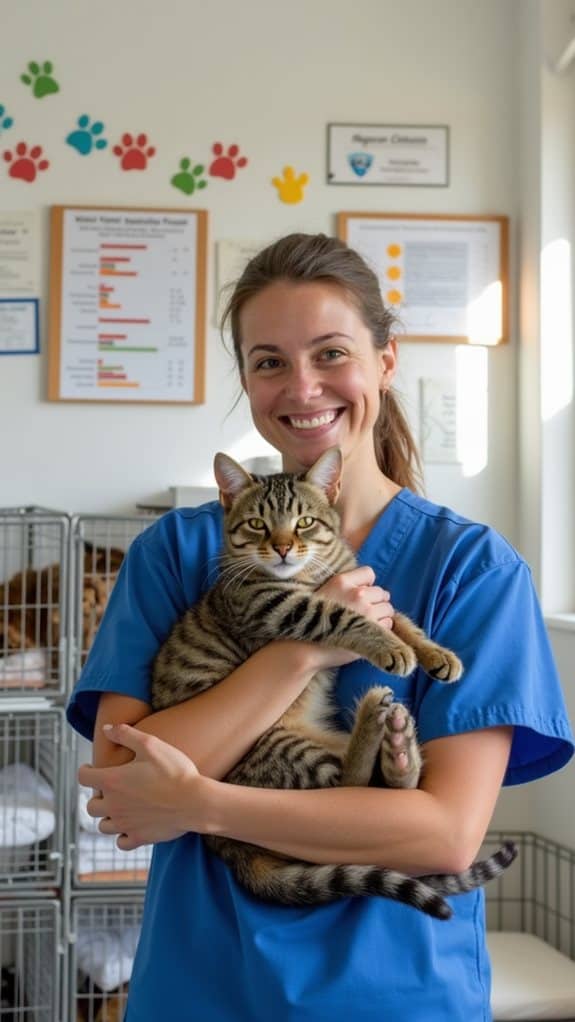
The remarkable success of World Spay Day showcases how local actions can create global change. Since its expansion from a U.S. initiative to a worldwide movement, you'll find this life-saving event in 74 countries, demonstrating incredible global outreach.
What began as Spay Day USA in 1995 has grown into an international effort to help animals everywhere.
You're part of something big – from Cornell University's impressive 78 surgeries to Bhutan's achievement of sterilizing 100% of their street dogs!
Through dedicated community engagement, you're helping transform lives. Just as evidence-based decisions guide successful programs, these initiatives rely on accurate data tracking.
The numbers tell an inspiring story: euthanasia rates have dropped markedly, with U.S. shelters now handling about one million cases annually – a dramatic improvement.
Whether it's Mexico's 400-cat operation or Afghanistan's determined efforts to help street dogs, you're witnessing a worldwide movement that's changing how we care for our furry friends, one spay/neuter at a time.
Health Benefits for Your Furry Friends
Making the choice to spay or neuter your pet releases a wealth of health benefits that'll transform their life. Pet owners who sterilize their animals help reduce shelter overcrowding.
You're not just preventing unwanted litters – you're giving your furry friend the gift of a longer, healthier life. Your pet could live up to 1.5 years longer when spayed or neutered, while enjoying improved behavior and reduced health risks. Surgery is most effective when performed on pets before first heat, as this timing helps prevent urinary issues that can arise later in life.
Here's what you can expect when you make this loving choice:
- Considerably lower cancer risks, especially breast tumors in females and testicular cancer in males.
- Protection against dangerous infections like pyometra in females.
- Reduced roaming behavior, which means less chance of accidents or injuries.
- Freedom from unwanted behaviors like spraying and mounting, making your home more peaceful.
These health benefits will help your beloved pet live their best life possible.
Breaking Common Myths About Pet Sterilization

You've probably heard some concerning myths about pet sterilization, like the common belief that it causes weight gain or changes your pet's personality.
While it's natural to worry about these claims, research shows that a pet's weight depends on diet and exercise, not sterilization, and their lovable personality stays exactly the same after the procedure. Additionally, spaying/neutering can lead to a longer lifespan for your pet by reducing the risk of certain cancers and enhancing overall health (longer lifespan).
Your furry friend will remain just as playful and protective as ever, but they'll be healthier and less likely to develop certain medical conditions in the future. Many pet owners see positive behavioral changes as the procedure helps reduce roaming and aggression. The procedure is also less expensive overall when compared to the potential costs of caring for multiple litters of puppies or kittens.
Truth Behind Weight Gain
- Reduce daily calorie intake to match their new metabolism
- Choose high-protein, high-fiber foods specially formulated for sterilized pets
- Maintain regular exercise routines to keep them active
- Skip the table scraps and free-feeding – stick to scheduled meals
Incorporating proper hydration into their diet can further support their overall health and help maintain an ideal weight.
Personality Changes Debunked
Despite what you may have heard about spaying and neutering changing your pet's personality, recent studies tell a different story.
Let's debunk some common spaying myths that might be causing you concern. While sterilization can affect certain hormone-related behaviors, it won't fundamentally change who your furry friend is at heart.
Research shows that some behavioral impacts may occur, particularly if the procedure is done at a very young age. You might notice changes in energy levels or food-seeking behaviors, but these aren't personality transformations.
What's important is making an informed decision based on your pet's individual needs, not outdated beliefs. By understanding the real effects of spaying and neutering, you'll be better equipped to make choices that serve both your pet and the broader goal of responsible pet ownership. Additionally, stress-reducing strategies can help ensure your pet remains comfortable and happy post-surgery.
Making a Difference: Ways to Get Involved
Making a meaningful impact on World Spay Day doesn't require a veterinary degree or specialized training. There are countless ways you can contribute to this important cause through community involvement and volunteer opportunities.
Whether you're sharing event information on social media or staffing an information table, your efforts make a real difference.
Here are four impactful ways to get involved:
- Volunteer at local spay/neuter clinics to help with check-ins and recovery monitoring.
- Share upcoming events and educational materials on your social networks.
- Place donation jars in your workplace to support low-cost surgeries.
- Partner with animal rescue groups to identify families in need.
Additionally, your engagement can assist in reducing abandonment issues related to cats in your community, highlighting the importance of spaying and neutering for pet welfare.
You'll find that giving back to your community through these activities isn't just rewarding – it's also a fun way to meet other animal lovers while making a lasting impact.
The Economic Benefits of Spaying and Neutering

You'll be amazed at how spaying and neutering your pets can benefit your wallet and your community's finances. When you choose to sterilize your pet, you're preventing countless expenses that come with unplanned litters, including food, veterinary care, and shelter resources. Additionally, adoption supports local shelters and helps reduce overpopulation, which can alleviate the financial strain on these organizations.
Cost Savings For Communities
When communities invest in spay and neuter programs, they'll see significant financial benefits that extend far beyond individual pet owners.
You'll find remarkable cost efficiency in your local government's spending, as fewer resources are needed for animal control and shelter operations. These community savings create a ripple effect that benefits everyone in your neighborhood.
Here's how your community saves money through spay and neuter initiatives:
- Animal shelters spend less on housing and care, allowing them to improve facilities.
- Local governments reduce spending on animal control services.
- Communities experience lower costs for managing stray animal populations.
- Public health expenses decrease with fewer roaming animals.
In addition, TNR programs can lead to decreased feral cat populations, which further cuts costs associated with animal management and health risks.
You're not just helping animals – you're contributing to a more financially sustainable community that can invest those savings in other important services and programs.
Preventing Future Expenses
Beyond community-wide savings, spaying and neutering your pet brings substantial financial benefits right to your doorstep.
When you're planning for responsible pet ownership, you'll find that this one-time investment prevents countless future expenses. You won't have to worry about surprise litters that demand additional food, vet visits, and supplies – and trust me, those costs add up fast!
Smart financial planning includes considering your pet's health, and spaying or neutering helps prevent costly reproductive health issues down the road. This proactive approach can also protect your cat from diseases like Feline Leukemia Virus, which can lead to high medical costs and decreased quality of life.
You'll save money on potential treatments for certain cancers, infections, and behavioral problems that could otherwise drain your wallet. Plus, many cities offer reduced licensing fees for fixed pets, making it a win-win for your furry friend and your budget.
Building a More Humane Community Together
Building a more humane community starts with understanding how we're all connected in creating positive change for animals.
Through community collaboration and thoughtful outreach strategies, you can help make a significant impact in your neighborhood. When we work together, we create lasting solutions for our furry friends and build stronger bonds between people who care.
Here's how you can contribute to a more compassionate community:
- Support your local low-cost spay/neuter clinics
- Volunteer for community outreach programs
- Share information about available services with neighbors
- Consider fostering animals while they await surgery
Your involvement matters more than you might think.
By participating in these initiatives, you're not just helping animals – you're strengthening the fabric of your community and inspiring others to join the cause. Implementing TNR programs not only helps manage stray cat populations but also promotes safer communities for both humans and cats.
Together, we can create the change we want to see.
Veterinary Perspectives on Pet Population Control
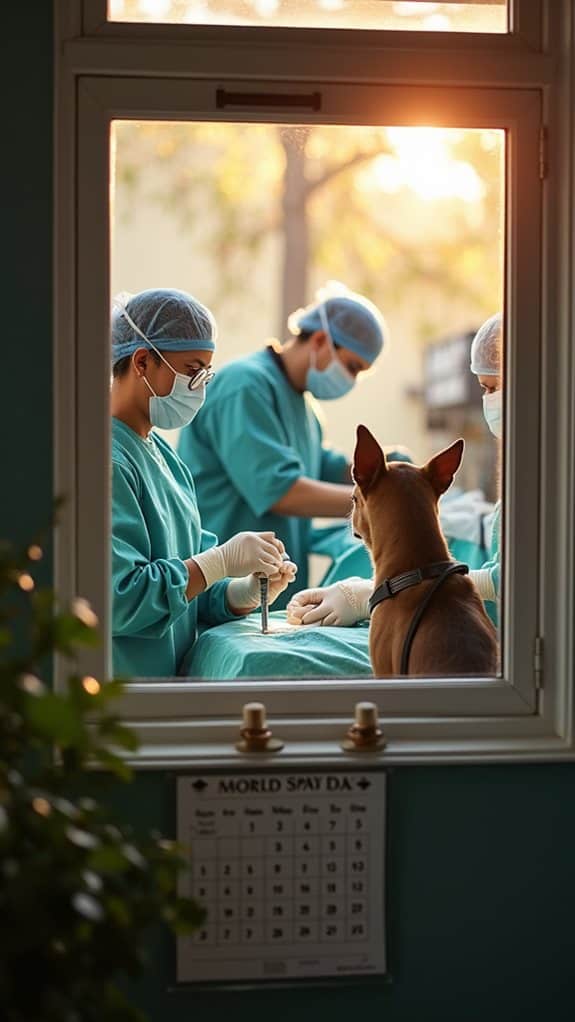
Veterinarians stand at the forefront of addressing one of our most pressing animal welfare challenges: pet overpopulation.
Through shelter partnerships and innovative programs like Trap-Neuter-Return, they're working tirelessly to reduce the staggering number of homeless pets in our communities.
You'll be glad to know that your local vets aren't just performing surgeries – they're leading community outreach efforts and developing new approaches to population control.
They're exploring non-surgical sterilization methods and creating extensive programs that consider both animal welfare and public health.
It's a big job, considering that an estimated 70 million homeless dogs and cats are struggling to survive, but with your support and participation in spay/neuter initiatives, you're helping veterinarians make a real difference in addressing this critical issue.
Taking Action: Resources and Support Networks
When you're ready to explore spay/neuter options for your pet, you'll find that local veterinary networks and support systems can make the process much easier.
You can connect with programs like SPAY USA or your state's specific initiatives, which often provide financial assistance and reduced-cost services for pet owners.
Whether you're working with a local clinic or a national organization, these resources guarantee you won't have to navigate the journey alone, and many offer sliding-scale fees based on your income level.
Local Veterinary Support Networks
Local veterinary support networks play an essential role in making World Spay Day accessible to pet owners across communities.
If you're in the Lewisville area, you'll find dedicated local clinic services at both Lewisville North Animal Clinic and ABC Veterinary Clinic, where caring professionals are ready to help with your pet's needs.
These community outreach champions offer:
- Extensive spay/neuter services at competitive rates
- Complete wellness examinations and preventative care
- Advanced diagnostic and surgical procedures
- Specialized care for senior pets
You'll find that these local clinics aren't just service providers – they're your partners in pet health.
They understand your commitment to responsible pet ownership and work hard to make essential services available when you need them most.
Whether you're a new pet parent or a seasoned owner, they're here to support your journey.
Finding Financial Assistance Programs
Understanding the financial challenges of pet care, numerous organizations and programs stand ready to help make spay and neuter services more affordable.
You'll find financial aid options ranging from national organizations like The Texas Veterinary Medical Foundation to community outreach programs in your own backyard.
If you're looking for support, there's good news: you've got plenty of options! National groups like Paws 4 A Cure offer grants up to $500, while state-specific programs in places like Tennessee and Maryland provide free services to qualifying pet owners.
Can't find what you need? Check out online platforms like PetSmart Charities' database or Waggle to connect with additional resources.
Final Thoughts
While you're reading this, thousands of unwanted pets face uncertain futures in shelters worldwide – yet you've got the power to change that. Isn't it ironic that in our advanced society, we're still struggling with basic pet population control? You don't need to be a hero to make a difference; you just need to be responsible. By supporting World Spay Day, you're not just helping one pet – you're creating ripples of change that'll transform countless animal lives.