The Best Fluffy Pancakes recipe you will fall in love with. Full of tips and tricks to help you make the best pancakes.

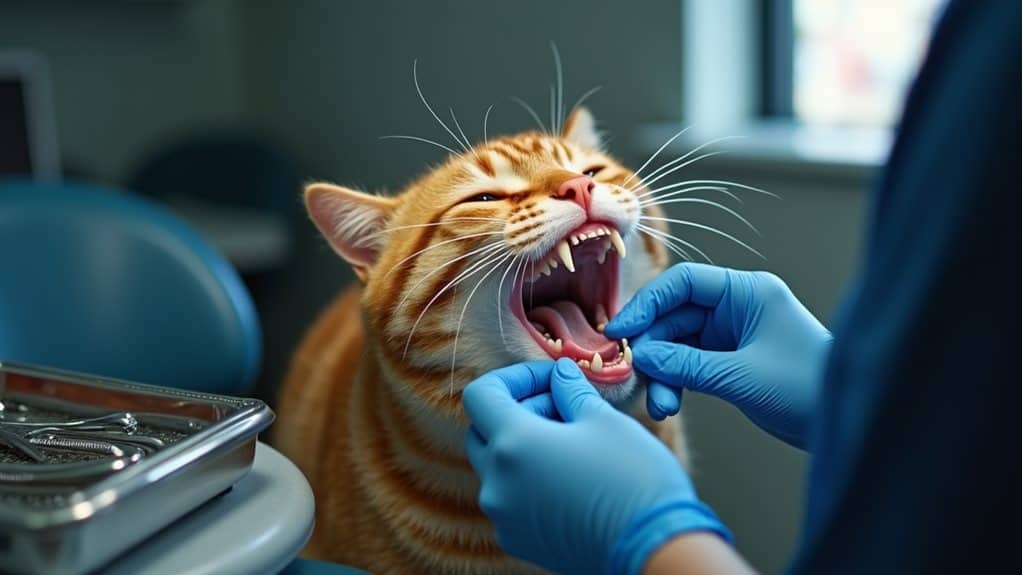
Did you know that a staggering 90% of cats over four years old battle dental disease? You've probably noticed your furry friend's breath isn't exactly fresh and rosy, but there's more to feline dental health than just stinky kisses. As your cat's guardian, you'll want to understand how proper dental care can add years to their life and save you thousands in vet bills. Let's explore why February's focus on feline dental health might be your cat's ticket to a happier, healthier future.
Understanding the Scope of Feline Dental Disease
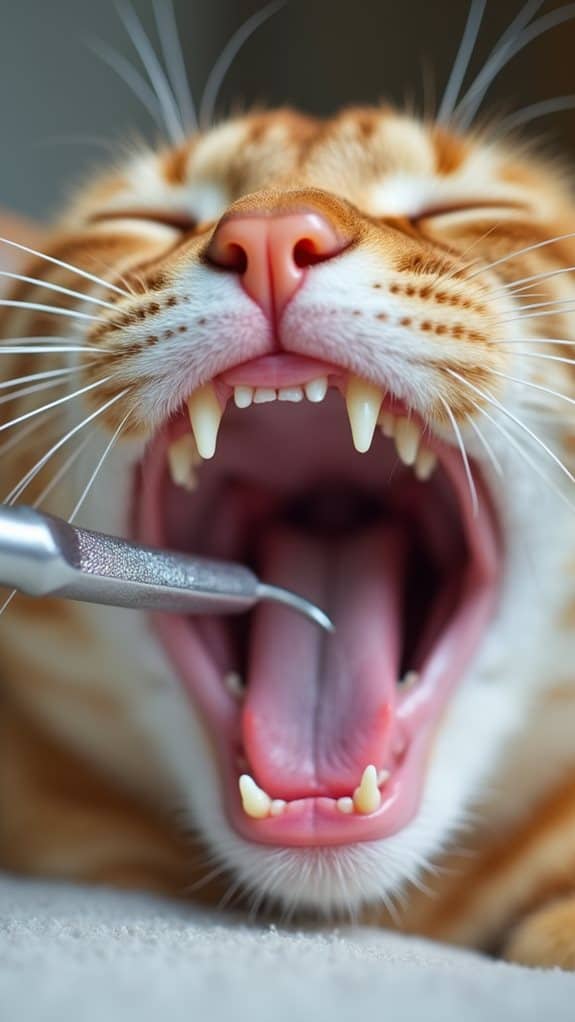
While your cat may seem perfectly content grooming every other part of their body, they can't brush their own teeth – and that's where dental disease becomes a serious concern.
You might be surprised to learn that up to 90% of cats over four years old struggle with some form of dental disease, making it one of the most common health issues our feline friends face. Regular brushing is essential for preventing periodontal disease and maintaining your cat's dental health.
What starts as simple plaque can quickly progress to tartar and periodontal disease, potentially affecting your cat's overall health, including their heart, liver, and kidneys.
Since cats naturally hide signs of pain, detecting dental problems through regular check-ups is crucial for early intervention.
When left untreated, conditions like tooth resorption and gingivitis can cause severe pain and make eating difficult for your cat.
The good news? Most dental problems are preventable with proper care. By understanding these risks and implementing prevention strategies early, you're taking an essential step in protecting your cat's health and ensuring they'll keep purring for years to come.
Common Dental Problems in Cats
Your cat's teeth can face several serious conditions, including tooth resorption, which happens when the body mysteriously starts breaking down tooth structure beneath the gumline.
If you notice your cat's gums looking red, swollen, or bleeding easily, they might be dealing with gingivitis, a common inflammatory condition that's often the first sign of dental trouble. Untreated gingivitis can lead to life-threatening periodontal disease. Since yearly exams are crucial for catching these issues early, schedule regular veterinary visits. Regular monitoring of your cat's overall health, including urinary health, is key to preventing complications that could exacerbate dental issues.
While these conditions might sound scary, they're much easier to manage when caught early, so it's worth checking your cat's mouth regularly for any unusual changes.
Understanding Tooth Resorption
Despite its unfamiliar name, tooth resorption affects a staggering number of cats, impacting up to 60% of all felines and even more in those over five years old. This condition may also be exacerbated by underlying health issues such as hypertrophic cardiomyopathy that can affect the cat's overall well-being.
While the exact tooth resorption causes remain mysterious, some experts believe excessive vitamin D in commercial cat food might play a role in this painful condition. Bad oral hygiene and existing dental disease can increase the likelihood of developing tooth resorption. This condition causes erosion of dentin, gradually destroying the affected teeth over time.
If you notice your kitty tilting their head while eating, preferring soft food, or pawing at their mouth, it's time for a vet visit. Your cat's tooth resorption treatment will likely involve removing affected teeth, as the condition irreversibly damages their dental structure.
Don't wait for obvious signs – cats are masters at hiding discomfort. Schedule annual dental checkups with your vet, who can spot early warning signs like small pink spots along the gum line before they become major problems.
Signs of Feline Gingivitis
A cat's happy smile can quickly turn into a painful grimace when gingivitis strikes, making every bite a potential source of discomfort.
If you're noticing your furry friend pawing at their mouth, drooling more than usual, or struggling during mealtime, these could be telltale gingivitis symptoms that shouldn't be ignored. Even though your cat seems fine, they may be experiencing severe dental disease without showing obvious signs of pain. Untreated dental issues can lead to further health complications, including infections.
Watch for signs of dental discomfort like redness along the gumline, bleeding when eating, or your cat crying during meals. Regular health check visits are crucial since cats often mask their dental pain.
You might also notice them eating messily or favoring one side of their mouth. That unpleasant kitty breath isn't just morning mouth – it could signal underlying dental issues that need attention.
Don't wait until your cat starts dropping food or losing weight to take action. Early detection and treatment can prevent more serious complications down the road.
Breed-Specific Dental Health Risks
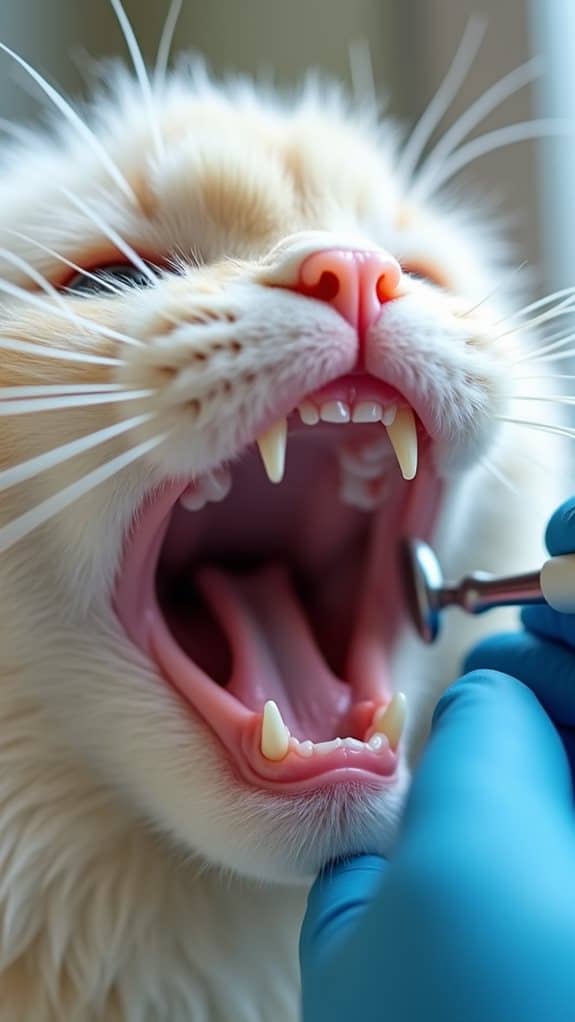
Different cat breeds face unique dental health challenges, with some being considerably more prone to specific oral problems than others.
If you've got a Siamese or Oriental Shorthair, you'll want to watch for signs of periodontal disease, as these breeds have strong breed predispositions to dental issues. Studies show that Siamese cats face 18.7% higher rates of periodontal disease diagnosis compared to other breeds. Additionally, these breeds may also be at increased risk due to their weakened immune systems, which can complicate dental health.
Maine Coons and British Shorthairs often struggle with overcrowded teeth, while Abyssinians and Russian Blues have dental genetics that make them more susceptible to tooth problems. The MMP9 gene plays a significant role in feline dental health risks.
Your cat's facial structure can also impact their dental health – those adorable flat-faced breeds are more likely to experience tooth crowding and bite issues.
Understanding these breed-specific risks helps you take proactive steps in caring for your cat's teeth, whether that's through more frequent cleanings or earlier interventions when problems arise.
Regional Trends in Cat Dental Health
If you're living in the Northeast, your cat may have better odds of avoiding dental problems, with only 55.5% of cats diagnosed with dental issues compared to the Midwest's staggering 70.2%.
These regional differences aren't just numbers on a chart – they reflect real variations in veterinary access, local pet care habits, and even the types of cats common to each area.
You'll want to pay special attention to your cat's dental care if you're in areas with higher prevalence rates, like Iowa, Idaho, or Minnesota, where dental issues are especially more common. Additionally, maintaining your cat's overall health through regular veterinary check-ups can help prevent dental problems from arising.
Northeast's Healthier Dental Stats
Recent studies show that cats in the Northeast region of the United States enjoy better dental health compared to their feline friends across the country.
If you're a cat parent in Connecticut, Massachusetts, or New York, you'll be happy to know your furry friend is living in an area with lower dental disease rates. This trend isn't just luck – it's the result of proactive oral hygiene and care.
Here's what makes Northeast cats' dental health stand out:
- Higher rates of regular professional cleanings
- Earlier initiation of dental care during kittenhood
- Better access to specialized veterinary dental services
Additionally, regular veterinary consultations can help tailor vaccination plans that support overall health, including dental well-being.
While these stats are encouraging, don't let your guard down! Your cat still needs consistent dental care to maintain those healthy chompers.
Regular checkups and daily home care will help keep your feline's smile bright and pain-free.
Regional Care Disparities Matter
Regional variations in cat dental health paint a striking picture across America, where your feline friend's zip code might actually influence their dental destiny.
The Midwest leads with concerning statistics, showing 70.2% of cats facing dental issues, while other regions hover between 62-66%. These differences aren't just random – they're often tied to regional diet impacts and veterinary access barriers in your area.
You'll want to pay special attention if you're in Iowa, Idaho, or Minnesota, where cats show higher rates of dental disease. Regular veterinary check-ups for parasite screening can also play a vital role in ensuring overall health, including dental well-being.
Even if you're in an area with better statistics, like Connecticut or Massachusetts, don't let your guard down.
Working closely with your vet to develop a tailored dental care plan that accounts for your region's specific challenges can help your cat beat these geographical odds.
Age-Related Dental Concerns
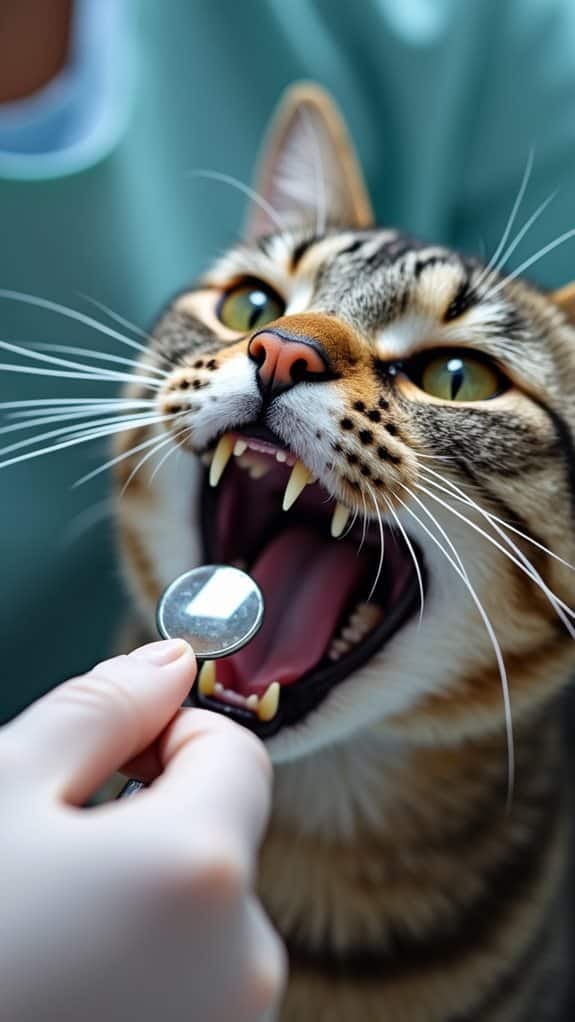
As your cat enters their senior years, dental problems become increasingly common and require extra attention from caring pet parents.
Understanding senior care and proper dental hygiene is vital, as 50-90% of cats over four years old develop some form of dental disease.
Watch for these warning signs that your cat needs dental attention:
- Consistently bad breath that won't go away
- Red, swollen, or bleeding gums
- Changes in eating habits or behavior
You can help protect your aging cat's teeth through regular professional cleanings and at-home care.
Don't worry about their age when it comes to dental procedures – it's never too late to start proper dental care. Regular veterinary check-ups are essential in maintaining overall health, including dental hygiene.
Early intervention is key to preventing painful conditions and ensuring your senior cat maintains a healthy, comfortable smile throughout their golden years.
Essential Home Dental Care Tips
Three key components form the foundation of proper at-home dental care for your feline friend: daily brushing, a healthy diet, and the right dental tools.
When it comes to toothbrush selection, opt for a cat-specific brush with soft bristles or a finger brush that'll make the process easier for both you and your kitty.
You'll want to introduce brushing gradually, starting with gentle gum massages using a finger cot or gauze. Remember to pair these sessions with plenty of praise and dental treats to create positive associations.
If your cat's resistant to brushing, don't worry – you're not alone! Start with short sessions and work your way up. Regular grooming can also help monitor your cat's overall health, including signs that can be related to skin issues affecting dental health.
Combine your home care routine with regular vet check-ups, and you'll be setting your furry friend up for a lifetime of healthy teeth and gums.
Warning Signs of Dental Problems

Knowing what to look for can make all the difference in catching your cat's dental problems early. Watch for these common indicators of poor oral hygiene, including bad breath, drooling, and changes in eating habits.
If you notice your furry friend pawing at their mouth or showing signs of dental pain, it's time for a vet visit.
Keep an eye out for these serious warning signs:
- Bleeding or red, swollen gums
- Visible tartar buildup or discolored teeth
- Facial swelling, especially around the cheeks
Don't ignore behavioral changes like decreased grooming or irritability – they're often your cat's way of saying something's wrong.
Professional Dental Care and Prevention
Professional dental care plays an essential role in keeping your cat's teeth healthy and pain-free throughout their life. As a responsible pet parent, you'll want to schedule regular cleanings, which typically cost between $100 and $400.
These preventive measures include a thorough examination, X-rays, and scaling both above and below the gum line.
Don't let the cost deter you from proper dental maintenance – addressing problems early can save you thousands in the long run! Your vet will perform a preanesthetic evaluation to guarantee your cat's safety during the 45-75 minute procedure.
While you're maintaining good oral health at home through regular brushing, professional cleanings are still essential. Since 85% of cats develop periodontal disease by age two, you'll want to schedule these cleanings at least annually to keep your furry friend's smile bright!
Final Thoughts
Your cat's dental health isn't just about fresh breath; it's about their overall well-being. Take Sarah's cat Max, who struggled with gingivitis until she started a consistent dental care routine. Now, he's thriving at age 12 with healthy teeth and gums. You'll find that dedicating just a few minutes daily to your cat's dental care can prevent painful conditions and costly treatments while adding years of happy purrs to their life.