The Best Fluffy Pancakes recipe you will fall in love with. Full of tips and tricks to help you make the best pancakes.

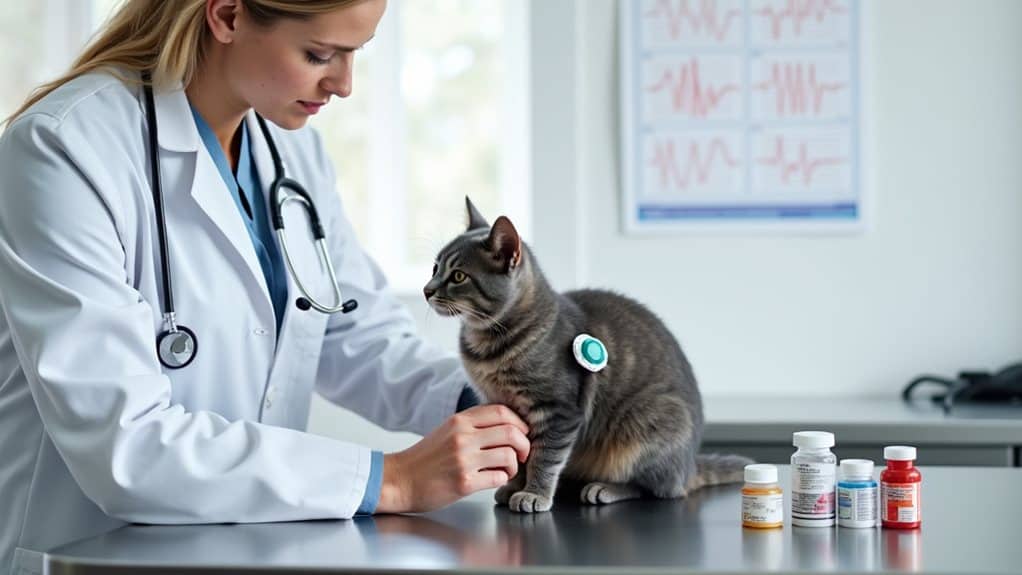
Feline heart disease symptoms include decreased energy, labored breathing, quick fatigue, and reduced appetite. Most cats suffer from hypertrophic cardiomyopathy, where heart walls thicken and impair blood flow. Your vet can diagnose through physical exams, blood tests, and echocardiograms. Treatment typically involves medications like ACE inhibitors and diuretics, alongside low-sodium diets and gentle exercise. Regular check-ups are essential for monitoring your cat’s progress and adjusting their care plan as needed. Discover how proper management can help your furry friend thrive despite their condition.
Common Types of Heart Disease in Cats
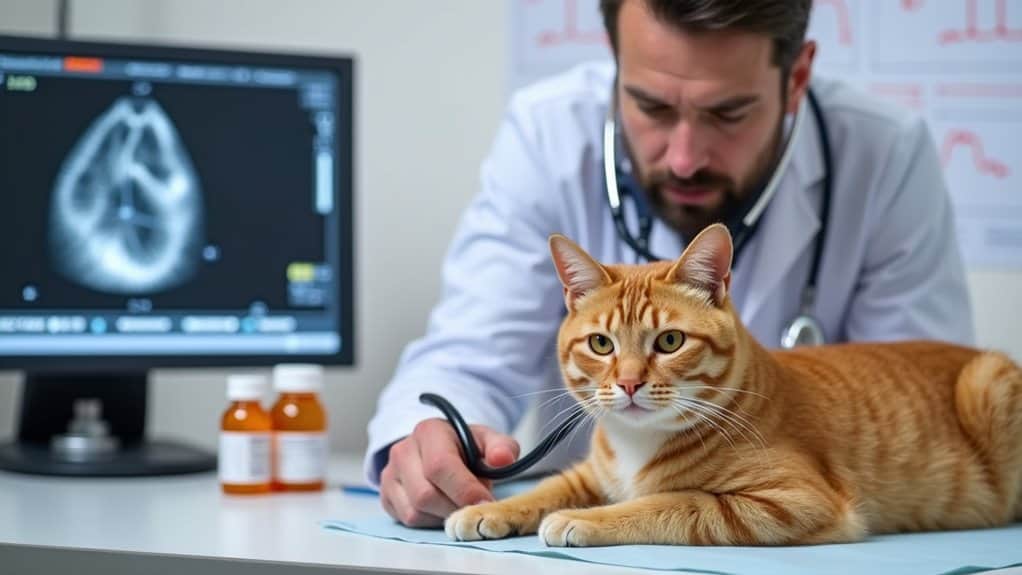
Cats commonly suffer from two major types of heart disease that you’ll want to be familiar with if you’re a feline parent.
Hypertrophic cardiomyopathy (HCM) is the most prevalent, affecting about 1 in 7 cats. This condition occurs when heart muscle walls thicken, making it harder for chambers to fill and pump blood efficiently. Some breeds like Maine Coons and Ragdolls have genetic predispositions to HCM, but it can appear in any cat.
Dilated cardiomyopathy causes include taurine deficiency, genetic factors, and sometimes toxin exposure. In this condition, your cat’s heart chambers expand and weaken, reducing pumping efficiency. Regular echocardiography assessments can help monitor heart size and function, which is crucial for early detection.
While less common today thanks to taurine-enriched commercial cat foods, it’s still something to watch for, especially in older cats. Your vet can detect these conditions before visible symptoms appear, which is why regular check-ups matter so much!
Recognizing Warning Signs and Symptoms
While heart disease often develops silently in the early stages, recognizing warning signs when they appear can be life-saving for your feline friend.
Watch for decreased energy levels, rapid or labored breathing, and coughing, which might indicate your cat’s heart isn’t functioning properly. You’ll also notice if your cat tires quickly during play or avoids jumping up to favorite perches.
Early detection is essential, so don’t ignore subtle changes in behavior. If your cat’s appetite decreases or you observe unexplained weight loss, consult your vet immediately.
Some cats may experience fainting episodes or show a bluish tinge to their gums, signaling reduced oxygen. Regular vet check-ups can help monitor heart health and detect problems early.
Preventive measures include regular vet check-ups where your vet can listen for heart murmurs or irregular rhythms, often catching problems before symptoms appear.
Diagnostic Tools and Testing Procedures
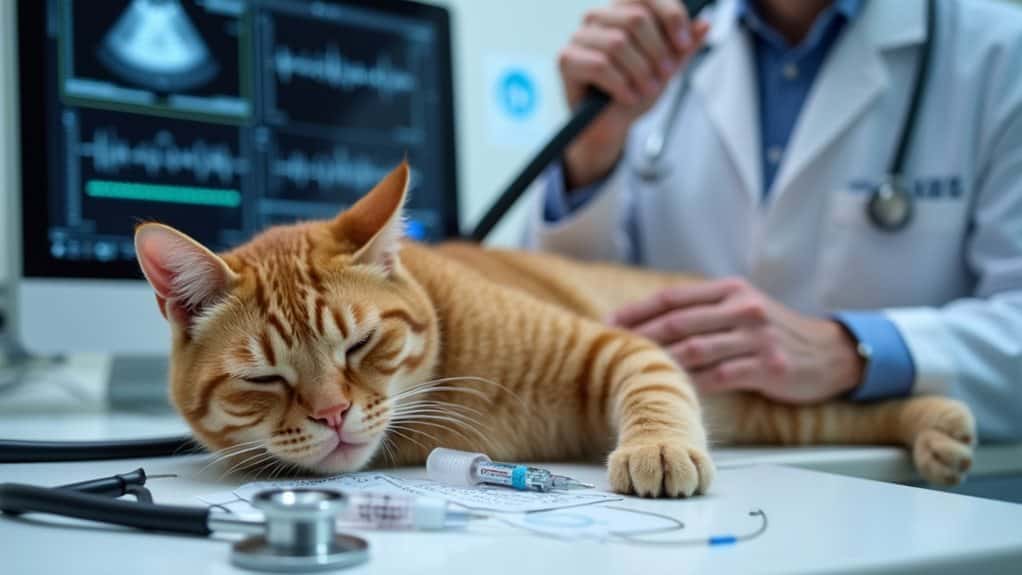
Once heart disease symptoms appear in your cat, veterinarians rely on several sophisticated diagnostic tools to confirm the condition and determine its severity.
Your vet will likely begin with a thorough physical examination, listening carefully to your cat’s heart for murmurs or irregular rhythms.
A skilled veterinarian’s stethoscope often reveals the first clues to your cat’s hidden heart condition.
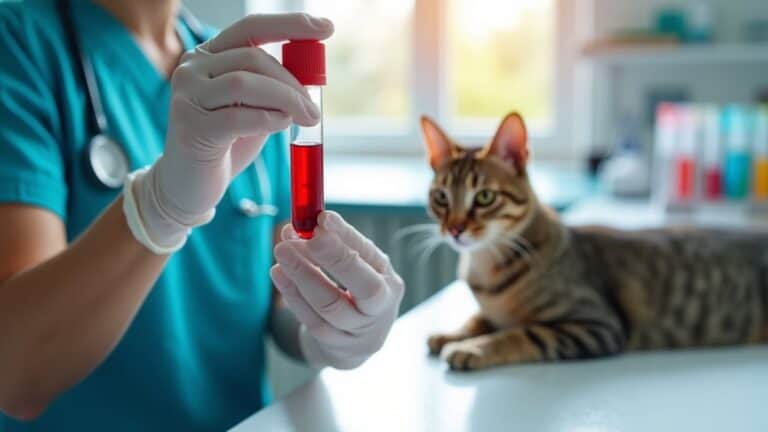
Blood tests play an essential role in diagnosis, measuring specific markers that indicate heart damage.
Don’t be surprised if your vet recommends an ultrasound imaging procedure, also called an echocardiogram—it’s the gold standard for visualizing your cat’s heart in action!
This painless test shows the heart’s chambers, valves, and how effectively they’re working together. Many cats tolerate these procedures well, especially with your comforting presence nearby.
X-rays and ECGs might also be necessary to create a complete picture of your furry friend’s cardiac health. Additionally, monitoring liver function through regular blood tests is crucial, as elevated liver enzymes can indicate underlying health issues affecting the heart.
Medical Treatment Approaches and Medications
After receiving a clear diagnosis for your cat, it’s time to explore effective treatment options that can improve your pet’s quality of life.
Your veterinarian will likely prescribe medications customized to your cat’s specific heart condition, which may include ACE inhibitors to relax blood vessels, diuretics to reduce fluid buildup, or beta-blockers to control heart rate.
While surgical interventions aren’t common for feline heart disease, they’re occasionally necessary for certain conditions like congenital defects.
Don’t overlook alternative therapies that can complement traditional medicine—some pet parents report success with supplements like taurine and omega-3 fatty acids.
Regular follow-up appointments are essential to monitor your furry friend’s progress and adjust medications as needed. Additionally, understanding how Feline Leukemia Virus (FeLV) can impact overall health is crucial for any cat owner managing chronic conditions.
Lifestyle Management and Long-Term Care
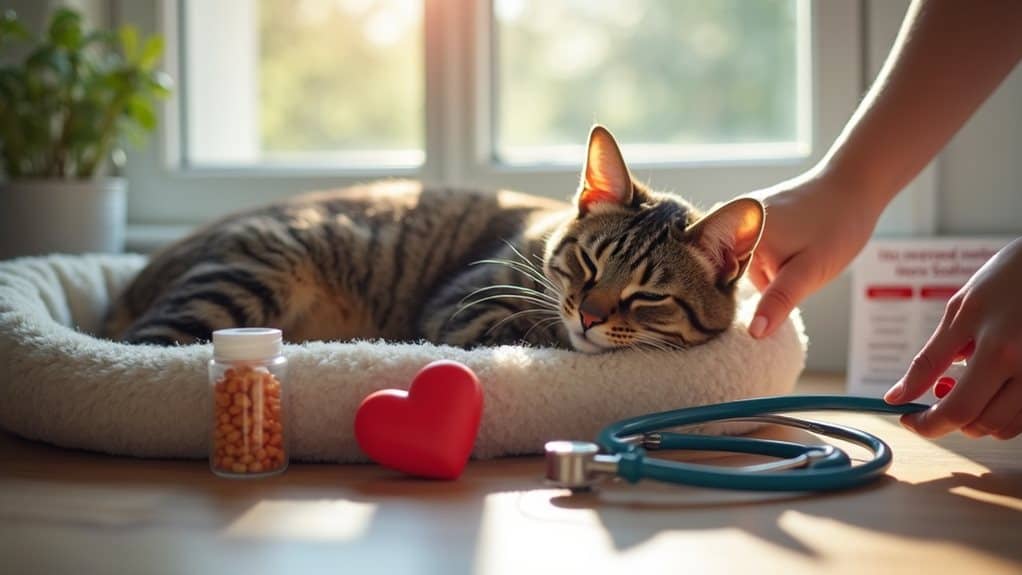
Creating a heart-friendly home environment becomes essential when you’re caring for a cat with heart disease. You’ll need to make thoughtful dietary adjustments, often switching to low-sodium options that your veterinarian recommends. These specialized diets help reduce fluid retention and ease the burden on your cat’s heart.
When it comes to exercise routines, you’ll want to strike a careful balance. Short, gentle play sessions can maintain muscle tone without overtaxing your furry friend’s cardiovascular system.
Watch for signs of fatigue—if your cat pants or seems exhausted, it’s time for a break.
Regular vet check-ups are non-negotiable. You’ll likely need to monitor medications, track weight changes, and adjust care as needed. Consulting with veterinarians is essential for personalized care and dietary adjustments to ensure your cat’s well-being.
Frequently Asked Questions
Are Certain Cat Breeds More Susceptible to Heart Disease?
Yes, your cat’s breed plays a key role in heart disease risk. Maine Coons, Ragdolls, and Persians have considerable breed predisposition due to genetic factors that increase their vulnerability to specific cardiac conditions.
Can Cats Live Normal Lives After a Heart Disease Diagnosis?
By Jove, yes! You’ll find your cat can lead a fulfilling life with proper treatment. Recovery expectations vary, but with lifestyle adjustments like medication, diet changes, and regular vet visits, many cats maintain good quality lives.
How Does Stress Affect Cats With Heart Conditions?
Stress worsens your cat’s heart condition by increasing heart rate and blood pressure. Focus on stress management through environmental enrichment, quiet spaces, and consistent routines to reduce cardiovascular strain on your furry companion.
Is Heart Disease in Cats Contagious to Other Pets?
No, feline heart disease isn’t contagious to other pets. You don’t need to worry about transmission between your animals. Heart conditions in cats typically develop from genetic factors, age, or underlying health issues rather than infectious causes.
Can Dietary Supplements Prevent Feline Heart Disease?
While you might hope for a miracle solution, most supplements haven’t proven their efficacy in preventing feline heart disease. You’ll see better results through targeted dietary changes recommended by your vet for high-risk cats.
Final Thoughts
You’ll find that feline heart health requires patience and proactive partnership with your vet. With proper diagnosis and dedicated daily care, your furry friend can still flourish despite heart disease. Remember, monitoring medications, maintaining meaningful appointments, and minimizing your cat’s stress will make managing their condition more manageable. Your attentive actions today can lead to many more purring, playful tomorrows with your beloved companion.