The Best Fluffy Pancakes recipe you will fall in love with. Full of tips and tricks to help you make the best pancakes.

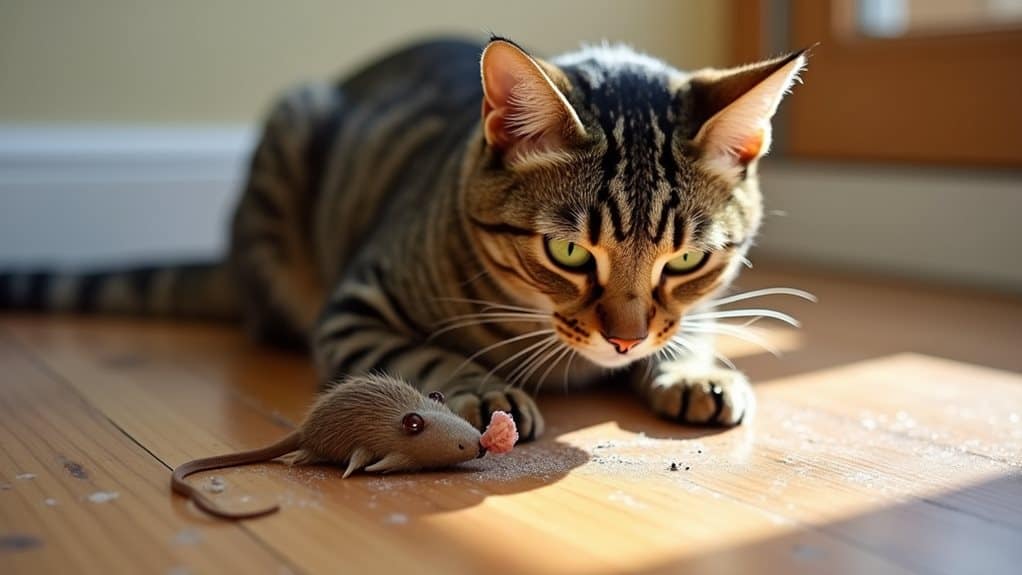
Obsessive cat behaviors like over-grooming, tail chasing, or excessive scratching often stem from anxiety, environmental changes, or neurochemical imbalances. You’ll notice warning signs when these actions interfere with normal eating or sleeping patterns. If your cat’s developing bald patches or ignoring food, consult your vet promptly. Treatment options include anti-anxiety medications, environmental enrichment, and creating a calm home sanctuary with safe zones. Understanding what triggers your cat’s compulsions will help you develop an effective intervention plan.
Identifying Common Obsessive Behaviors in Cats

Cats, those mysterious bundles of fur we adore, sometimes display behaviors that might leave you scratching your head. When your kitty’s normal quirks transform into repetitive actions that seem excessive, you’re likely witnessing obsessive behavior.
Watch for signs like over-grooming, where your cat licks until bald patches appear, or constant chasing of tails or shadows. These aren’t just cute antics—they’re potential indicators of feline anxiety.
Excessive licking or shadow-chasing aren’t just quirky cat behaviors—they often signal underlying anxiety requiring attention.
You’ll notice the difference between normal play and obsession when activities become intrusive to your cat’s daily life.
Other common compulsions include excessive scratching in one spot, rhythmic meowing, or fabric sucking. If your cat can’t seem to stop a particular behavior even when distracted, it’s time to reflect on whether stress or anxiety might be driving these repetitive patterns. Providing separate resources and a calm environment can help alleviate anxiety and reduce obsessive behaviors.
The Science Behind Feline Compulsions
Understanding why your furry friend gets caught in repetitive behavior loops requires a peek into their neurological wiring. Cats’ brains, like humans’, release serotonin and dopamine—chemicals that regulate mood and behavior. When these neurotransmitters become imbalanced, often due to feline anxiety, compulsive behaviors can emerge as coping mechanisms.
Your cat’s environment plays a vital role too. Limited stimulation, sudden changes, or past trauma can trigger these behaviors. Think of it as your cat’s way of self-soothing when their world feels unpredictable. Creating a stress-free environment can significantly reduce triggers that lead to compulsive actions.
The good news? Behavioral therapy approaches have shown remarkable success. By addressing both the neurological and environmental factors, you can help your cat break free from these patterns.
Environmental Triggers and Risk Factors

Your cat’s environment plays a major role in triggering obsessive behaviors, with changes like new pets or moving homes often sparking stress-related compulsions.
You’ll notice that cats with certain genetic backgrounds may be more prone to developing these behaviors, particularly purebreds like Siamese or Abyssinian cats.
If you’ve seen multiple cats in your household exhibiting similar obsessive traits, it’s likely that both their shared environment and genetic factors are working together to influence these behaviors. Additionally, the establishment of trust between mother cats and humans is crucial for a stable environment, as disruptions may contribute to stress in multiple cats.
Stressors in Surroundings
When environmental triggers bombard a cat’s surroundings, even the most laid-back feline can develop obsessive behaviors. Your cat’s home environment greatly impacts their mental wellbeing. Without proper environmental enrichment, cats often lack the sensory stimulation they crave, leading to repetitive behaviors like excessive grooming or pacing.
- A cluttered home with unpredictable pathways creates anxiety for cats who rely on territory mapping.
- Loud, sudden noises from construction, music, or arguments trigger stress responses.
- New pets or family members disrupting established hierarchies.
- Chemical irritants from cleaning products or air fresheners overwhelming sensitive feline noses.
You’ll notice your cat responds differently to various stressors—some might hide, while others act out. Recognizing these environmental triggers is your first step toward helping your furry friend find balance again. Additionally, improving environmental enrichment in your home can significantly alleviate stress and encourage exploration.
Genetic Predisposition Factors
Genetics play an important role in your cat’s susceptibility to obsessive behaviors, often working silently behind the scenes of their quirky habits.
Some breeds naturally display more compulsive tendencies than others, with specific genetic markers influencing how your feline friend responds to stress or stimulation.
If your cat’s parents exhibited obsessive grooming, pacing, or fabric sucking, your pet may have inherited these traits.
Oriental breeds like Siamese and Abyssinians, for instance, tend to show more wool-sucking behaviors than other cats.
While you can’t change your cat’s DNA, understanding their inherited predisposition helps you create better management strategies.
Additionally, factors such as nutrition and environment can significantly impact the expression of these behaviors in affected breeds.
Think of it as knowing they’ve got a quirky family history—it doesn’t define them, but it certainly explains why your cat might be more interested in chasing shadows than your neighbor’s tabby!
When to Seek Veterinary Intervention
You’ll want to call your vet if your cat’s obsessive behaviors start to worsen or become more frequent, as these escalating patterns often signal a deeper issue.
When physical symptoms like hair loss, skin irritation, or weight changes accompany these behaviors, it’s definitely time for professional evaluation.
Even if you’ve tried home remedies or environmental changes without success, don’t get discouraged—treatment-resistant conditions may respond to veterinary interventions like medication or specialized behavioral therapy. Additionally, ensuring your cat lives in a clean environment can help reduce stress and compulsive behaviors.
Escalating Behavioral Patterns
Recognizing the difference between quirky cat behaviors and truly problematic obsessions can be challenging for even the most attentive pet owners.
When your cat’s habits start intensifying, it’s time to pay close attention. Escalating behaviors often follow predictable behavioral cycles that worsen over time without intervention.
You’ll notice your cat’s compulsions taking more of their daily life, disrupting normal activities like eating and sleeping.
- Your once playful kitty now chases her tail until she’s panting and exhausted.
- Grooming that’s progressed from occasional to constant, leaving bald patches.
- Previously occasional paw-licking that now wakes you up at night.
- A cat who used to occasionally stare at walls now ignores food to maintain the vigil.
These patterns rarely resolve without help, so don’t wait too long to act. Understanding potential medical issues affecting behavior is essential for timely intervention.
Physical Symptoms Emerge
As obsessive behaviors worsen, they often manifest as concerning physical symptoms that shouldn’t be ignored. Your cat’s mental distress can quickly impact their physical health, creating a troubling cycle that requires prompt attention. It’s essential to consider that conditions like flea infestations or allergies could also exacerbate the situation and contribute to hair loss.
| Physical Symptom | Behavioral Signs | When to Act |
|---|---|---|
| Hair loss/wounds | Excessive grooming | First signs of bald patches |
| Weight loss | Food avoidance | 5-10% body weight decrease |
| Lethargy | Decreased play | Lasting more than 48 hours |
Watch for these warning signs carefully. If your cat’s fur becomes patchy, they lose interest in food, or they seem unusually tired, it’s time to call the vet. Remember, what starts as a quirky behavior can progress to something that compromises your cat’s wellbeing. Trust your instincts—you know your feline friend best, and early intervention often leads to better outcomes.
Treatment-Resistant Conditions
While many feline obsessive behaviors respond well to environmental changes and basic interventions, some cats develop treatment-resistant conditions that require professional help.
You’ll need to consult your veterinarian if your cat doesn’t improve after initial treatment attempts. Many vets now incorporate cognitive behavioral therapy techniques alongside feline anxiety medication for stubborn cases.
- Your cat pacing relentlessly at night, wearing a path in your carpet despite all enrichment efforts
- Fur missing in patches from excessive grooming, creating raw spots that won’t heal
- Food obsessions so severe your cat injures itself trying to access cabinets
- Self-mutilation behaviors that continue despite using calming pheromones and deterrents
In some cases, infectious complications may arise due to stress-induced behaviors, necessitating closer evaluation of your cat’s health.
Don’t wait too long to seek help—treatment-resistant conditions often worsen over time, but with professional intervention, even challenging cases can improve.
Treatment Options: Medical and Behavioral Approaches
Since obsessive behaviors in cats often stem from complex causes, you’ll need an extensive treatment plan that addresses both medical and behavioral factors. Your vet might prescribe anti-anxiety medications or selective serotonin reuptake inhibitors (SSRIs) that can help balance your cat’s brain chemistry.
These medical therapies often work best when combined with consistent behavioral interventions. You’ll want to enrich your cat’s environment with toys, climbing structures, and regular play sessions.
Try to identify and eliminate triggers that spark your kitty’s obsessive behaviors. Clicker training and positive reinforcement can redirect unwanted actions into healthier patterns.
Don’t punish your cat—it’ll only increase anxiety! Instead, create a structured routine that provides security and predictability. Remember, patience is key; most cats respond gradually to this combined approach. Additionally, collaborating closely with your veterinarian can lead to a tailored approach based on your cat’s specific Feline Hyperesthesia Syndrome symptoms.
Creating a Stress-Free Home Environment for Recovery

When your cat struggles with obsessive behaviors, transforming your home into a peaceful sanctuary becomes vital for their recovery. Environmental enrichment provides mental stimulation that redirects your cat’s focus away from compulsive actions.
Creating a healing environment isn’t a luxury—it’s essential medicine for cats trapped in compulsive behavior patterns.
Try placing climbing trees near windows or introducing puzzle feeders that engage their hunting instincts.
For maximum calming effects, consider these stress-reducing elements:
- A dedicated “safe zone” with your cat’s favorite bed and toys where they can retreat when overwhelmed
- Soft, diffused lighting instead of harsh overhead fixtures that can trigger anxiety
- Background classical music or nature sounds played at low volume to mask startling noises
- Calming scents like lavender or chamomile diffused in moderation (never vital oils directly on cats!)
You’ll notice positive changes as your home becomes your cat’s healing haven.
Frequently Asked Questions
Can Obsessive Behaviors in Cats Develop Suddenly Without Warning Signs?
Yes, your cat’s obsessive behaviors can appear with sudden onset. However, there are usually subtle warning signs you’ve missed. Watch for changes in grooming, appetite, or activity before compulsions fully develop.
Are Certain Cat Breeds More Susceptible to Compulsive Disorders?
Yes, you’ll find certain breeds are more susceptible due to behavioral genetics. Siamese, Burmese, and Oriental breeds show stronger breed tendencies toward compulsive disorders, particularly wool-sucking, excessive grooming, and pacing behaviors.
Do Obsessive Behaviors in Cats Worsen With Age?
While you’d expect freedom from quirks with maturity, obsessive behaviors often do worsen with age. You’ll notice behavioral deterioration in many senior cats as age-related changes affect their cognitive function and stress tolerance.
Can Cats “Catch” Obsessive Behaviors From Other Household Pets?
No, your cat won’t directly “catch” obsessive behaviors from other pets. However, behavior contagion can occur through pet interactions when cats mimic or respond to stress from another animal’s compulsive habits.
How Do Outdoor Versus Indoor Environments Affect Compulsive Disorders?
While your cat stares at the same wall for hours, outdoor enrichment often reduces compulsive behaviors through natural stimulation. You’ll find indoor stimulation essential too—provide toys, climbing spaces, and scheduled play to prevent obsessive tendencies.
Final Thoughts
You might worry that addressing your cat’s obsessive behaviors will change their unique personality, but that’s far from the truth. When you create a calm environment, provide proper treatment, and show patience, you’re actually helping your feline friend express their true self without the burden of compulsions. Your efforts aren’t just solving a problem—they’re improving your cat’s quality of life and strengthening the special bond you share.