The Best Fluffy Pancakes recipe you will fall in love with. Full of tips and tricks to help you make the best pancakes.

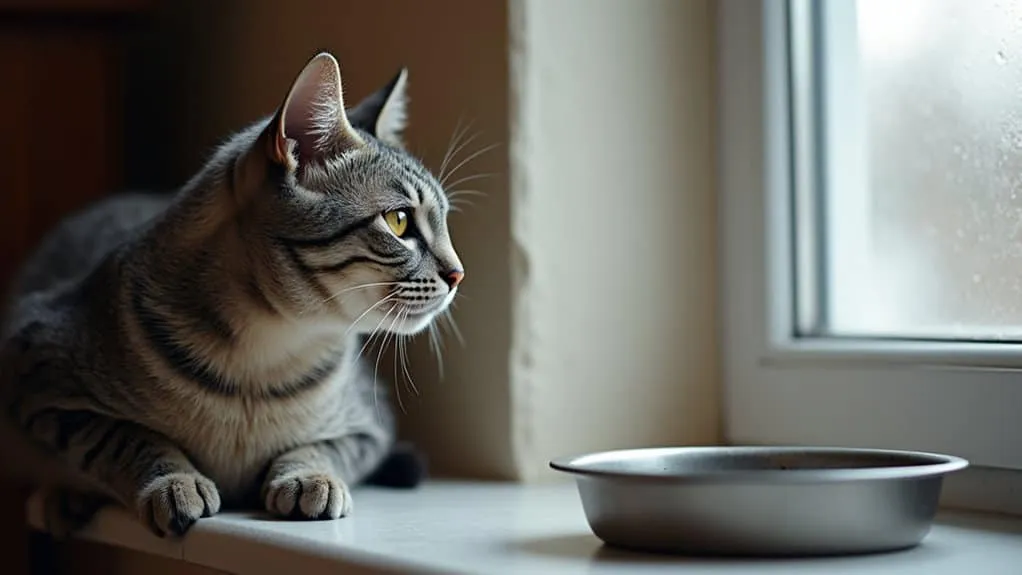
Watch for these warning signs in your senior cat: unexplained weight changes, altered appetite or thirst, decreased grooming, reduced mobility, litter box issues, dental problems, vision/hearing decline, skin changes, lethargy, and behavioral shifts. Don’t dismiss these as “just aging” – they often indicate underlying health problems requiring veterinary attention. Quick action can greatly improve your cat’s comfort and extend their quality years. Discover how these subtle changes might be your feline’s way of asking for help.
Unexplained Weight Loss or Gain
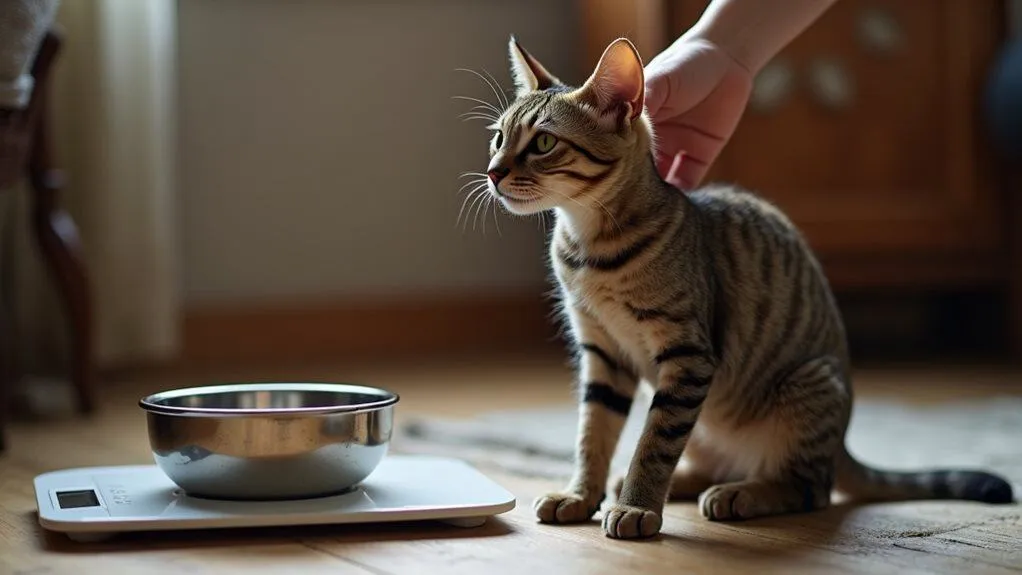
Weight fluctuations in your senior feline friend deserve your immediate attention.
When your 12-year-old tabby suddenly drops pounds or plumps up without changes in routine, it’s time for a vet visit. These shifts often signal underlying health concerns that aren’t immediately obvious to even the most attentive cat parents. Metabolic disorders like thyroid issues or diabetes frequently manifest first as weight changes. Additionally, regular vet check-ups are essential for monitoring urinary health, as these fluctuations can be linked to issues that affect the urinary tract. If your kitty’s ribs become more prominent or their belly grows rounder, don’t just adjust their food bowl—seek professional guidance. While dietary adjustments may help manage symptoms, they won’t address the root cause. Remember how Fluffy used to maintain her sleek physique effortlessly?
When that changes without explanation, your quick response could make all the difference in maintaining her golden years’ quality of life.
Changes in Appetite or Water Consumption
If your senior cat suddenly refuses food or shows less interest in mealtime, it’s time to pay attention to this potential red flag.
You’ll want to monitor your cat’s water intake as well, since excessive thirst can signal kidney issues, diabetes, or other serious conditions in aging felines.
When these appetite or drinking changes occur alongside weight loss, you’re looking at a combination of symptoms that warrants a prompt veterinary visit. Additionally, regular veterinary check-ups are essential for health monitoring, as signs of distress or illness may manifest as behavioral changes.
Sudden Food Refusal
While many senior cats experience normal variations in appetite, sudden food refusal is a red flag that shouldn’t be ignored.
When your aging feline friend completely stops eating for more than 24 hours, it’s time to call the vet. These sudden dietary changes often signal potential health issues that require prompt attention.
Your cat might be refusing food due to dental pain, digestive problems, or even kidney disease – all common in senior cats. Immediate medical attention is critical following such signs, as untreated infections or underlying conditions can worsen if not addressed promptly.
Sometimes, they’ll sniff their favorite meal and walk away, leaving you puzzled and worried.
Don’t wait it out hoping they’ll bounce back on their own.
Excessive Thirst Patterns
Monitoring your senior cat’s water consumption becomes increasingly important as they age, especially when you notice them drinking excessively or lingering at the water bowl. This behavior might indicate underlying health concerns that require prompt veterinary attention. Understanding excessive thirst causes helps you take action sooner rather than later.
Watch for these key indicators:
- Your cat empties their water bowl more frequently than usual
- They seek out unusual water sources like faucets or toilet bowls
- Water consumption increases while appetite decreases
Effective hydration management starts with tracking how much your furry friend drinks daily. Keep fresh water in multiple locations throughout your home, and consider a pet fountain—many cats prefer moving water. Additionally, recognizing symptoms of FIV early can also aid in identifying potential health issues related to excessive thirst.
If excessive drinking continues for more than 24 hours, don’t wait—call your vet, as this could signal diabetes, kidney disease, or hyperthyroidism.
Weight Loss Indicators
Unplanned weight loss in your senior cat serves as one of the most telling health warning signs you shouldn’t ignore. If your fluffy friend is shedding pounds despite a normal appetite, it’s time to visit your vet.
Common weight loss causes in older cats include hyperthyroidism, diabetes, dental disease, and kidney issues—all requiring prompt attention.
Monitor your cat’s body condition by gently feeling their ribs and spine. You should feel the ribs with slight pressure, but they shouldn’t be prominently visible. Ensuring your cat is properly hydrated through increased water intake can also prevent further health complications.
For weight loss prevention, schedule regular vet check-ups every six months for seniors. Weigh your cat monthly on a kitchen scale for precise tracking.
Decreased Grooming and Coat Quality
Your senior cat’s coat can reveal important health clues, especially when grooming habits change.
If you notice matted fur or a once-sleek coat becoming dull and unkempt, it’s often a sign your aging feline lacks the energy or flexibility to maintain proper grooming.
An unusually oily or greasy coat might indicate your cat’s grooming routine has diminished, potentially signaling arthritis pain, dental issues, or other underlying health concerns that deserve your vet’s attention. Regular grooming improves skin condition and can help identify these issues early.
Matted Fur Concerns
Many senior cats struggle with maintaining their once-pristine coats, leading to matted fur that signals potential health problems.
When you notice your elderly feline friend’s fur becoming tangled or clumped, it’s time to take action with appropriate matted fur treatment and grooming techniques.
Here’s what you should know about addressing this common issue:
- Daily brushing helps prevent mats from forming and allows you to check for skin issues hiding beneath the fur.
- Professional grooming every 4-6 weeks can provide a fresh start for severely matted seniors who can’t groom themselves.
- Specialized tools like metal combs with rounded tips and mat splitters can safely address existing mats without hurting your cat’s sensitive skin.
- Regular grooming not only mitigates matting but also promotes air circulation in the coat, preventing overheating.
Don’t ignore matted fur—it’s often a window into your senior cat’s overall health.
Oily Coat Indicators
Telltale signs of an oily coat in your senior cat often indicate more serious underlying health concerns that shouldn’t be dismissed.
When you notice your cat’s fur looking greasy or clumped, it’s time to investigate the oily coat causes that might be affecting your aging feline companion.
Arthritis, dental pain, or obesity can prevent your cat from reaching all body areas during self-grooming.
Sometimes, diabetes or thyroid issues alter skin oil production, creating that greasy appearance.
Don’t worry—you can help with gentle grooming techniques using pet-safe wipes or a soft brush daily.
If your previously fastidious feline now sports a shiny, slick coat, schedule a vet visit.
This change in appearance isn’t just a cosmetic issue—it’s your cat’s way of signaling they need help.
Engaging in regular regular grooming sessions can also promote coat health and allow for early detection of any additional skin problems.
Reduced Mobility and Reluctance to Jump
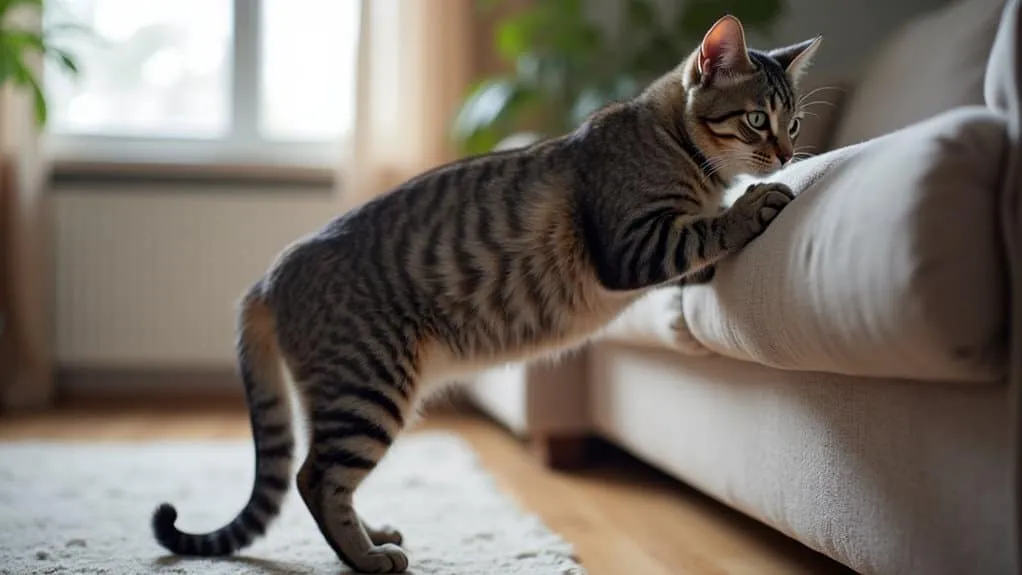
As cats age gracefully into their senior years, their once-nimble bodies often struggle with movements that were previously effortless. You might notice your feline friend hesitating before jumping onto furniture or avoiding multi-level spaces altogether.
These changes could indicate joint pain that requires veterinary attention.
Watch for these common mobility changes in your senior cat:
- Stiffness after napping – especially when they first stand up
- Reluctance to use stairs – opting for single-level pathways instead
- Difficulty grooming – particularly hard-to-reach areas like their back
Environmental enrichment can make a world of difference for your aging companion. Additionally, since cats are drawn to warmth and comfort, ensuring they have cozy resting spots can enhance their well-being.
Consider adding ramps to favorite perches, placing sturdy stepping stools near beds, or lowering litter box sides for easier access. These simple adjustments can help maintain your cat’s independence while reducing discomfort.
Altered Litter Box Habits
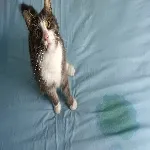
Changes in litter box habits often reveal important clues about your senior cat’s health status. If your normally fastidious feline suddenly starts having accidents around the house or seems uncomfortable in the litter box, it’s time to pay attention.
These behavioral changes aren’t just annoying—they’re your cat’s way of signaling something’s wrong.
Watch for signs like straining, crying while using the box, or frequent trips with little output. Your senior kitty might develop new litter box preferences, perhaps needing a lower-sided box to accommodate arthritic joints.
Urinary tract infections, kidney disease, and diabetes commonly affect older cats and alter elimination patterns. Additionally, inappropriate urination may stem from underlying medical issues requiring prompt veterinary attention.
Don’t scold your aging companion for these accidents; instead, schedule a vet visit. Remember, your cat isn’t being difficult—they’re telling you something important about their health in the only way they can.
Increased Vocalization or Behavioral Changes
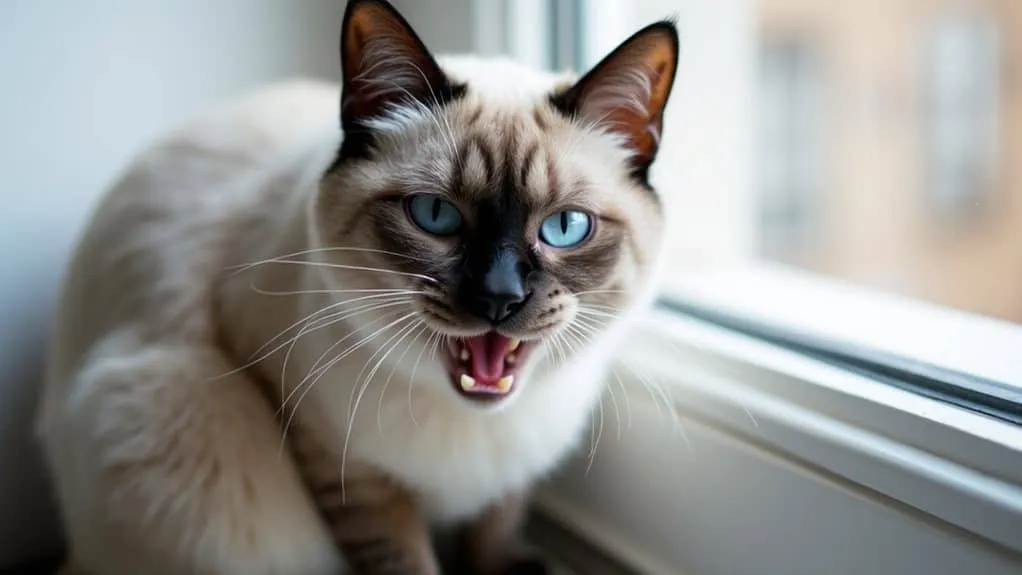
When your once-quiet companion suddenly becomes a midnight opera singer, you’re likely witnessing more than just a new hobby.
Senior cats often communicate discomfort or confusion through new behaviors. Pay attention to these changes as they might signal underlying health concerns.
Watch for these common behavioral shifts:
- Excessive meowing or howling, especially at night, which may indicate increased anxiety or cognitive decline.
- Unusual territorial behavior, such as inappropriate marking or aggression toward other pets.
- Changes in sleep patterns, including restlessness or confusion upon waking.
If your elderly feline friend starts displaying these behaviors, don’t chalk it up to “just getting old.”
These changes often signal treatable conditions like pain, thyroid issues, or cognitive dysfunction. A quick vet visit can help identify the cause and restore your cat’s comfort.
Dental Problems and Bad Breath
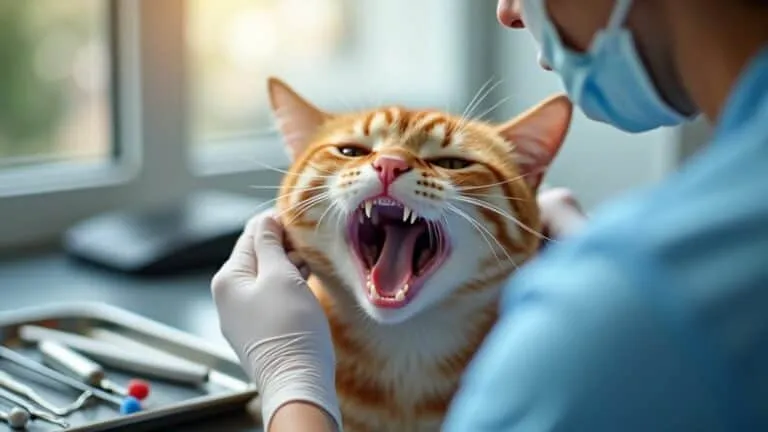
Your cat’s dental health often deteriorates with age, leading to painful gum disease, tooth loss, and that unmistakable fishy breath that makes you turn away.
You’ll notice warning signs like red, swollen gums, difficulty eating, or pawing at the mouth when your senior feline friend is suffering from dental problems.
Regular veterinary dental check-ups, daily tooth brushing with pet-safe toothpaste, and dental treats can help maintain your aging cat’s oral health and prevent more serious complications down the road.
Gum Disease Warning Signs
How quickly can dental issues develop in senior cats? Very rapidly if you’re not paying attention!
Your older kitty’s mouth needs regular check-ups as gum disease symptoms can progress silently until they become serious problems.
Watch for these telltale signs:
- Reddened gum line – Healthy gums are pink, not angry red or bleeding when touched
- Reluctance to eat – If your cat paws at their mouth or drops food while eating, their gums may be tender
- Yellow-brown buildup – Tartar accumulation along the gumline leads to infection and pain
Your cat’s oral hygiene directly impacts their overall health.
When bacteria from gum disease enters the bloodstream, it can affect essential organs.
Don’t wait until your cat shows discomfort—prevention is much easier than treatment!
Tooth Loss Causes
The silent epidemic of tooth loss in senior cats often goes unnoticed until it’s too late. Your feline friend’s teeth might be gradually disappearing due to periodontal disease, the most common culprit. When plaque builds up and hardens into tartar, it creates inflammation that eventually destroys the supporting structures around teeth.
Tooth decay prevention starts with regular home checks. Look for reddened gums, yellow-brown buildup at the gumline, or teeth that appear loose. One of the best dental care tips is establishing a brushing routine early in your cat’s life—though it’s never too late to start!
Other causes include resorptive lesions (painful erosions of tooth structure) and trauma. Remember, cats instinctively hide pain, so your vigilance matters.
An annual veterinary dental exam can catch problems before your senior kitty loses more of their precious chompers.
Proper Dental Care
When dental health deteriorates in senior cats, it often leads to a cascade of related problems beyond just tooth loss.
You’ll notice bad breath, difficulty eating, and sometimes even behavioral changes as your aging feline struggles with oral discomfort. Maintaining proper dental care becomes vital during these golden years.
Here are three fundamental steps for senior cat oral hygiene:
- Schedule regular professional dental cleanings at least annually, as your vet can spot issues you might miss.
- Introduce daily home care with cat-specific toothpaste and a soft brush (or finger brush for sensitive cats).
- Provide dental-friendly treats and toys designed to reduce plaque buildup between cleanings.
Don’t wait until your cat shows signs of pain—preventative dental care can extend both the health and happiness of your furry companion’s life.
Vision and Hearing Impairments
As your senior cat ages, you’ll likely notice gradual changes in their sensory abilities. Your once-alert companion might start bumping into furniture, missing toys during playtime, or failing to respond when you call their name from another room.
Don’t wait until these signs become severe. Regular vision testing can detect early cataracts, retinal problems, or increasing pressure in the eye. Your vet might recommend specialized drops or even surgery for certain conditions.
Early detection saves sight. Regular eye screenings can catch issues before your senior cat’s vision significantly deteriorates.
Similarly, a hearing assessment can determine if your cat’s selective listening is actually hearing loss. Watch for signs like increased vocalization (they can’t hear how loud they are), startling easily when approached from behind, or sleeping more deeply than before.
Many cats adapt remarkably well to sensory changes, but your awareness and support make all the difference.
Lumps, Bumps, and Skin Changes
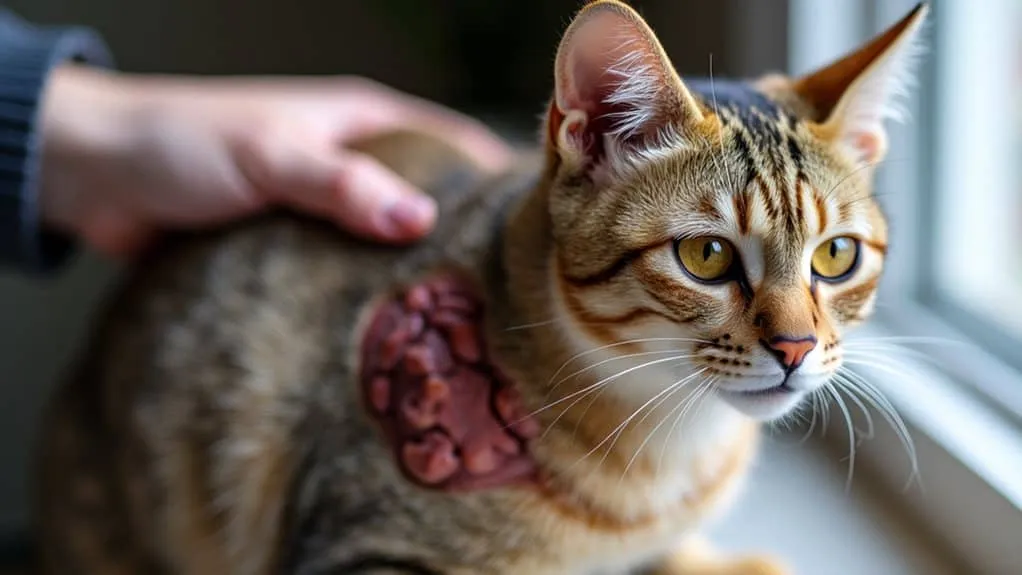
Discovering a new lump or bump on your senior cat can trigger immediate concern for any pet parent.
As cats age, they’re more prone to developing various skin changes that might indicate underlying health issues. Regular gentle examinations while petting your cat can help with early tumor identification and treatment.
Watch for these common skin changes in older cats:
- Raised, firm lumps – These could be benign fatty tumors or something more serious requiring veterinary examination.
- Patches of hair loss or scaly skin – Often indicators of skin infections, allergies, or hormonal imbalances.
- Changes in existing moles or bumps – Any growth that changes color, size, or texture deserves prompt attention.
Don’t panic over every bump you find, but don’t ignore them either.
Your vet can determine what’s normal aging versus what needs treatment.
Lethargy and Decreased Social Interaction
Many senior cats experience noticeable changes in their activity level and social behaviors that shouldn’t be dismissed as mere signs of aging. When your once-playful companion shows increased hiding or spends less time in your lap, it’s time to pay attention.
| Behavior Change | Possible Cause | When to Call Vet |
|---|---|---|
| Altered sleep patterns | Pain or illness | Within 24-48 hours |
| Increased hiding | Anxiety or discomfort | Same day if unusual |
| Avoiding family | Vision/hearing loss | Within a week |
| No greeting behaviors | Cognitive decline | If persistent 3+ days |
Watch for these subtle shifts in your cat’s routine. If your typically social kitty now prefers isolation or sleeps more than usual, these could indicate underlying health issues requiring attention. Remember, cats are masters at hiding illness, so these social changes often serve as your first warning sign.
Frequently Asked Questions
At What Age Is a Cat Considered “Senior”?
Your cat reaches senior milestones at age 7-10 years. You’ll notice subtle aging indicators as they enter this life stage, though larger breeds may show signs earlier than smaller ones.
How Often Should Senior Cats Have Veterinary Check-Ups?
You should take your senior cat for check-ups twice a year. These visits allow for more frequent health screenings and annual exams that can catch age-related issues early, improving your furry friend’s quality of life.
Are Certain Cat Breeds More Prone to Age-Related Health Issues?
Yes, breed predispositions considerably impact aging. You’ll notice Siamese cats often develop dental issues, while Maine Coons face heart problems. Persian cats struggle with breathing complications. Regular health comparisons with your vet help monitor breed-specific concerns.
What Supplements Benefit Aging Cats?
You’ll see benefits from omega-3 fatty acids for joint health and antioxidants for cognitive support. Consider glucosamine, probiotics, and taurine supplements too. Always consult your vet before adding anything to your aging cat’s regimen.
Can Environmental Changes Help Improve Senior Cat Comfort?
Like a gentle hug, environmental enrichment can transform your senior cat’s world. You’ll see remarkable improvements by adding comfort adjustments—softer bedding, ramps for easy access, consistent temperatures, and reduced noise levels in their favorite spaces.
Final Thoughts
You’re now armed with knowledge that could be your feline’s lifeline. Like a watchful lighthouse keeper, stay alert to these warning signs in your senior cat. Don’t wait until small issues snowball into serious problems. Your aging companion depends on you to notice these subtle changes. With regular vet visits and your attentive eye, you’ll help guarantee your whiskered friend enjoys their golden years in comfort and health.