The Best Fluffy Pancakes recipe you will fall in love with. Full of tips and tricks to help you make the best pancakes.


Cat blood tests reveal essential health indicators your vet examines. Complete blood counts evaluate immune function and detect anemia, while kidney and liver panels assess organ performance. Electrolyte measurements check fluid balance, and glucose tests screen for diabetes. Thyroid hormone levels explain weight changes, and protein markers identify inflammation. Even when your cat seems healthy, these tests catch hidden issues before they become serious problems. The detailed insights below will help you better understand your furry friend’s health profile.
Complete Blood Count (CBC): Evaluating Blood Cell Health
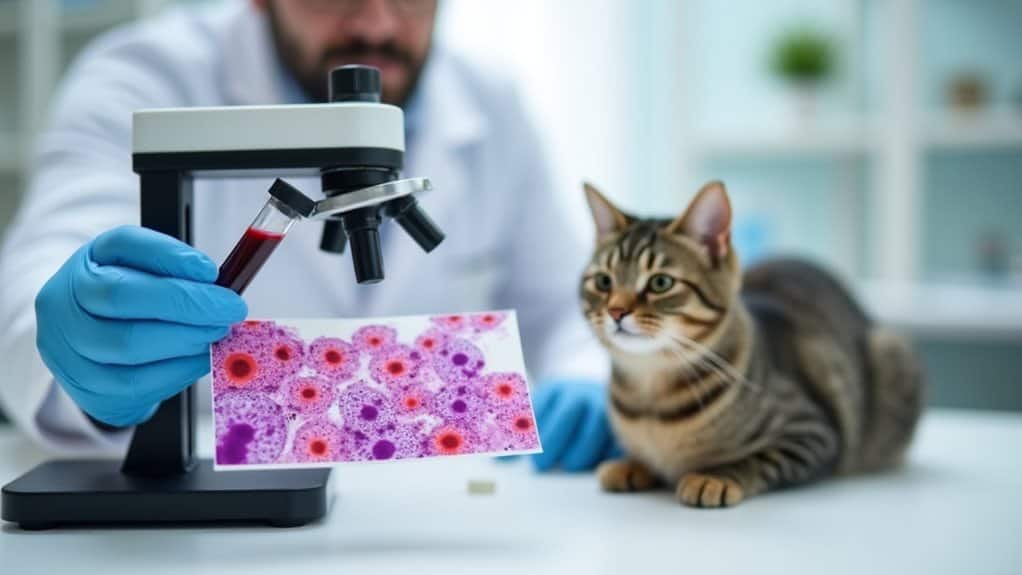
When your veterinarian recommends a Complete Blood Count (CBC) for your cat, they’re looking for crucial information about your furry friend’s overall health. This fundamental test examines different blood cell types circulating in your cat’s body, providing a window into their immune system function.
A CBC measures red blood cells (which carry oxygen), white blood cells (your cat’s defense fighters), and platelets (tiny cells that help blood clot). Your vet can spot anemia, infections, or clotting issues through these numbers. Think of it as your cat’s internal report card!
If your kitty seems under the weather, this test helps pinpoint what’s happening beneath that furry exterior.
While your cat mightn’t appreciate the needle poke, the significant health insights are worth that brief moment of discomfort.
Kidney Function Parameters: BUN and Creatinine Values
Since your cat’s kidneys work tirelessly to filter waste from their bloodstream, monitoring kidney function through blood tests is essential for their long-term health.
Two key values your vet will check are BUN (Blood Urea Nitrogen) and creatinine, which serve as primary indicators of kidney performance.
BUN and creatinine levels provide crucial insight into your cat’s kidney function, serving as vital early warning signs for potential issues.
Increased levels of either parameter may signal kidney disease, though proper test interpretation requires considering both values together. Your vet might explain that BUN can increase due to dehydration or certain medications, while creatinine tends to rise only when kidney function declines considerably.
Don’t panic if you see slightly raised numbers—they could reflect temporary factors rather than chronic issues. Regular monitoring creates a baseline for your cat’s normal values, making it easier to spot concerning changes before they become serious problems. Additionally, it’s important to maintain hydration levels to support overall kidney function and prevent potential health issues.
Liver Enzyme Panels: Assessing Liver Health
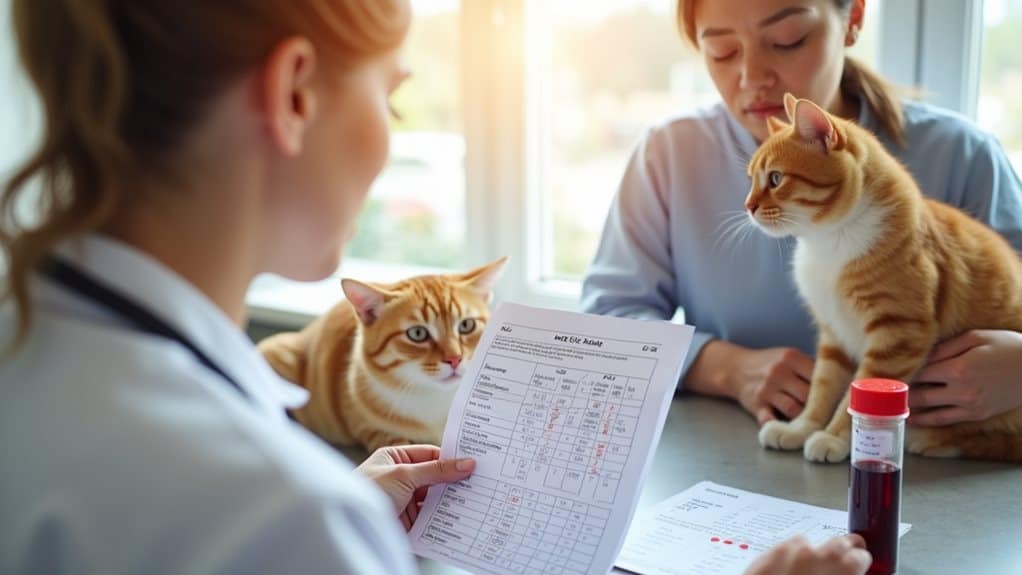
Your cat’s liver health serves as a cornerstone of their overall wellbeing, similar to how kidney function indicates systemic health.
When your vet runs liver enzyme tests, they’re looking for signs of inflammation, cell damage, or impaired liver function. Common enzymes measured include ALT, ALP, GGT, and bilirubin.
If you notice your cat’s test shows enzyme elevation, don’t panic! Sometimes temporary issues like medication, recent illness, or even stress can cause higher numbers.
However, persistent elevation might indicate more serious conditions requiring further investigation.
Your vet may recommend follow-up tests like ultrasounds or additional blood work if concerns arise.
Electrolyte Balance: Sodium, Potassium and Chloride Levels
Electrolyte imbalances in your cat’s blood can reveal critical information about their overall health, with sodium fluctuations often signaling kidney or adrenal issues.
Your cat’s potassium levels directly affect heart function, where too much or too little can lead to dangerous cardiac irregularities.
Chloride levels, while less discussed, work hand-in-hand with sodium and potassium to maintain your cat’s fluid balance, nerve function, and pH levels.
Sodium Imbalance Signs
When your cat’s blood test reveals sodium abnormalities, it’s vital to understand what this means for your pet’s health. Sodium plays a significant role in your cat’s nerve function, muscle contractions, and fluid balance.
With sodium deficiency (hyponatremia), you might notice your cat becoming lethargic, confused, or experiencing muscle weakness. They could also develop seizures in severe cases.
Don’t panic—your vet will help determine the underlying cause, which could be kidney disease, certain medications, or excessive water consumption.
On the flip side, sodium toxicity (hypernatremia) can cause extreme thirst, dry gums, and even neurological symptoms like disorientation or tremors. This often happens when cats don’t have access to fresh water or suffer from conditions causing water loss.
Potassium and Heart Health
Potassium levels in your cat’s bloodwork reveal vital information about their heart function and overall health. When potassium is too high or too low, your cat’s heart rhythm can become irregular, potentially leading to serious complications.
Normal potassium balance is critical for proper muscle contraction, especially for your cat’s most important muscle—their heart. Your vet will check these levels to detect early signs of heart disease or kidney issues.
Common potassium sources in your cat’s diet include meat, fish, and some vegetables in commercial cat foods. If your kitty’s levels are abnormal, your vet might recommend dietary changes or medication.
Remember that symptoms like weakness, lethargy, or irregular heartbeats could signal a potassium imbalance. Don’t ignore these warning signs—your furry friend’s heart health depends on prompt attention!
Chloride Level Significance
Alongside potassium’s influence on heart health, chloride plays a vital role in your cat’s overall wellbeing. This often-overlooked electrolyte helps maintain proper fluid balance throughout your cat’s body and supports significant nerve functions.
When your vet checks chloride levels, they’re evaluating one of the key electrolyte roles in maintaining your cat’s acid-base balance—think of it as nature’s built-in pH regulator!
Abnormal chloride levels might indicate kidney problems, dehydration, or even certain types of poisoning. If your furry friend has been vomiting frequently, their chloride levels might drop, potentially causing weakness or lethargy.
Don’t worry though—most cats maintain healthy chloride functions with a balanced diet. Your vet will explain any deviations and recommend appropriate treatments, which might include fluid therapy or dietary adjustments to restore proper electrolyte balance.
Blood Glucose Monitoring: Diabetes Detection and Management
Monitoring your cat’s blood glucose levels provides critical insights into their metabolic health, especially for detecting and managing feline diabetes.
When your vet checks these levels, they’re looking for abnormal readings that might indicate your furry friend is struggling with glucose regulation. Raised readings often prompt further testing to confirm diabetes.
Watch for these diabetes symptoms in your cat:
- Increased thirst and urination
- Unexplained weight loss despite increased appetite
- Lethargy or decreased activity level
If your cat is diagnosed with diabetes, regular blood glucose monitoring becomes crucial for managing insulin therapy.
In addition to these symptoms, inappropriate urination can also serve as a sign of underlying medical issues, and should prompt further investigation.
Your vet might teach you how to check levels at home using a glucometer, which helps track how well treatment is working.
Thyroid Hormone Testing: T4 and Hyperthyroidism
Thyroid hormone testing represents another vital component of your cat’s blood work, particularly for middle-aged and senior felines. Your vet measures thyroxine (T4) levels to check for hyperthyroidism, a common hormone imbalance in older cats that speeds up their metabolism.
| Signs of Thyroid Dysfunction | What You Might Notice |
|---|---|
| Weight Loss | Despite increased appetite |
| Hyperactivity | Restlessness, excessive meowing |
| Physical Changes | Matted fur, increased thirst |
If your cat’s losing weight while eating more than usual, thyroid testing is essential. This simple blood test can identify hyperthyroidism early, when it’s most treatable. Don’t worry—managing thyroid dysfunction is quite straightforward with medication, diet, or other treatments your vet will recommend based on those T4 numbers. Additionally, observing behavioral changes can help facilitate early diagnosis and treatment for your cat’s health.
Protein Markers: Inflammation and Immune Response Indicators
Your cat’s protein markers provide crucial clues about inflammation and immune function, with the Albumin-Globulin Ratio telling you about overall protein balance in your pet’s bloodstream.
When your veterinarian mentions raised C-Reactive Protein, they’re spotting active inflammation that might need prompt attention.
Immunoglobulin level analysis rounds out the picture, showing how well your cat’s immune system is prepared to fight infections and whether any autoimmune conditions might be affecting your furry friend.
Albumin-Globulin Ratio
The albumin-globulin ratio, often called the A/G ratio, serves as a critical window into your cat’s overall health status. This simple calculation compares the two major protein components in your cat’s blood, providing valuable insights for your vet.
Albumin function includes maintaining blood pressure and transporting hormones, while various globulin types support immune response and inflammation control.
When your vet examines this ratio, they’re looking for:
- Balance between proteins – a healthy ratio typically falls between 0.7-1.3
- Signs of chronic inflammation that might lower albumin levels
- Evidence of infection or immune disorders that could increase globulins
An abnormal A/G ratio doesn’t tell the whole story, but it’s an important clue that helps your vet determine if further testing is needed.
You’ll often see this value highlighted on your cat’s bloodwork report.
C-Reactive Protein Elevation
Unlike in humans, C-reactive protein isn’t routinely measured in cats, as felines have different inflammatory markers that veterinarians track instead. Your furry friend’s body responds to infection and inflammation in unique ways, making other proteins more reliable indicators of their health status.
When your vet discusses inflammatory response indicators, they’re typically referring to specific proteins like serum amyloid A (SAA) or alpha-1-acid glycoprotein. These markers surge during times of stress, infection, or inflammation in your cat’s body. Additionally, cats with underlying health issues, such as intestinal parasites, may exhibit altered inflammatory markers that can impact their overall health evaluation.
While c-reactive protein implications are noteworthy in human medicine, your vet relies on these feline-specific proteins to paint a clearer picture of what’s happening inside your cat. Tracking these markers helps your veterinarian detect problems early, even before your cat shows obvious symptoms of illness.
Immunoglobulin Level Analysis
Many cat owners don’t realize that immunoglobulins provide crucial insights into their feline’s immune system health. When your vet analyzes these protein markers, they’re checking how well your cat’s body responds to threats.
Different immunoglobulin types, including IgG, IgM, and IgA, reveal specific aspects of your cat’s antibody response to infections, allergies, or autoimmune conditions.
Here’s what heightened immunoglobulin levels might indicate:
- Chronic inflammation requiring further investigation
- An active infection your cat is currently fighting
- Potential autoimmune disorders affecting multiple systems
You’ll find that immunoglobulin testing is particularly valuable when your cat shows mysterious symptoms that don’t have an obvious cause. This testing serves as a critical tool for diagnosing conditions like hypertrophic cardiomyopathy (HCM) that might complicate your cat’s health.
Your vet might recommend this test if your furry friend has unexplained weight loss, fever, or recurring infections that don’t respond to standard treatments.
Frequently Asked Questions
How Often Should My Healthy Cat Have Routine Blood Work Done?
You should schedule your cat’s routine bloodwork annually during check-ups, but age considerations matter. Older cats (7+ years) often need testing twice yearly, while younger healthy cats can maintain annual screenings.
Can Blood Tests Detect Cancer in Cats?
While not always definitive, yes, blood tests can detect cancer in cats. They may reveal cancer markers like increased calcium or abnormal cells. You’ll need additional diagnostic methods like imaging for a complete diagnosis.
Are Blood Tests Painful or Stressful for Cats?
Blood collection can cause momentary discomfort for your cat, but it’s usually quick. Feline anxiety during the procedure is often more stressful than the actual needle prick. Your vet will work to minimize both.
How Long Does It Take to Get Cat Blood Test Results?
While routine tests yield results in minutes, complex panels require patience. You’ll typically get your cat’s blood test results within 24 hours, though some specialized testing timelines extend to several days for proper result interpretation.
Can Certain Medications Affect Blood Test Results in Cats?
Yes, many medications can impact your cat’s blood test results. Antibiotics, steroids, and anti-inflammatories might cause medication interactions that affect test accuracy. Always tell your vet about any medications your cat’s taking.
Final Thoughts
While you’re nervous about those lab results, your vet isn’t looking for bad news—they’re seeking a clearer picture of your cat’s health. Ironically, those tiny vials of blood that make your cat so grumpy reveal more about their wellbeing than months of your own careful observation. Understanding these tests isn’t just about recognizing problems; it’s about partnering with your vet to give your feline friend the longest, healthiest life possible.