The Best Fluffy Pancakes recipe you will fall in love with. Full of tips and tricks to help you make the best pancakes.

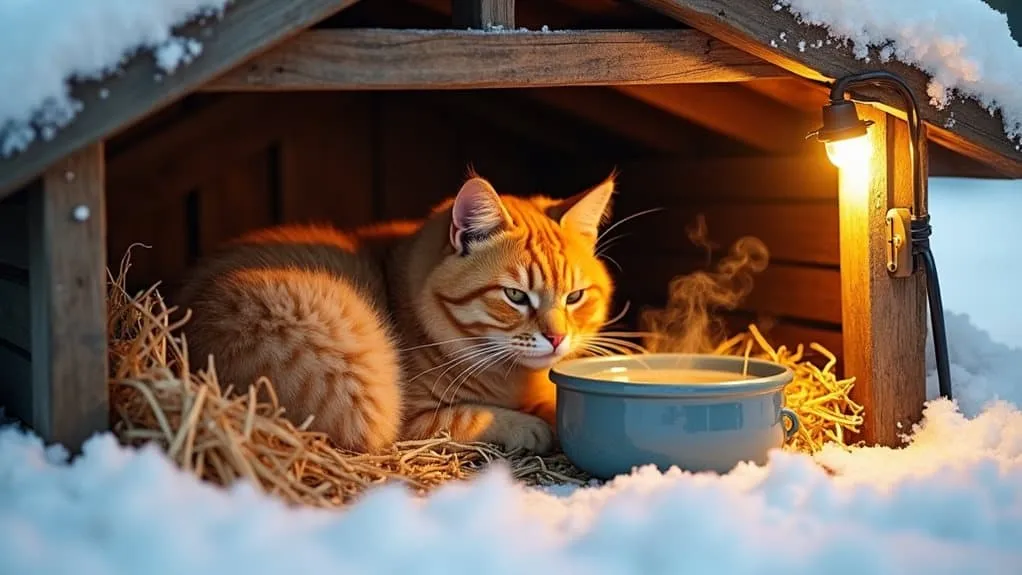
While many cat owners assume their outdoor felines can easily survive winter conditions, cats actually lose a significant amount of body heat through their paw pads and ear tips, making them vulnerable to dangerous temperature drops. If you're caring for outdoor cats during the cold months, you'll need more than just basic food and water provisions to keep them safe. From specialized shelter construction to strategic feeding schedules, there's a thorough approach to winter cat protection that can mean the difference between life and death for your furry friends. Let's explore the essential steps you'll need to take before the first frost arrives.
Building the Perfect Winter Shelter
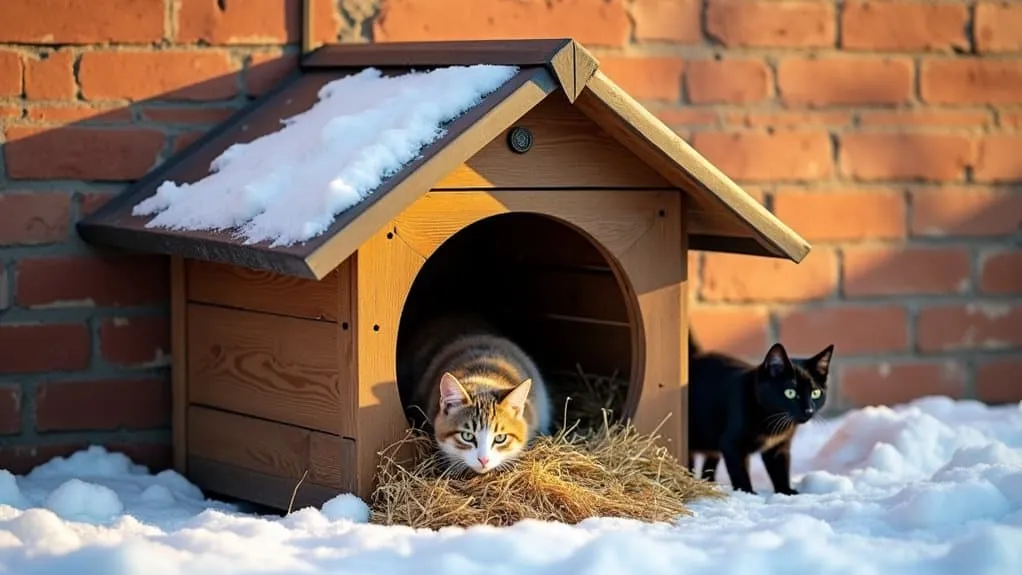
Three key elements make up the perfect winter shelter for outdoor cats: proper sizing, appropriate materials, and strategic design features.
When selecting shelter materials, you'll want to use waterproof containers like storage totes or coolers, and don't forget to elevate them off the ground. For insulation techniques that really work, straw is your best friend – it's nature's perfect insulator! You'll want to fill about one-third of the shelter with it, but skip those cozy-looking blankets and towels since they'll just get wet and freeze. Local shelter veterinarians recommend these simple designs for outdoor cat safety. Additionally, providing insulated shelters is crucial for outdoor cats in winter, as it offers vital protection against the elements. Consider adding outdoor heating pads for extra warmth during extreme cold.
Keep the shelter size modest – about 2 feet by 3 feet works great for a small group of cats.
Don't forget to create two openings for quick escapes, and seal any gaps with Gorilla tape to keep the warmth in and moisture out.
Shelter Location and Placement Tips
When you're setting up shelters for outdoor cats, you'll want to think like a cat and choose spots that offer natural protection from both predators and harsh weather. Additionally, incorporating cat-friendly plants around the shelter can help create a more inviting environment for the cats.
Your best locations will be tucked behind fences or against walls, with the entrance facing away from prevailing winds and elevated off the ground to prevent flooding. A shelter size of 2×3 feet with adequate height ensures cats have enough space for warmth and comfort. Consider working with local youth groups to help construct and position multiple shelters around your community.
You can create a truly cozy haven by positioning multiple shelters in protected areas, just as you'd want options for staying warm and dry if you were spending time outdoors in winter.
Strategic Shelter Positioning
Throughout winter, proper shelter positioning can mean the difference between life and death for outdoor cats.
When considering shelter access and weather considerations, you'll want to place shelters in familiar areas where cats already spend time, especially near their feeding spots. This reduces their exposure to harsh elements during daily routines. Elevating shelters with wood platforms or 2x4s helps retain ground warmth and provides better insulation. Incorporating insulation options is also beneficial to ensure a consistent temperature inside the shelter.
For maximum protection, position the shelter against existing structures like walls, fences, or under porches. Adding a second escape door ensures cats can safely flee from predators.
You'll find that sunny spots work best, as they provide natural warmth during cold days.
Don't forget to avoid open spaces – cats feel more secure when their shelter is tucked away.
Protected Areas Matter
Proper shelter elevation and stability form the foundation of effective outdoor cat protection.
When you're choosing shelter materials and planning for cat comfort, you'll want to focus on creating a safe haven that's both accessible and secure. Clean straw insulation helps outdoor cats maintain critical warmth during freezing temperatures. Providing adequate vertical space within the shelter can also enhance your cat's sense of security and comfort.
Remember to position the shelter at least 6 inches off the ground using bricks or pallets, and make certain it's stable enough to withstand winter weather. Adding a rubber flap entrance can significantly reduce wind exposure and maintain warmth inside the shelter.
Key placement strategies to protect your outdoor feline friends:
- Place the shelter in a quiet area away from high-traffic zones
- Position the entrance facing away from prevailing winds
- Add bricks on top to prevent the shelter from tipping
- Create an emergency exit at the back for quick escapes
- Choose a spot that balances sun exposure with protective shade
Away From Elements
Selecting the right shelter location shields outdoor cats from harsh winter elements while maintaining their comfort and safety. Understanding territorial behavior is crucial in creating a suitable environment for outdoor cats to feel secure and protected.
Natural cover helps camouflage and protect outdoor cat shelters from the elements.
You'll want to position shelters near walls or fences, where they'll benefit from additional insulation options and protection.
Don't forget to elevate your shelter materials at least six inches off the ground using bricks or wooden pallets – this simple step prevents moisture from seeping in and keeps your feline friends cozy.
For the best results, face shelter openings away from prevailing winds and toward a nearby wall.
You can add door flaps and awnings to keep the cold air out while giving cats easy access.
Remember to sprinkle some catnip inside to make the shelter more inviting – it's like leaving a welcome mat for your outdoor kitty friends!
Essential Winter Food Requirements

A well-fed outdoor cat stands a better chance of staying healthy during winter's harsh conditions.
When it comes to winter nutrition, you'll need to provide plenty of protein sources to help your feline friend maintain energy and muscle mass during cold weather. You can boost their diet with high-quality foods that'll keep them strong and resilient. Consider serving smaller portions more frequently throughout the day to enhance metabolism. Monitoring weight gain is crucial to ensure they are receiving the adequate calorie intake needed for the winter months.
Here's what to include in your cat's winter menu:
- Mix wet and dry food to guarantee proper hydration
- Serve protein-rich meals with lean meats and fish
- Add healthy fats like omega-3s for energy and coat health
- Include warming broths for extra hydration
- Offer freeze-dried meat treats as nutritious snacks
Remember to establish regular feeding times and monitor your cat's eating habits. They'll need extra calories during winter, so don't be surprised if they're hungrier than usual.
Protecting Cats From Extreme Cold
Keeping outdoor cats safe during extreme cold requires careful attention to shelter and monitoring.
You'll need to understand cat behavior during winter months – they'll seek warmth in dangerous places like car engines if they're too cold. Don't let your outdoor cats brave temperatures below 45°F (7°C), as they're at risk for hypothermia and frostbite. Adequate hydration is essential for maintaining overall cat health during colder months, as hydration needs can vary significantly.
For effective warmth retention, provide small, insulated shelters elevated off the ground. Fill them with clean, dry straw (not blankets or towels) that allows cats to burrow.
Position these shelters away from wind and heavy snow, and check them regularly. You'll also want to create protected feeding stations with heated water bowls to prevent freezing.
Community Resources for Cat Care
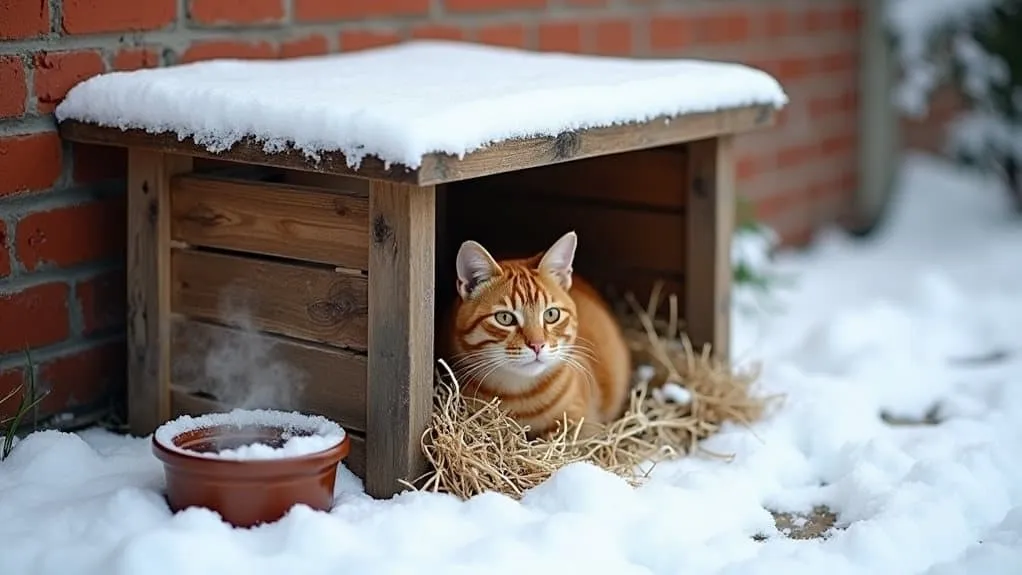
Local communities offer valuable resources to help care for outdoor cats during winter months.
You'll find support through food banks, low-cost spay/neuter services, and volunteer initiatives that make caring for community cats more manageable.
Here's what's available in your area:
- Food banks like CASS AZ and Empty Bowl Pet Food Pantry provide free cat food to caregivers
- Low-cost spay/neuter services are offered at clinics like Arizona Animal Welfare League
- Local veterinarians often work with caregivers to provide affordable medical care
- Community food drives can be organized through social media and neighborhood groups
- Online fundraising platforms help raise money for TNR efforts and winter supplies
Don't hesitate to reach out to these resources – they're there to help you help the cats. Additionally, the companionship of cats can significantly reduce feelings of loneliness and stress for caregivers during the winter months.
Working together, we can guarantee our outdoor feline friends stay healthy and safe during the cold season.
Cold Weather Health Hazards
Your outdoor cat's winter health risks include frostbite, which shows up first in their ears, nose, and toes as discolored or cold-to-the-touch areas. Hypothermia's a serious threat when your cat's wet or exposed to freezing temperatures for too long, starting with shivering and leading to dangerous drops in body temperature. You'll also need to watch for dehydration since cats often struggle to find unfrozen water sources in winter, which can lead to serious health complications if they're not drinking enough. Providing adequate hydration sources during the cold months is essential to prevent dehydration.
Frostbite Warning Signs
When temperatures plummet, outdoor cats face serious risks of frostbite, a dangerous condition that occurs when tissue freezes due to prolonged cold exposure.
You'll want to check your cat regularly for frostbite symptoms, especially after they've been outdoors. Watch for cold, stiff areas on their body and pay special attention to their ears, tail, and paws, where frostbite typically strikes first.
Here are key warning signs you shouldn't ignore:
- Skin that's cold or icy to the touch
- Discolored or grayish skin beneath the fur
- Patches of missing fur with inflamed skin
- Numbness in affected areas
- Painful, swollen tissue as it begins to thaw
If you spot these signs, don't wait – contact your vet immediately. Additionally, it's crucial to monitor your cat for subtle changes in behavior, which can also be indicative of health issues like HCM.
Prevention strategies like providing warm shelter and limiting outdoor time are your best defense against frostbite.
Hypothermia Risk Factors
While frostbite poses serious risks, hypothermia presents an even greater threat to outdoor cats during winter months. Your cat's temperature sensitivity can vary based on several key factors that affect their ability to stay warm.
Senior cats, kittens, and those with health conditions like kidney or heart disease are particularly vulnerable to dropping temperatures.
You'll need to pay extra attention to your cat's behavior during cold weather, especially if they're hairless or have a thin coat.
Even cats with thick, fluffy fur aren't immune to hypothermia's dangers. When winter winds blow and precipitation hits, your cat's natural insulation can become compromised.
Those extra pounds might provide some protection against the cold, but don't let that fool you – every cat needs proper shelter and monitoring during frigid weather.
Winter Dehydration Dangers
Despite common belief that dehydration only threatens cats during hot weather, winter months can pose significant risks to your outdoor cat's hydration levels.
You'll need to watch for dehydration symptoms like decreased urination and dry gums, especially when temperatures drop below freezing.
Implementing smart hydration strategies can help protect your feline friend from winter dehydration dangers.
- Place water bowls in sheltered areas to prevent quick freezing
- Consider investing in heated water bowls for reliable access
- Check water sources multiple times daily to verify they haven't frozen
- Use deeper bowls that take longer to freeze than shallow ones
- Provide multiple water stations to increase drinking opportunities
Supporting Multiple Colony Cats
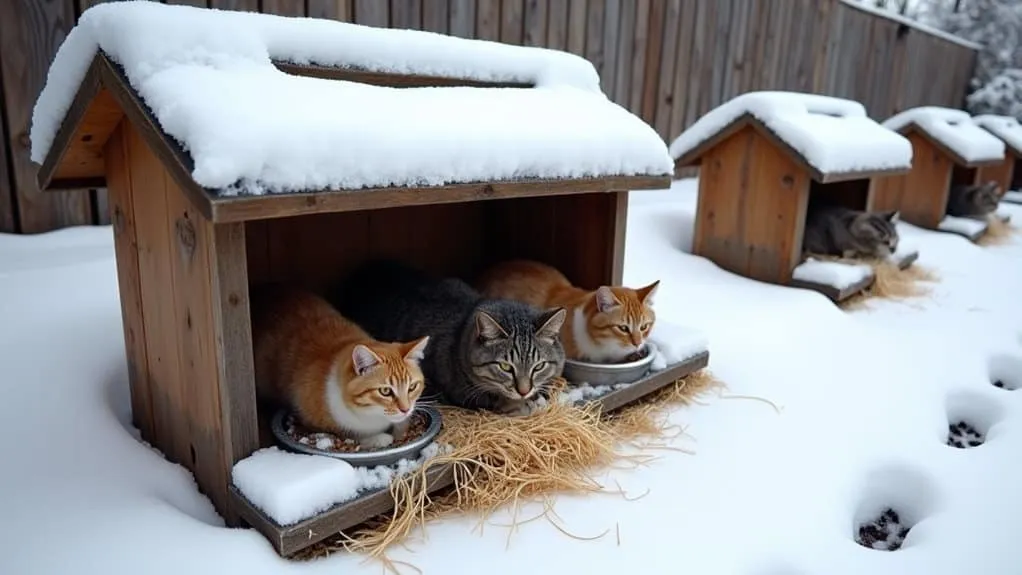
Caring for multiple colony cats during winter requires careful planning and organization to guarantee every feline's survival.
When managing colony dynamics, you'll need to create several feeding stations to prevent competition and ascertain all cats get their share. Set up multiple insulated shelters filled with fresh straw, spacing them apart to accommodate different group feeding patterns and territorial behaviors.
You'll want to establish a consistent feeding schedule and monitor which cats are eating at each station.
Create protected feeding zones by installing partial walls or roofs around each area, and use several heated water bowls throughout the colony space.
Remember to maintain clean feeding areas and replace wet straw regularly.
If you notice any cats missing from their usual spots, check nearby shelters and car engines where they might be seeking warmth.
Final Thoughts
You've taken important steps to keep outdoor cats safe this winter, and your efforts truly matter. Did you know that community cat caretakers help protect an estimated 32 million outdoor cats across the U.S.? By providing proper shelter, food, and monitoring, you're joining a compassionate network of people who guarantee these resilient creatures survive the cold months. Remember, even small actions make a big difference in keeping our feline friends warm and healthy.