The Best Fluffy Pancakes recipe you will fall in love with. Full of tips and tricks to help you make the best pancakes.

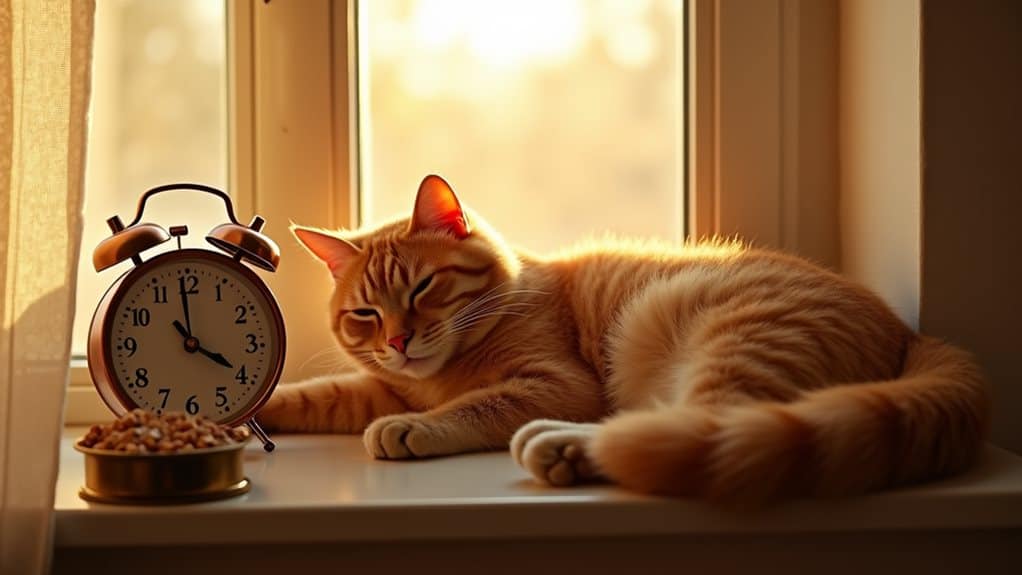
If you've ever watched your cat stare at their empty food bowl an hour before mealtime during Daylight Saving Time, you know the struggle is real. Your feline friend's internal clock doesn't automatically adjust to human-made time changes, and they can't exactly check their smartphones for the correct time. Whether you're springing forward or falling back, helping your cat shift smoothly through the time change requires some planning – but don't worry, you won't need to explain the concept of DST to your confused kitty.
Understanding Your Cat's Internal Clock

While humans can simply glance at a clock to know when it's time to eat or sleep, your cat relies on a fascinating internal timekeeper known as their circadian rhythm.
Your feline friend's biological clocks respond primarily to light cues throughout the day, which help regulate their sleep patterns and activity levels. Environmental changes like sounds and temperature also help your cat track daily events. Sudden changes in routine can create confusion and stress for your cat. This includes grooming behavior from owners, which can provide reassurance during periods of adjustment.
You'll notice your cat is most active during dawn and dusk, following their natural crepuscular nature. They're not actually nocturnal, as many people believe! Instead, they've evolved to hunt when their prey is most active.
Your cat's internal clock also syncs with your daily routine – they'll learn when you typically wake up, serve meals, and wind down for the evening.
Understanding these natural rhythms will help you better support your furry friend during time changes.
Gradually Adjusting Daily Routines
Because cats thrive on routine, making sudden changes to their schedule can leave them feeling confused and stressed. To help your feline friend adapt to daylight saving time, you'll want to make incremental adjustments to their daily schedule over several days.
Start by shifting your cat's meal times by 15-minute intervals throughout the week. If you typically feed them at 7 AM, move it to 7:15 AM, then 7:30 AM, and so on. Since cats are crepuscular animals, they are naturally most active during dawn and dusk hours. Pets are naturally attuned to daylight cycles, so these gradual changes will feel more natural to them. This gradual approach not only helps maintain their routine but also enhances their comfort and security during the transition.
Don't forget to maintain routine flexibility while keeping other activities like playtime and cuddles as consistent as possible. Confirm your cat has access to natural sunlight, or consider using artificial light to help regulate their internal clock.
Remember to provide extra attention and playtime during this change – it'll help them adjust while strengthening your bond together.
Managing Feeding Times and Medical Care

Adjusting your cat's daily schedule goes beyond activity patterns – proper feeding times and medical care require special attention during daylight saving changes.
Start by making gradual adjustments to your cat's feeding schedules, shifting meal times by 10-15 minutes each day during the week before the time change. Cats have a remarkable ability to distinguish time intervals, making them sensitive to feeding schedule changes. Consider using automatic feeders for consistent meal timing and to help reduce your cat's dependency on you. If you're using automatic feeders, they'll help maintain consistency and reduce your cat's dependency on you.
It's also important to monitor any changes in your cat's behavior or health, as stress and anxiety can sometimes manifest during time changes.
For cats taking medications, it's essential to consult with your vet about adjusting medication timing, especially for time-sensitive prescriptions like epilepsy treatments.
Keep a close eye on cats with special needs or health conditions, as they may need extra care during the shift. Consider setting timers for medications instead of relying on clocks, and use visual cues like natural light to help your feline friend adjust smoothly.
Creating a Stress-Free Environment
Since daylight saving time disrupts your cat's normal patterns, creating a stress-free environment is essential for their wellbeing.
Watch for stress signals like hiding or excessive grooming, and respond with environmental enrichment that helps your furry friend feel secure. Providing a designated quiet area helps cats cope better with schedule changes. Set up cozy hideaways in quiet spots and maintain their daily routine as much as possible. Having multiple water stations throughout your home can help reduce stress by eliminating competition for resources.
Keep their essential items – food bowls, litter box, and favorite bed – in familiar locations, and consider using pheromone diffusers to create a calming atmosphere.
You'll want to engage your cat with interactive toys and puzzle feeders during the adjustment period, especially when they're more active in the increased daylight hours.
Maintaining Consistency Through the Transition

While daylight saving time can throw off your cat's internal clock, you'll find that maintaining consistency is the key to a smooth adjustment.
Your transition strategies should focus on gradual adjustments and routine predictability to help your feline friend adapt comfortably to the time shift. Since cats are known to experience disrupted sleep patterns, providing a quiet and comfortable sleeping area is essential during this period. Creating a safe environment can further enhance their comfort during this adjustment.
Three essential steps to maintain consistency:
- Shift your cat's feeding schedule by 15 minutes every few days before the time change.
- Keep playtime and interactive activities at consistent intervals throughout the day.
- Adjust indoor lighting gradually to match the new natural light patterns.
Final Thoughts
You'll find that preparing your cat for Daylight Saving Time isn't so different from adjusting your own schedule. As you're setting your clocks forward or back, your feline friend is right there with you, experiencing the same time shift. With gradual adjustments, consistent routines, and plenty of patience, you'll both navigate this seasonal change together. Coincidentally, you might even find that helping your cat adapt improves your own adjustment.