
The Best Fluffy Pancakes recipe you will fall in love with. Full of tips and tricks to help you make the best pancakes.

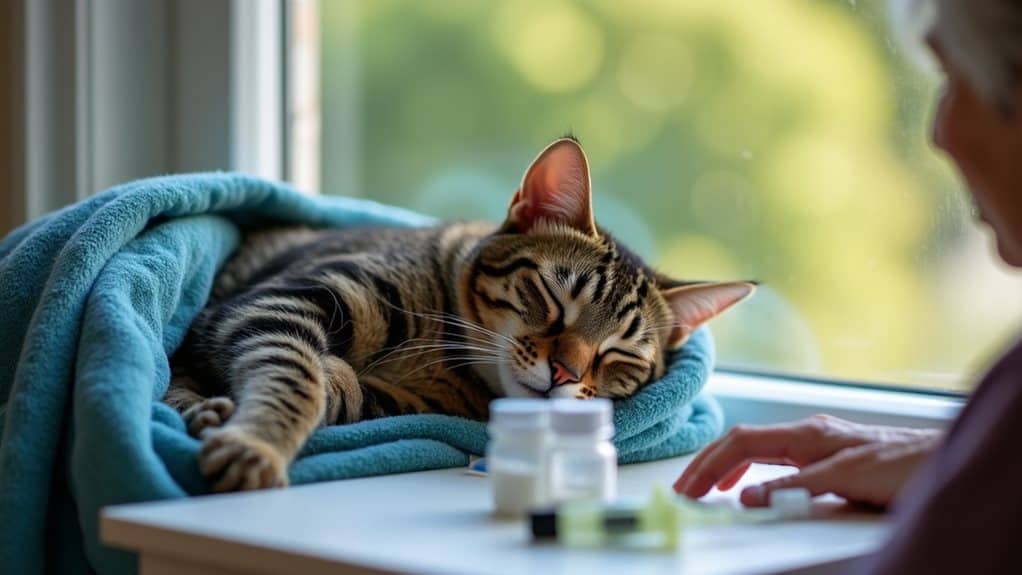
End-of-life cat care centers on recognizing when comfort outweighs treatment. Watch for behavior changes like increased sleep or reduced grooming, and regularly assess your cat’s quality of life. Provide pain management through medications and create a peaceful environment with soft bedding in quiet areas. Consider both at-home hospice care and veterinary support, making decisions based on your cat’s dignity. When facing difficult choices, remember that prioritizing your cat’s comfort is the greatest act of love you can offer.
Recognizing the Signs of Aging and Declining Health
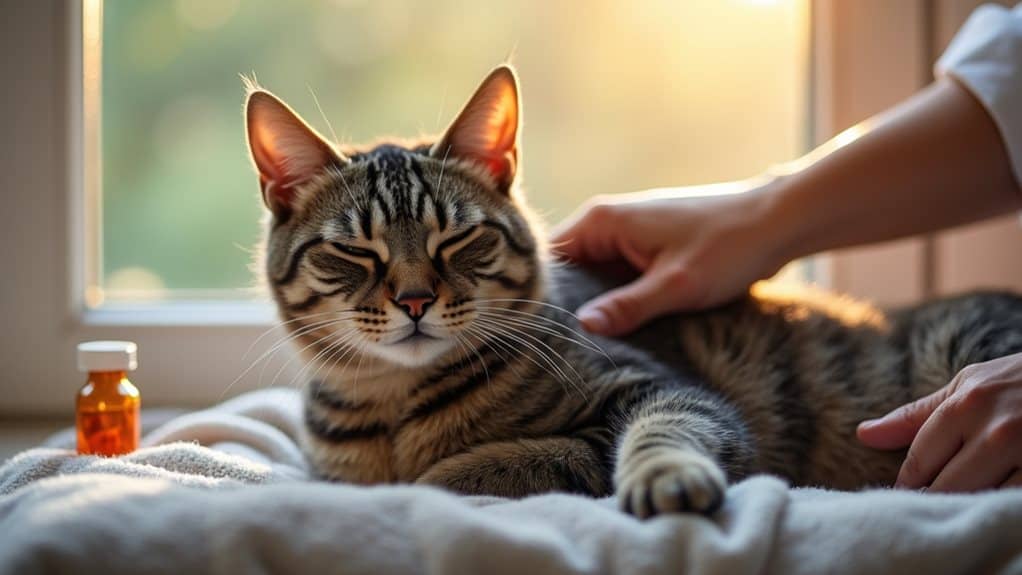
As your cat enters its golden years, you’ll notice subtle changes that signal the natural aging process. Your once-playful companion might sleep more, jump less often, or seem confused in familiar surroundings.
Growing older brings gentle changes in your cat’s behavior – a quieter, more contemplative companion emerges.
These aging symptoms aren’t necessarily cause for alarm, but they deserve your attention.
Watch for health decline indicators like reduced grooming, weight loss, or increased thirst. Your cat’s food preferences might change, and they may become more vocal or unusually quiet.
Pay attention to litter box habits too—accidents outside the box can signal discomfort or confusion. Additionally, a consistent monitoring of weight can help you identify any concerning health issues early on.
Quality of Life Assessments: When Comfort Becomes Priority
When your cat’s health begins to decline, quality of life assessments become crucial tools for making compassionate decisions.
You’ll need to observe specific quality indicators that reveal your feline friend’s true comfort level. Is your cat still eating, grooming, and using the litter box? Can they move without obvious pain?
Regular comfort assessments help you track changes over time. Notice if your cat still enjoys favorite activities or seeks your company.
Remember, cats are masters at hiding discomfort, so you’ll need to become attuned to subtle changes in behavior. Trust your instincts—you know your cat best.
The goal isn’t just extending life, but guaranteeing it remains worth living. Sometimes, the kindest choice is prioritizing comfort over treatment. Persistent pain can serve as a significant indicator that it may be time to reevaluate your cat’s quality of life.
These aren’t easy evaluations, but they’re expressions of the deep bond you share.
Pain Management Options for Senior and Terminally Ill Cats
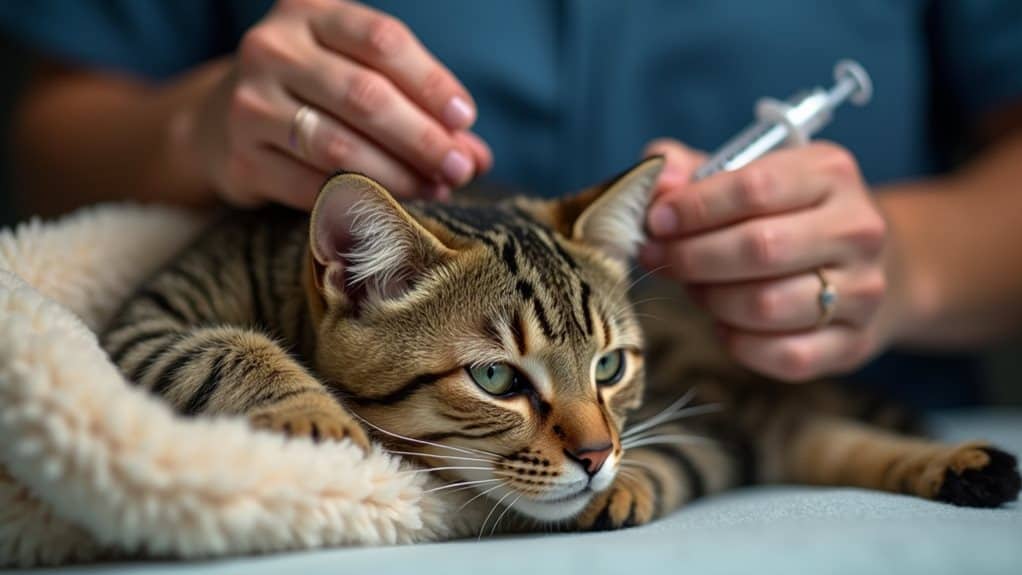
Managing your senior cat’s pain requires a thoughtful combination of prescription medications, supplements, and comfort therapies customized specifically to their needs.
You’ll find several veterinary pain protocols available, from NSAIDs and opioids for severe discomfort to gentler options like gabapentin for nerve pain or adequan injections for arthritic joints. Incorporating low-sodium diets can also play a role in supporting overall health and managing pain in senior cats.
Beyond medications, you can create a comfortable environment with heated beds, accessible resting spots, and gentle massage techniques that’ll help your aging feline feel more at ease during their final chapter.
Medication Management Approaches
Pain relief stands at the heart of compassionate end-of-life cat care, with several effective medication options available for your aging or terminally ill feline. When managing your cat’s pain medications, you’ll need to monitor for medication interactions and make dosage adjustments as their condition changes. Additionally, it’s important to be aware of underlying conditions such as Feline AIDS that can affect treatment options.
| Medication Type | Benefits | Potential Concerns | Monitoring | Adjustment Needs |
|---|---|---|---|---|
| NSAIDs | Quick relief | Kidney impact | Hydration | Weight-based dosing |
| Opioids | Strong relief | Sedation | Alertness | Tolerance changes |
| Gabapentin | Nerve pain help | Initial drowsiness | Mobility | Gradual increases |
| Steroids | Inflammation control | Long-term effects | Appetite | Tapering required |
| CBD products | Low side effects | Variable quality | Comfort level | Finding ideal dose |
Work closely with your vet to find the right balance between pain control and quality of life for your furry friend.
Comfort Measures Available
Beyond medications, comfort measures offer your senior or terminally ill cat a more holistic approach to pain management. You’ll want to create a sanctuary of comfort with soft bedding placed in quiet, warm areas where your feline friend can rest undisturbed. Consider nutrition adjustments that make eating less challenging—soft, warmed foods often entice cats with diminished appetites or dental discomfort. Hydration strategies are equally important during this sensitive time. Try offering water from shallow dishes or pet fountains, or discuss subcutaneous fluid administration with your vet if your cat isn’t drinking enough. Gentle grooming sessions not only maintain hygiene but provide meaningful bonding moments. Remember, your touch and presence are powerful comfort measures too—your cat finds reassurance in your familiar scent and gentle voice during these precious final days. Additionally, keeping track of dosages given can help ensure that any medications are administered effectively alongside comfort measures.
Veterinary Pain Protocols
Veterinarians today offer three primary medication categories to manage your cat’s end-of-life discomfort. These include opioids for severe pain, non-steroidal anti-inflammatories (NSAIDs) for inflammation, and adjunctive medications like gabapentin that target nerve pain. Regular veterinary consultations are essential to adjust dosages as your cat’s condition changes. Your vet will use specialized pain assessment tools to evaluate your cat’s comfort level. They’ll observe mobility, appetite, vocalization, and behavior changes that might indicate increasing discomfort. You know your cat best, so don’t hesitate to report even subtle changes—like refusing favorite treats or avoiding usual perches. Additionally, transitioning to a pain management plan may enhance your cat’s comfort during this challenging time.
Creating a Peaceful Home Environment for Your Aging Cat
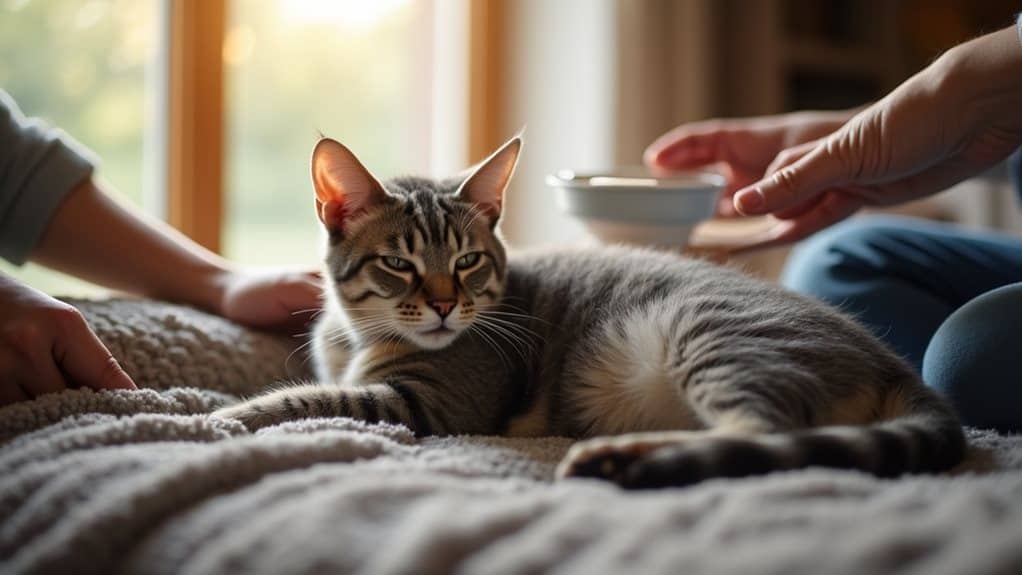
Creating a peaceful home for your aging cat doesn’t need to be complicated, but it will make a world of difference in their comfort.
You’ll want to establish pain-free comfort spaces with soft bedding in quiet areas, while guaranteeing your home’s temperature stays consistent and doorways or stairs have ramps for easier access.
Setting up quiet rest zones away from household traffic will give your cat the peaceful retreats they need when they’re feeling tired or overwhelmed. Additionally, ensuring access to safe, warm areas can enhance their comfort during colder months.
Pain-Free Comfort Spaces
As your cat enters their twilight years, a comfortable home environment becomes essential for their physical and emotional well-being. Creating pain-free zones throughout your home helps minimize discomfort while providing emotional support during this sensitive time.
Consider placing soft bedding in quiet corners where your cat can rest undisturbed. Memory foam beds or heated pads can ease joint pain for arthritic cats. Position these comfort stations in sunny spots they love, but always include shaded options too.
Keep food, water, and litter boxes easily accessible—no climbing or jumping required. You’ll want to minimize the distance between their favorite spots and these necessities. This thoughtfulness prevents unnecessary pain while maintaining their dignity. Additionally, ensuring your cat’s diet supports urinary health can further enhance their comfort and overall well-being during their later years.
Temperature and Accessibility
Beyond comfort zones, temperature control plays an important role in your senior cat’s quality of life. As cats age, their ability to regulate body temperature diminishes, making them vulnerable to both cold and heat.
You’ll want to provide warm, draft-free resting spots during winter months, perhaps with heated beds set to safe temperatures. During summer, guarantee cool retreats are available.
When considering accessibility solutions, remember that your elderly companion may struggle with everyday movements.
Install ramps or steps to favorite perches, lower the sides of litter boxes for easier entry, and place food and water stations throughout your home to minimize difficult travels. Additionally, providing safe outdoor enclosures allows for enriched experiences while keeping your cat protected.
These thoughtful adjustments can dramatically improve your cat’s daily experience, allowing them to maintain dignity and independence during their final chapter.
Your small changes mean the world to them.
Quiet Rest Zones
The peaceful environment you create for your aging cat will dramatically impact their quality of life during their final months.
Setting up quiet zones and restful spaces allows your feline friend to retreat when they’re feeling overwhelmed or tired. You’ll notice they may sleep more and seek solitude as their energy levels decrease. Understanding their instinctual behavior of seeking warmth and security can enhance the comfort of their resting areas.
Here are four ways to create perfect quiet rest zones:
- Place soft beds in low-traffic areas where your cat can relax undisturbed.
- Use white noise machines to mask household sounds that might startle them.
- Maintain consistent lighting that’s gentle on their aging eyes.
- Keep their favorite toys nearby, but don’t disturb them when they’re resting.
At-Home Hospice Care vs. Veterinary Palliative Services
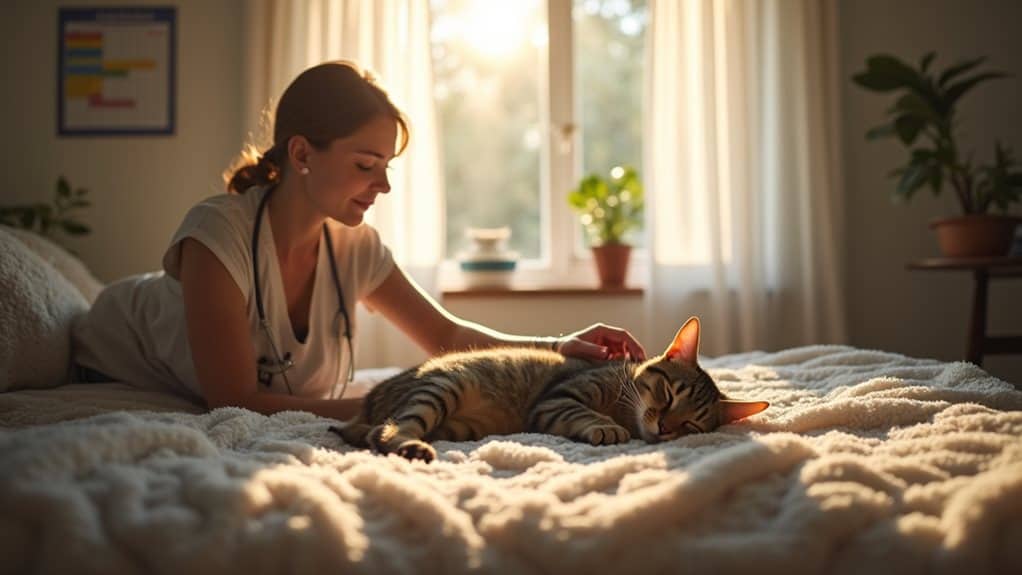
Deciding between at-home hospice care and veterinary palliative services can feel overwhelming when your beloved cat enters their final life stage.
Both options offer unique benefits customized to your cat’s specific needs and your family situation.
Home care allows your cat to remain in familiar surroundings, potentially reducing stress during this sensitive time.
You’ll need to learn basic medical procedures and closely monitor symptoms, but many pet parents find this intimate approach deeply rewarding.
Veterinary support, on the other hand, provides specialized equipment and trained professionals who can quickly respond to changing conditions.
Many families choose a blended approach, combining regular vet visits with home care.
Remember, there’s no single “right” choice—what matters most is your cat’s comfort and quality of life.
Trust your instincts and communicate openly with your veterinary team.
The Euthanasia Decision: Knowing When It’s Time
Among all the decisions you’ll face during your cat’s end-of-life experience, determining when to reflect on euthanasia stands as perhaps the most emotionally challenging.
While feline hospice care can provide comfort, there comes a point when you’ll need to evaluate your companion’s quality of life with compassion and honesty.
Consider these important indicators:
- Your cat is eating and drinking very little or not at all
- They’re unable to control bladder or bowel movements
- They no longer enjoy favorite activities or seek interaction
- They’re experiencing pain that can’t be adequately managed
Euthanasia ethics center on preventing suffering rather than prolonging it.
Coping With Anticipatory Grief and Preparing for Loss
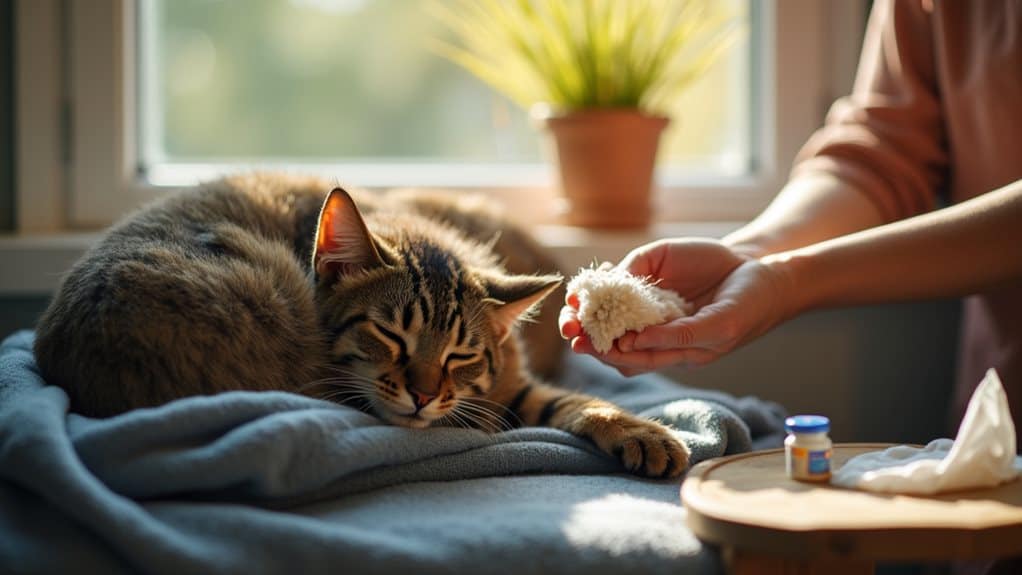
While your cat is still with you during their final chapter, you’ll likely experience what specialists call “anticipatory grief”—the complex emotions that arrive before an expected loss. This mix of feelings is completely normal and might include sadness, anxiety, and even moments of denial.
| Emotion | What It Looks Like | Healthy Coping Strategy |
|---|---|---|
| Sadness | Crying, withdrawal | Journaling memories |
| Anger | Frustration with situation | Physical activity |
| Guilt | Second-guessing decisions | Seek emotional support |
| Denial | Avoiding discussions | Join pet loss groups |
Remember that seeking emotional support isn’t a sign of weakness—it’s self-care. Talk to friends who understand, join online communities for pet parents, or consider professional counseling. Your feelings matter during this difficult experience.
Honoring Your Cat’s Memory and Legacy
After you’ve said goodbye to your beloved feline companion, finding meaningful ways to honor their memory can help transform grief into healing.
Creating memory keepsakes or legacy tributes allows you to celebrate the unique bond you shared with your cat and keep their spirit alive in your heart.
Here are four meaningful ways to honor your cat’s memory:
- Create a photo album or digital slideshow of your favorite moments together
- Plant a memorial garden with catnip, cat grass, or their favorite lounging plants
- Craft a memory box with their collar, toys, and paw print impressions
- Establish a legacy tribute by donating to a cat rescue in their name
These personal tributes help you process your grief while celebrating the joy your feline friend brought to your life.
Frequently Asked Questions
How Can I Explain My Cat’s Illness to Young Children?
Use simple terms for your cat’s illness based on children’s understanding. Explain that your pet feels sick, needs special care, and may need extra love. Be honest without overwhelming them with details.
What Are the Financial Assistance Options for End-Of-Life Cat Care?
You’ll find help through CareCredit, veterinary grants, and nonprofit organizations like Red Rover. Contact your local shelter for financial aid programs, and ask your vet about payment plans or sliding scale options.
Can My Other Pets Attend the Euthanasia Procedure?
Yes, your other pets can attend if they provide emotional support. Discuss this with your vet beforehand, as pet presence may help with closure but some animals might become distressed by the experience.
How Long Is the Typical End-Of-Life Transition Period?
As autumn leaves fall at different paces, your cat’s end-of-life change typically spans days to weeks. You’ll need careful symptoms observation and a flexible decision timeline, adapting to your cat’s changing comfort levels.
What Eco-Friendly Burial or Cremation Alternatives Exist?
You can choose biodegradable caskets for your cat’s natural burial in pet cemeteries, or select aquamation, a water-based alternative to cremation. Home burial in shrouds and tree pod burials are also eco-friendly options.
Final Thoughts
You’ve maneuvered your cat’s final chapter with more paperwork than adopting a human child. Congratulations! You’re now an expert in feline geriatrics, pharmacy management, and grief counseling—skills you never wanted. Remember, you’re not merely losing a pet; you’re losing your most judgmental roommate who never paid rent. Honor their memory by finally reclaiming your favorite chair, but know you’ll oddly miss those 3 a.m. face-sitting wake-up calls.