The Best Fluffy Pancakes recipe you will fall in love with. Full of tips and tricks to help you make the best pancakes.

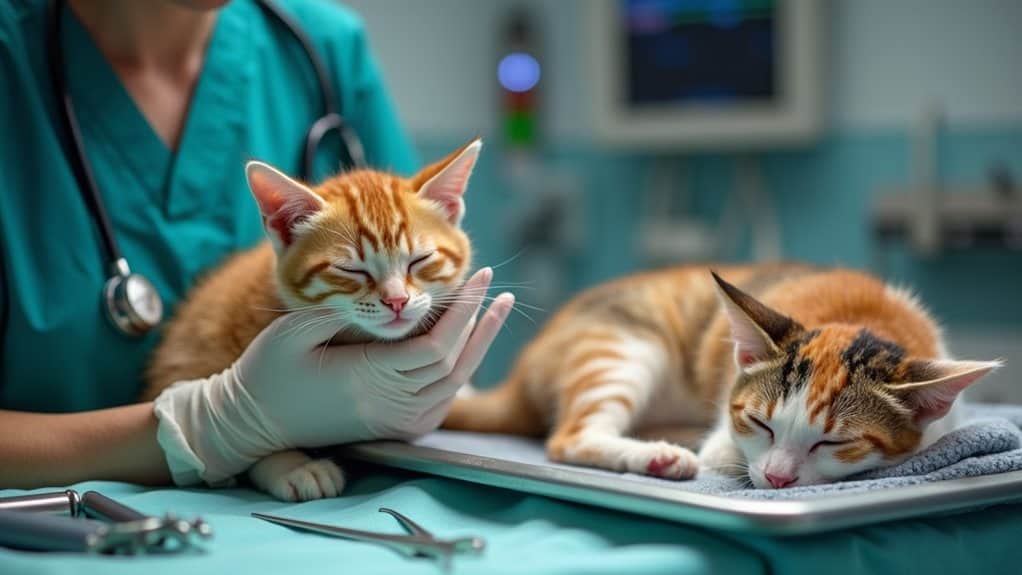
Spaying or neutering your cat at 4-6 months offers numerous health benefits, including reduced cancer risks and fewer behavioral problems. The surgery typically takes under an hour, with costs ranging from £50 to £400 depending on the clinic. Your cat will need 10-14 days of recovery with limited activity and proper pain management. Don’t worry about weight gain or personality changes—these are common myths. The complete guide below reveals everything you’ll need for your cat’s procedure pathway.
Health Benefits of Spaying and Neutering Your Cat
Although it may seem counterintuitive, spaying and neutering your cat offers very few health benefits compared to the risks involved in these procedures. However, I need to correct this misconception immediately. The truth is, spaying and neutering provide noteworthy health advantages for your feline friend!
Your cat will face dramatically reduced risks of certain cancers, including elimination of testicular cancer in males and prevention of uterine infections and breast tumors in females. You’ll also enjoy considerable behavioral benefits as your pet becomes less likely to spray, roam, or fight with other cats.
These improvements lead to long-term savings on veterinary bills that would otherwise arise from treating reproductive diseases or injuries from territorial disputes. Plus, you’ll contribute to reducing the homeless pet population—a benefit that extends beyond your home. Neutering also decreases the likelihood of hormone-related health issues that can affect your cat’s overall well-being.
Determining the Optimal Age for the Procedure
When should you schedule your cat’s spaying or neutering procedure? Most veterinarians recommend having the surgery when your cat is between 4-6 months old. This timing coincides with kitten development milestones while preventing unwanted pregnancies.
Scheduling spay/neuter procedures at 4-6 months aligns with your kitten’s development while preventing unwanted litters.
You might’ve heard different opinions on the ideal age, but research supports early spaying and neutering as both safe and beneficial. For female cats, spaying before their first heat cycle (around 5 months) greatly reduces mammary cancer risk. Additionally, spaying can help manage heat-related behaviors, making it an essential consideration for cat owners.
Male cats neutered before sexual maturity often develop fewer behavioral problems.
Some larger breeds may benefit from waiting until they’re slightly older, around 6 months, to guarantee proper growth. Your vet can help determine the best timing for your specific cat, considering their breed, health status, and individual development patterns.
What to Expect During Surgery and Associated Costs
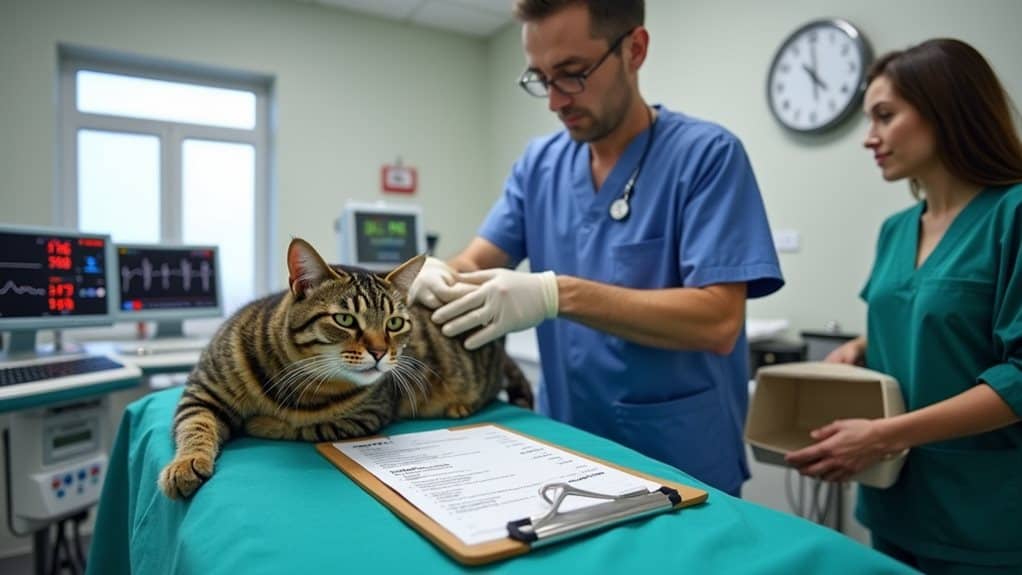
The spaying or neutering procedure follows a standard process that you’ll want to understand before your cat’s appointment day arrives.
Most surgical procedures take less than an hour, though you’ll typically drop off your pet in the morning and pick them up later that day. Your veterinarian will explain pre-surgery instructions, including when to stop feeding your cat.
Cost considerations vary widely depending on your location, the clinic type, and your cat’s specific needs:
- Basic procedures at low-cost clinics might range from £50-£150.
- Private veterinary practices typically charge £200-£400.
- Specialty or emergency clinics may charge £400+ for the same services.
Remember that while price shopping is tempting, quality care matters most. Spaying/neutering mitigates overpopulation, and the investment prevents costly health issues and unwanted litters down the road.
Many clinics offer payment plans, and the investment prevents costly health issues and unwanted litters down the road.
Post-Operative Care and Recovery Management
Proper care during your cat’s recovery period greatly influences how quickly they’ll bounce back after surgery. Your furry friend will need your attention and patience as they heal. Most cats recover fully within 10-14 days, but your vigilance during this time is vital.
Effective pain management is critical—your vet will prescribe appropriate medications to keep your cat comfortable. Meanwhile, activity restrictions prevent complications and promote healing. It’s also important to observe your cat’s behavior and understand aggressive behavior as stress may occur during recovery.
| Recovery Phase | Pain Management | Activity Restrictions |
|---|---|---|
| Days 1-3 | Medication as prescribed | Confined to small, quiet space |
| Days 4-7 | Monitor for discomfort | Limited movement, no jumping |
| Days 8-14 | Typically minimal pain | Gradual return to normal activity |
Watch for signs of infection like redness or discharge around the incision. Don’t hesitate to call your vet if something seems off!
Addressing Common Myths and Misconceptions
While your cat recovers at home, you’ve likely heard various claims about spaying and neutering that may have left you confused or concerned.
Let’s tackle some myth debunking to ease your mind! Many misconceptions circulate about these procedures, but veterinary science tells a different story.
Common myths that need clarification include:
- “My cat will get fat and lazy” – Weight gain comes from overfeeding, not the procedure itself.
- “My cat needs to have one litter first” – There’s no health benefit to letting your cat reproduce before spaying.
- “The surgery will change my cat’s personality” – Your cat’s lovable quirks and personality traits remain intact after the procedure. Furthermore, spaying/neutering can lead to improved behavioral outcomes, making your cat more pleasant to have around.
Understanding these facts helps you make confident decisions about your feline friend’s health without unnecessary worry.
Frequently Asked Questions
Will My Cat’s Personality Change After Being Spayed or Neutered?
Your cat’s personality core won’t change considerably. You’ll notice some positive behavior changes like less aggression and spraying. Most post-surgery adjustments involve calmer demeanor and reduced roaming tendencies, but they’ll still be your same beloved pet.
How Do I Handle an Unspayed/Unneutered Cat Until Surgery?
With 90% of unfixed cats showing escape attempts, you’ll need temporary solutions to manage cat behavior. Keep them indoors, use pheromone diffusers, provide enrichment activities, and separate males from females until their surgery date.
Are There Any Alternatives to Traditional Spay/Neuter Procedures?
Yes, you’ll find surgical alternatives like laparoscopic procedures that offer quicker recovery. Some hormonal treatments and contraceptives exist, but they’re typically temporary solutions with potential side effects. Traditional methods remain most reliable for permanent results.
Can Elderly Cats Safely Undergo Spay/Neuter Surgery?
Yes, elderly cats can undergo spay/neuter surgery, but your senior cat’s considerations require careful evaluation. Your vet will assess age-related surgical risks and may recommend pre-surgery bloodwork to guarantee they’re healthy enough for anesthesia.
Will My Indoor-Only Cat Still Benefit From Being Fixed?
Yes, your indoor-only cat will still benefit from being fixed. You’ll notice positive behavioral changes including less spraying, reduced aggression, and elimination of heat cycles. Indoor benefits include improved health and a calmer companion.
Final Thoughts
You’re making a life-changing decision for your feline friend while protecting them from unwanted health issues. While surgery might seem intimidating, the long-term benefits far outweigh the temporary discomfort. Your spayed or neutered cat will live longer, behave better, and contribute less to pet overpopulation. With proper care and understanding, you’ll help your cat recover quickly and enjoy many healthy, happy years by your side.