The Best Fluffy Pancakes recipe you will fall in love with. Full of tips and tricks to help you make the best pancakes.


Caring for your pregnant cat requires attention to key details. You’ll need to provide high-quality kitten food, create a quiet birthing area, and watch for warning signs like prolonged labor or unusual discharge. Regular vet visits are essential throughout pregnancy and after birth. During nursing, guarantee your queen has plenty of nutrition and a stress-free environment. Your careful monitoring can make all the difference in the health outcomes for both mother and kittens.
Recognizing the Signs of Feline Pregnancy
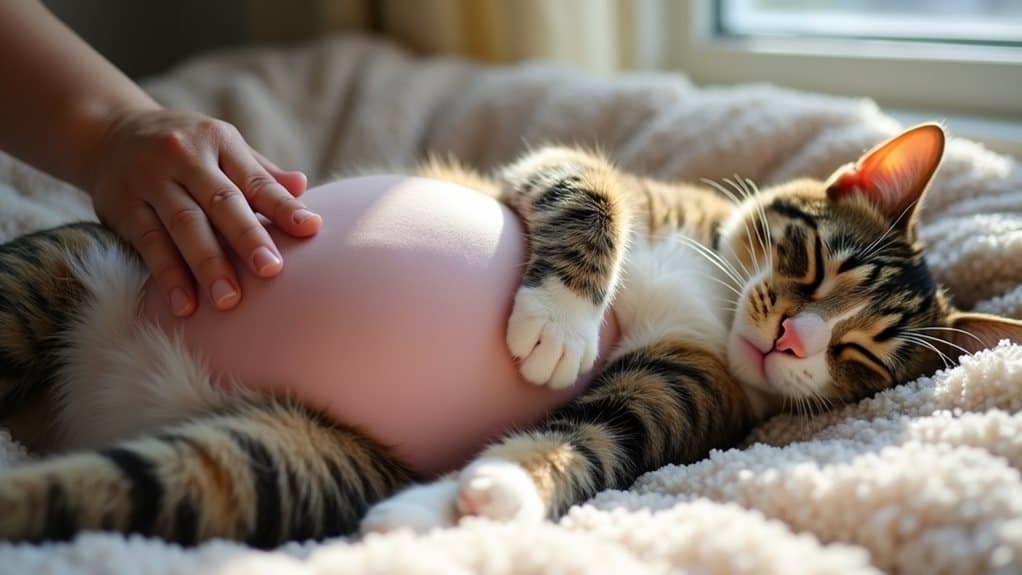
While many cat owners might suspect their feline friend is expecting, knowing the definitive signs of pregnancy can help you provide better care. Within the first few weeks, you’ll notice subtle changes in feline behavior, including increased affection and appetite.
Don’t fall for pregnancy myths like the belief that all pregnant cats develop a rounded belly immediately – this typically appears around week 5.
Cat pregnancy isn’t always obvious – that telltale rounded belly typically doesn’t appear until around the fifth week.
Watch for pink, enlarged nipples (called “pinking up”), which occurs about 15-18 days into pregnancy. Your cat may experience brief morning sickness, though it’s less common than you’d think.
A pregnant queen often becomes more maternal, seeking quiet nesting spots around your home. Additionally, be aware that good hygiene practices are essential to minimize health risks during this critical time. Remember, these signs aren’t foolproof – only a veterinarian can confirm pregnancy through palpation, ultrasound, or blood tests, ideally between 25-35 days after conception.
Essential Nutritional Requirements During Gestation
Because your pregnant cat is now eating for multiple developing kittens, her nutritional needs will change dramatically throughout gestation.
You’ll need to provide a high-quality, nutrient-dense diet to prevent nutritional deficiencies that could harm both mom and her babies. Most veterinarians recommend gradually switching to kitten food, which contains more calories and vital nutrients.
Watch for signs that your queen isn’t getting proper nutrition—like excessive weight loss, lethargy, or poor coat quality.
If you notice these warning signs, don’t hesitate to consult your vet about appropriate dietary supplements. Many breeders find that calcium supplements become necessary during the later stages of pregnancy, but never administer these without professional guidance!
Your pregnant cat will likely eat smaller, more frequent meals as her abdomen expands, so keep food accessible throughout the day. Additionally, ensure adequate hydration is provided to support both her health and milk production for the future kittens.
Setting Up the Ideal Queening Area
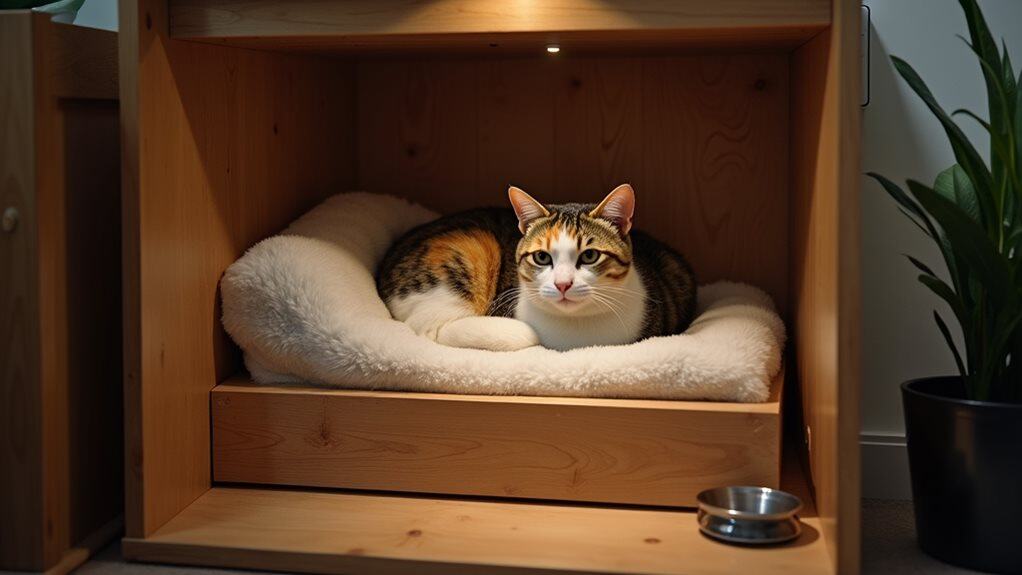
To prepare for your cat’s special delivery, you’ll need to create a private, warm nesting space where she can feel secure during labor and after birth.
The ideal queening area should be in a quiet corner of your home, away from household traffic and other pets, with comfortable bedding that’s easy to clean.
While you’ll want to check on mama cat regularly, make sure the space balances accessibility for you with enough security for her to feel safe and undisturbed with her new kittens. Providing ample vertical space will give her options to choose a comfortable position during and after the birth.
Private, Warm Nesting Space
A cozy sanctuary marks the foundation of a successful queening area for your pregnant cat.
You’ll want to create a space that feels secure and sheltered, away from household traffic and other pets. Line the nesting area with soft, clean materials like old towels or blankets that you don’t mind discarding after birth. These nesting materials should be warm but washable, as they’ll need frequent changing.
Temperature regulation is essential for newborn kittens who can’t control their body heat. Keep the room between 72-78°F, and consider using a heating pad designed for pets under half of the nesting box.
This gives mama cat and her kittens the option to move to a cooler spot if needed. Remember, a comfortable queen makes for healthier, happier kittens! Additionally, providing a quiet space for rest can significantly reduce stress and heart strain on the mother, which is vital for her overall well-being during this crucial time.
Accessibility Yet Security
While providing your cat with a private nesting space, you’ll also need to balance accessibility with security in the queening area.
Your queen needs a safe space that honors her maternal instincts while allowing you to monitor her progress.
Create a setup that works for both of you by considering:
- Position the queening box where you can easily check on mom and kittens without disturbing them
- Install a low entrance that keeps curious children and other pets out while letting the mother cat come and go
- Use a secondary barrier (like a baby gate) that creates a “safe zone” around the nesting area, as regular vet visits are crucial for her health during this time.
Veterinary Care and Monitoring Throughout Pregnancy
Regular veterinary visits are essential during your cat’s pregnancy to guarantee both mom and her developing kittens stay healthy.
You’ll want to schedule checkups at key stages of pregnancy, allowing your vet to detect potential issues like anemia or gestational diabetes before they become serious problems.
Watch for warning signs that require immediate veterinary attention, including fever, discharge, lethargy, or refusal to eat, as these could indicate potentially life-threatening pregnancy complications. Additionally, pregnant cats should be monitored for Feline Leukemia Virus (FeLV) as it can significantly impact their health and the health of their kittens.
Essential Prenatal Checkups
Once your cat’s pregnancy is confirmed, scheduling thorough prenatal checkups becomes crucial for both mother and kittens’ health.
Regular health assessments allow your veterinarian to monitor your queen’s progress and address any concerns before they become serious.
You’ll want to establish a consistent prenatal testing schedule that typically includes:
- Initial confirmation visit (4 weeks) – Ultrasound to verify pregnancy and assess initial kitten count
- Mid-pregnancy checkup (6-7 weeks) – Monitoring weight gain and nutritional needs
- Pre-birth examination (8-9 weeks) – Final assessment before delivery
Don’t skip these appointments!
Your vet will check your cat’s weight, listen to kitten heartbeats, and evaluate overall health.
They’ll also advise you on nutrition adjustments and warning signs to watch for as the delivery date approaches. Understanding these instincts is essential for ensuring a supportive environment for your pregnant cat.
Pregnancy Complication Warning Signs
Even though cat pregnancies typically progress effortlessly, being aware of potential warning signs can save your pregnant cat’s life and her kittens. Monitor your queen closely for concerning pregnancy symptoms that deviate from normal behavioral changes. Trust your instincts—you know your cat best! Proper hydration during pregnancy is essential, as it enhances overall health and supports the wellbeing of both the mother and her developing kittens.
| Warning Sign | When to Call Your Vet |
|---|---|
| Fever or lethargy | Immediately |
| Discharge (green, bloody) | Within hours |
| Straining without delivery | Right away |
| Refusing food for 24+ hours | Same day |
| Extreme agitation | Within 4 hours |
Watch for prolonged labor where kittens arrive more than 2 hours apart. If your cat seems distressed, pants excessively, or abandons her normal routine dramatically, don’t wait to seek help. Many complications can be addressed successfully when caught early, giving mom and her babies the best chance.
Managing the Birth Process: When to Intervene
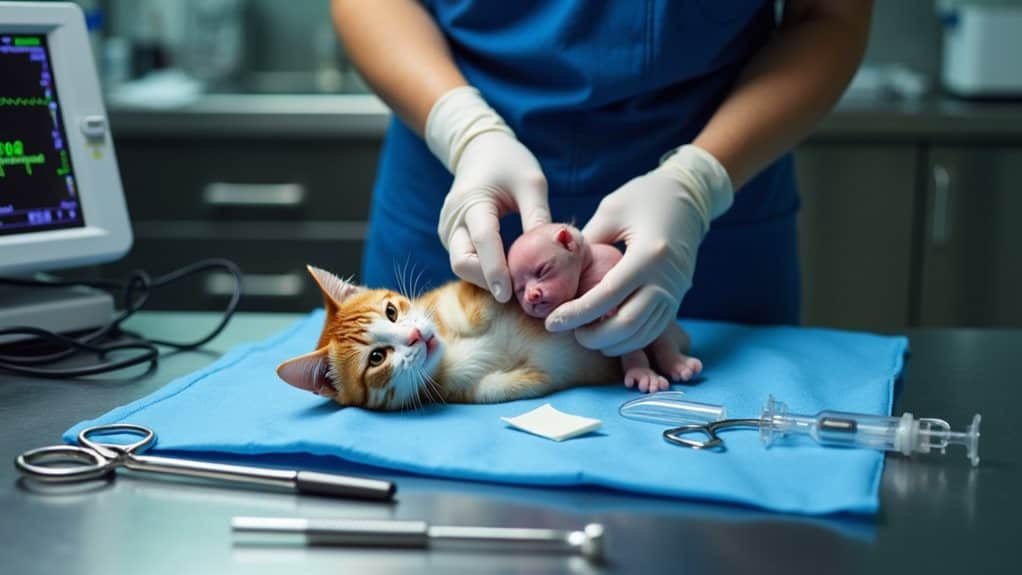
While most cat births proceed naturally without complications, knowing when to step in can make the difference between life and death for mother and kittens.
Understand the normal labor stages before attempting any intervention techniques. You’ll want to call your vet immediately if you notice your queen struggling beyond the typical birthing timeline.
Before rushing to help, learn what normal cat labor looks like—then you’ll know when professional help is truly needed.
When should you consider stepping in? Watch for these warning signs:
- More than 30 minutes of strong contractions without producing a kitten
- More than 2 hours between kittens when you know more are inside
- Green discharge before any kittens have been born
You’re not merely a spectator in this miracle—you’re backup support. Additionally, being aware of the average gestation period can help you prepare for the kittens’ arrival.
Keep your vet’s number handy, and don’t hesitate to call if something doesn’t feel right.
Supporting the Queen During Lactation
The nursing period represents a demanding chapter in your cat’s motherhood expedition. Your queen needs exceptional lactation support as she produces milk for multiple hungry kittens.
You’ll notice she eats up to four times her normal amount – this isn’t greediness but necessity!
Provide high-quality kitten food and fresh water constantly. The nutrition she receives directly impacts her milk production and the kittens’ development. Additionally, ensuring that she stays properly hydrated is crucial for preventing urinary health issues during this demanding time.
Watch for signs of dehydration or exhaustion, which may indicate she’s struggling.
Don’t overlook the importance of maternal bonding during this time. Create a quiet, stress-free environment where she can nurse undisturbed.
A comfortable nesting box in a low-traffic area works wonders. Your gentle presence nearby reassures her while allowing the natural bonding process to unfold beautifully.
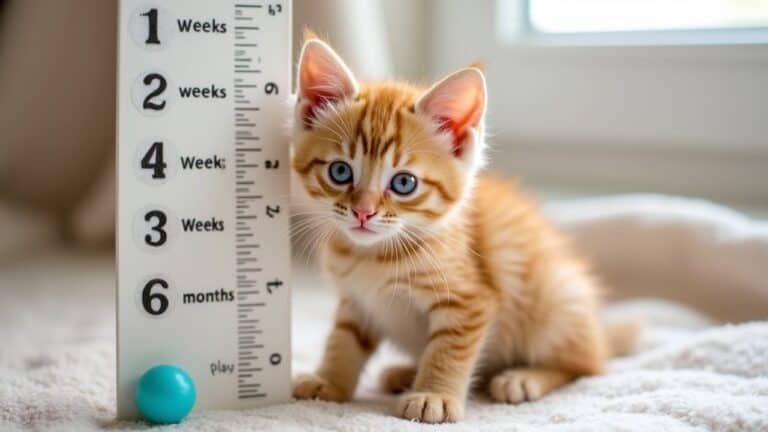
Kitten Development Milestones: Weeks 1-8
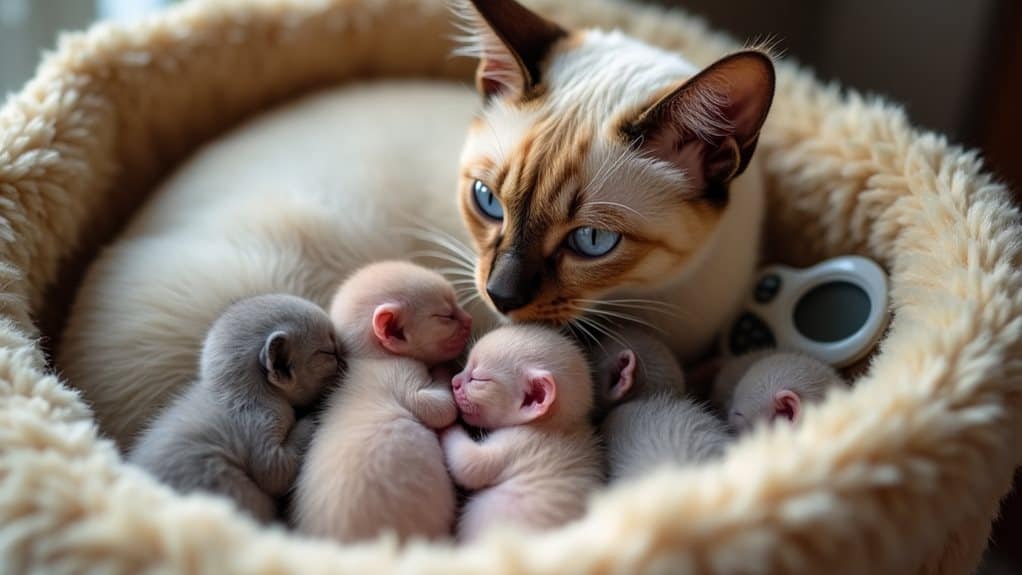
Watching your kittens grow during their first eight weeks reveals an amazing expedition of development, from their early sensory abilities to increasingly coordinated movements.
You’ll notice their eyes opening around week two, followed by wobbling first steps that quickly transform into confident exploration of their surroundings.
The period between weeks 3-7 is especially vital for socialization, when your kittens learn important behaviors from their mother, siblings, and human interactions that will shape their future personalities.
Early Sensory Development
During a kitten’s first eight weeks of life, their sensory development unfolds like a fascinating biological miracle.
You’ll witness them transform from helpless newborns into curious explorers. Their expedition through sensory exploration begins with touch and taste, while hearing and vision develop more gradually.
To support their development, provide appropriate environmental stimulation:
- Week 1-2: Keep noise levels moderate as their ears open and hearing sensitivity increases
- Week 3-4: Introduce varied textures for them to walk on and explore
- Week 5-8: Add simple toys and obstacles that challenge their developing coordination
You’ll be amazed at how quickly kittens respond to their surroundings.
Motor Skills Timeline
As newborn kittens grow week by week, you’ll witness a remarkable transformation in their motor abilities that follows a predictable yet fascinating timeline.
Those tiny, helpless creatures you’re caring for will surprise you with their rapid feline behavior development!
Socialization Critical Periods
While motor development sets the stage for physical independence, a kitten’s social brain undergoes equally impressive changes that will shape its personality for life.
The critical age for kitten socialization begins around 2 weeks and extends through week 7. During this window, you’ll need to implement effective socialization techniques to guarantee well-adjusted adult cats.
- Introduce gentle handling by multiple people daily, helping kittens associate humans with positive experiences.
- Expose kittens to various household sounds, objects, and other pets gradually to prevent fear responses later.
- Begin short play sessions with age-appropriate toys to develop social confidence and reduce aggression.
Common Health Complications in Pregnant Cats
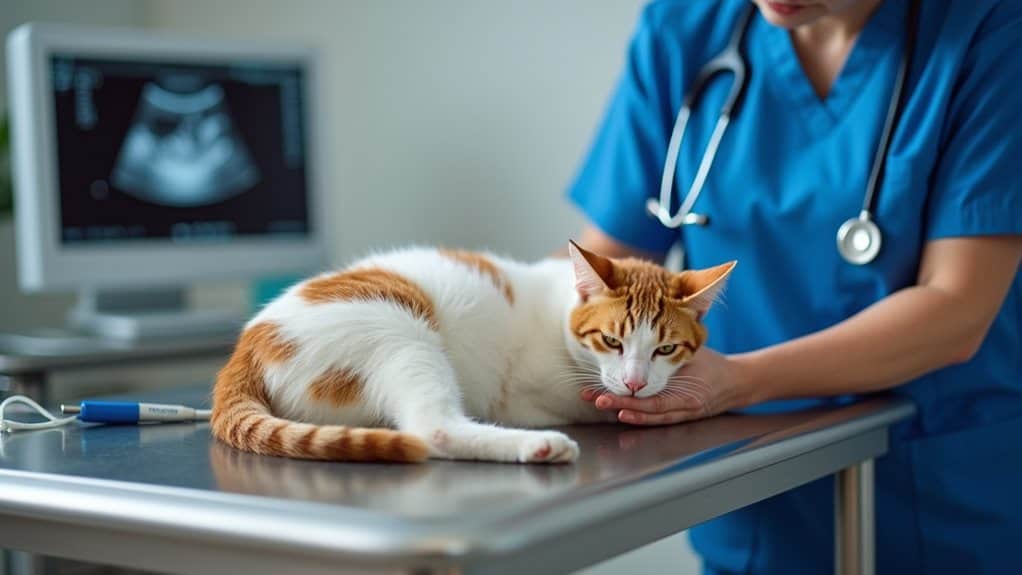
Though many cats sail through pregnancy without issues, understanding potential complications can help you catch problems early. Your queen may develop gestational diabetes, especially if she’s overweight or carrying a large litter. Watch for increased thirst, urination, and lethargy as warning signs.
While most feline pregnancies proceed smoothly, knowing potential complications helps detect problems before they become serious.
Pre-eclampsia risks increase in the later stages of pregnancy and during nursing, manifesting as tremors, restlessness, or difficulty walking.
Don’t panic if your cat seems a bit under the weather—pregnancy is taxing! However, you’ll want to contact your vet immediately if you notice fever, prolonged labor, discharge with an unusual color or odor, or if she stops eating.
Regular prenatal check-ups are your best defense against these complications. Remember, your attentiveness can make all the difference in guaranteeing a seamless pregnancy for your feline friend.
Weaning Strategies for Healthy Transitions
Weaning kittens from their mother marks a critical milestone that requires patience and careful timing.
You’ll want to begin this process when kittens reach about four weeks of age, implementing gentle weaning methods that don’t stress either mom or babies. Start by separating them for short periods, gradually increasing time apart as kittens become more independent.
When introducing solid foods, consider these approaches:
- Mix kitten formula with wet food to create a gruel, making the shift more appealing
- Place small amounts on your finger for kittens to lick before offering shallow dishes
- Allow mother cats to demonstrate eating behaviors, which kittens naturally imitate
The gradual introduction to new foods helps prevent digestive upset while building confidence.
You’ll know you’re succeeding when kittens enthusiastically approach their food dishes and mom seems relieved for the break!
Post-Nursing Recovery for the Queen

After dedicating weeks to nursing her litter, your queen cat needs special attention to regain her strength and energy. Focus on post-nursing nutrition by providing high-quality, calorie-rich food that helps her recover lost weight and replenish depleted nutrients. Many breeders find success with kitten formula food during this recovery period.
Don’t overlook your queen’s emotional support needs. She might seem a bit confused or even sad as her kittens become more independent. Spend extra time petting and playing with her to ease this adjustment.
Some queens appreciate having a quiet, comfortable space where they can retreat when they need alone time. Remember, her body has worked overtime for months—through pregnancy and nursing—so patience and special care now will guarantee she returns to her healthy, vibrant self soon.
Frequently Asked Questions
How Soon After Giving Birth Can a Queen Become Pregnant Again?
Your queen can become pregnant as early as 1-2 weeks after giving birth. Her heat cycles may resume quickly, so you’ll need to monitor breeding intervals carefully if you don’t want back-to-back litters.
Should Male Cats Be Separated From a Nursing Mother?
Think male cats pose no threat? Think again. You should separate males from nursing mothers to prevent unwanted pregnancy, reduce mother’s stress, and minimize aggressive male cat behavior that could compromise nursing mother health.
Are Certain Cat Breeds More Likely to Experience Pregnancy Complications?
Yes, certain breeds face more pregnancy complications. Persians and other brachycephalic cats have higher risk factors due to their breed characteristics like narrow pelvises. You’ll need extra veterinary monitoring if you’re breeding these types.
Can I Safely Handle Newborn Kittens Immediately After Birth?
Like delicate snowflakes, newborn kittens shouldn’t be handled immediately. You’ll need to wait until mom’s finished cleaning them. Minimal handling protects kitten health during their first week, allowing mother-baby bonding and preventing rejection.
How Do I Properly Record Pedigree Information for a New Litter?
You’ll need to document each kitten’s parents, grandparents, and birth details. Use pedigree tracking software or forms, take clear photos of each kitten, and complete litter registration with your breed association promptly.
Final Thoughts
You’ve now got all the tools to help your feline friends through their exploration to motherhood. Remember, when your queen is “expecting little miracles,” your attentive care makes all the difference. From nutrition to nesting, your knowledge will guarantee both mom and her precious bundles thrive. Trust your instincts, but don’t hesitate to call your vet when things seem off. Happy breeding—you’re ready to welcome those tiny paws into the world!