The Best Fluffy Pancakes recipe you will fall in love with. Full of tips and tricks to help you make the best pancakes.

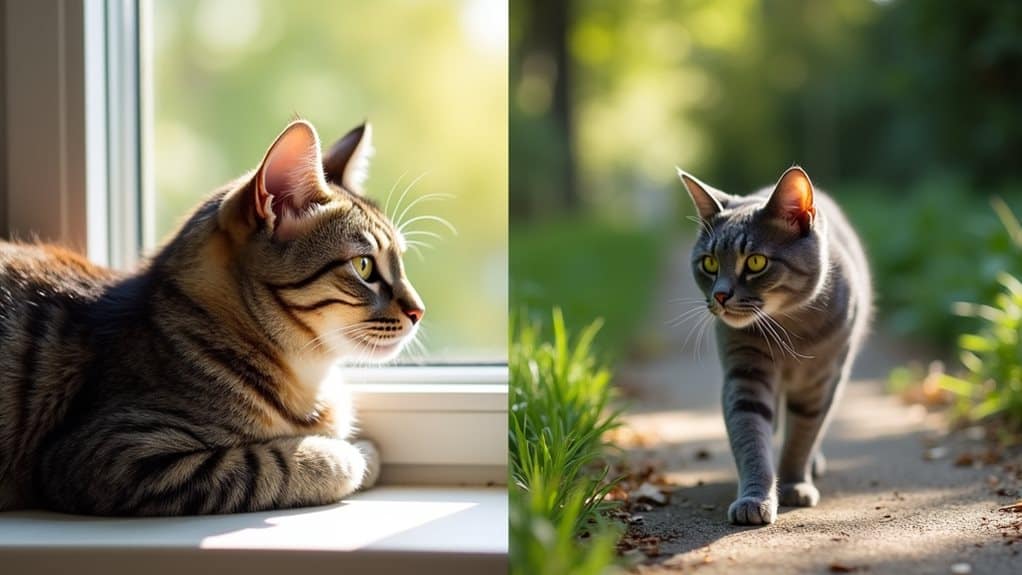
Indoor cats typically live 10-15 years versus 2-5 years for outdoor cats, facing fewer dangers like traffic accidents and predators. While indoor cats need intentional enrichment to prevent boredom, outdoor cats enjoy natural stimulation but threaten wildlife by killing billions of birds annually. You’ll need to weigh safety against freedom, considering your cat’s personality and local regulations. Compromise options like catios or leash training can give your feline friend the best of both worlds.
Longevity: How Your Cat’s Environment Affects Lifespan
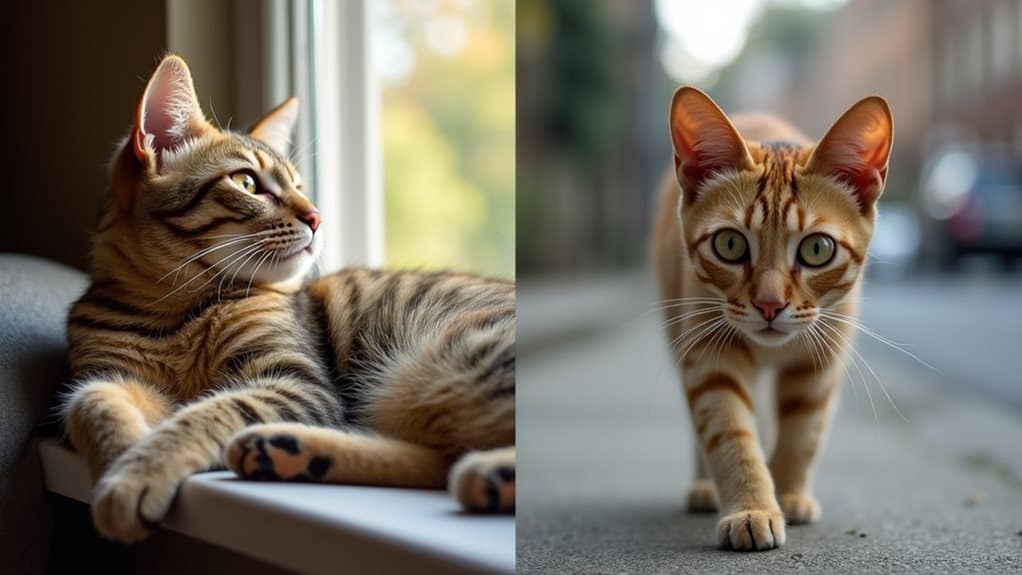
When it comes to your cat’s lifespan, their living environment plays a crucial role in determining how many years you’ll enjoy together.
Indoor cats typically live considerably longer—often 10-15 years or more—while outdoor cats face a much shorter average lifespan of just 2-5 years.
Your indoor cat avoids dangers like traffic, predators, disease, and extreme weather, but they’ll need proper indoor enrichment to stay physically and mentally stimulated.
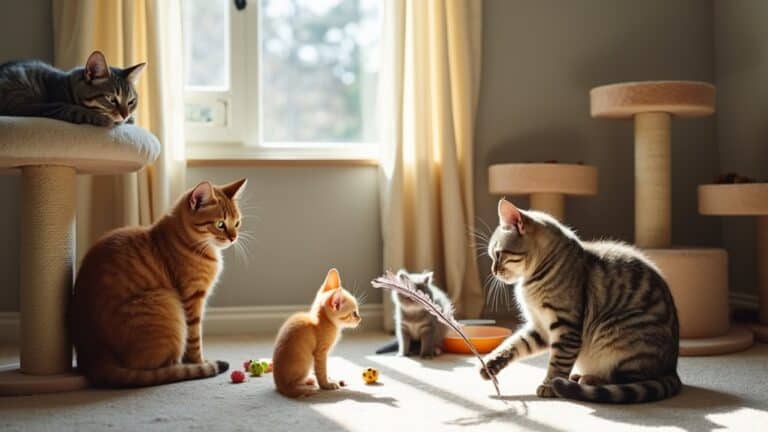
Cat trees, interactive toys, and regular play sessions can help prevent obesity and boredom.
Cats with outdoor exploration opportunities enjoy natural exercise and mental stimulation but face serious risks daily. Furthermore, providing multiple litter boxes ensures that indoor cats have a private bathroom space, reducing stress and encouraging regular use.
If you’re concerned about your cat missing out on nature’s benefits, consider compromise options like catio enclosures or supervised harness walks for the best of both worlds.
Physical Health Considerations for Both Lifestyles
Your cat’s physical health will be dramatically affected by whether they live indoors or outdoors, with each lifestyle presenting unique risks and benefits.
Indoor cats typically face fewer threats from diseases, parasites, and injuries, but they’ll need enrichment to prevent obesity and related health issues. Additionally, flea prevention is crucial for indoor cats to avoid potential infestations and related health issues.
Outdoor cats enjoy more exercise and mental stimulation, but you’ll likely spend more on veterinary care to address injuries, infections, and parasites they encounter in the wild.
Disease & Injury Risks
Indoor cats generally face fewer disease and injury threats, with disease prevention being much simpler when you control their environment. Your indoor kitty won’t encounter traffic, predators, or territorial cat fights that often lead to serious injuries requiring extensive injury management. Outdoor cats, however, are exposed to numerous hazards. They’re more likely to contract infectious diseases from other animals, pick up parasites like ticks and fleas, and face weather-related dangers. They’re also at risk for poisoning from chemicals like antifreeze or pesticides. While outdoor cats might seem tougher, they typically have shorter lifespans due to these accumulated risks. Understanding these behaviors can also help you identify potential health issues early on. You’ll need to weigh these health considerations carefully when deciding what lifestyle works best for your feline friend.
Lifespan & Veterinary Needs
The lifespan difference between indoor and outdoor cats is quite dramatic, with indoor cats typically living 10-15 years while many outdoor cats survive only 2-5 years. This stark contrast reflects the many hazards outdoor cats face, from traffic accidents to predators.
| Health Consideration | Indoor Cats | Outdoor Cats |
|---|---|---|
| Preventative care | Basic vaccines | Additional parasite prevention |
| Veterinary visits | Annual checkups | More frequent emergency visits |
| Common health issues | Obesity, dental | Injuries, infections |
| Veterinary costs | Lower long-term | Higher emergency expenses |
You’ll likely spend more on preventative care for outdoor cats, as they need additional protection against parasites and diseases. However, indoor cats require careful attention to exercise and diet to prevent obesity-related issues. Additionally, neglecting veterinary check-ups can lead to undiagnosed health problems regardless of a cat’s lifestyle. Either lifestyle choice comes with its own set of health considerations and costs.
Mental Stimulation and Behavioral Development
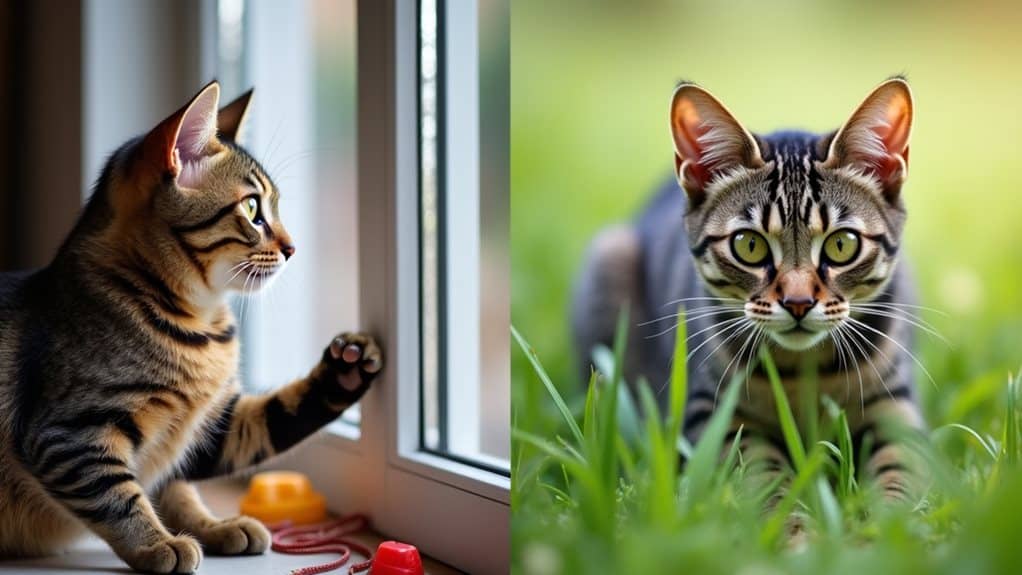
When considering a cat’s mental well-being, their environment plays a crucial role in shaping behaviors and cognitive development. Indoor cats need intentional cognitive enrichment through interactive toys, climbing structures, and rotating activities to prevent boredom.
You’ll notice their play behavior differs from outdoor cats, who naturally encounter varied stimulation through hunting, exploring, and interacting with their environment.
However, outdoor cats face unpredictable situations that can trigger stress responses or territorial aggression. Your indoor cat might show frustration through destructive behaviors if you don’t provide enough stimulation, but they’re often easier to train and socialize.
The key difference? Outdoor cats develop skills through natural challenges, while indoor cats rely on you to create engaging environments. Both settings influence your cat’s personality and mental health in distinct ways. Additionally, providing vertical spaces and hiding spots can greatly enhance your indoor cat’s cognitive engagement and comfort.
Safety Risks: Traffic, Predators, and Human Threats
Your outdoor cat faces serious safety hazards every time they venture beyond your doorstep.
Cars pose a major threat, with many cats injured or killed on roads each year, especially in urban and suburban areas.
Beyond traffic, your feline friend might encounter natural predators like coyotes, hawks, or even aggressive neighborhood dogs, creating a dangerous world that indoor cats never have to traverse. Additionally, the realities of financial commitment associated with cat ownership can increase the likelihood of abandonment, as families might struggle to provide necessary care in challenging situations.
Traffic Dangers Analysis
Traffic dangers pose one of the most immediate and deadly threats to outdoor cats, with countless felines meeting tragic ends on roads each year.
You’ll notice these risks intensify in urban environments, where busy streets and unpredictable traffic patterns create a hazardous maze for your curious cat to traverse.
Even cautious cats can’t understand the physics of moving vehicles or anticipate driver behavior. Your neighborhood might seem quiet, but it only takes one distracted driver or a sudden dash across the street for tragedy to strike.
Cats also tend to freeze or panic when startled by approaching headlights, especially at night when they’re most active.
If you’re considering letting your cat outdoors, remember that no amount of collar bells or reflective gear can fully protect them from the unpredictable nature of traffic. Providing safe spaces for your cat indoors can help reduce the urge to venture outside into these dangerous environments.
Natural Predator Encounters
Despite their hunting prowess, outdoor cats frequently become prey themselves when faced with larger wildlife predators lurking in seemingly safe neighborhoods. Your feline friend might encounter coyotes, foxes, hawks, or even larger dogs that view them as targets rather than companions.
These predators follow their natural hunting instincts, just as your cat does with mice and birds.
While allowing outdoor access supports your cat’s instinctual behaviors, it also exposes them to life-threatening dangers. Many cat owners are shocked to discover predators in suburban areas, not merely rural settings.
Even if your cat is quick and street-smart, they can’t always outrun or outfight determined predators. Indoor cats, meanwhile, remain safely protected from these threats while still enjoying stimulating play that mimics hunting without the risks. Additionally, feral cats’ nocturnal behavior often increases their chances of encountering such predators during their nighttime activities.
Environmental Impact: Wildlife Conservation Concerns
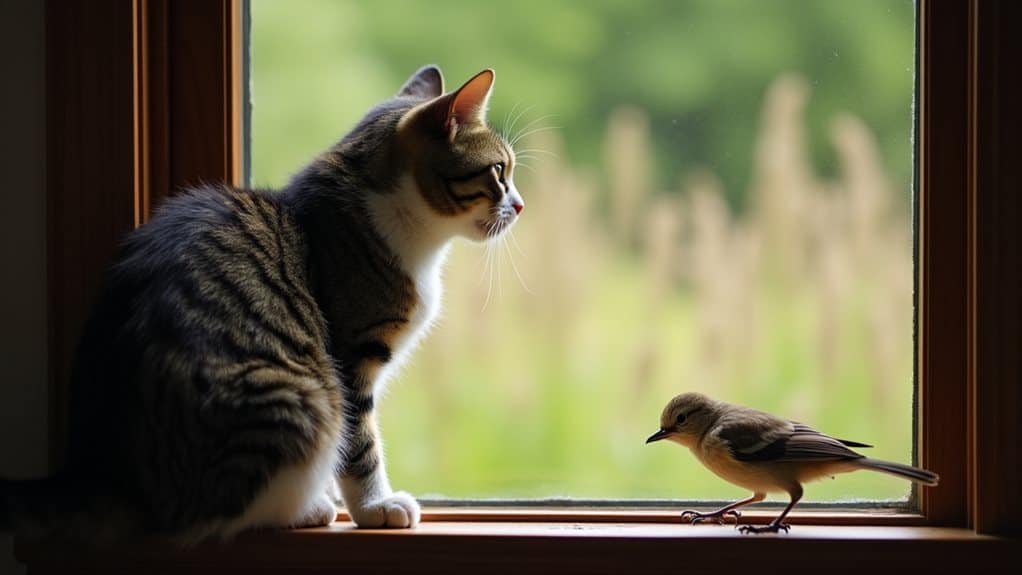
When cats roam freely outdoors, they become one of the most efficient predators in any ecosystem, markedly threatening local wildlife populations. Your feline friend’s natural hunting instinct doesn’t distinguish between pest species and protected wildlife, resulting in considerable wildlife impact across neighborhoods.
Studies show outdoor cats kill billions of birds and small mammals annually, including endangered species that conservation strategies aim to protect. Feral cats, in particular, are recognized as predators of birds due to their hunting behaviors, which further exacerbates the environmental impact.
You’re faced with a tough dilemma: allowing your cat natural behaviors while potentially harming local ecosystems. Many wildlife experts recommend keeping cats indoors or using alternatives like catios and supervised outdoor time.
If your cat does go outside, simple solutions like colorful collars with bells can reduce hunting success. By understanding your pet’s environmental footprint, you’ll make more informed decisions that balance your cat’s happiness with wildlife protection.
Cost Comparison: Veterinary Care and Maintenance
Indoor cats typically incur lower veterinary expenses over their lifetime, as they’re less exposed to injuries, parasites, and contagious diseases that outdoor cats frequently encounter.
You’ll find that outdoor cats often need more frequent vet visits for treating wounds, infections, and flea infestations. These unexpected veterinary costs can add up quickly!
While indoor cats may need more enrichment toys and scratching posts, these maintenance costs are predictable and often less expensive than emergency medical care. Additionally, regular flea treatment is essential for both types of cats but can be more critical for outdoor cats prone to infestations.
When budgeting for your feline friend, remember that those adorable outdoor adventures might come with a hefty price tag in medical bills.
Your indoor kitty might demand that fancy cat tree, but your savings account will likely thank you in the long run!
Compromise Solutions: Catios, Leash Training, and Supervised Time
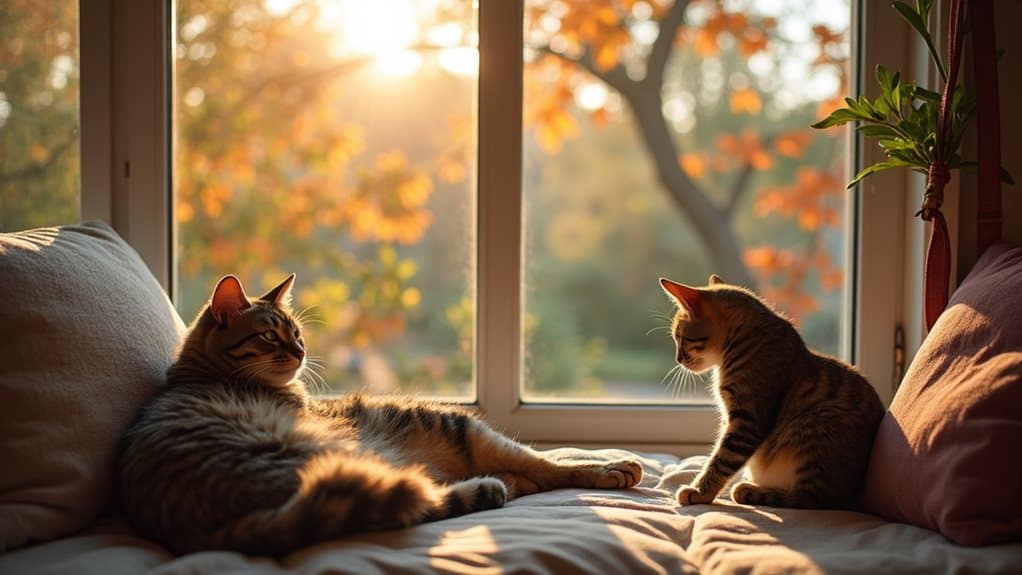
You don’t have to choose between keeping your cat completely indoors or letting them roam freely outside.
Catios (cat patios) offer your feline friend fresh air and stimulation while keeping them safely enclosed, while leash training can provide supervised adventures beyond your property.
These compromise solutions give your cat the best of both worlds—outdoor enrichment with the safety benefits of indoor living.
Creative Outdoor Options
Many cat owners find themselves torn between keeping their feline friends completely indoors or letting them roam freely outside—but fortunately, there’s middle ground. Creative playtime options can provide the stimulation your cat craves while keeping them safe from outdoor dangers.
| Option | Benefits | Investment Level |
|---|---|---|
| Window Perches | Daily sunbathing, wildlife viewing | $ |
| Enclosed Gardens | Natural exploration, outdoor enrichment | $$ |
| Portable Playpens | Flexibility, fresh air access | $$ |
| Outdoor Cat Tunnels | Sensory stimulation, contained adventure | $$$ |
| DIY Backyard Paths | Customized exploration routes, exercise | $$ |
You don’t need to choose between your cat’s safety and their natural desire to experience the outdoors. These creative solutions let you provide enriching outdoor experiences while maintaining control over potential risks.
Safe Exploration Methods
When it comes to satisfying your cat’s natural curiosity for the outdoors while maintaining their safety, several compromise solutions offer the best of both worlds.
Catios—enclosed outdoor spaces—provide fresh air and sunshine without exposure to predators or traffic. Your feline friend can enjoy outdoor adventures while you enjoy peace of mind!
Leash training is another excellent option, though it requires patience. Start indoors, then gradually introduce your cat to your yard before venturing further. Most cats adapt surprisingly well with consistent practice.
For a simpler approach, try supervised backyard time. Just 15-30 minutes of exploration activities under your watchful eye can fulfill your cat’s outdoor cravings.
Remember to choose quiet times when neighbors’ pets aren’t around, and always have treats ready to entice them back inside.
Breed-Specific Considerations for Indoor Vs Outdoor Living
While every cat has its own unique personality, certain breeds have genetic predispositions that make them better suited for either indoor or outdoor living. Understanding these breed traits can help you make informed decisions about your cat’s living preferences.
Persian and Ragdoll cats, with their long coats and docile temperaments, typically thrive indoors where they’re protected from the elements. They’re not built for rough-and-tumble outdoor adventures!
On the flip side, Maine Coons and Norwegian Forest cats have weather-resistant coats and robust builds that equip them better for outdoor exploration.
Short-nosed breeds like Himalayans and Exotic Shorthairs often struggle with breathing in extreme temperatures, making indoor living crucial.
Legal and Neighborhood Implications of Free-Roaming Cats
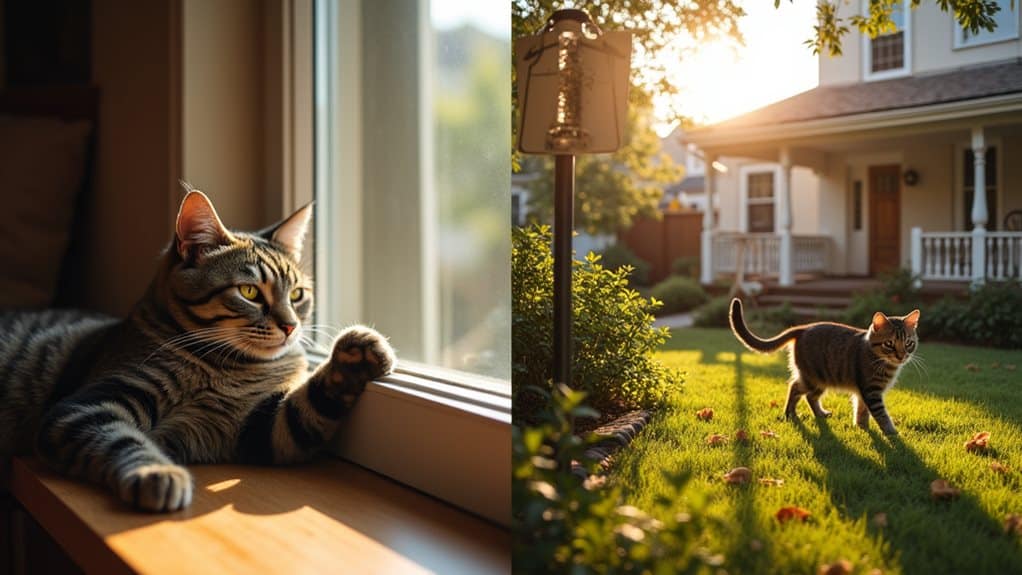
Beyond breed characteristics, letting your cat roam freely outdoors involves important legal and social considerations in your community.
Many areas have specific legal regulations about pet containment, and you might face fines if your cat damages property or becomes a nuisance. Some neighborhoods have enacted ordinances specifically restricting free-roaming cats due to wildlife concerns.
Cat containment laws vary by location, with potential fines for property damage or wildlife disturbance.
Your wandering feline could inadvertently spark neighborhood conflicts when they use gardens as litter boxes, disturb local wildlife, or trigger allergies in neighbors.
You’ll need to balance your cat’s desire for outdoor adventure with maintaining positive community relationships. Before deciding on an outdoor lifestyle for your cat, check your local laws and homeowners’ association rules.
A quick conversation with neighbors about your cat might also prevent misunderstandings and build goodwill in your community.
Making the Transition: How to Change Your Cat’s Living Situation
Shifting your cat between indoor and outdoor living requires patience and a thoughtful approach to guarantee your feline friend adapts successfully. Whether you’re bringing an outdoor cat inside or introducing an indoor cat to supervised outdoor time, expect some behavioral adjustments along the way.
| Change Type | Method | Timeline |
|---|---|---|
| Outdoor to Indoor | Provide enrichment toys | 2-4 weeks |
| Indoor to Outdoor | Gradual exposure on harness | 1-2 months |
| Indoor/Outdoor Mix | Start with enclosed patio | 3-4 weeks |
| Seasonal Changes | Adjust based on weather | Varies |
Frequently Asked Questions
Can Indoor Cats Develop Hunting Skills Without Outdoor Access?
Yes, you can nurture your cat’s hunting instincts through indoor enrichment. Interactive toys that mimic prey, feather wands, and treat puzzles will stimulate their natural predatory behaviors without outdoor access.
How Do Outdoor Cats Handle Extreme Weather Conditions?
Like seasoned sailors steering through stormy seas, outdoor cats rely on their survival instincts to seek shelter during extreme weather. You’ll notice they’ve developed weather adaptations, finding warm spots in winter and shade in summer.
Do Indoor Cats Need Special Furniture or Home Modifications?
Yes, you’ll need basic items like cat trees and scratching posts for your indoor cat’s enrichment. Consider window perches, hiding spots, and climbing shelves to maximize vertical space and satisfy their natural instincts.
How Do Neighbors Typically React to Outdoor Cats?
Ah, your furry freedom fighter might spark neighborhood conflicts faster than a homeowners’ association bans pink flamingos! You’ll find neighbors divided—some love your cat, while others fume about wildlife concerns and garden invasions.
Can Indoor-Only Cats Develop Normal Social Relationships With Humans?
Yes, your indoor-only cat can develop excellent social relationships with humans. Focus on regular socialization techniques like interactive play and consistent bonding activities to guarantee they’re well-adjusted and affectionate companions in your home.
Final Thoughts
Your choice between indoor and outdoor living will shape your cat’s expedition through life. Whether you opt for a cozy indoor sanctuary or allow your feline friend to explore nature’s playground, remember that your decision impacts their rainbow years. Consider your cat’s personality, your neighborhood’s safety, and wildlife concerns. With thoughtful compromises like catios or leash training, you’ll find the purr-fect balance that keeps both your kitty and local birds singing happily.