The Best Fluffy Pancakes recipe you will fall in love with. Full of tips and tricks to help you make the best pancakes.

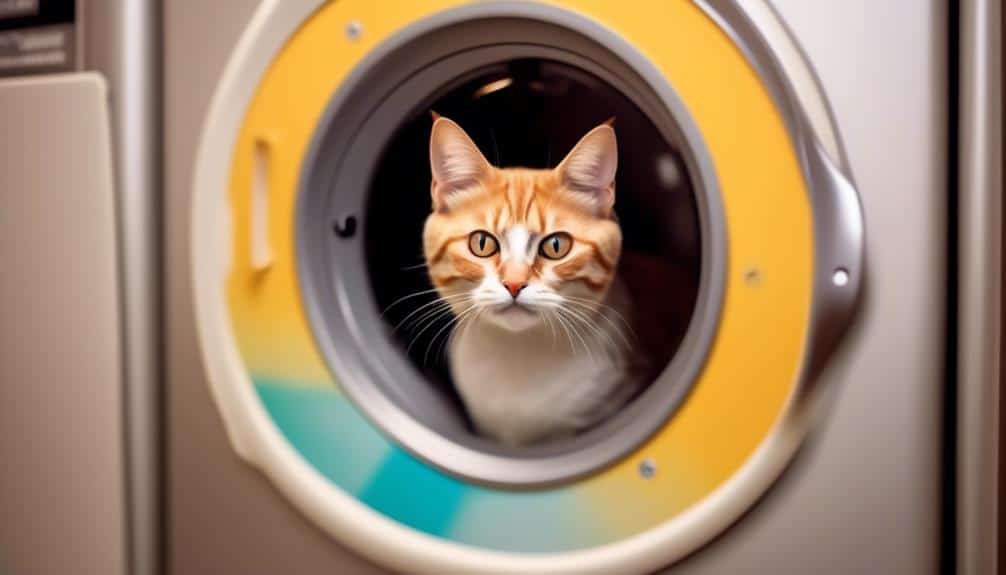
Dryer sheets may seem like harmless household items, but for cats, they can present hidden dangers. These curious creatures are inexplicably drawn to the texture and scent of dryer sheets, making them susceptible to serious health risks.
In this article, we will delve into the reasons behind cats' fascination with dryer sheets and explore the potential hazards they face. From the harmful chemicals found in these sheets to the alternative options that can keep our feline companions safe, it is crucial to understand the risks and take necessary precautions.
Stay tuned to discover the surprising truth about why cats love dryer sheets and how we can protect them from harm.
Key Takeaways
- Cats are attracted to dryer sheets due to their texture, smell, and association with their owners.
- Dryer sheets can be dangerous for cats, causing damage to their eyes, skin, and digestive tract.
- If a cat ingests a dryer sheet, immediate veterinary care is necessary to minimize harm.
- There are safe alternatives to dryer sheets, such as wool balls, vinegar, and pet-safe dryer sheets, that can be used to keep cats safe.
Reasons Why Cats Are Attracted to Dryer Sheets
Cats are often drawn to dryer sheets for a variety of reasons, ranging from their tactile appeal to the familiar scent they emit. The benefits of using dryer sheets for laundry are well-known, as they help to reduce static cling, soften fabrics, and leave clothes smelling fresh.
However, it is important to consider the environmental impact of dryer sheets. The chemicals used in dryer sheets can be harmful to the environment, particularly when they are released into the air during the drying process. Additionally, the production and disposal of dryer sheets contribute to waste and pollution.
Therefore, it is advisable to explore alternative options for fabric softening and odor elimination that are more eco-friendly, such as using wool balls or natural fabric softeners.
Dangers of Dryer Sheets to Cats
The potential hazards associated with dryer sheets pose a significant risk to feline health. Dryer sheets contain cationic detergents, which are chemicals with positive ion charges. These detergents can cause damage to a cat's eyes, skin, and digestive tract.
Cats' grooming habits can spread the chemicals from dryer sheets all over their bodies, increasing the risk of exposure. Ingesting dryer sheets can lead to symptoms such as mouth ulcers, vomiting, and stomach pain.
If a cat ingests a dryer sheet, immediate veterinary care should be sought. Inducing vomiting and administering activated charcoal may not be recommended due to the potential harm caused by cationic detergents. Early veterinary care is crucial for the best outcome.
It is important to keep dryer sheets and pet-safe alternatives away from pets to prevent accidental ingestion.
Actions to Take if a Cat Eats a Dryer Sheet
If a cat ingests a dryer sheet, immediate veterinary care is essential to minimize the potential harm caused by the chemicals in the sheet. Treatment options for cationic detergent ingestion in cats may include the following:
- Seek veterinary care: Contact a veterinarian as soon as possible to assess the situation and provide appropriate treatment.
- Avoid inducing vomiting: Inducing vomiting may not be recommended due to the potential harm caused by cationic detergents. It is best to follow the veterinarian's advice.
To properly store dryer sheets and prevent pet access, consider the following:
- Keep dryer sheets in a secure location: Store them in a closed cabinet or a high shelf where cats cannot reach them.
- Use pet-proof containers: Consider using containers with secure lids to store dryer sheets, preventing accidental access by pets.
Alternatives to Dryer Sheets for Keeping Cats Safe
Using safe alternatives to traditional dryer sheets is crucial for ensuring the well-being of cats. One effective alternative is using wool balls for pet hair removal. Wool balls are made from natural fibers and can be placed in the dryer with clothes to help remove pet hair without the use of chemicals. Additionally, wool balls can also help to reduce drying time and static cling.
Another alternative is using vinegar as a natural fabric softener. Vinegar is safe for animals and can be used in moderation to avoid a strong vinegar smell on clothes.
It is important to consider the environmental impact of traditional dryer sheets as well. These sheets often contain harmful chemicals that can be released into the air during the drying process. By opting for pet-safe alternatives like wool balls and vinegar, not only are cats kept safe, but the environment is also protected.
Wool Balls as a Safe Alternative
To ensure the safety of cats, it is important to explore alternative options to traditional dryer sheets, such as wool balls. Wool balls offer several advantages for laundry and can be a safe alternative to dryer sheets.
Advantages of using wool balls for laundry:
- Wool balls are made from natural materials and do not contain any harmful chemicals, making them safe for cats.
- They help to soften clothes and reduce static cling without the use of synthetic fragrances or cationic detergents.
- Wool balls are reusable and can be used for multiple loads of laundry, making them cost-effective and environmentally friendly.
Comparing the safety and effectiveness of wool balls vs. dryer sheets:
- Wool balls do not pose a risk of eye, skin, or digestive tract damage to cats, unlike dryer sheets.
- Wool balls do not leave any residue on clothes or attract cats due to their scent or texture.
- They are equally effective in reducing static cling and softening clothes as dryer sheets.
Vinegar as a Natural Fabric Softener
Vinegar, a commonly found household ingredient, can serve as a natural fabric softener that offers several benefits for both laundry and the well-being of cats.
When used as a fabric softener, vinegar helps to remove soap residue from clothes, leaving them soft and static-free. This can be particularly beneficial for pet owners, as it reduces the risk of irritants coming into contact with their cats' sensitive skin.
Additionally, vinegar has antimicrobial properties that can help eliminate odors and bacteria that may be present on clothing. However, it is important to note that vinegar has a strong odor that some cats may find displeasing.
Therefore, it is recommended to use vinegar in moderation and ensure proper ventilation during the drying process to minimize any potential discomfort for cats.
Pet-Safe Dryer Sheets
Vinegar's strong odor may not be appealing to some cats; therefore, pet-safe dryer sheets offer a viable alternative for those seeking to soften their laundry without exposing their feline companions to potentially harmful chemicals.
Are pet safe dryer sheets effective? Yes, pet-safe dryer sheets can effectively soften clothes and reduce static cling. They are designed to be safe for pets and contain ingredients that are non-toxic and gentle on the skin. However, it is important to note that not all pet-safe dryer sheets are created equal, and it is essential to read the labels and choose products that are specifically labeled as pet-safe.
Are there any potential risks associated with using pet safe dryer sheets? While pet-safe dryer sheets are generally considered safe, some cats may still be sensitive to certain ingredients. It is always recommended to monitor your cat for any signs of irritation or allergic reactions when using any new product.
Adding Essential Oils for a Pleasant Scent
What are the benefits of adding essential oils to your laundry for a pleasant scent?
Essential oils have gained popularity in laundry routines as a natural alternative to synthetic fragrances. They offer a range of pleasant scents, such as lavender, citrus, and eucalyptus, which can enhance the freshness of your clothes.
However, when using essential oils with pets, caution must be exercised to ensure their safety. Essential oils can pose potential risks to pets, including cats, as they are highly sensitive to certain compounds found in essential oils. Inhalation or direct contact with undiluted essential oils can irritate their respiratory system, skin, and even cause toxicity.
It is important to use essential oils safely by diluting them appropriately and keeping them out of reach from pets to prevent accidental ingestion or exposure.
Preventing Accidental Ingestion
To prevent accidental ingestion of dryer sheets by cats, it is important to take proactive measures and ensure the safety of our feline companions. Here are some tips for storing dryer sheets safely:
- Keep dryer sheets in a sealed container or drawer that is inaccessible to cats.
- Store dryer sheets away from areas where cats frequently roam and explore, such as laundry rooms or closets.
- Avoid leaving dryer sheets unattended on countertops or other surfaces where cats can easily reach them.
Recognizing the signs of cationic detergent ingestion in cats is crucial for early intervention. Here are some signs to watch out for:
- Mouth ulcers or sores
- Swollen tongue
- Lethargy or weakness
If you suspect that your cat has ingested a dryer sheet, it is important to seek veterinary care immediately. Prompt treatment can help minimize the potential harm caused by the chemicals in dryer sheets.
Conclusion
In conclusion, dryer sheets may be a common household item, but they can pose serious risks to our feline companions. The cationic detergents found in dryer sheets can harm cats' eyes, skin, and digestive tract if ingested. It is crucial to be aware of these dangers and take immediate action if a cat consumes a dryer sheet.
Fortunately, there are safer alternatives available, such as wool balls, vinegar, and pet-safe dryer sheets. By understanding the risks and utilizing these alternatives, we can protect our cats from potential harm.
Can we afford to overlook the hidden dangers of dryer sheets when it comes to our beloved feline friends?