The Best Fluffy Pancakes recipe you will fall in love with. Full of tips and tricks to help you make the best pancakes.


The best cat grooming tools depend on your cat’s coat type. Short-haired cats need minimal care with rubber brushes, while long-haired felines require daily attention with wide-toothed combs. Invest in quality deshedding tools like Furminator for seasonal shedding. Don’t forget nail clippers, ear cleaners, and dental supplies for complete care. While professional-grade tools cost more initially, they often outlast budget options and provide better results. The right equipment makes grooming time bonding time.
Understanding Cat Coat Types and Grooming Needs
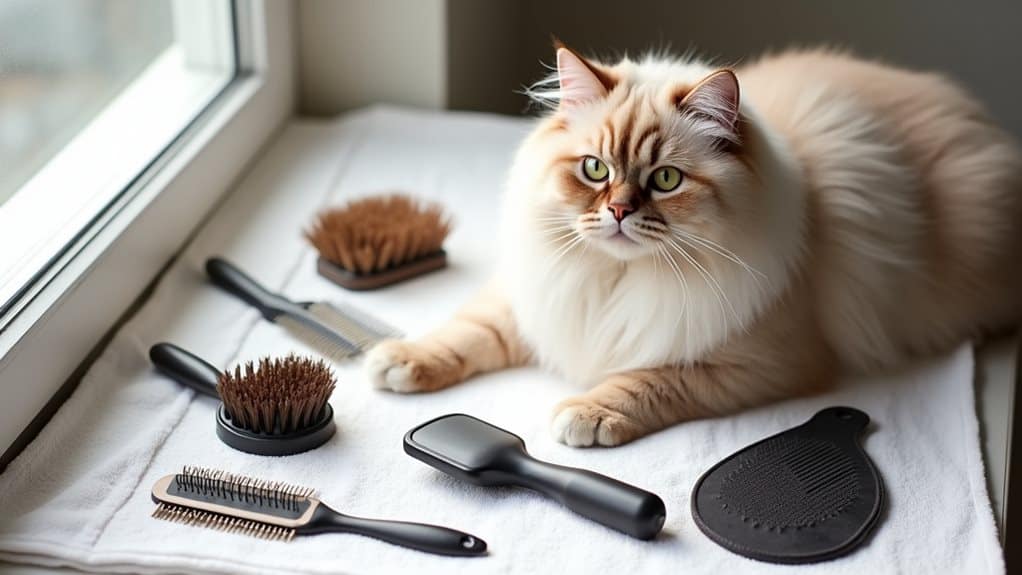
Before you can select the right grooming tools for your feline friend, you’ll need to understand their specific coat type. Cats come in several varieties—short-haired, medium-haired, long-haired, and hairless—each requiring different grooming frequency and coat maintenance approaches.
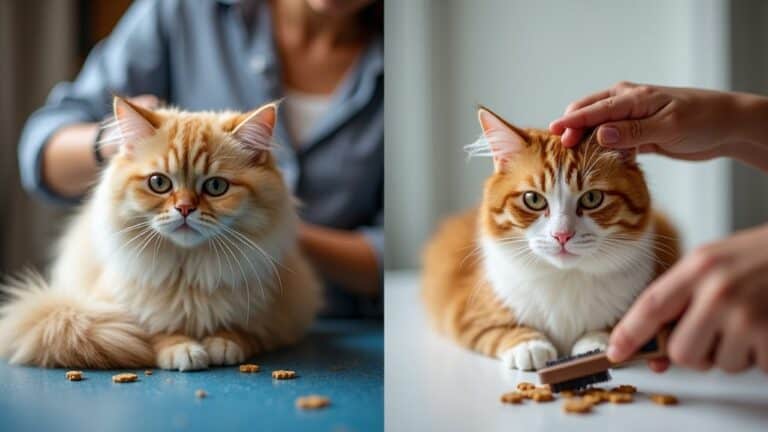
Short-haired cats typically need minimal grooming, perhaps once weekly, while those luxurious long-haired beauties might require daily attention to prevent painful mats.
Consistent grooming matters—once weekly for sleek short-hairs, daily brushing for those stunning long-haired felines to keep mats at bay.
Your cat’s lifestyle also impacts their grooming needs; outdoor explorers collect more debris than indoor loungers.
Don’t forget that seasonal changes affect shedding patterns too! During spring and fall, you’ll notice increased fur around your home as your cat’s coat adjusts.
Regular grooming strengthens the bond between you and your cat, making the experience more enjoyable for both of you.
Understanding these natural cycles helps you develop an effective grooming routine that keeps your kitty comfortable and your furniture (relatively) fur-free.
Essential Brushes and Combs for Different Fur Lengths
For short-haired cats, a rubber brush or grooming glove works wonders. These gentle tools remove loose fur while increasing circulation, and they’re perfect for cats who dislike intense grooming sessions.
Medium-length coats benefit from slicker brushes, which detangle and remove dead undercoat without irritating skin.
Long-haired beauties require more specialized attention. Wide-toothed combs and de-shedding tools are crucial for preventing painful mats.
You’ll want to adjust your grooming frequency based on fur length—daily for long-haired cats, weekly for medium coats, and bi-weekly for short-haired felines. Regular grooming also enhances overall health and hygiene, ensuring that your cat stays comfortable and well cared for.
Deshedding Tools That Actually Work
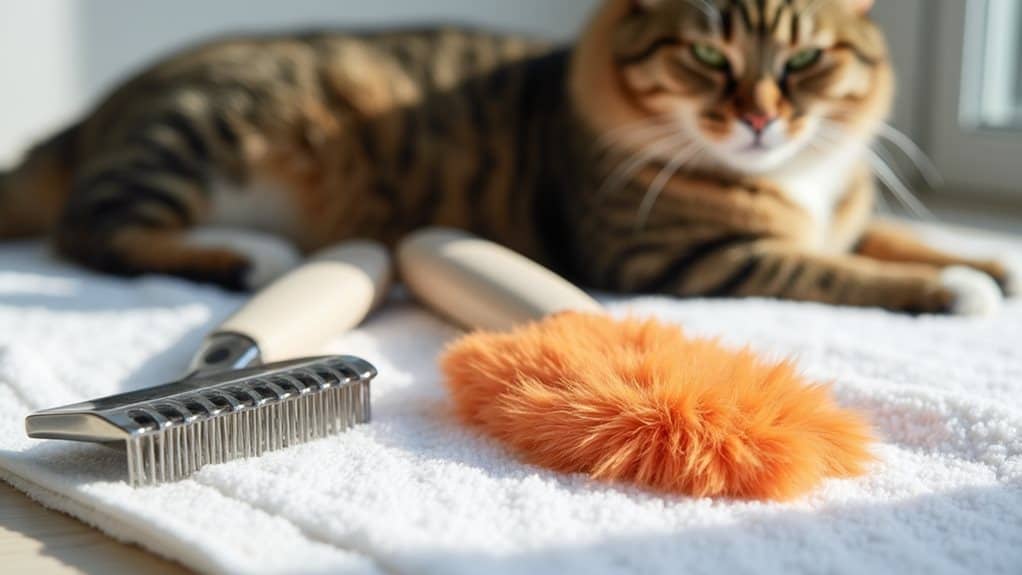
When it comes to tackling your cat’s shedding, top brands like Furminator, SleekEZ, and Safari consistently deliver impressive results.
You’ll need to match your deshedding tool to your cat’s specific fur type, as long-haired breeds require different approaches than short-haired varieties.
The right tool won’t just reduce hairballs and allergies but will also make grooming time a bonding experience that your feline friend might actually enjoy. Additionally, implementing a daily grooming routine is essential to prevent matting and tangling, promoting overall coat health.
Top Deshedding Brands
Several game-changing deshedding tools have revolutionized how pet parents manage their cat’s shedding issues.
When shopping for the best brand, you’ll want to take into account both effectiveness and your cat’s comfort level. Many pet owners make common grooming mistakes by choosing the wrong tool for their cat’s coat type.
Top deshedding brands worth your attention include:
- FURminator – Their precision-edge technology removes loose hair without damaging the topcoat
- SleekEZ – A simple design that works surprisingly well on short-haired breeds
- Hertzko Self-Cleaning Slicker Brush – Combines deshedding with easy clean-up features
You’ll notice the difference immediately when using quality tools—less fur around your home and a happier, healthier cat. Regular grooming with the right tools not only maintains a clean environment but also supports overall wellness for your pet.
Fur Type Considerations
Different cat fur types demand specific deshedding tools to achieve ideal results without causing discomfort to your feline friend. When you’re choosing the right tool, consider both your cat’s coat length and texture to guarantee effective grooming sessions.
| Fur Type | Recommended Tool | Grooming Frequency | Fur Maintenance Tips |
|---|---|---|---|
| Short | Fine-tooth comb | Weekly | Quick brushing after play |
| Medium | Slicker brush | Twice weekly | Focus on trouble spots |
| Long | Deshedding rake | Every 2-3 days | Check for mats daily |
| Double-coat | Undercoat rake | Twice weekly | Seasonal deep grooming |
| Curly/Rex | Soft bristle brush | Weekly | Gentle touch vital |
You’ll find your grooming sessions more productive when you match the tool to your cat’s specific needs. Additionally, remember that gentle handling reduces stress and anxiety during grooming, creating a more positive experience for both you and your cat. Consistency is key—regular sessions prevent excessive shedding and hairballs!
Nail Care Essentials: Clippers and Grinders
Proper nail care stands as one of the most crucial aspects of cat grooming that many pet parents overlook.
You’ll need the right tools to keep your kitty’s claws in check, preventing painful overgrowth and protecting your furniture. When choosing between clippers and grinders, consider your cat’s temperament and your own comfort level with nail trimming techniques.
- Guillotine-style clippers offer precision cutting for beginners, with a hole that positions the nail perfectly before trimming.
- Scissor-style clippers provide better visibility and control for cats with thick nails.
- Electric nail grinders gradually file down nails, reducing the risk of cutting the quick. Keeping styptic powder on hand is essential in case of any accidental cuts during the trimming process.
Bathing Products and Waterless Cleaning Solutions
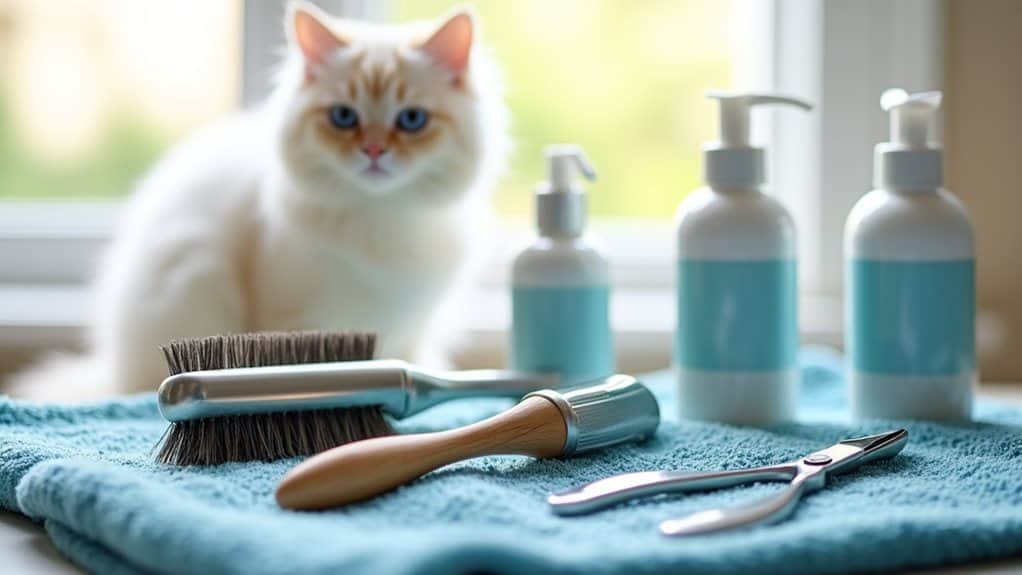
While most cats pride themselves on their self-cleaning abilities, there are times when your feline friend needs some extra help staying fresh and clean. That’s when bathing products and waterless cleaning solutions come to the rescue!
For cats who absolutely detest water, waterless shampoos are a game-changer. These foam or spray formulas clean without rinsing, making grooming less stressful for everyone involved. Simply apply the product, work it through your cat’s fur, and wipe away with a towel. Regular grooming promotes better circulation and overall skin health, contributing to a comfortable coat.
If you’re brave enough for a traditional bath, proper bathing techniques make all the difference. Use lukewarm water, cat-specific shampoo, and keep sessions quick.
Always have treats ready as rewards! Remember, the less traumatic the experience, the easier future grooming sessions will be.
Specialized Tools for Sensitive Areas: Eyes, Ears and Teeth
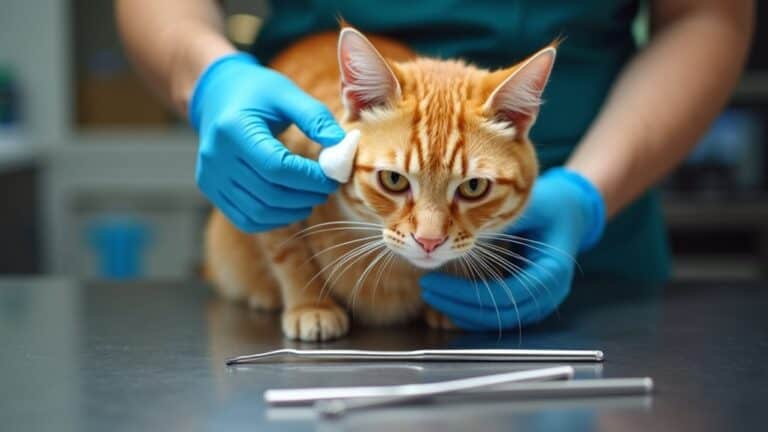
Moving beyond basic cleaning, your cat’s sensitive areas need special attention with tools designed just for these delicate parts. Proper eye care, ear cleaning, and dental hygiene shouldn’t be overlooked in your grooming routine.
Delicate areas require specialized attention—the secret to a truly comprehensive feline grooming routine.
You’ll find specialized tools that make these tasks easier while keeping your kitty comfortable.
- Eye Wipes and Cleansers: Gentle, pre-moistened pads remove discharge and prevent tear stains. Use these weekly for ideal eye care, more frequently for flat-faced breeds.
- Ear Cleaning Solutions: Look for veterinarian-formulated liquids with cotton applicators that dissolve wax without irritation. Most cats need ear cleaning every 2-3 weeks.
- Dental Care Kits: Finger brushes, toothpastes, and dental toys help maintain your cat’s teeth between professional cleanings. Aim for brushing 2-3 times weekly for fresh breath and healthy gums. Regular dental care contributes to overall paw health and prevents other health complications.
Budget-Friendly vs. Professional-Grade Grooming Equipment
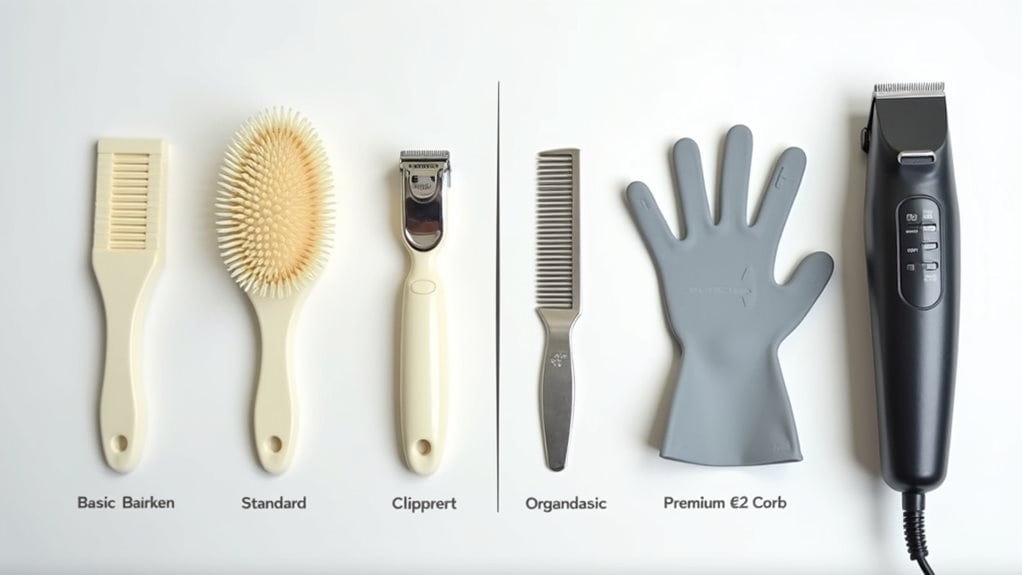
When choosing cat grooming tools, you’ll quickly notice the price range can vary dramatically between budget options and professional-grade equipment.
While budget grooming tools might seem appealing to your wallet initially, they often lack the durability that premium options offer.
Consider this: a $10 brush that needs replacing every few months versus a $30 brush that lasts years. Equipment longevity becomes the real money-saver in the long run!
Professional tools typically feature higher-quality materials, ergonomic designs, and specialized features that make grooming more effective and comfortable for both you and your feline friend. Regular grooming enhances cat health, hygiene, and well-being, making it important to invest in the right tools.
That said, not all budget options disappoint. Many affordable slicker brushes and nail clippers perform admirably for casual home grooming.
The best approach? Invest in professional-grade tools for items you’ll use frequently, while choosing budget-friendly options for occasional use.
Frequently Asked Questions
How Often Should I Groom My Elderly or Arthritic Cat?
You should groom your elderly cat with arthritis considerations in mind by doing short, gentle sessions 2-3 times weekly. Use soft brushes and watch for signs of discomfort. Always be patient during elderly cat grooming.
Can Grooming Tools Help Reduce My Cat’s Anxiety During Sessions?
Emma’s cat Marcel calmed instantly with a silicone brush! Yes, specific grooming tools can reduce your cat’s anxiety. Using gentle grooming techniques like soft-bristled brushes and massage tools promotes anxiety reduction during sessions.
Are Electric Grooming Tools Safe for Kittens?
Electric tools aren’t recommended for kittens under 6 months. Their sensitive skin requires gentler kitten safety measures. You’ll want to start with soft brushes and proper grooming techniques before introducing motorized tools as they mature.
How Do I Disinfect Grooming Tools Between Multiple Cats?
You’ll need to use proper disinfecting techniques between cats. Clean tools with soap and water, then apply a pet-safe disinfectant. Let tools soak for 10 minutes. Tool sanitization prevents disease spread among your feline friends.
Which Grooming Tools Help Manage Hairball Problems Most Effectively?
Slicker brushes and deshedding tools help manage hairballs most effectively. You’ll want to increase grooming frequency for ideal hairball prevention. Using a fine-toothed comb to remove loose fur also reduces your cat’s self-grooming ingestion.
Final Thoughts
You’re now equipped to turn those “fur-flying fiascos” into peaceful grooming sessions! Whether you’re working with a budget kit or professional-grade tools, what matters most is matching the right equipment to your cat’s unique coat. Remember, patience and proper tools go hand in hand. With the right brushes, deshedders, and nail care necessities in your arsenal, you’ll help your feline friend look their best while strengthening your bond through regular grooming routines.