
The Best Fluffy Pancakes recipe you will fall in love with. Full of tips and tricks to help you make the best pancakes.

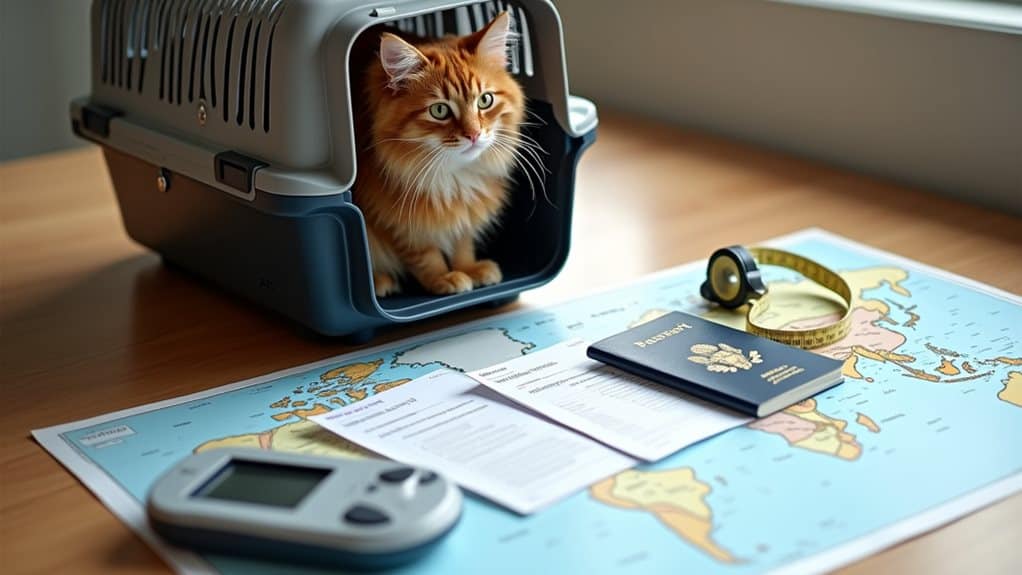
When traveling internationally with your cat, you’ll need several crucial documents: a health certificate issued within 10 days of travel, proof of rabies vaccination, and microchip documentation. Most countries require ISO-compliant microchips and specific vaccination timelines. Research quarantine regulations early, as they differ greatly between destinations. Choose an airline-approved carrier that provides comfort during transit, and begin acclimating your cat to it weeks in advance. The right preparation guarantees a more seamless trip for both you and your feline companion.
Essential Documents for Feline International Travel
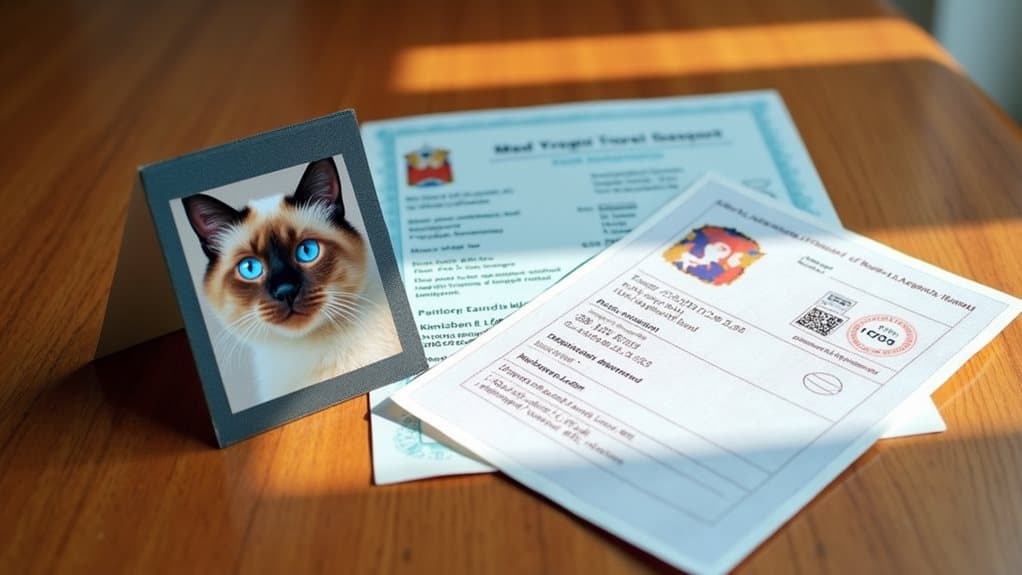
While planning to take your feline friend across international borders, you’ll need to prepare a thorough set of documents well in advance. Most countries require an official health certificate signed by a veterinarian within 10 days of travel, proving your cat is healthy and vaccinated against rabies.
Don’t forget to research international pet insurance options that cover unexpected veterinary care abroad. This small investment can save you thousands if your kitty needs emergency treatment in a foreign country!
Your cat’s microchip information and registration documents are also crucial, as many nations won’t admit pets without proper identification.
One of the best cat travel tips we can offer: create a digital folder with copies of all documents, and keep physical copies in a waterproof folder. Border officials have little patience for disorganized paperwork when your furry companion is meowing nervously!
Microchipping and Identification Requirements
When traveling internationally with your cat, proper identification becomes your most critical safety net should your feline friend escape during the trip. Most countries require cats to have an ISO-compliant microchip (usually 15-digit), which is permanently implanted under your cat’s skin.
You’ll need to verify which microchip types are accepted at your destination, as some countries won’t recognize certain brands or frequencies.
Don’t rely solely on microchips, though! Visible identification tags attached to your cat’s collar provide immediate contact information to anyone who might find your wandering kitty.
These tags should include your name, phone number (with international code), and temporary address abroad.
Vaccination Protocols for Global Cat Transport

When traveling internationally with your cat, you’ll need to follow strict vaccination protocols, particularly for rabies.
You must guarantee your cat is microchipped before receiving vaccinations, as many countries won’t recognize the rabies certificate without proper identification.
Your cat’s rabies certification typically needs to be issued at least 21-30 days before travel, though the exact timeline varies by destination country.
Rabies Certification Timeline
Because most countries take rabies prevention extremely seriously, you’ll need to follow specific vaccination timelines when planning your cat’s international voyage.
Typically, your feline friend must receive their rabies shot at least 21-30 days before departure, though some destinations require a waiting period of 3-6 months. Missing this window can cause considerable international travel delays, potentially keeping you both grounded for weeks!
Your vet will issue a rabies certificate that includes your cat’s microchip number, vaccination date, and the vaccine’s batch number. Regular vaccinations are crucial for long-term cat health, as they help protect against diseases like rabies.
Keep this document safe—it’s your golden ticket abroad! Remember, rabies vaccination timelines aren’t suggestions but strict requirements that determine whether your kitty can join your adventure.
Plan ahead, mark your calendar, and you’ll avoid the heartbreak of last-minute travel complications.
Microchipping Before Vaccination
Most countries require your cat to be microchipped before receiving their rabies vaccination, not afterward as many pet owners mistakenly believe. This order is essential because the microchip serves as your cat’s permanent identification, linking them directly to their vaccination records.
Modern microchip technology uses a tiny device about the size of a grain of rice that’s inserted under your cat’s skin in a quick procedure.
The vaccination timing matters considerably in international travel protocols. If you vaccinate before microchipping, many countries will consider the vaccination invalid, forcing you to restart the entire process.
You’ll need to plan at least 30 days for the rabies vaccine to become effective after microchipping. Don’t worry though—your vet can help you manage this timeline to guarantee your feline friend meets all requirements! Additionally, it is important to ensure regular flea treatment during travel to prevent infestations that could complicate your cat’s health certification.
Health Certificates and Veterinary Examinations
Every international cat trip requires proper health documentation, and you’ll need to tackle this essential step well before your departure date.
Most countries require a health certificate issued by an accredited veterinarian within 10 days of travel, confirming your feline friend is fit to fly.
When scheduling veterinary services, be specific about your destination country. Your vet will need to complete a thorough examination, checking for parasites, infectious diseases, and overall health status.
They’ll also verify your cat’s vaccinations are current and properly documented. Regular vet visits are essential to ensure that all vaccinations are up to date and prevent potential health issues during travel.
Don’t wait until the last minute! Some health certificates need endorsement from your country’s animal health authority after your vet visit.
This process can take several days, and without proper health documentation, your cat might face quarantine or even be denied entry.
Plan ahead to keep your travel stress-free!
Quarantine Regulations by Country
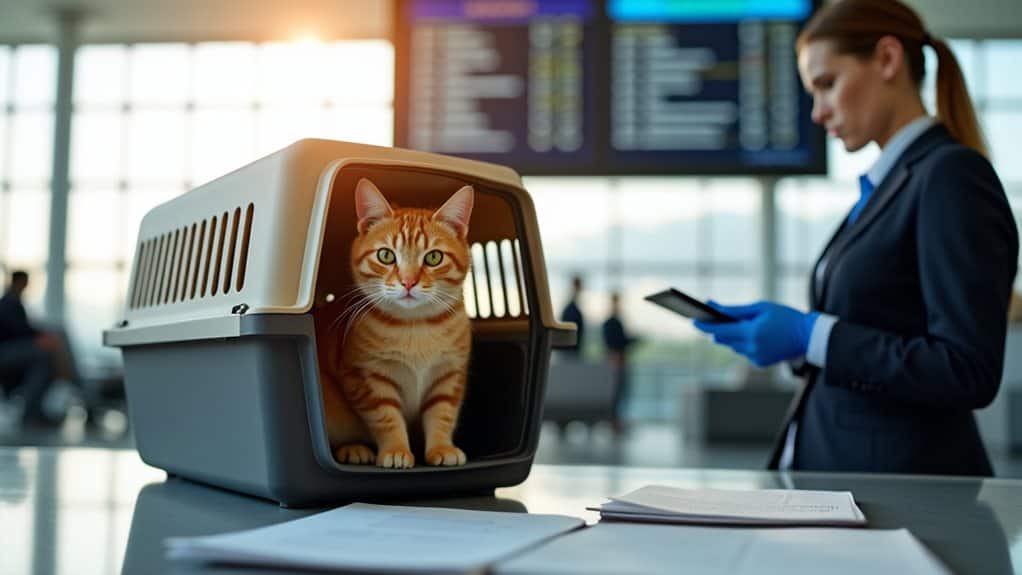
Beyond health certificates, quarantine requirements can greatly impact your cat travel plans.
You’ll need to research country-specific regulations well in advance, as they vary considerably worldwide.
Some nations, like the UK and Japan, have relaxed their once-strict policies, but still maintain specific entry protocols.
Australia and New Zealand enforce some of the strictest quarantine durations, sometimes requiring your furry friend to stay in a facility for up to 10 days.
In contrast, many European countries have no quarantine if your cat meets all documentation requirements.
Airline-Specific Policies for Pet Travel
When traveling internationally with your cat, you’ll need to research airline-specific policies, as they vary dramatically regarding cabin vs. cargo options.
Most airlines have strict size restrictions for in-cabin travel, typically requiring your cat’s carrier to fit under the seat in front of you.
You’ll find that some airlines are more pet-friendly than others, with varying fees, carrier requirements, and temperature restrictions that could affect your travel plans.
Cabin vs. Cargo Options
How your feline friend travels can dramatically impact both their comfort and your peace of mind during international trips.
When booking flights, you’ll typically have two options: cabin or cargo.
Cabin comfort is the gold standard for cat travel. Your furry companion stays with you in a carrier under the seat, allowing you to monitor their well-being throughout the voyage. This option minimizes stress for both of you!
However, not all airlines permit cats in cabins, especially for international flights. In these cases, cargo safety becomes your priority. While the cargo hold is temperature-controlled and pressurized, your cat will experience separation anxiety. Plus, you won’t be able to check on them during layovers or turbulence.
Always research airline policies well in advance—some have weight limits, carrier restrictions, or seasonal embargoes.
Airline Size Restrictions
Although every airline welcomes human passengers of all sizes, they’re much more particular about your feline travelers. When booking international flights, you’ll need to carefully review airline policies regarding pet carriers.
Most airlines require soft-sided carriers that fit under the seat in front of you, typically not exceeding 18″ x 11″ x 11″, though dimensions vary by aircraft type.
Your cat’s comfort matters too! The carrier should be large enough for your furry friend to stand, turn around, and lie down comfortably. Some premium airlines offer slightly roomier allowances for pet carriers, while budget airlines might enforce stricter limitations. Additionally, ensure that the carrier meets the airline-specific guidelines for size and ventilation to avoid any complications during check-in.
Remember to check your specific airline’s website for their exact requirements—these rules aren’t negotiable at the airport. Planning ahead guarantees your cat won’t be denied boarding due to an oversized carrier on your big travel day!
Selecting the Right Travel Carrier for Your Cat
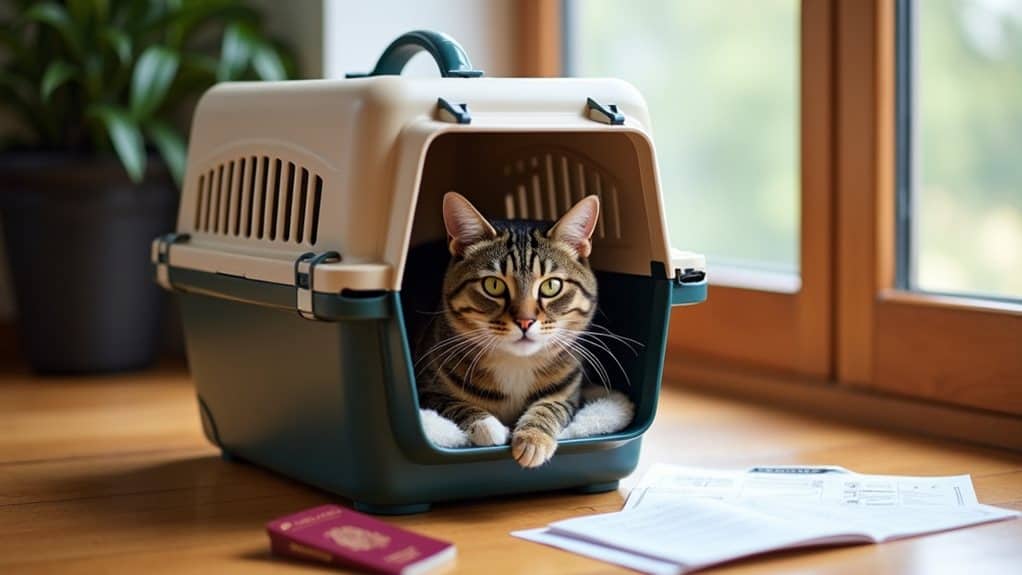
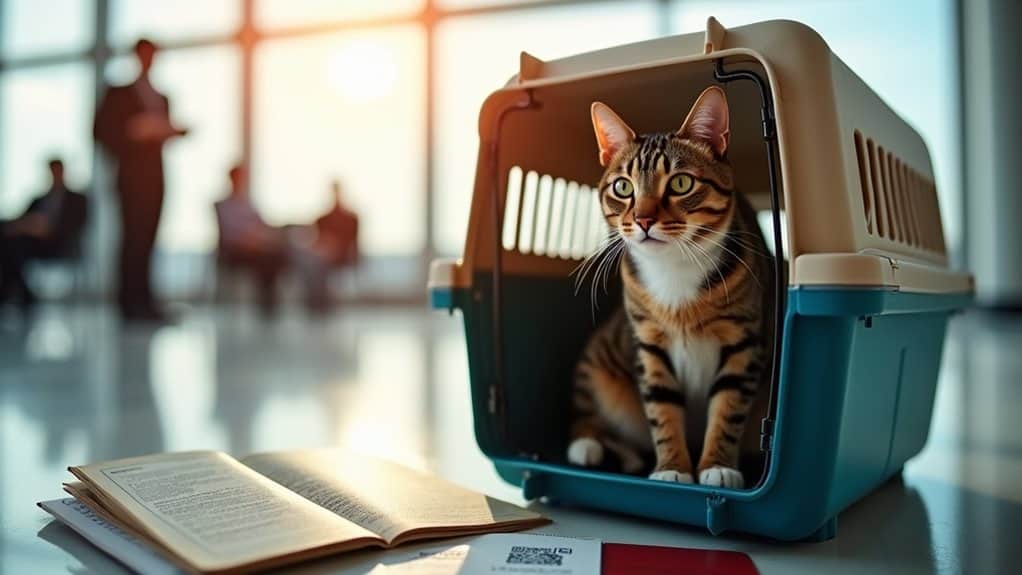
The perfect travel carrier stands as your cat’s sanctuary during international trips, offering both safety and comfort when they need it most.
A cozy carrier isn’t just luggage—it’s your feline’s portable safe haven during global adventures.
When choosing between travel carrier types, consider both airline requirements and your cat’s needs. Soft-sided carriers offer flexibility, while hard-shell options provide superior protection for nervous travelers.
Comfort considerations should top your priority list. Your cat will spend hours inside, so select a carrier with proper ventilation, sufficient space to stand and turn around, and a soft, absorbent liner. Additionally, ensure to incorporate cat-friendly environments that encourage relaxation during the journey.
Don’t forget a familiar blanket—it works wonders for reducing anxiety!
Preparing Your Cat for Long-Distance Travel
Preparing your cat for long-distance travel begins weeks before your departure date, not the night before you’re scrambling to pack. Your feline friend needs time to adjust to the idea of traveling, especially if they’ve shown travel anxiety in the past.
Start by leaving the carrier out in your home where your cat can explore it freely. Place treats, toys, or bedding inside to create positive associations. Pay attention to your cat’s behavior around the carrier—if they seem nervous, don’t force interaction.
Practice short car rides to help your cat become accustomed to movement. These trial runs can greatly reduce travel anxiety when the big day arrives. Additionally, it’s important to monitor for signs of stress during these practice sessions, as early detection can help alleviate anxiety.
You’ll also want to maintain your cat’s routine as much as possible in the days leading up to departure, as consistency helps minimize stress during major changes.
Settling Your Feline Friend Into a New Country
Once you’ve successfully maneuvered the adventure with your cat, settling them into a new country requires patience and careful planning. Your feline friend will need time to adjust to unfamiliar sounds, smells, and surroundings in their new home.
Finding cat friendly accommodations should be your top priority. Look for places with secure windows, safe hiding spots, and room for your cat to explore gradually. Remember, cats are territorial creatures who thrive on routine!
Home is where your cat feels secure—spaces with routines, hideaways, and room to cautiously claim as their territory.
When acclimating to environments abroad, maintain consistency with familiar items from home—their favorite bed, toys, and food bowls can provide comfort.
Create a dedicated safe space where your cat can retreat when feeling overwhelmed. Keep their routine as similar as possible to pre-move days, including feeding times and play sessions. Additionally, it’s essential to be aware of local rehoming practices to ensure you have access to resources in case of emergencies.
Your patience will be rewarded with a happy, adjusted international kitty!
Frequently Asked Questions
How Much Does International Cat Travel Typically Cost?
You’ll typically spend $300-$3,000 on international cat travel costs, depending on distance, airline requirements, and shipping options you choose. Pet relocation services are pricier than arranging transportation yourself.
Can Senior or Ill Cats Safely Travel Internationally?
Senior or ill cats can travel internationally, but it’s risky. You’ll need your vet’s approval, extra health considerations, and specialized traveling tips. Consider alternative arrangements if your cat’s condition is severe.
Are Certain Cat Breeds Restricted From Entering Specific Countries?
Just as you’re finalizing travel plans, you’ll discover that yes, some countries enforce breed restrictions. You’ll need to research specific country regulations, as places like Australia and New Zealand ban certain brachycephalic cat breeds.
How Do I Handle My Cat’s Medication Needs During Travel?
You’ll need proper medication preparation before traveling. Get a vet letter, pack extra doses, maintain your cat’s schedule, and keep medicines in your carry-on. Don’t alter dosages during travel without veterinary advice.
What Happens if My Cat Is Denied Entry at Customs?
Nearly 15% of pets face entry issues at borders. If your cat’s denied, you’ll face quarantine procedures while you address documentation gaps. You can initiate an appeal process, but you’ll likely need veterinary support to resolve the situation.
Final Thoughts
Will you be ready when your cat’s travel day arrives? With proper preparation, you’ll steer through the maze of international regulations with confidence. Remember, each country’s rules differ dramatically, but your diligence will pay off when your furry friend safely reaches your new home. The expedition might seem intimidating now, but imagine your cat’s purrs as they settle into their exciting new territory abroad!