The Best Fluffy Pancakes recipe you will fall in love with. Full of tips and tricks to help you make the best pancakes.

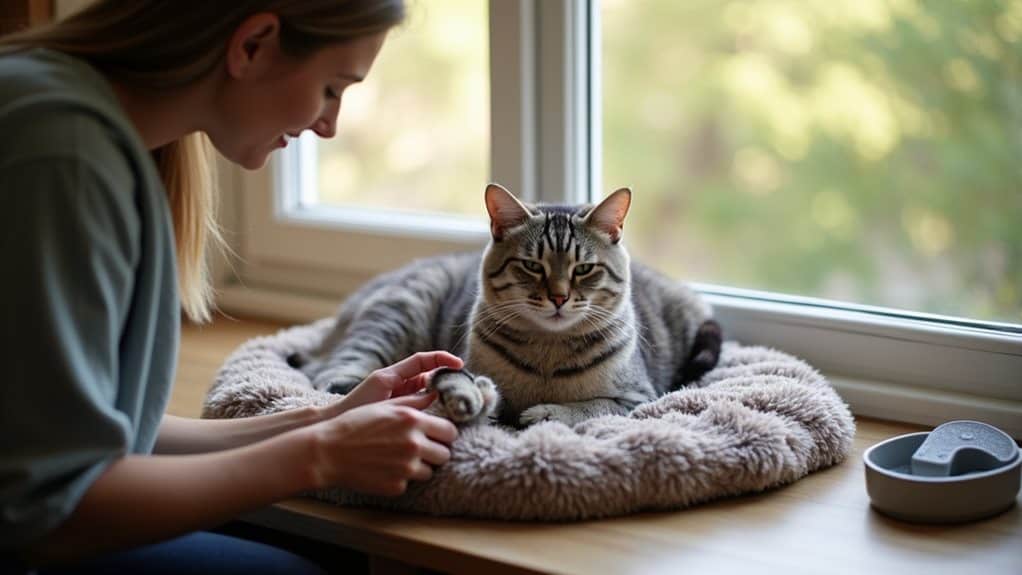
As your cat enters their golden years around age 7-10, you’ll notice they sleep more, jump less, and may seek extra attention. To help them thrive, provide soft bedding in warm spots, create step-ups to favorite perches, and switch to nutrient-dense foods in smaller portions. Schedule bi-annual vet visits to catch health issues early, and maintain mental stimulation with puzzle feeders and window perches. These thoughtful adjustments will help your feline friend age gracefully and comfortably.
Recognizing the Signs of Your Cat’s Aging Process
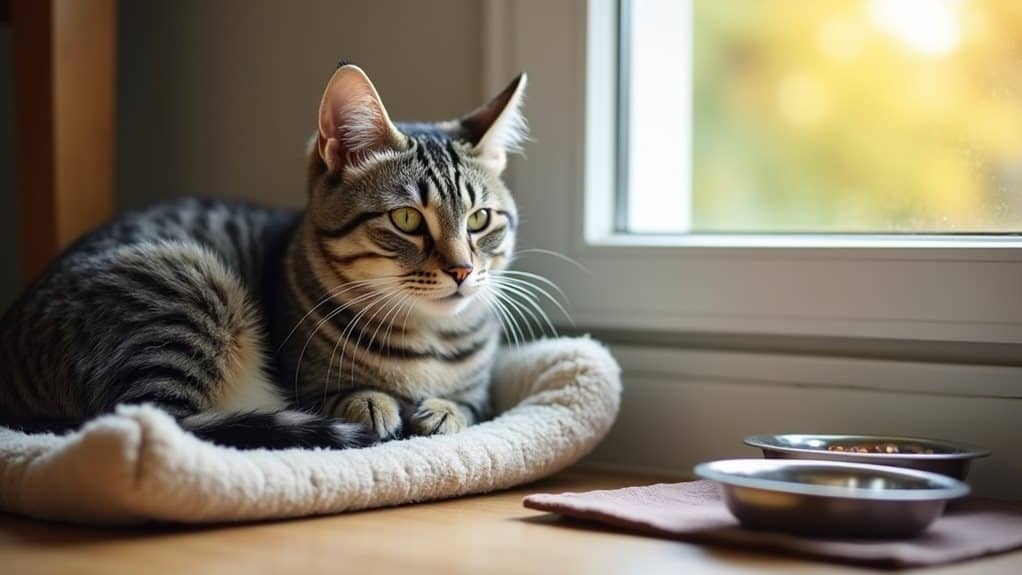
As your feline friend enters their golden years, you’ll notice subtle changes that signal the aging process has begun. Most cats start showing aging behaviors around 7-10 years, though it varies by breed.
You might observe your once-playful companion sleeping more or becoming less interested in climbing and jumping.
Physical changes often appear gradually. Your cat’s coat may lose its luster or develop gray patches, especially around the muzzle.
Their eyes might appear slightly cloudy, and you’ll likely notice weight fluctuations as metabolism shifts.
Don’t be surprised if your senior kitty becomes more vocal or seeks extra attention – they’re adjusting too! Additionally, be aware that hormonal imbalances can contribute to changes in behavior and physical condition as cats age.
Creating a Senior-Friendly Home Environment
Creating senior-friendly spaces doesn’t require a complete home renovation, just thoughtful adjustments that improve your feline friend’s comfort and safety during their golden years.
Here are four ways to make your home more accommodating for your senior cat:
- Place soft bedding in warm, accessible spots away from drafts.
- Install night lights to help with declining vision.
- Set up shallow litter boxes with low sides for easier entry and exit.
- Create “step-ups” or ramps to favorite perches so they don’t have to jump.
These simple modifications provide the comfortable spaces your aging companion needs while addressing senior safety concerns. Additionally, consider incorporating interactive toys to help stimulate their mental engagement and keep them active.
Your cat will appreciate these thoughtful changes as they traverse this new life stage.
Adjusting Nutrition and Feeding Practices for Older Cats
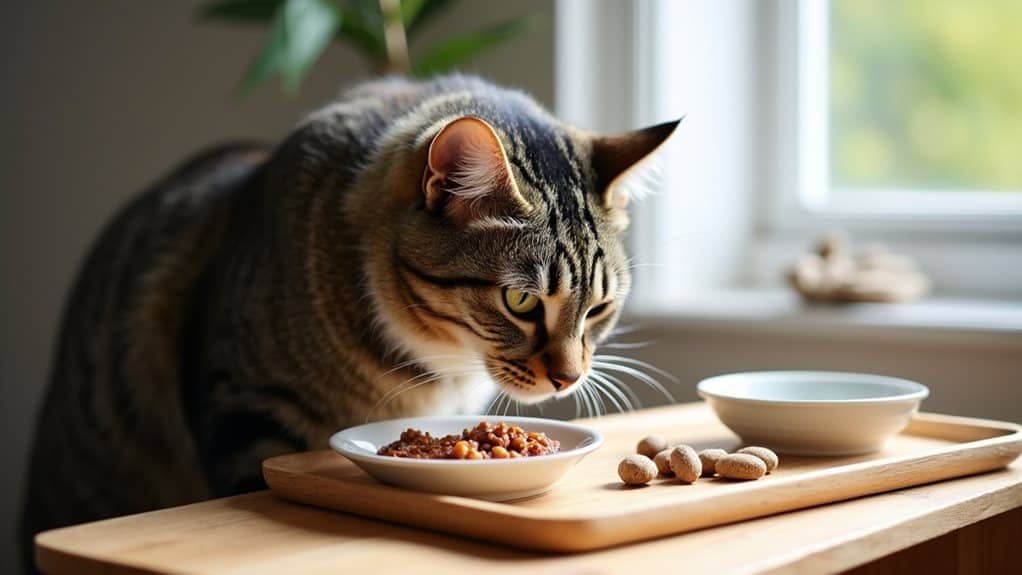
While your senior cat’s environment plays a crucial role in their comfort, proper nutrition becomes equally important during their golden years. As cats age, their special dietary needs change considerably. You’ll notice they may eat less but require more nutrient-dense foods to maintain health. Consider adjusting feeding schedules to smaller, more frequent meals that accommodate their slower digestion. Additionally, ensuring that your older cat’s diet supports urinary health can help prevent common issues related to aging.
| Age-Related Change | Nutritional Need | Feeding Adjustment |
|---|---|---|
| Reduced metabolism | Fewer calories | Portion control |
| Dental issues | Softer textures | Wet food options |
| Joint stiffness | Omega-3 fatty acids | Supplements |
Managing Health Concerns and Veterinary Care
Proper nutrition sets the foundation for your aging cat’s well-being, but regular veterinary care becomes the essential element of managing their health as they grow older.
As your feline friend enters their golden years, they’ll need more attention to catch potential issues early. Your partnership with your vet is vital for keeping your senior cat comfortable and happy.
Here’s how to manage your aging cat’s healthcare effectively:
- Schedule regular check-ups every 6 months instead of annually.
- Watch for subtle signs of pain like decreased grooming or mobility changes.
- Discuss pain management options with your vet before your cat shows severe discomfort.
- Create a home environment that accommodates your cat’s changing physical abilities.
- Consider regular echocardiography assessments to monitor for conditions like HCM, which can affect senior cats’ heart health.
Maintaining Mental Stimulation and Emotional Well-being
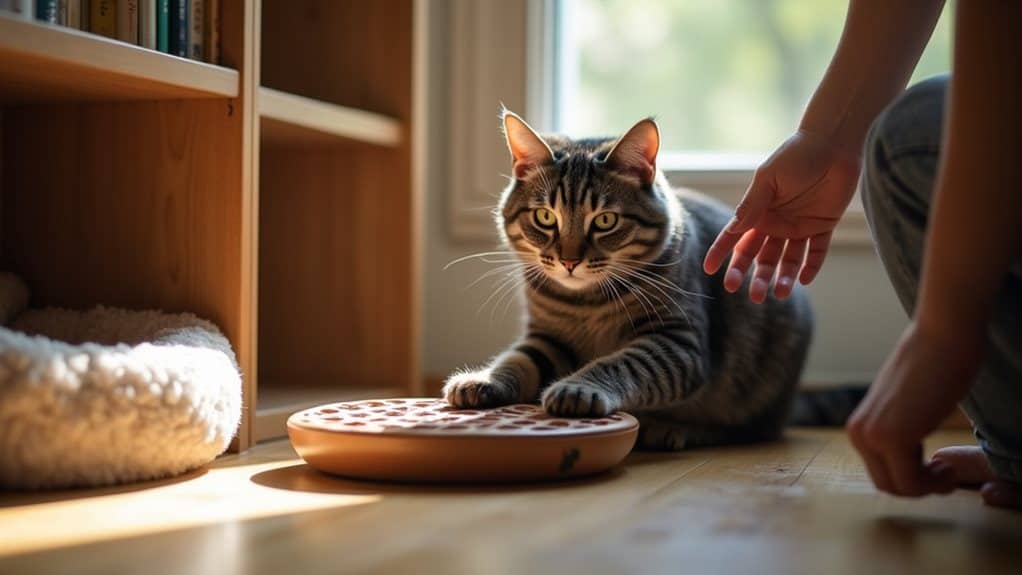
How often do you consider your aging cat’s mental needs alongside their physical ones? Just like us, senior cats need mental stimulation to stay sharp and content.
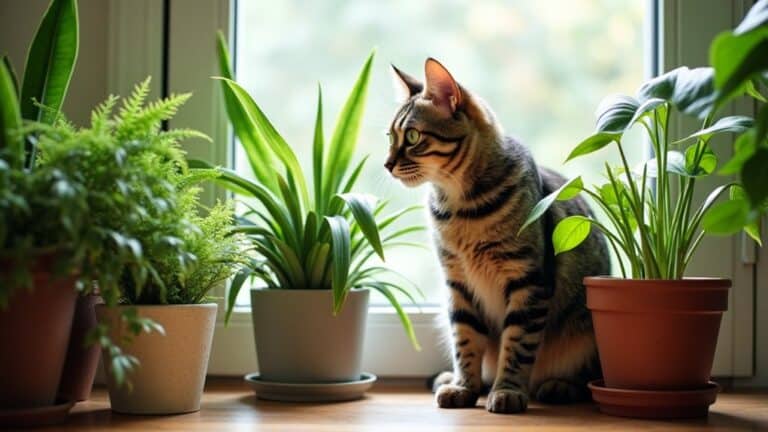
Enrichment activities specifically designed for older felines can make a tremendous difference in their quality of life. Try puzzle feeders that accommodate their slower pace or window perches where they can safely watch birds. These simple additions provide mental engagement without overtaxing their aging bodies.
Don’t underestimate the power of social interaction, either! Your senior cat mightn’t pounce and play like they once did, but they still crave your attention and companionship.
Set aside quiet time each day for gentle grooming or lap cuddles. This consistent connection nurtures their emotional well-being and strengthens your bond during this important life stage. Additionally, ensuring that your cat is free from cat allergens can contribute to their overall health and comfort.
Frequently Asked Questions
Can Cats Develop Dementia-Like Symptoms as They Age?
Yes, your cat can develop feline cognitive dysfunction, similar to dementia. You’ll notice behavioral changes like disorientation, excessive vocalization, and altered sleep patterns. Early veterinary intervention helps manage cat dementia symptoms effectively.
At What Age Should I Start Transitioning to Senior Cat Care?
Start senior cat care around age 11-12. You’ll need to modify senior nutrition with more protein and fewer calories, and adjust exercise routines to gentler play sessions that maintain joint mobility and mental stimulation.
Should I Adopt a Younger Companion for My Aging Cat?
You can’t teach an old cat new tricks easily. While a younger companion might benefit some seniors, consider your cat’s personality and existing social dynamics before adopting. Many aging cats prefer peace over adjusting to new housemates.
How Can I Make Grooming Easier for Arthritic Senior Cats?
You’ll make grooming easier for your arthritic senior cat by using gentle grooming techniques and specialized tools like soft brushes. Keep sessions short, groom while they’re comfortable, and reward them with treats afterward.
Is My Senior Cat’s Increased Vocalization Normal or Concerning?
Increased meowing can be normal aging but might signal discomfort or cognitive changes. You’ll want to identify vocalization triggers and consult your vet if it’s accompanied by other behavioral changes or seems distressing.
Final Thoughts
You’re now an official cat retirement coordinator – congratulations on your unpaid position! While your fuzzy overlord’s joints may creak and their naps lengthen, your role remains unchanged: devoted servant to their evolving needs. Welcome this golden era with proper nutrition, cozy spaces, and regular vet visits. Remember, they’re not getting older, they’re just perfecting their judgemental stares and selective hearing. Love them through every dignified (or undignified) moment.