The Best Fluffy Pancakes recipe you will fall in love with. Full of tips and tricks to help you make the best pancakes.


Cats aged 6-18 months enter a teenage phase with brain development triggering erratic behaviors. You’ll notice increased vocalization, territorial marking, and mood swings as hormones surge. To manage this challenging period, provide structured play sessions to burn excess energy, consider early neutering to reduce spraying, and maintain consistent routines with multiple resources throughout your home. Respond calmly to testing behaviors rather than punishing them. Proper handling of this phase shapes your future relationship with your feline companion.
Understanding the Adolescent Cat Brain Development
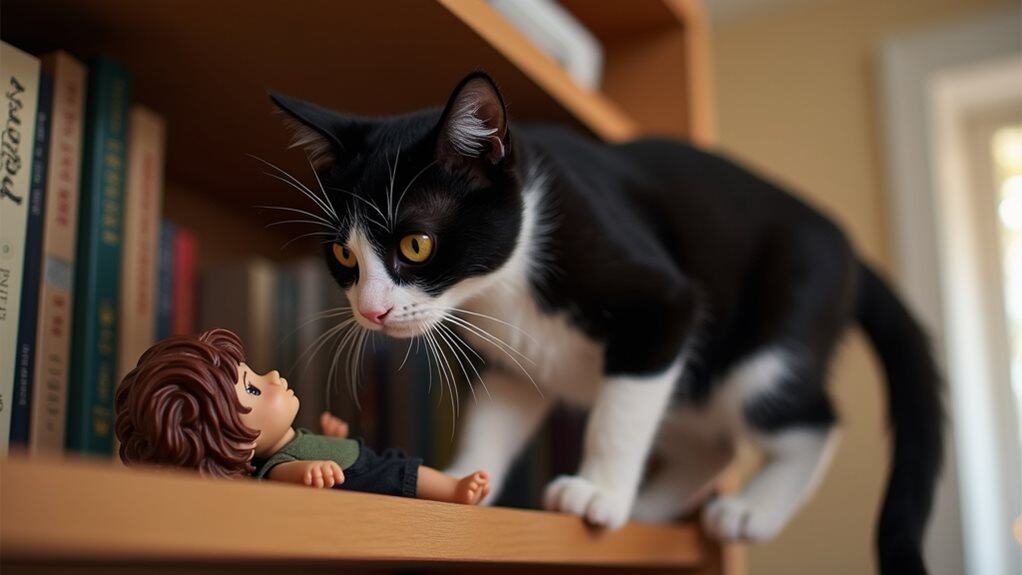
While your fluffy kitten transforms into a teenage cat, remarkable changes happen inside their developing brain. Their cognitive abilities are expanding rapidly, but the neurodevelopmental changes often lead to seemingly erratic behavior patterns.
Don’t be surprised when your once-cuddly companion suddenly dashes away from affection or pounces on your ankles without warning!
Hormonal influences play an important role during this phase, especially between 6-18 months of age. You’ll notice your cat testing boundaries, much like human teenagers.
Their brains are rewiring as they develop adult hunting skills and establish territorial awareness. This neurological growth spurt explains why your cat might seem moody or unpredictable. Additionally, Ragdolls, known for their gentle demeanor, may exhibit unique behaviors during this transition, reflecting their affectionate nature.
Common Behavioral Changes During Feline Puberty
As your kitten shifts into adolescence, you’ll notice several dramatic behavioral changes that might leave you scratching your head.
These natural developments are part of feline communication patterns evolving as your cat matures. While your once-cuddly kitten may suddenly display signs of adolescent anxiety, remember this phase is temporary.
Your kitten’s changing behavior reflects their growing maturity—these awkward teenage moments won’t last forever.
- Increased vocalization – your cat may meow more frequently or at unusual hours as they experiment with their voice
- Territorial marking – both males and females might begin spraying to establish boundaries
- Restlessness and escape attempts – the urge to find mates can turn your homebody into an explorer
- Mood swings – one minute they’re purring in your lap, the next they’re running away like you’re a stranger
To effectively manage these behaviors, engage in positive reinforcement techniques such as rewarding good behavior with treats or playtime.
Don’t worry! With patience and consistency, you’ll both survive this teenage phase.
Managing Increased Energy and Play Aggression
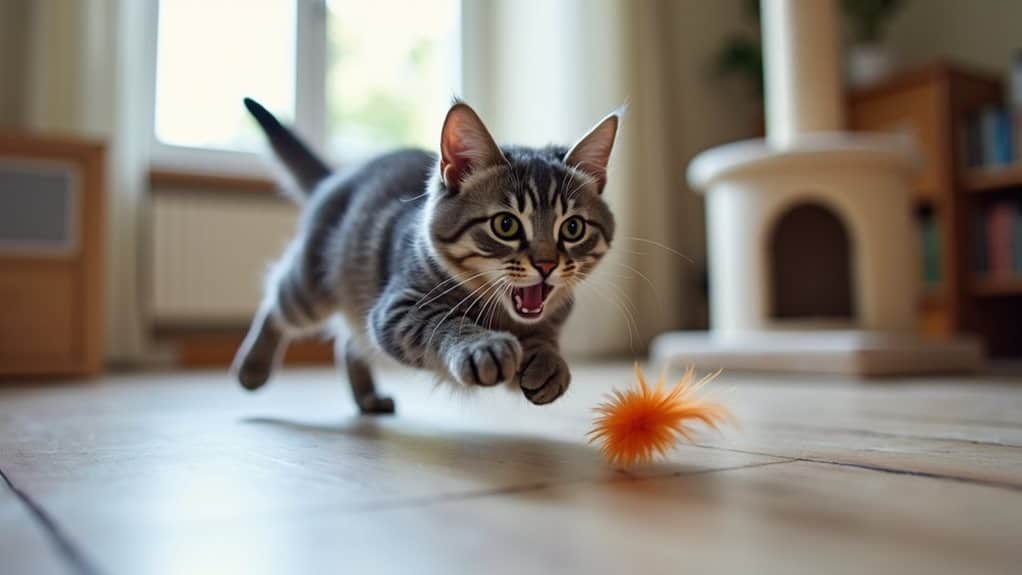
Your adolescent cat’s boundless energy can transform your peaceful home into a jungle gym within seconds. You’ll need to create dedicated play sessions with interactive toys like feather wands or puzzle feeders to channel their natural hunting instincts away from your ankles and furniture. When your kitty gets too rough during playtime, immediately redirect their attention to appropriate toys, teaching them that hands and feet aren’t acceptable targets for their predatory pounces. Regular play enhances well-being and happiness in cats, making it crucial to incorporate it into their daily routine.
Channeling Pent-Up Energy
Once your sweet kitten transforms into an adolescent cat, their energy levels can skyrocket seemingly overnight!
This surge in energy needs appropriate outlets to prevent destructive behaviors. Structured play sessions with interactive toys will help your teenage feline burn off excess energy while strengthening your bond.
- Set aside 15-20 minutes twice daily for focused play with wand toys or laser pointers
- Create an enrichment zone with climbing trees, scratching posts, and puzzle feeders
- Rotate toys weekly to maintain novelty and excitement
- Schedule play sessions before mealtimes to mimic their natural hunt-eat-groom-sleep cycle. Additionally, engaging in regular play helps foster emotional support and trust, enhancing your relationship with your cat.
Redirecting Rough Play
Even the most well-mannered adolescent cats can suddenly transform into little tornados of teeth and claws during playtime! When your kitty starts treating your hands like prey, it’s time to redirect that energy into appropriate outlets.
Establishing consistent playtime routines helps channel their natural hunting instincts in positive ways. You’ll notice a happier, more balanced feline friend when you implement these strategies:
| Behavior | Problem | Solution | Interactive Toys |
|---|---|---|---|
| Biting | Hand injuries | Freeze and withdraw | Wand toys, feathers |
| Scratching | Furniture damage | Redirect immediately | Puzzle feeders |
| Pouncing | Ankle attacks | Schedule play sessions | Treat-dispensing balls |
| Nighttime zoomies | Sleep disruption | Evening play routine | Automated laser toys |
Additionally, recognizing signs of play aggression can help you better manage your cat’s behavior during playtime.
Addressing Territory Marking and Spraying
As your cat enters adolescence, you’ll likely notice unwanted territory marking behaviors, including the dreaded urine spraying on vertical surfaces.
You can prevent most spraying issues by neutering your cat before six months of age, which dramatically reduces the hormone-driven urge to mark territory.
Creating a secure environment with multiple resources (litter boxes, scratching posts, and resting areas) will help your teenage cat feel less compelled to assert ownership through spraying. Additionally, providing individual boxes can significantly reduce territorial stress among cats, minimizing the chances of behavior issues.
Why Cats Spray
While many cat owners assume spraying is a litter box problem, it’s actually a completely different behavior with unique motivations.
When your adolescent cat sprays, they’re communicating important messages about their territorial instincts and emotional state. Understanding the spraying causes can help you address this behavior effectively.
- Marking territory: Your cat is announcing “this is mine” to other cats
- Stress response: Changes in routine or new pets can trigger spraying
- Sexual maturity: Hormones drive unneutered cats to advertise availability
- Security concerns: Feeling threatened by neighborhood cats or changes at home
You’ll notice spraying differs from urination—your cat stands, raises their tail, and releases small amounts of urine on vertical surfaces. Spaying at a young age can significantly reduce the likelihood of this behavior in future.
Don’t punish them; they’re just following natural instincts that require proper management.
Effective Prevention Techniques
Because your adolescent cat’s spraying stems from natural instincts, you’ll need targeted strategies to redirect this behavior constructively.
Start by spaying or neutering your cat early—this dramatically reduces territorial marking in most cases. Create a stress-free environment by establishing consistent routines and providing multiple resources (litter boxes, feeding stations, and resting areas) throughout your home.
Environmental enrichment is vital for preventing spraying. Set up climbing trees, scratching posts, and interactive toys that satisfy your cat’s territorial needs in healthy ways. Additionally, cleanliness is prioritized; regular litter box maintenance can greatly enhance your cat’s comfort and reduce unwanted scratching or spraying behavior.
Regular social interaction, including daily play sessions with wand toys or laser pointers, helps burn excess energy that might otherwise fuel spraying behavior. When your cat feels secure and stimulated, they’re less likely to mark territory.
Social Maturation: Helping Your Cat Establish Boundaries
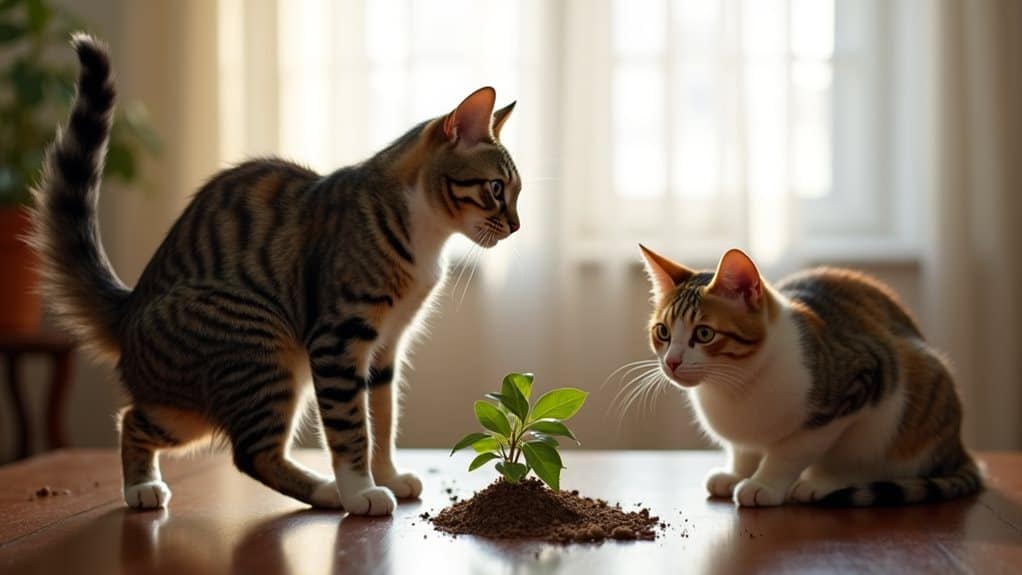
During adolescence, your feline friend starts testing boundaries just like a human teenager might push back against house rules.
Understanding social dynamics is essential as your cat maneuvers through this complex phase. You’ll notice changes in their feline communication patterns—they’re figuring out their place in your home’s hierarchy.
To help your cat develop healthy boundaries:
- Create consistent routines that provide security and clear expectations.
- Allow supervised interactions with other pets to practice appropriate social skills.
- Designate specific “cat-only” spaces where they can retreat when overwhelmed.
- Respond calmly to testing behaviors rather than with punishment or excessive reaction.
- Incorporating positive reinforcement techniques can also aid in reducing aggressive behaviors during this transitional period.
Effective Training Techniques for Teenage Cats
Establishing clear boundaries lays the foundation for the next important aspect of raising your adolescent cat: training.
Your teenage feline is at the perfect age to learn new behaviors through consistent, patient guidance.
Clicker training works wonders with adolescent cats, who respond beautifully to the distinct sound paired with rewards. When your cat performs a desired behavior, click immediately and follow with a treat. This positive reinforcement creates powerful associations in your cat’s developing brain. Additionally, incorporating interactive cat toys into their routine can further enhance their learning and engagement.
Don’t get discouraged if your furry teenager seems suddenly stubborn or distracted. Their hormones and newfound independence might make training sessions challenging, but keep them short and upbeat.
Frequently Asked Questions
When Exactly Does the Teenage Phase Begin and End?
Your cat’s teenage phase typically begins around 6 months and ends by 2-3 years. During this time, you’ll notice considerable behavioral changes and adolescent milestones as they develop their adult personality.
Will Spaying/Neutering Eliminate All Teenage Cat Behaviors?
No, spaying/neutering won’t eliminate all teenage behaviors. While it reduces hormonal issues like spraying and aggression, your cat will still display typical adolescent energy, playfulness, and testing boundaries. Spaying benefits and neutering effects primarily address sexual behaviors.
Can Teenage Cats Develop Behavior Problems That Persist Into Adulthood?
Just like how your high school habits shaped you, yes, your cat can develop persistent issues that follow them into adulthood. You’ll need behavior modification, socialization skills practice, and environmental enrichment to address these challenges.
Do Different Cat Breeds Experience Different Adolescent Behaviors?
Yes, you’ll notice breed characteristics greatly influence adolescent behaviors. Maine Coons often stay playful longer, while Siamese show more vocal defiance. These behavior variations stem from each breed’s unique temperament and development patterns.
How Do Multi-Cat Households Affect Teenage Cat Development?
In multi-cat homes, you’ll see teenage cats learning social dynamics through play and hierarchy establishment. They’ll experience both beneficial socialization and potential territory disputes, which can either accelerate maturity or increase competitive behaviors.
Final Thoughts
You’re not alone in this feline roller coaster! Like storm clouds that eventually clear, your cat’s adolescent phase will pass. With patience, consistent training, and understanding their changing needs, you’ll help your teenage cat develop into a well-adjusted adult. Remember, they’re not being difficult on purpose—they’re just growing up. Before you know it, you’ll both emerge from this challenging period with a stronger bond than before.