The Best Fluffy Pancakes recipe you will fall in love with. Full of tips and tricks to help you make the best pancakes.


As your cat ages, you’ll need to adjust their diet to meet changing nutritional needs. Focus on high-quality protein sources that are easily digestible, while monitoring calories to prevent weight gain. Consider wet food to increase hydration and support kidney health. Softer textures help cats with dental issues, and supplements like omega-3s can benefit joint and cognitive health. Gradually shift to senior-specific formulas and establish consistent feeding routines. The right nutritional adjustments can greatly enhance your aging companion’s quality of life.
Physiological Changes Affecting Nutrition in Aging Cats
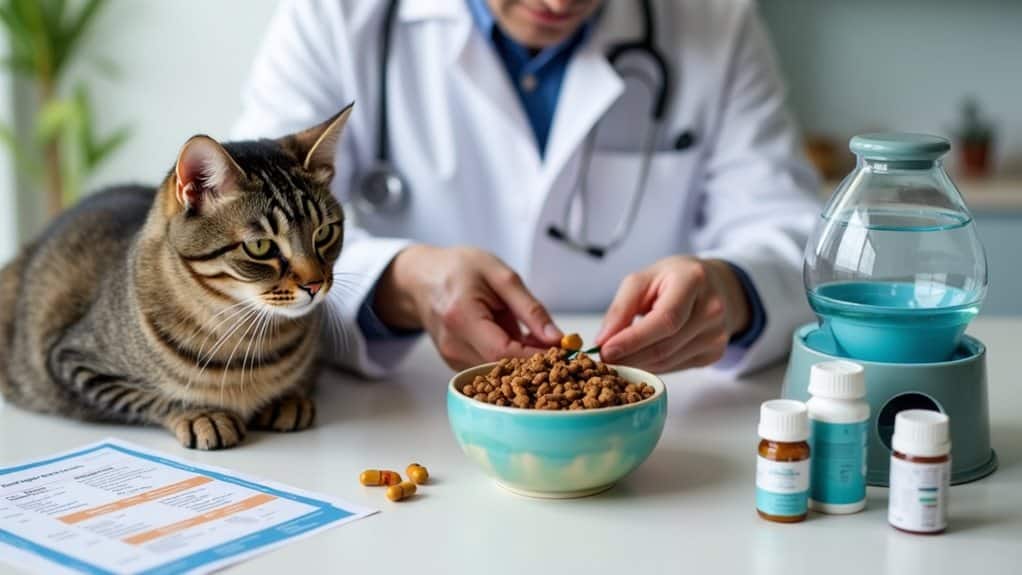
As your cat enters their golden years, their body undergoes several significant changes that directly impact their nutritional needs.
Their metabolism typically slows down, meaning they’ll burn fewer calories while often becoming less active. You’ll need to adjust their diet to prevent weight gain, which can strain their aging joints.
Dental health becomes increasingly vital as seniors may develop tooth sensitivity or loss. You might notice your furry friend struggling with hard kibble that was once no problem.
Many older cats benefit from softer food options that don’t hurt their teeth but still provide important nutrients.
Their digestive efficiency also decreases, making it harder to absorb key nutrients.
That’s why senior-specific formulas contain more easily digestible proteins and often include supplements to support their changing bodies. Additionally, maintaining urinary health through proper nutrition is crucial as aging cats are more susceptible to urinary issues.
Essential Nutrients for Senior Feline Health
While your senior cat’s dietary needs evolve, proper nutrition becomes even more crucial for supporting their aging body.
You’ll want to focus on high-quality protein sources that are easily digestible, like chicken, turkey, or fish. These help maintain muscle mass that naturally diminishes with age.
Consider adding nutritional supplements specifically formulated for seniors, especially those containing omega-3 fatty acids for joint health and cognitive function. Antioxidants like vitamins E and C can combat cellular damage, while taurine supports heart and eye health—areas where older cats often struggle.
Don’t forget about hydration! Many senior cats don’t drink enough water, so wet food can be a lifesaver. Additionally, considering dental care routines can greatly enhance their overall health and quality of life.
You might notice your furry friend perking up when their nutritional needs are properly met—those midnight zoomies might just make a comeback!
Common Health Conditions and Dietary Adaptations
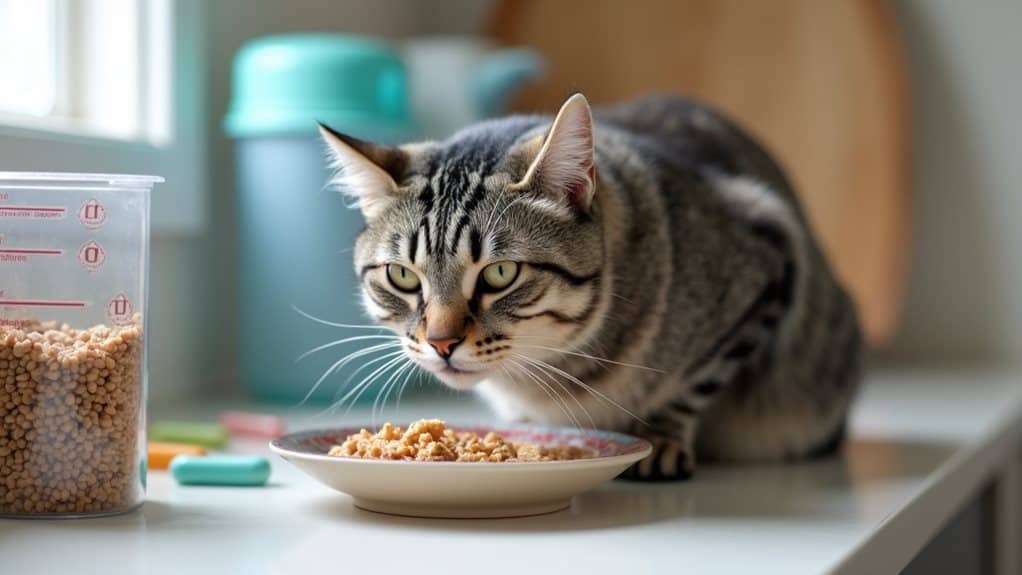
Senior cats often develop health conditions that require specific dietary modifications to maintain their quality of life. When your aging feline friend struggles with senior obesity, you’ll need to carefully monitor their caloric intake and choose foods specifically formulated with lower fat content but adequate protein to preserve muscle mass.
Dental health becomes increasingly important as cats age. If your senior cat has missing teeth or gum issues, they’ll benefit from softer food textures that don’t require extensive chewing.
You might notice they’re more receptive to wet food or moistened kibble when dental pain makes eating difficult. Additionally, ensuring they receive a diet rich in essential fatty acids can support their overall coat health and may help mitigate shedding.
Addressing Decreased Appetite and Weight Management
Many older cats experience considerable appetite changes that can make mealtime a challenging affair for both you and your feline companion.
You’ll notice they might turn their nose up at foods they once devoured, leading to concerning weight loss.
Don’t hesitate to discuss appetite stimulants with your vet if your senior cat’s food intake drops markedly. These medications can help jumpstart their interest in meals when natural methods aren’t working.
Medication may be your best ally when your aging cat’s appetite wanes despite your best efforts.
On the flip side, some elderly cats become less active but maintain their eating habits, resulting in weight gain.
Implementing portion control becomes essential—try feeding smaller, more frequent meals using puzzle feeders to make eating engaging while controlling intake. Additionally, ensure that your senior cat stays hydrated as maintaining adequate hydration is vital for their overall health.
Hydration Strategies for Aging Cats
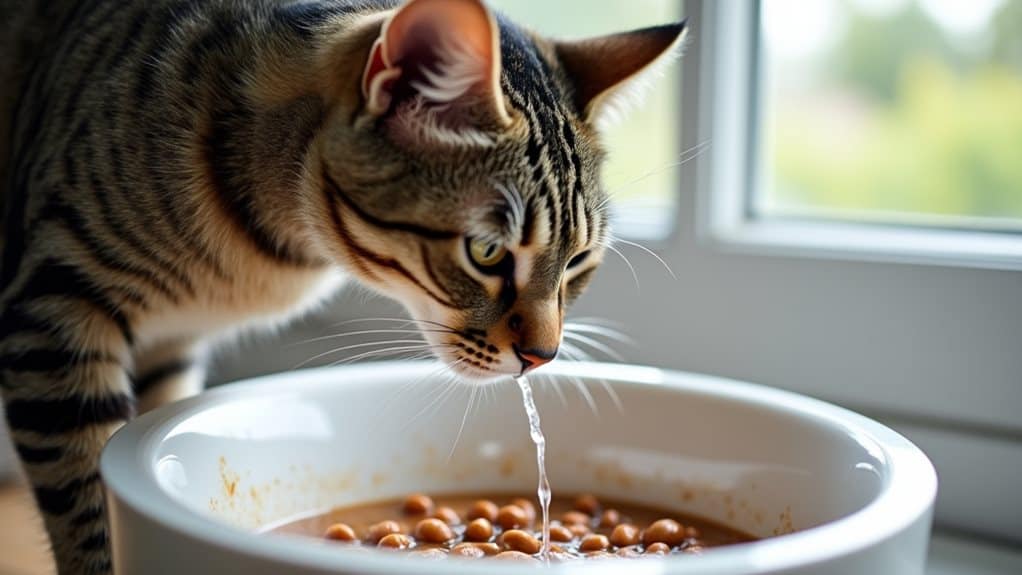
You’ll notice your senior cat drinks more comfortably when you provide multiple water sources throughout your home, including fountains that simulate running water.
Adding wet food to your aging cat’s diet increases their overall hydration, as many seniors struggle to consume enough water through drinking alone.
The moisture content in canned food acts as a hidden water source, helping prevent kidney issues and urinary tract problems that commonly affect older cats. Additionally, monitoring water intake regularly can help you identify any changes in your cat’s hydration habits that may signal health concerns.
Water Sources Matter
When it comes to your aging feline’s health, water sources can dramatically impact their overall well-being. While many cat owners focus on food quality, hydration importance often takes a backseat in senior cat care. Your older kitty needs consistent water intake to support kidney function and prevent urinary issues that commonly affect aging cats.
Consider offering filtered water instead of tap water, as some cats detect and dislike chlorine or mineral tastes. Many seniors prefer running water sources like pet fountains, which stimulate their natural instinct to drink from moving streams. Additionally, you might want to incorporate wet food into their diet, as it can significantly contribute to their daily fluid intake.
You might also notice your cat licking water droplets from the shower or sink—this isn’t just cute behavior, it’s their preference showing!
Place multiple water stations throughout your home, especially in quiet locations where your senior can drink undisturbed.
Wet Food Benefits
Moisture-rich wet food stands as the cornerstone of hydration strategy for your senior cat’s diet. As cats age, their thirst response often diminishes, making dehydration a serious concern.
That’s where wet food advantages become clear – with 70-80% moisture content compared to dry kibble’s mere 10%, wet food delivers vital hydration with every meal.
You’ll notice your older feline friend may struggle with dental issues or decreased smell sensitivity. Wet food addresses both challenges beautifully! Its soft texture proves easier to chew, while its stronger aroma entices even the pickiest senior eaters.
Additionally, the higher moisture content supports kidney function – particularly important as renal issues commonly affect aging cats. Furthermore, maintaining proper hydration can help prevent conditions like chronic vomiting that can compromise your cat’s health.
Don’t worry about the slightly higher cost – the health benefits far outweigh the expense when it comes to keeping your senior companion properly hydrated and thriving.
Transitioning to a Senior-Specific Diet: Practical Tips
Switching your aging feline to a senior-specific diet doesn’t need to be a stressful experience for either of you. Understanding your cat’s dietary preferences and monitoring their reaction to new ingredient choices will help make the shift seamless and successful.
Making dietary changes for your senior cat is all about understanding preferences and patiently monitoring responses to new foods.
When introducing senior-formulated food, consider these approaches:
- Mix new food with the current brand in gradually increasing proportions over 7-10 days.
- Warm wet food slightly to improve aroma and appeal to your cat’s diminishing sense of smell.
- Serve meals at consistent times to establish a comfortable routine.
You’ll notice your cat may become more selective as they age. Additionally, consulting your veterinarian for tailored recommendations can help ensure that your cat’s new diet meets their nutritional needs. Don’t worry if they take time adjusting—patience is key.
Frequently Asked Questions
How Often Should Senior Cats Be Fed Throughout the Day?
You’ll want to feed your senior cat 2-3 small meals daily. This feeding frequency helps with digestion, while proper portion control prevents weight gain. You can adjust based on your cat’s specific health needs.
Can Senior Cats Safely Eat the Occasional Human Food Treat?
Yes, you can offer your senior cat occasional human food treats, but guarantee human food safety by avoiding toxic items like chocolate and onions. Always practice treat moderation—they should represent less than 10% of their daily calories.
Are Prescription Diets Necessary for All Senior Cats?
No, prescription diets aren’t absolutely crucial for every gray-whiskered feline. You’ll find they provide tremendous benefits for cats with specific dietary restrictions, but healthy seniors can thrive on high-quality senior-formulated commercial foods instead.
When Is the Best Time to Switch to Senior Cat Food?
You should shift to senior cat food around 7-11 years old, depending on your cat’s health. Watch for age milestones like slowing activity and changing weight. Gradual dietary changes work best for aging digestion.
How Do Dental Issues Affect Senior Cats’ Nutritional Needs?
Like falling dominoes, dental issues can trigger nutritional deficiencies in your senior cat. You’ll need softer foods when they can’t chew properly, guaranteeing they’re still getting adequate nutrition despite their dental health challenges.
Final Thoughts
Your senior cat’s golden years can shine brightly with proper nutrition. Like a seasoned traveler who knows what they need for the expedition, you’re now equipped to adapt their diet as they age. Remember, small adjustments make noteworthy differences in their comfort and health. Watch them closely, respond to their changing needs, and you’ll help your furry companion steer through this final chapter with dignity, comfort, and the same loving spirit they’ve always shown you.