The Best Fluffy Pancakes recipe you will fall in love with. Full of tips and tricks to help you make the best pancakes.


Proper seasonal cat coat care requires adapting your grooming routine throughout the year. In spring and fall, brush daily to manage heavy shedding periods. During summer, use damp cloths while grooming to help cool your cat. In winter, combat dry skin with moisturizers and increased humidity. Support coat health year-round with omega-rich foods and appropriate supplements. Different breeds have specific needs, so adjust your approach accordingly. The right seasonal care keeps your furry friend comfortable and healthy no matter the weather.
Spring Shedding: How to Manage Your Cat’s Major Coat Transition
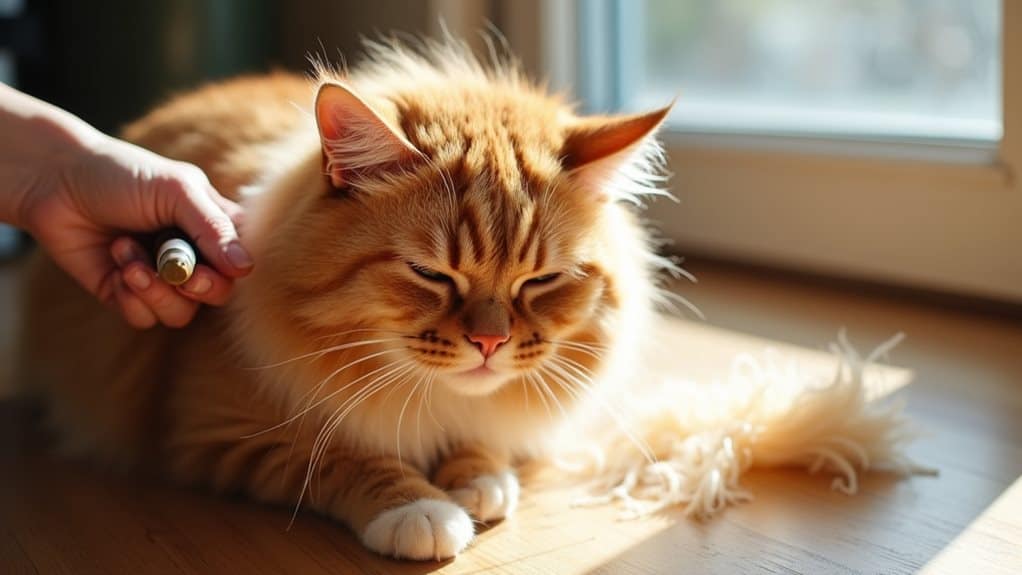
When spring arrives, you’ll likely notice your feline friend leaving more fur around your home than usual. This seasonal shedding is completely normal as cats shed their thick winter coats to prepare for warmer weather.
To manage this fuzzy situation, establish a daily grooming routine. Brushing your cat for just 5-10 minutes each day helps remove loose fur before it ends up on your furniture.
Different grooming techniques work better for different coat types—slicker brushes for long-haired cats and rubber brushes for short-haired varieties.
Watch for signs of spring allergies, too. If your cat seems itchier than normal or has skin irritation, consult your vet. Regular grooming not only helps manage shedding but also allows you to identify skin issues early for timely treatment.
A healthy diet rich in omega fatty acids can also support coat health during this change period.
Summer Grooming: Preventing Heat-Related Skin Issues
During summer’s scorching heat, your cat’s skin needs special attention to prevent uncomfortable and potentially dangerous issues. You’ll want to incorporate cooling grooming techniques, like using a damp cloth during brushing sessions, while also protecting light-colored or thin-coated cats from sunburn with pet-safe sunscreen on exposed areas. Don’t forget that proper hydration is vital for healthy skin, so make certain your furry friend always has access to fresh water and consider adding wet food to their diet during the hottest months. Additionally, be aware that ice cubes can be a fun way to enhance your cat’s hydration, especially during warmer days.
Cooling Grooming Techniques
As temperatures climb during summer months, your cat’s comfort depends heavily on proper grooming techniques to beat the heat.
You’ll want to incorporate cooling methods that provide relief while maintaining healthy skin and coat conditions.
- Apply cooling baths with room-temperature water for heat-tolerant cats
- Use cat-specific soothing sprays containing aloe vera or oatmeal
- Dampen a microfiber cloth and gently stroke your cat’s fur
- Freeze a towel for 15 minutes, then use it as a cooling mat
- Brush daily with a silicon grooming glove to remove excess fur. Additionally, regular grooming not only reduces shedding and hairballs, but also promotes skin health by distributing natural oils throughout your cat’s coat.
Feline Sunburn Prevention
Beyond keeping your cat cool through grooming, protecting them from harmful UV rays becomes a top priority during summer months. Your feline friend’s exposed areas—like ear tips, nose, and belly—are surprisingly vulnerable to sunburn, especially in light-colored cats.
Consider applying pet-safe feline sunscreen to these sensitive spots before your cat ventures outdoors. Unlike human products, which can be toxic if licked, proper sun protection formulated for cats is critical. You’ll find specialized options at pet stores that provide UV protection without harmful ingredients. Additionally, it’s essential to recognize that many adult cats are lactose intolerant, making it necessary to choose safe treats that won’t upset their stomachs.
Limit your cat’s outdoor time during peak sun hours (10 AM to 4 PM) when rays are strongest. Creating shaded retreats in your yard or balcony also helps.
Hot Weather Hydration
When temperatures rise, proper hydration becomes essential for your cat’s skin health and overall well-being. Your feline friend may not always seek water on their own, so you’ll need to implement creative hydration tips to keep them comfortable during summer months.
- Place multiple water sources throughout your home to encourage drinking.
- Consider a cat fountain—many cats prefer moving water over still bowls.
- Add ice cubes to water dishes to keep water cooler longer.
- Mix wet food into your cat’s diet for added moisture intake.
- Monitor your cat’s water consumption during heat waves.
- Offering multiple hydration sources keeps your cat’s interest in drinking and helps prevent dehydration.
Fall Preparation: Supporting Your Cat’s Winter Coat Development
The crisp autumn air signals your cat’s body to prepare for the colder months ahead.
You’ll likely notice increased shedding as your feline friend discards their lighter summer coat to make way for denser winter insulation. This natural process requires your support to guarantee ideal coat thickness and skin health.
Brush your cat daily during this adjustment period to remove loose fur and stimulate natural oil production.
Consider adding an omega-3 supplement to their diet—it works wonders for developing a healthy, insulated coat. Additionally, proper nutrition is crucial for maintaining their overall coat health during seasonal changes.
Keep your home humidity balanced, as central heating can dry out your cat’s skin during the coming winter months.
Don’t be alarmed by the extra fur around your home—it’s just your cat’s clever way of preparing their custom-made winter sweater!
Winter Dryness: Combating Cold Weather Skin Problems
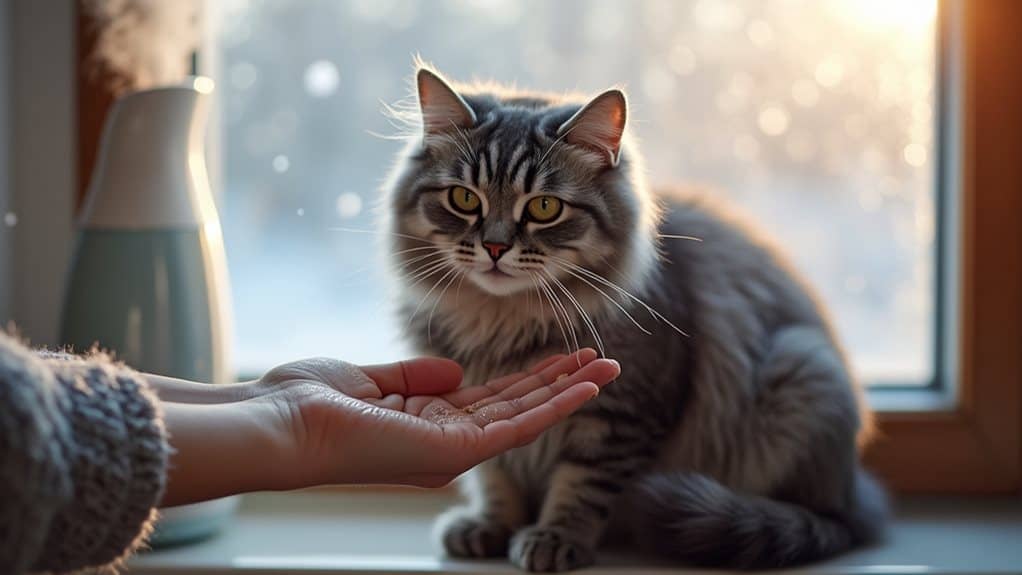
As winter settles in, your cat’s skin can face considerable challenges from the harsh, dry conditions. Indoor heating systems strip moisture from the air, leading to flaky skin and excessive shedding.
You’ll need to adjust your grooming routine to help your feline friend stay comfortable during these cold months.
- Apply pet-safe moisturizing products specifically formulated for cats with dry skin
- Maintain indoor humidity levels between 40-60% using a humidifier
- Brush your cat daily to distribute natural oils and remove dead fur
- Limit bathing to prevent further drying of skin and coat
- Provide plenty of fresh water to keep your cat hydrated from the inside out
- Regular access to clean, fresh water is vital for maintaining skin barrier function and preventing dryness.
These simple adjustments can make a world of difference in your cat’s comfort and coat health throughout the winter season.
Seasonal Nutrition for Optimal Coat Health
Your cat’s diet directly influences the shine, strength, and overall health of their coat throughout changing seasons. As temperatures shift, your feline friend’s nutritional needs change too. Adding seasonal ingredients to their meals can make a remarkable difference in coat quality.
| Season | Beneficial Foods | Recommended Nutritional Supplements |
|---|---|---|
| Spring | Fish, eggs, berries | Omega-3 fatty acids, biotin |
| Summer | Cooling proteins, watermelon | Zinc, vitamin E |
| Winter | Fatty fish, pumpkin | Fish oil, vitamin D |
You’ll notice improved coat texture within weeks of adjusting their diet. During shedding seasons, increase protein intake to support new hair growth. Don’t forget that hydration plays an essential role too—fresh water helps flush toxins that might otherwise affect skin and coat health. Regular brushing of your cat’s teeth can also benefit overall health, promoting better nutrient absorption and a healthier coat.
Breed-Specific Considerations Throughout the Seasons
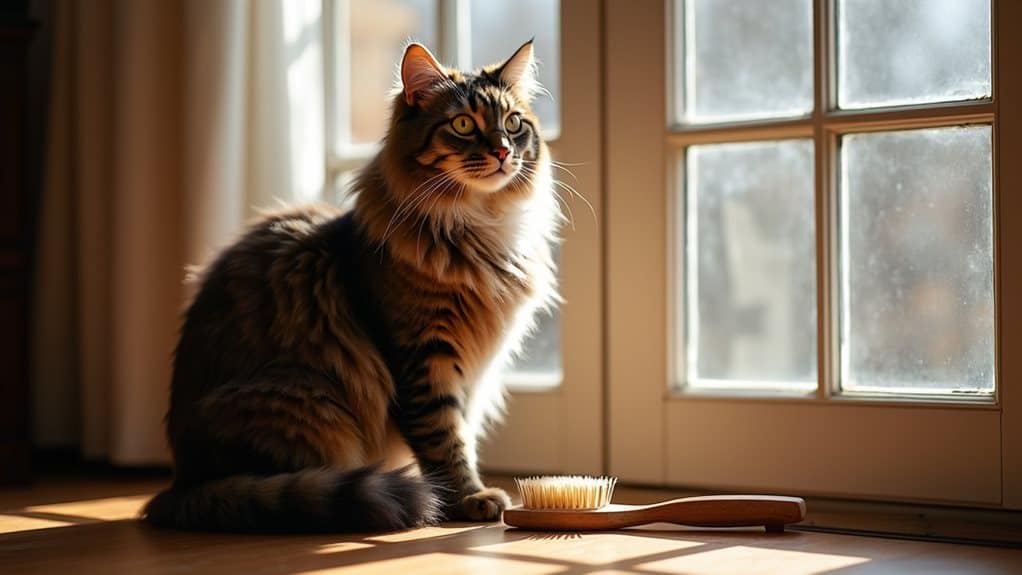
While nutrition forms the foundation of coat health, different cat breeds face unique seasonal challenges that require specific grooming approaches.
You’ll need to adapt your care routine based on your cat’s specific breed characteristics and seasonal needs. Long-haired breeds like Maine Coons and Persians require more intensive winter care to prevent matting when their undercoats thicken.
- Persian cats need daily brushing in spring when they shed their dense winter coats.
- Short-haired Siamese cats require more moisturizing in winter to prevent dry skin.
- Maine Coons benefit from waterproof sprays during rainy seasons to maintain their water-resistant coat.
- Rex breeds with curly coats need special attention during humidity changes.
- Sphynx cats require weekly wiping year-round but extra sun protection in summer. Regular grooming is essential for skin health as it removes dirt and promotes overall well-being.
When to Seek Veterinary Care for Seasonal Coat Changes
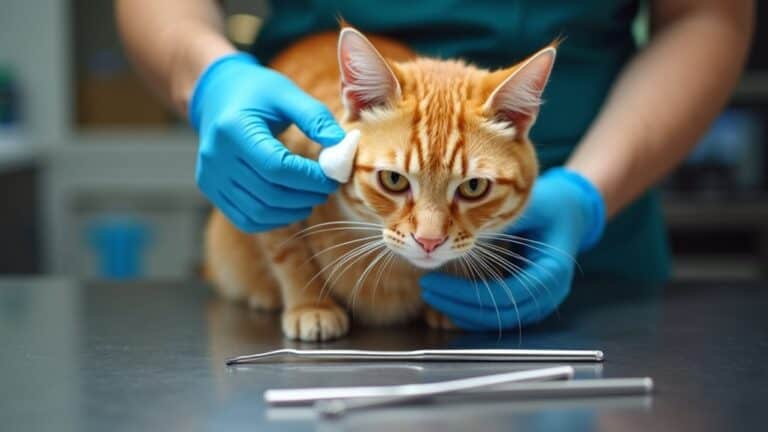
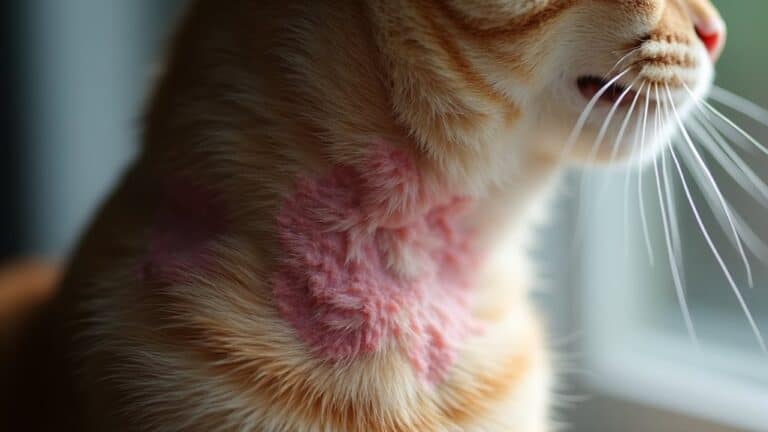
While seasonal shedding is normal, you’ll want to contact your vet if you notice patchy hair loss or bald spots that don’t follow typical shedding patterns. Watch for signs of skin inflammation, including redness, scabs, or your cat excessively scratching or licking certain areas. These symptoms could indicate allergies, parasites, or other health conditions that require prompt veterinary attention rather than simple at-home coat care. Additionally, maintaining a balanced diet supports overall skin health and may help reduce excessive shedding.
Abnormal Hair Loss
Three key warning signs can help you distinguish between normal shedding and problematic hair loss in cats.
While seasonal shedding is natural, abnormal shedding causes include parasites, allergies, or underlying health issues. You’ll notice your cat’s excessive grooming behavior when they’re experiencing discomfort – they’ll lick one spot repeatedly until bald patches appear.
- Bald patches or thinning fur, especially in asymmetrical patterns
- Redness, inflammation, or scabs on the skin beneath fur loss areas
- Notable change in coat texture or appearance
- Visible parasites like fleas or evidence of their presence
- Accompanying symptoms like lethargy, weight loss, or changes in appetite
Don’t wait if you notice these signs!
Contact your vet promptly, as early intervention can prevent more serious complications and keep your feline friend comfortable.
Skin Inflammation Signs
Because your cat’s skin health directly impacts their coat quality, recognizing inflammation signs early can prevent minor issues from becoming serious problems.
Watch for excessive scratching, licking, or biting at specific areas, which often indicate skin irritation that needs attention. Redness, scaling, or crusty patches on your cat’s skin shouldn’t be ignored, as they’re common allergy symptoms that might worsen without proper care.
You’ll also want to check for any unusual odor coming from your cat’s coat or small bumps under the fur.
During seasonal changes, these signs might increase as your cat adapts to new temperatures and environmental triggers.
If you notice bald patches developing or if your normally social cat becomes irritable when touched, it’s time to call the vet. Your quick action can save your furry friend from unnecessary discomfort.
Essential Grooming Tools for Every Season
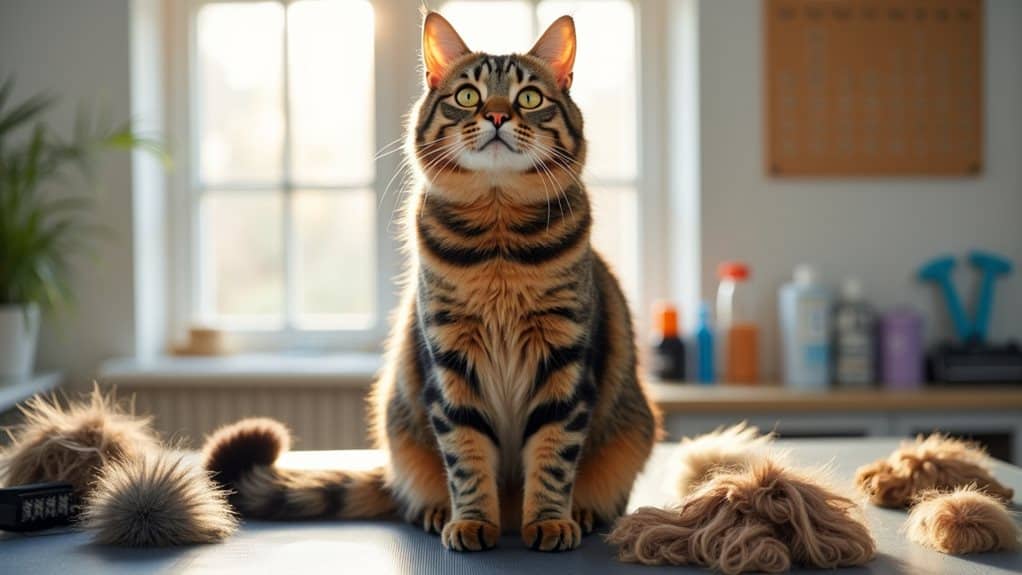
As the seasons change, so do your cat’s grooming needs, requiring you to adapt your toolkit accordingly.
Adjusting your grooming frequency and selecting the right seasonal brushes will help keep your feline friend comfortable year-round.
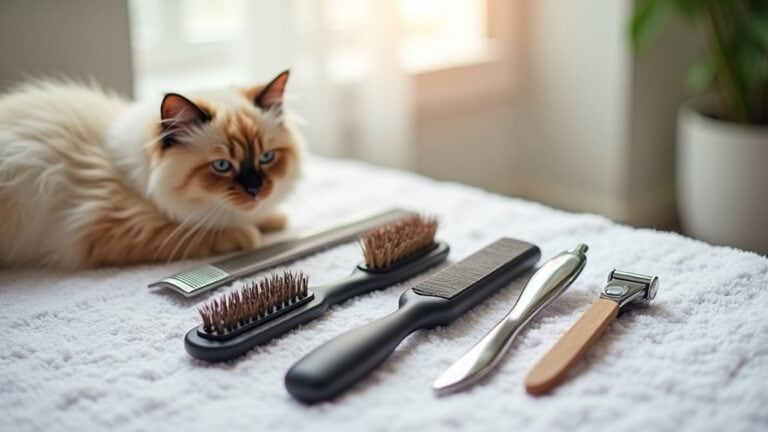
- Spring/Summer Shedding Rake: Perfect for removing loose undercoat during heavy shedding seasons
- Deshedding Tool: Reduces hairballs by removing excess fur before your cat ingests it during self-grooming
- Winter Slicker Brush: Stimulates oil production to prevent dry skin in colder, drier months
- All-Season Rubber Grooming Glove: Gentle option that doubles as a bonding experience for brush-resistant cats
- Fine-Tooth Comb: Crucial for detecting skin issues, parasites, and tangles that change with seasonal conditions
Don’t forget to clean your tools regularly to prevent spreading skin conditions between grooming sessions!
Environmental Adjustments That Benefit Your Cat’s Skin and Coat
While your grooming routine plays a crucial role in maintaining your cat’s coat health, the environment where your feline friend lives has an equally important impact.
Controlling indoor temperature can greatly reduce excessive shedding and prevent dry skin issues that often plague cats during winter months.
Temperature regulation in your home isn’t just for comfort—it’s essential for preventing dry skin and excessive shedding in your feline companion.
Pay attention to environmental humidity levels in your home, as too-dry air can lead to flaky skin and brittle fur.
Consider adding a humidifier during winter heating season to maintain ideal moisture levels. Conversely, in summer, make sure your air conditioning isn’t creating an overly dry environment.
Creating comfortable resting spots away from direct heat sources and drafty areas will help your cat maintain a healthy coat.
Frequently Asked Questions
Can Indoor Cats Skip Seasonal Grooming Routines?
No, your indoor cat still needs regular grooming. Indoor shedding happens year-round due to consistent temperatures. You’ll need to maintain proper grooming frequency to prevent matting, hairballs, and skin issues regardless of indoor living.
Do Elderly Cats Need Different Coat Care Than Younger Ones?
Yes, your elderly cat needs specialized senior grooming. Their coat sensitivity increases with age, so you’ll need gentler tools, more frequent brushing, and special attention to matting they can’t groom themselves anymore.
Are Natural Remedies Effective for Treating Seasonal Shedding Issues?
Some natural remedies can help with seasonal shedding. You’ll find certain herbal treatments reduce excess fur loss, but use crucial oils cautiously—many are toxic to cats. Always consult your vet before trying any natural solution.
How Do Medications Affect a Cat’s Seasonal Coat Changes?
Medications can suppress normal shedding cycles and cause coat thinning. You’ll notice medication side effects like dryness or excessive shedding. Always consult your vet before changing treatments to maintain ideal coat health.
Should Multi-Cat Households Follow Different Grooming Schedules?
Yes, you’ll need different grooming schedules based on each cat’s coat type, shedding patterns, and temperament. Adjust grooming frequency to prevent competition and stress in multi-cat dynamics while meeting each feline’s individual needs.
Final Thoughts
Isn’t it amazing how your cat’s coat tells a story throughout the year? By adjusting your grooming routine, nutrition, and home environment with each season, you’ll help your feline friend maintain a healthy, comfortable coat year-round. Remember, consistent care prevents many common skin issues before they start. Your attention to these seasonal needs shows your cat just how much you care—and they’ll reward you with a healthier, happier companion by your side.