The Best Fluffy Pancakes recipe you will fall in love with. Full of tips and tricks to help you make the best pancakes.

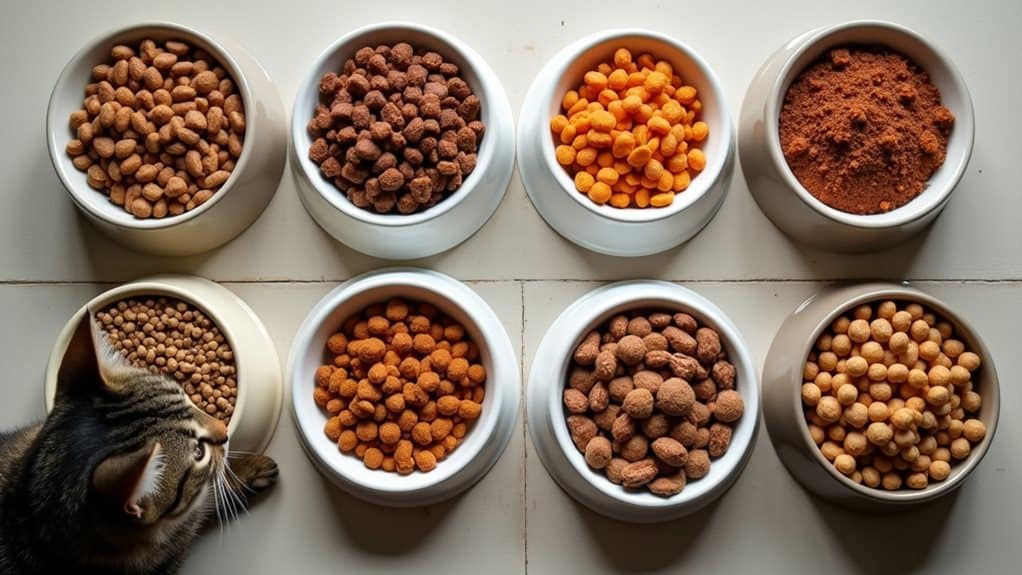
Premium cat foods typically offer higher protein content (30-40%) from quality animal sources compared to budget brands (20-25%) that often use plant proteins. You’ll find better ingredients listed first on premium labels, plus balanced omega fatty acids and natural fiber sources. While higher-end options cost more upfront, they may save you money long-term through fewer vet visits and health issues. Your cat’s shiny coat and energy levels will reveal the true value of your food choice.
Decoding Ingredient Labels: What’s Really in Your Cat’s Bowl
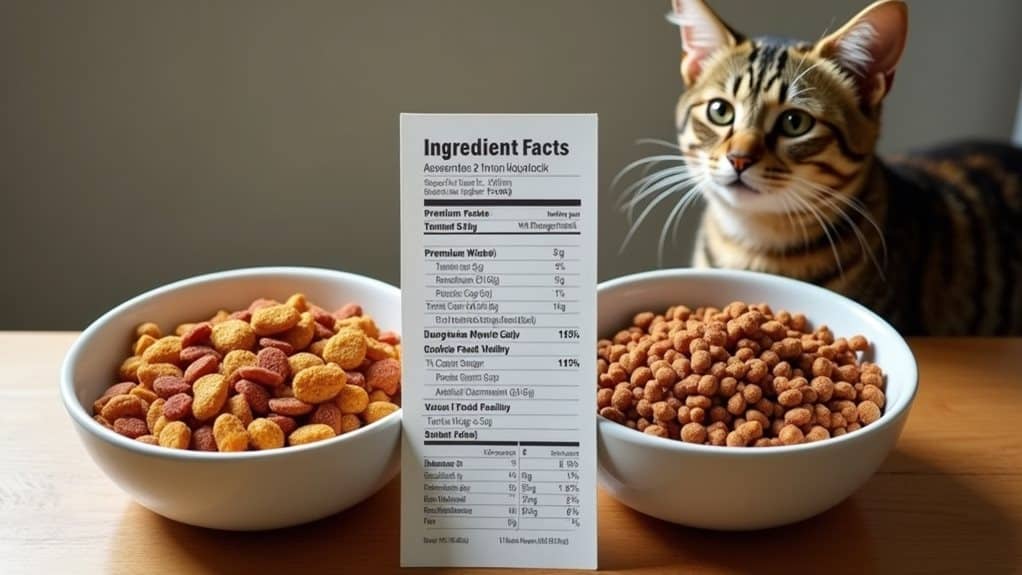
While you’re tossing that can of cat food into your shopping cart, have you ever stopped to wonder what’s actually inside it? Reading cat food labels can feel like deciphering a foreign language, but understanding them is essential for your feline’s health.
Look beyond the colorful packaging and marketing claims that showcase “premium ingredients” or “all-natural formulas.” Many brands use clever wording to disguise lower-quality contents. The ingredient sourcing matters significantly—proteins listed first indicate higher quantities, but terms like “meat by-products” or “meal” often signal lesser nutritional value.
You’ll be surprised how many budget brands contain nearly identical ingredients as premium options, just with different packaging and price points. It’s crucial to prioritize appropriate cat food to ensure your feline’s health and well-being.
Your cat can’t read the fancy label promises, but their body will certainly respond to what’s actually in their bowl!
Nutritional Analysis: Protein, Fats, and Carbohydrate Profiles
Now that you know what’s actually on the ingredient list, let’s examine what that means for your cat’s nutrition.
Premium cat foods typically offer higher protein content (30-40%) from quality animal sources, while budget brands often contain just 20-25% protein, much of it plant-based.
The fat profiles differ dramatically too. Premium options provide balanced omega fatty acids for coat health, whereas cheaper alternatives may use lower-quality fats.
Don’t overlook fiber content—it’s vital for digestive health, with premium brands featuring better sources like pumpkin or psyllium.
Essential vitamins are another consideration. Premium foods tend to include naturally-occurring vitamins from whole ingredients, while budget options rely heavily on synthetic supplements.
Moreover, providing a balanced diet rich in essential fatty acids can help reduce shedding and improve coat condition.
Your cat’s energy levels, coat shine, and overall health directly reflect these nutritional differences. The price gap makes sense when you see what’s actually in the bowl!
Manufacturing Standards and Quality Control Differences

Because your cat’s health depends on what goes in their bowl, manufacturing standards make a massive difference in food quality.
Premium brands typically invest more in robust quality assurance protocols that budget options simply can’t match. When you’re comparing cat foods, look for transparency about their manufacturing processes—it’s often a telling sign of overall quality.
Three key differences you’ll notice between premium and budget brands:
- Premium facilities often undergo voluntary third-party inspections beyond basic requirements.
- Higher-end brands typically test ingredients before, during, and after production.
- Quality assurance teams at premium companies usually include veterinary nutritionists who oversee formulations.
You’ll pay more for premium cat food, but those stricter standards often translate to fewer recalls and potentially better health outcomes for your feline friend.
Health Outcomes: Long-term Effects on Feline Wellbeing
The evidence connecting cat food quality to long-term health outcomes has grown substantially in recent years, though many pet owners still remain unaware of these crucial links.
When you’re shopping for your furry companion, you’re actually making decisions that could affect their health for years to come.
Budget brands often contain fillers and by-products that may contribute to feline allergies, causing uncomfortable skin conditions and digestive issues for your cat.
Additionally, lower-quality foods typically pack more carbohydrates and less protein, increasing obesity risks that can lead to diabetes and joint problems.
You’ll notice the difference in your cat’s coat, energy levels, and even litter box habits when feeding higher-quality options. Feeding high-quality diets may also decrease the risk of developing cat allergies and other related health issues over time.
Value Assessment: Cost Per Meal vs. Nutritional Benefit
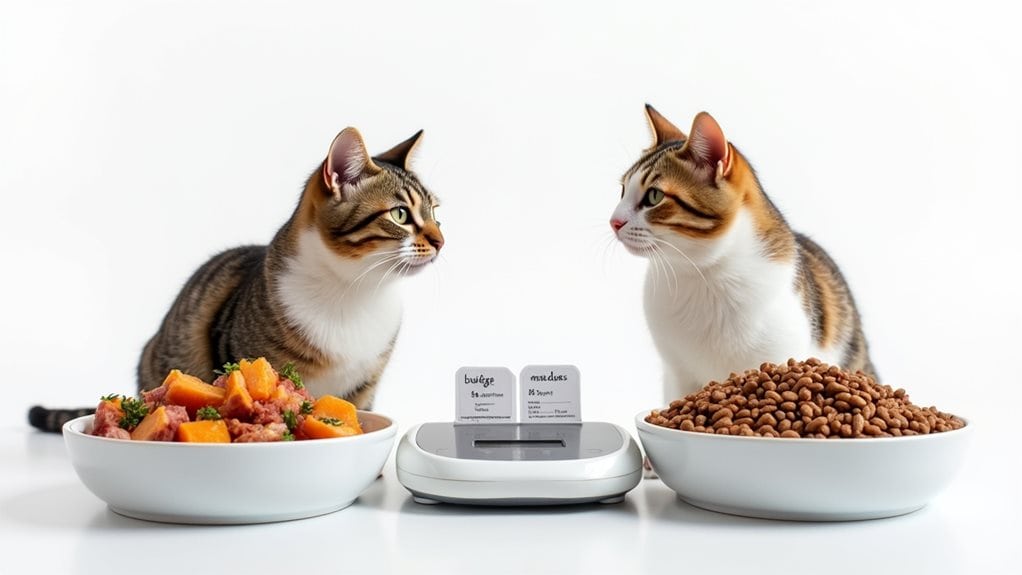
Many cat owners face a common dilemma when standing in the pet food aisle: is that premium-priced food really worth the extra money?
When comparing costs versus benefits, you’ll need to look beyond the price tag to understand true value. Proper meal portioning plays an essential role in determining actual cost per serving, while brand reputation often influences how much you’re willing to spend.
To evaluate if you’re getting your money’s worth, consider:
- Calculate cost per day based on your cat’s actual portion needs, not package recommendations.
- Research the nutritional density – cheaper foods often require larger portions to provide the same nutrients.
- Factor in potential long-term health savings from fewer vet visits with better quality food.
In addition, investing in urinary health through high-quality cat food can lead to improved overall well-being and reduced vet visits related to urinary issues.
You’re not merely buying food; you’re investing in your cat’s health and happiness.
Frequently Asked Questions
How Should I Transition My Cat to a New Food Brand?
You’ll need to use proper shift methods by mixing the new brand with your cat’s current food. Start with 75% old/25% new, gradually changing the ratio over 7-10 days to avoid digestive issues.
Can Mixing Premium and Budget Foods Provide Balanced Nutrition?
Yes, you can mix premium and budget cat foods, but guarantee nutritional balance by checking that both meet AAFCO standards. Food quality varies, so prioritize options with quality protein sources and vital nutrients your cat needs.
Do Cats With Specific Medical Conditions Need Specialized Food Formulas?
Is specialized nutrition truly critical? Yes, your cat with medical needs absolutely requires specialized food formulas. Veterinarians prescribe specific diets addressing dietary restrictions for conditions like diabetes, kidney disease, urinary issues, and allergies.
How Do Palatability Enhancers Affect a Cat’s Food Preferences?
Palatability enhancers greatly influence your cat’s food preferences. Flavor additives like yeast extracts and animal digests create aromas and tastes cats can’t resist, while texture and moisture are key palatability factors driving their eating choices.
Are Prescription Diets Worth the Significantly Higher Price Point?
You’re wondering… prescription diets can be worth it when addressing specific health issues. Your vet-recommended formula offers targeted nutritional value comparison benefits that regular food lacks. However, a cost effectiveness analysis may reveal alternatives for mild conditions.
Final Thoughts
When you’re standing in the pet food aisle, picture your cat’s health as a vibrant tapestry woven from daily choices. Premium foods often deliver better nutrition per dollar, like investing in a sturdier umbrella rather than buying cheap ones repeatedly. Your furry friend can’t read labels, but their body responds to what’s inside. Balance your budget concerns with their wellbeing—sometimes, spending a bit more now saves both money and heartache later.