The Best Fluffy Pancakes recipe you will fall in love with. Full of tips and tricks to help you make the best pancakes.


Quick Answer: Most cats have between 4 and 6 kittens per litter, with 4 being the number vets see most often. Litter size varies based on breed, age, health, and how many times a cat has given birth before. A single cat can have two to three litters per year if she isn’t spayed.
Key Takeaways
- The average litter size for domestic cats is 4–6 kittens, with 4 being the most common.
- First-time mothers typically have smaller litters, often just 2–3 kittens.
- Yes, cats can have a litter of just one kitten — it’s uncommon but perfectly normal.
- Larger breeds like Maine Coons tend to have bigger litters; smaller breeds like Siamese tend to have fewer kittens.
- A cat can become pregnant again within weeks of giving birth, but vets recommend waiting at least 6 months between litters.
- Age matters: cats in their prime (2–5 years) have the largest litters; very young and older cats have fewer.
- Big litters (7+ kittens) carry real health risks for both the mother and the kittens.
- Spaying is the most reliable way to protect your cat’s long-term health and prevent unplanned pregnancies.
How Many Kittens Is Normal for a Cat to Have?
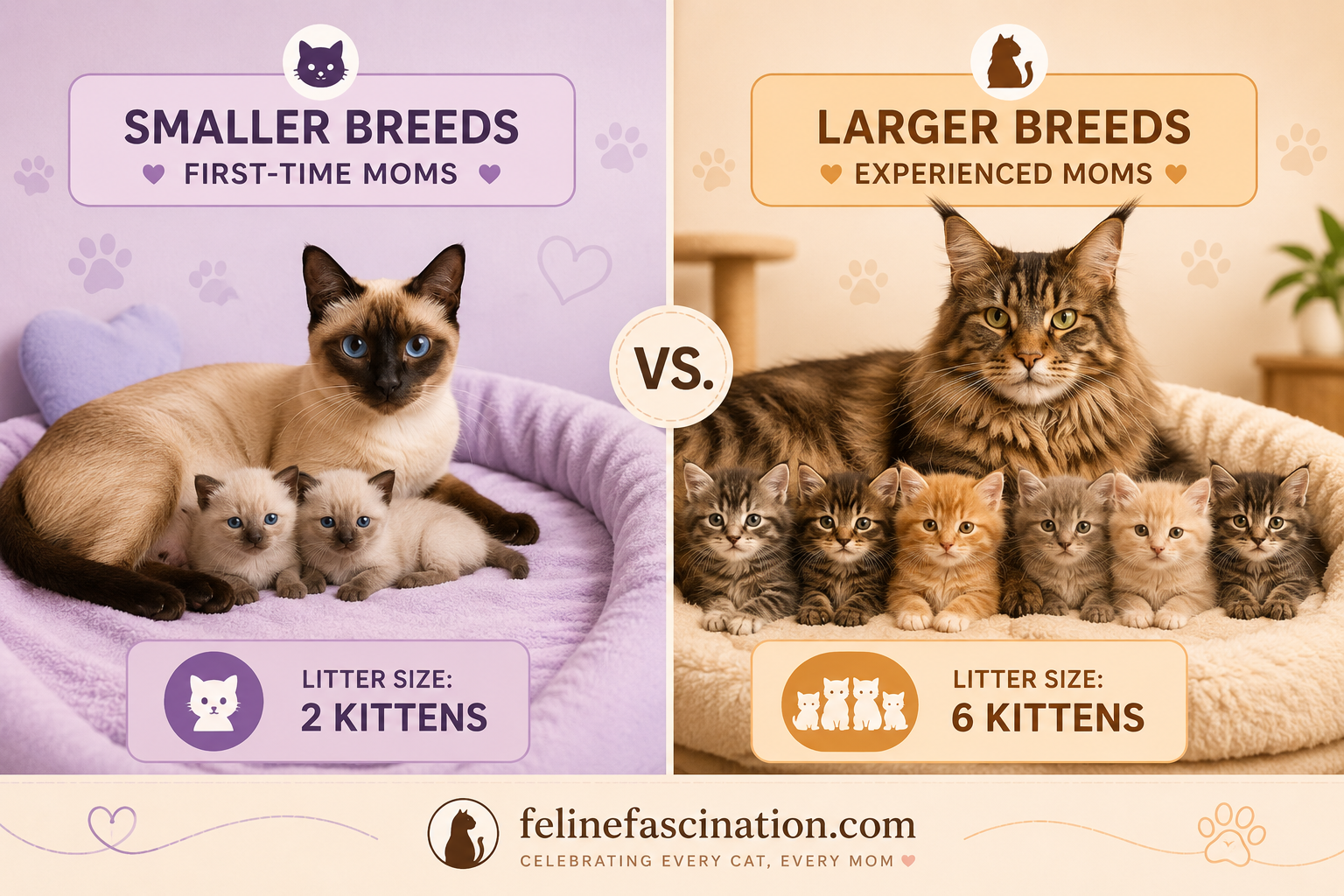
Most domestic cats give birth to 4–6 kittens per litter. Four is the number vets and shelter workers see most frequently, though litters of 5 or 6 are common too. Anything from 1 to 8 kittens falls within the normal range.
The record for the largest litter ever recorded stands at 19 kittens (though only 15 survived), documented in the UK in 1970. That’s a genuine outlier — most cat owners will never see a litter larger than 8.
The practical takeaway: If your cat is pregnant, planning for 4–6 kittens is a sensible expectation. Have supplies ready for up to 8, just in case.
What Factors Affect How Many Kittens a Cat Will Have?
Several things influence litter size, and understanding them helps set realistic expectations for any pregnant cat in your care.
Age is the biggest factor. Cats in their prime reproductive years (roughly 2–5 years old) consistently have the largest litters. Young cats having their first litter and cats over 6 years old both tend to have fewer kittens.
Health and nutrition play a direct role. A well-nourished cat with a healthy body weight is more likely to carry a larger litter to term. Poor nutrition before and during pregnancy can reduce litter size and increase the risk of stillbirths.
Breed and body size matter too, as does the number of previous pregnancies. Cats who have had several litters often have slightly larger ones during their peak years, then smaller litters as they age.
Genetics also have an influence — some lines simply tend toward larger or smaller litters, and there’s not much you can do to change that.
Do First-Time Cat Moms Have Fewer Kittens?
Yes, first-time mothers typically have smaller litters. A queen’s first pregnancy often results in just 2–3 kittens, compared to the 4–6 average seen in subsequent litters.
This is normal cat biology, not a cause for concern. The reproductive system is still maturing, and the body hasn’t yet reached peak fertility. By the second or third litter, most cats settle into their typical litter size.
If your cat is a first-time mom, check out our guide to caring for pregnant and nursing cats — it covers exactly what to expect before, during, and after birth.
Can Cats Have Just One Kitten in a Litter?
A single-kitten litter is uncommon but completely possible. It’s more likely in very young cats, older cats, or breeds that naturally trend toward smaller litters.
A solo kitten does come with one specific consideration: without littermates to provide natural resistance during nursing, the kitten can grow faster than normal and sometimes develop what’s called “singleton syndrome” — a tendency toward poor social skills and low frustration tolerance. Early socialisation with other kittens or gentle handling by humans helps a lot.
What Breed of Cat Has the Largest Litters?
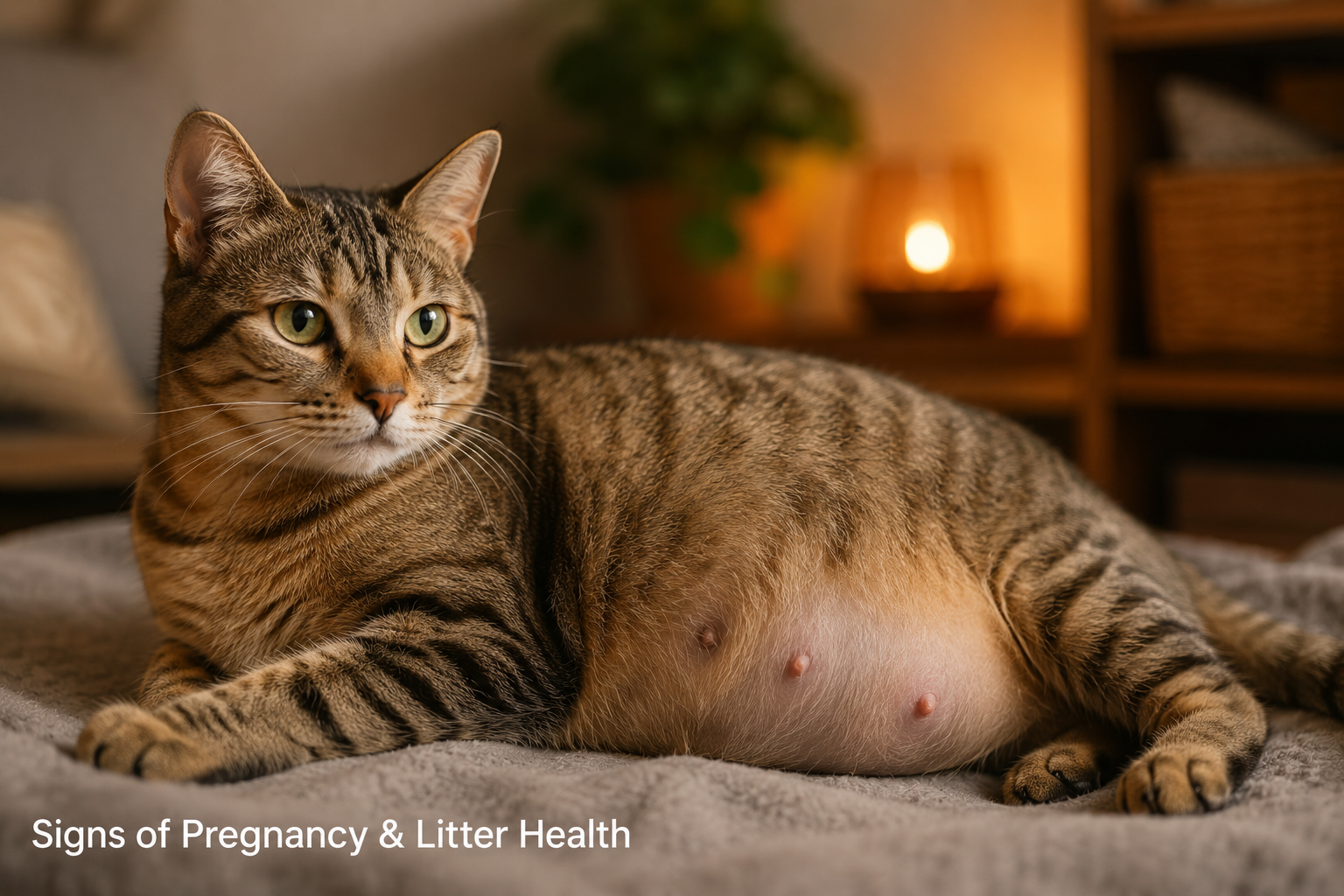
Larger cat breeds consistently produce bigger litters. Maine Coons, Ragdolls, and Burmese cats are among the breeds most associated with litters of 6 or more kittens.
Siamese cats, by contrast, tend to have smaller litters — typically 3–4 kittens. Persian cats also lean toward the smaller end of the range.
Here’s a quick breed comparison:
| Breed | Typical Litter Size |
|---|---|
| Maine Coon | 4–6 (often up to 8) |
| Ragdoll | 4–6 |
| Burmese | 4–6 |
| Domestic Shorthair | 4–6 |
| Siamese | 3–4 |
| Persian | 3–4 |
Domestic shorthairs and mixed-breed cats tend to fall right in the middle of the range — another reason rescue cats are so prolific when unspayed.
Are Smaller Cats Likely to Have Smaller Litters?
Generally, yes. Body size correlates with litter size across most mammals, and cats are no exception. A petite 3 kg cat simply has less physical capacity to carry and nourish a large litter than a 6 kg cat.
That said, it’s not a hard rule. A small but healthy, well-nourished cat in her prime can still have a litter of 5 or 6. Body condition matters as much as size.
If you’re wondering why your cat is unusually small, it’s worth a vet check before any planned breeding — underlying health issues can affect both litter size and pregnancy outcomes.
Average Number of Kittens for Indoor vs Outdoor Cats
Indoor cats and outdoor cats don’t differ dramatically in litter size when health and nutrition are equal. The bigger difference is in frequency of pregnancy. Outdoor and free-roaming cats are exposed to more mating opportunities and tend to become pregnant more often, which means more litters per year overall.
Outdoor cats also face more stress, parasites, and nutritional inconsistency — all of which can reduce litter size or increase kitten mortality. Our indoor vs outdoor cats analysis covers the full picture if you’re weighing up your cat’s lifestyle.
A well-fed indoor cat in good health will typically match or exceed the litter size of an outdoor cat in poorer condition.
How Often Can a Cat Get Pregnant?
A cat can technically become pregnant again within 4–6 weeks of giving birth, even while she’s still nursing. Cats are seasonally polyestrous, meaning they cycle repeatedly through heat periods from late winter through early autumn.
In theory, an unspayed cat could have 2–3 litters per year. Over a lifetime, that adds up fast — one unspayed female and her offspring can produce hundreds of cats within just a few years.
This is exactly why spaying and neutering is so strongly recommended by vets. It’s not just about cat population control — it also protects your cat from the physical toll of repeated pregnancies.
How Long Should a Cat Wait Between Pregnancies?
Vets recommend at least 6 months between litters, ideally longer. The body needs time to recover from pregnancy, birth, and nursing before it can safely support another litter.
Back-to-back pregnancies deplete the mother’s nutritional reserves, increase the risk of complications, and can reduce kitten survival rates. A cat who is constantly pregnant or nursing is also at higher risk of developing uterine infections and other reproductive health problems.
The honest answer for most cat owners: unless you’re a responsible, experienced breeder, the kindest thing you can do is spay your cat after her first (and only planned) litter.
Signs That a Cat Is Pregnant With Multiple Kittens
There’s no reliable way to count kittens at home — that requires a vet ultrasound or X-ray. But there are signs that suggest a larger litter is on the way.
- Rapid abdominal growth in the second half of pregnancy (after week 4–5)
- Increased appetite — a cat carrying 5+ kittens needs significantly more food
- Visible movement in the belly in the final week before birth
- Multiple distinct bumps when gently palpating the abdomen (leave this to your vet)
An X-ray at around day 45 of pregnancy is the most accurate way to count kittens, because the skeletal structures become visible. This helps you know when labour is complete — an important safety check for the mother.
For more on what to watch for during pregnancy, our guide on caring for pregnant and nursing cats walks through each stage in detail.
What Health Risks Come With Big Cat Litters?
Large litters (7 or more kittens) create real risks for both the mother and her kittens.
For the mother:
- Prolonged, exhausting labour
- Higher risk of uterine inertia (the uterus stops contracting before all kittens are delivered)
- Nutritional depletion during nursing
- Increased risk of mastitis (infected mammary glands)
For the kittens:
- Competition for milk can mean some kittens don’t get enough colostrum (the vital first milk)
- Lower birth weights are more common in large litters
- Higher rates of fading kitten syndrome in the first week
If your cat has a large litter, supplemental feeding with kitten milk replacer may be necessary for the smallest kittens. Make sure every kitten gets access to a nipple, especially in those critical first 24 hours.
Good nutrition for the kittens starts from day one — our kitten nutrition guide covers what they need as they grow.
When Do Cats Stop Being Able to Have Kittens?
Cats don’t go through menopause the way humans do. Technically, a cat can become pregnant throughout her life, but fertility declines significantly after age 7–8.
Older cats who do become pregnant face higher risks: smaller litters, more stillbirths, longer labours, and greater risk of complications. Pregnancy in a cat over 8 years old is considered higher risk and warrants close veterinary monitoring throughout.
For the health of an older cat, spaying is strongly recommended if it hasn’t been done already. Our senior cat care guide has more on managing reproductive health as cats age.
Kitten Litter Size Calculator
🐱 Kitten Litter Size Estimator
FAQ
How many kittens do cats have on average?
The average litter size for a domestic cat is 4–6 kittens. Most vets and shelter workers report 4 as the single most common number, but litters of 5 or 6 are just as normal.
Can a cat have just one or two kittens?
Yes. Small litters of 1–2 kittens are most common in first-time mothers, very young cats, and older cats. It’s not a sign that anything went wrong.
What is the largest litter of kittens ever recorded?
The largest verified litter on record is 19 kittens, born in the UK in 1970. It’s an extreme outlier — most cats will never have more than 8 kittens in a single litter.
How many litters can a cat have in a year?
An unspayed cat can have 2–3 litters per year. She can go into heat again within 4–6 weeks of giving birth, even while nursing.
Do indoor cats have smaller litters than outdoor cats?
Not necessarily. Litter size depends more on health, age, and breed than on whether a cat lives indoors or outdoors. Well-nourished indoor cats often have litters just as large as outdoor cats.
At what age do cats stop having kittens?
Cats don’t experience menopause, so they can technically become pregnant at any age. However, fertility declines noticeably after 7–8 years, and pregnancy in older cats carries higher health risks for both mother and kittens.
Conclusion
So, how many kittens do cats have? For most domestic cats, the answer is 4–6 per litter, with 4 being the sweet spot. But breed, age, health, and nutrition all push that number up or down — sometimes significantly.
If your cat is pregnant, the most useful things you can do are: book a vet check to confirm the pregnancy and estimate litter size, ensure she’s eating a high-quality diet, and prepare a quiet, warm nesting area for the birth. For kittens who arrive, tracking their development milestones in those first weeks helps you catch any problems early.
And if your cat isn’t pregnant yet but you’re weighing your options, read up on spaying and neutering — it’s one of the best things you can do for her long-term cat health and wellbeing.