The Best Fluffy Pancakes recipe you will fall in love with. Full of tips and tricks to help you make the best pancakes.


Senior cats need specialized care as they age beyond 10 years. You’ll want to adjust their diet to include high-quality proteins and increase hydration options. Create a comfortable environment with easy access to favorite spots using ramps or steps. Watch for health changes like reduced grooming or altered eating habits. Schedule veterinary check-ups every six months and maintain dental care. Keep their minds sharp with gentle play and puzzle feeders. These small adjustments will dramatically improve your aging companion’s quality of life.
Common Health Conditions in Aging Cats
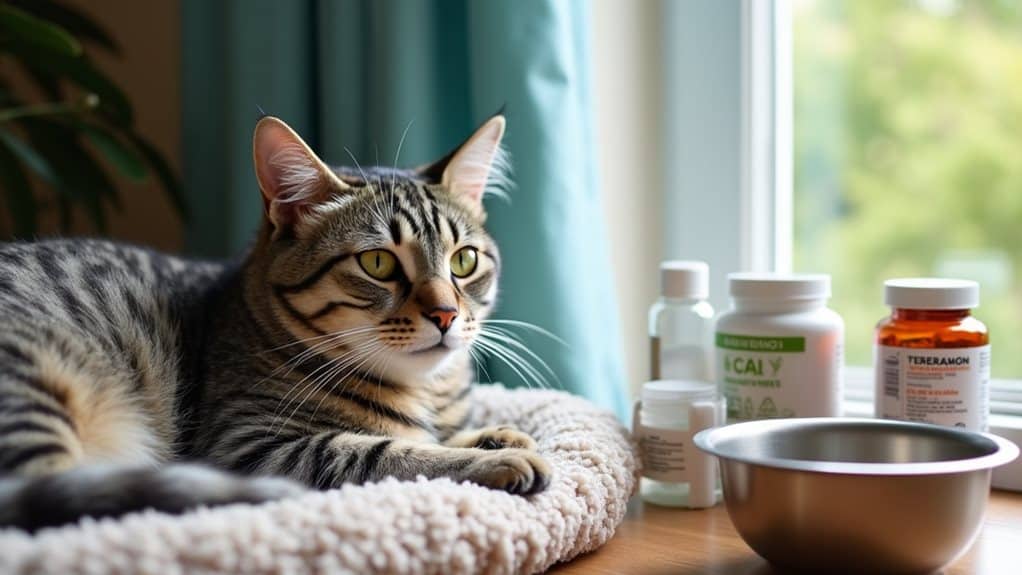
As your feline friend enters their golden years, you’ll likely notice changes that signal the natural aging process. Many cats develop arthritis, making it harder for them to jump or traverse stairs.
You might spot decreased grooming needs as they become less flexible, resulting in matted fur or an unkempt appearance.
Watch for behavioral changes like increased vocalization, confusion, or altered sleep patterns, which could indicate cognitive decline similar to dementia in humans.
Kidney disease, diabetes, and thyroid issues become more common in senior cats, often showing up as increased thirst, weight changes, or litter box problems.
Additionally, Hypertrophic Cardiomyopathy becomes a concern in older cats, highlighting the importance of regular health check-ups.
Don’t ignore these signs! Many conditions are manageable with early detection.
Your aging companion may slow down, but with proper veterinary care, they’ll continue purring contentedly by your side for years to come.
Nutritional Needs for Senior Felines
As your cat enters their golden years, you’ll notice their protein needs shift dramatically, requiring higher quality sources to maintain muscle mass.
You’ll want to adjust their diet to include more easily digestible proteins that support aging kidneys while keeping portions appropriate for their slower metabolism.
Water intake becomes even more essential for senior cats, so consider adding wet food to their diet or investing in a cat fountain to encourage your aging companion to drink more throughout the day. Additionally, increasing water intake is critical to preventing dehydration and promoting overall urinary health as your cat ages.
Protein Requirements Change
Contrary to popular belief, senior cats don’t actually need less protein as they age. In fact, they often require more high-quality protein to maintain muscle mass and support overall health.
As your feline friend enters their golden years, you’ll need to make thoughtful dietary adjustments to guarantee they’re getting the nutrition they need.
- Look for senior cat foods with animal-based protein sources like chicken, turkey, or fish as the first ingredient
- Avoid foods with excessive fillers that might replace valuable protein content
- Consider wet food options, which often contain more protein and help with hydration
- Monitor your cat’s weight and muscle tone, adjusting protein intake accordingly. Additionally, ensure that the protein sources meet safety guidelines for raw meat to prevent any health issues.
Your aging kitty’s protein needs are essential for maintaining their strength, immune function, and quality of life.
Hydration Becomes Critical
While many cat owners focus on food, proper hydration becomes increasingly crucial for senior cats. As your feline friend ages, their kidneys don’t function as efficiently, making dehydration a serious risk. You’ll need to implement creative hydration techniques to guarantee they’re drinking enough.
Consider offering multiple water sources throughout your home – ceramic bowls, pet fountains, or even a dripping faucet can entice reluctant drinkers. Many older cats prefer fresh, moving water over stagnant bowls. You might also try adding a bit of tuna juice or low-sodium chicken broth to water occasionally as an enticing treat. Additionally, incorporating wet food into diets can support hydration levels and overall health.
Watch for signs of dehydration like sunken eyes, lethargy, or dry gums. If your senior kitty isn’t drinking enough, talk to your vet about wet food options, which provide considerable moisture and can be a hydration lifesaver!
Exercise and Mobility Support Strategies
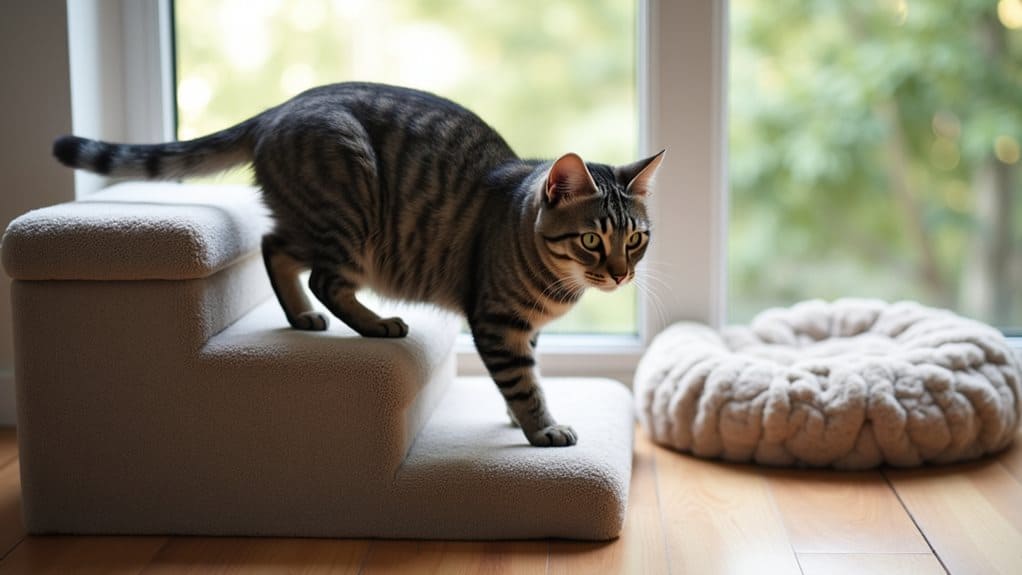
Because senior cats often move more slowly than their younger counterparts, they’ll need specialized exercise routines to maintain their health. Your aging feline friend can stay active with low impact activities customized to their abilities.
Regular, gentle play sessions will keep their muscles toned while protecting aging joints.
- Place cushions or small ramps near favorite perches to help them climb without strain
- Invest in mobility aids like steps or ramps for beds and furniture
- Schedule 3-5 minute play sessions several times daily rather than one long session
- Introduce puzzle feeders that encourage movement without requiring jumping or running
You’ll notice your senior cat’s mood improves with appropriate exercise.
Even arthritic cats benefit from movement – it’s just about finding the right approach for their comfort level. Additionally, creating a secure, hazard-free living space helps prevent injuries that could arise during their exercise routines.
Creating a Comfortable Living Environment
Your senior cat deserves a living space that caters to their changing needs, with cozy rest areas being a top priority for their comfort.
You’ll want to manage the temperature and noise levels in your home, as elderly cats are more sensitive to environmental stressors than their younger counterparts.
Installing accessibility features, like ramps to favorite perches or steps to help them reach the bed, will help your aging feline traverse your home with dignity and independence. Additionally, providing enrichment and socialization through engaging toys and structured interactions will help keep them mentally stimulated and happy.
Cozy Rest Areas
A comfortable sanctuary becomes increasingly essential for senior cats who spend upwards of 18 hours daily resting or sleeping. Your aging feline deserves cozy bedding that supports their joints while providing a sense of security.
Place soft beds in quiet corners where they won’t be disturbed by household traffic. Remember that senior cats often seek warm spots for safe napping, so consider positioning beds near sunny windows or gentle heat sources.
- Choose washable bedding with low sides for easy entry and exit
- Provide multiple rest areas throughout your home for convenience
- Consider heated pet beds for cats with arthritis (set on low)
- Add extra cushioning with memory foam or orthopedic materials
Additionally, regular grooming helps maintain their coat and identify any skin issues, ensuring their comfort as they settle into their favorite spots with contented purrs.
Temperature and Noise
As senior cats become more sensitive to their environment, controlling temperature and noise levels becomes crucial for their comfort and wellbeing.
Your aging feline friend likely experiences increased temperature sensitivity, preferring warmer spots around 70-75°F. You’ll notice they seek out sunny windowsills or heating vents more frequently than in their younger years.
Managing noise aversion is equally important. Older cats can become startled or stressed by loud sounds they once ignored.
Consider creating quiet zones in your home where your senior kitty can retreat when things get noisy. Simple solutions like closing windows during rush hour, using white noise machines, or designating a quiet room can make a world of difference. Incorporating calming scents can further enhance their sense of security and relaxation in these safe spaces.
Accessibility Features
Creating a senior-friendly home environment involves three essential accessibility modifications that can dramatically improve your aging cat’s quality of life.
As your feline friend ages, they’ll need help maneuvering their domain with dignity. Consider investing in specialized cat furniture with gentle inclines rather than steep jumps, and strategically place mobility aids like steps or ramps to help them reach their favorite spots.
- Carpeted steps or ramps to help them access beds, couches, and window perches
- Non-slip mats in their eating area to provide stable footing while dining
- Litter boxes with lower entry points that don’t require climbing or jumping
- Cushioned resting spots in various locations so they’re never far from comfort
Incorporating a calming environment can also enhance your cat’s comfort and well-being as they navigate their surroundings.
Your thoughtful adjustments will help your senior kitty maintain independence despite their aging joints!
Dental Care for Older Cats
Proper dental care forms the cornerstone of your senior cat‘s overall health, yet it’s often overlooked until problems arise.
As your feline friend ages, they’re more susceptible to dental issues that can cause pain and affect their appetite.
You’ll want to establish a dental hygiene routine that includes regular brushing with cat-specific toothpaste.
Don’t worry—even older cats can adapt to this with patience!
Check your cat’s mouth weekly for signs of trouble: bad breath, inflamed gums, or reluctance to eat.
Professional dental cleanings are essential for maintaining oral health in senior cats.
Your vet might recommend yearly cleanings, which often require anesthesia.
While this might seem scary, the benefits typically outweigh the risks.
Additionally, starting dental care routines at any age can significantly reduce the risk of periodontal disease.
Recognizing Signs of Pain or Illness
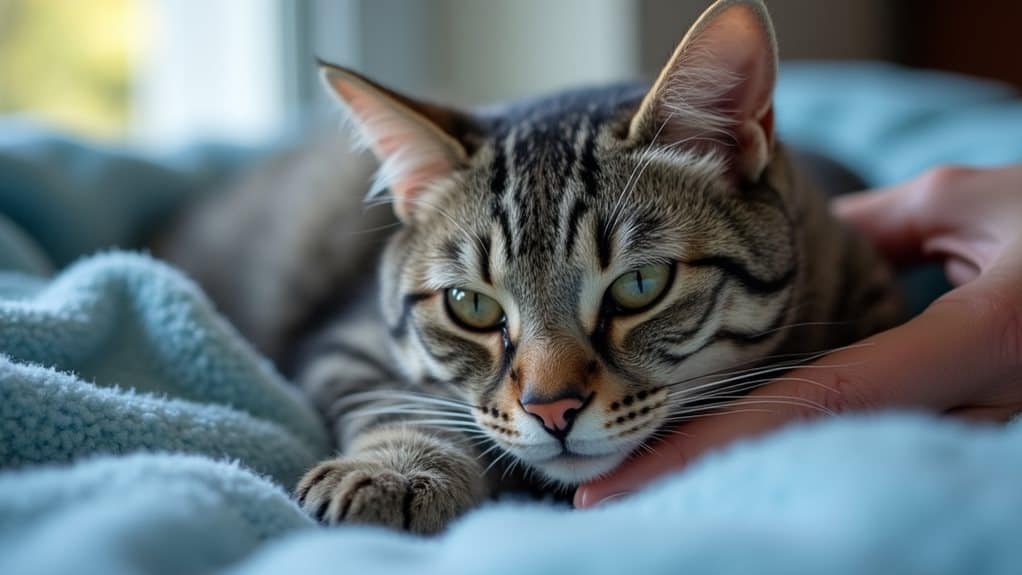
Senior cats excel at hiding signs of discomfort, making it challenging for even attentive owners to spot when something’s wrong. Your aging feline may show subtle pain behaviors that differ from their usual patterns.
By learning these illness indicators, you’ll catch problems early when treatment is most effective.
Watch for these warning signs in your senior kitty:
- Changes in litter box habits, including straining, accidents, or unusual frequency
- Decreased grooming resulting in an unkempt coat, or excessive grooming of painful areas
- Altered eating patterns—either increased appetite or food avoidance
- Behavioral shifts like increased irritability, hiding more often, or reluctance to jump or climb
You know your cat best. If something seems “off” with your furry friend, trust your instincts and consult your veterinarian promptly.
Preventative Care and Regular Veterinary Visits
While younger cats might need only annual checkups, your senior feline companion requires more frequent veterinary attention to maintain their health and comfort.
Consider scheduling visits every six months to catch potential issues early. These regular appointments allow your vet to monitor weight changes, dental health, and mobility.
Preventative vaccinations remain crucial for senior cats, though your vet might adjust the schedule based on your pet’s specific needs and lifestyle.
Routine screenings, including bloodwork, urinalysis, and blood pressure checks, can reveal early signs of kidney disease, diabetes, or thyroid issues—common in aging cats.
Don’t skip these appointments even if your cat seems healthy! Many senior cats hide discomfort remarkably well.
Your vigilance, combined with professional care, gives your furry friend the best chance at comfortable golden years.
Mental Stimulation for Aging Feline Minds
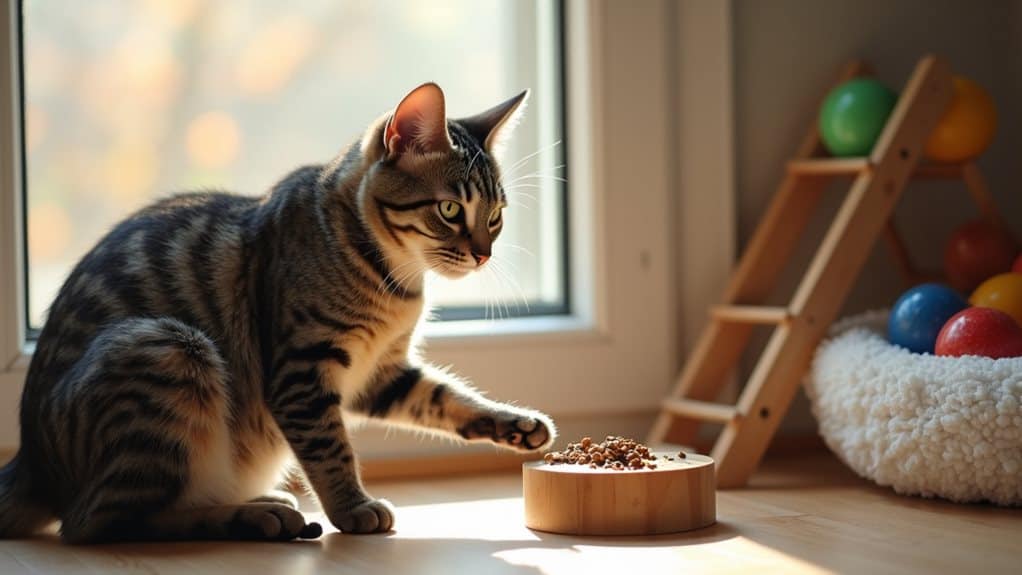
Just as veterinary care keeps your cat’s body healthy, cognitive enrichment helps maintain their mental sharpness throughout their golden years. Your senior cat’s brain needs regular workouts to prevent cognitive decline.
Interactive toys that mimic prey can reignite their natural hunting instincts, while puzzle feeders transform mealtime into mental exercise sessions.
You’ll be amazed at how these simple additions can improve your aging cat’s quality of life:
- Set up bird-watching stations near windows for visual stimulation
- Rotate toys weekly to maintain novelty and interest
- Try puzzle feeders with varying difficulty levels as they master each challenge
- Schedule short, gentle play sessions (5-10 minutes) several times daily
Medication Management and Administration Tips
As your beloved feline enters their senior years, managing medications becomes a vital part of their care routine. Creating consistent medication schedules helps guarantee your cat receives proper treatment without missed doses.
Consider using pill organizers or setting phone reminders to stay on track.
Many senior cats require dosage adjustments as they age, so regular vet visits are significant for monitoring their response to medications.
Senior cats often need medication adjustments, making regular veterinary check-ups essential for proper treatment monitoring.
To make pill-giving less stressful, try hiding medication in a small amount of wet food or use pill pockets designed for fussy felines.
If your cat’s particularly stubborn, pill administering devices can be lifesavers!
Frequently Asked Questions
How Do I Help My Senior Cat Adjust to New Pets?
Introduce new pets to your senior cat using gradual integration. Keep them separated initially, swap scents, allow supervised visual contact, then short interactions. You’ll need patience as your senior adjusts to these new companions.
When Should I Consider Getting a Companion for My Aging Cat?
While companion benefits can vary between cats, you should consider a new friend when your senior seems lonely or less active. Introducing pets gradually is essential, making sure your aging cat’s temperament and health can handle the change.
Can I Still Travel With My Senior Cat?
Yes, you can travel with your senior cat. Just make extra travel preparations including familiar items for cat comfort. Keep trips shorter, maintain routines, and consult your vet about potential anxiety medications if needed.
How Does My Cat’s Personality Typically Change With Age?
As cool as a cucumber in youth, your senior cat may exhibit mood changes like increased vocalization or altered sleep patterns. You’ll notice behavioral shifts toward seeking more affection and becoming less tolerant of disruptions.
What Are the Financial Considerations for Caring for Senior Cats?
You’ll face increased vet expenses for more frequent check-ups and potential treatments. Specialized diets cost more than regular food, and medications for age-related conditions can add up quickly. Budget for these ongoing needs.
Final Thoughts
Your senior cat’s golden years can be their best with your loving attention, proper nutrition, and regular vet visits. You’ll cherish this special time by adapting their environment, monitoring their health, and maintaining their mental sharpness. Remember, these companions who’ve loved you for a decade deserve your patience, care, and understanding. Their purrs may be quieter now, but their need for your devotion remains just as strong as the day you met.